Published : 25 Aug 2026, 03:13 AM
Updated : 08 Sep 2026, 09:35 AM


Fading Frontiers, Closing Doors
Saudi sector shift: Saudi Arabia now absorbs over 50 percent of migrant workers as overall deployments drop by nearly 39 percent
Closed door constraints: Major traditional destinations like Malaysia and Oman remain blocked, choking worker outflows
Systemic skill shortfall: Inadequate technical training and severe language barriers limit access to newer job markets
Entrenched agency abuses: Unchecked recruitment syndicates and lingering fraud allegations continue to stall market revivals
For Bangladesh’s migrant workers, the map of opportunity is narrowing.
Six months into the BNP-led government, the number of Bangladeshis leaving for jobs abroad has fallen by nearly 39 percent, while Saudi Arabia continues to absorb more than half of the country’s overseas workforce.
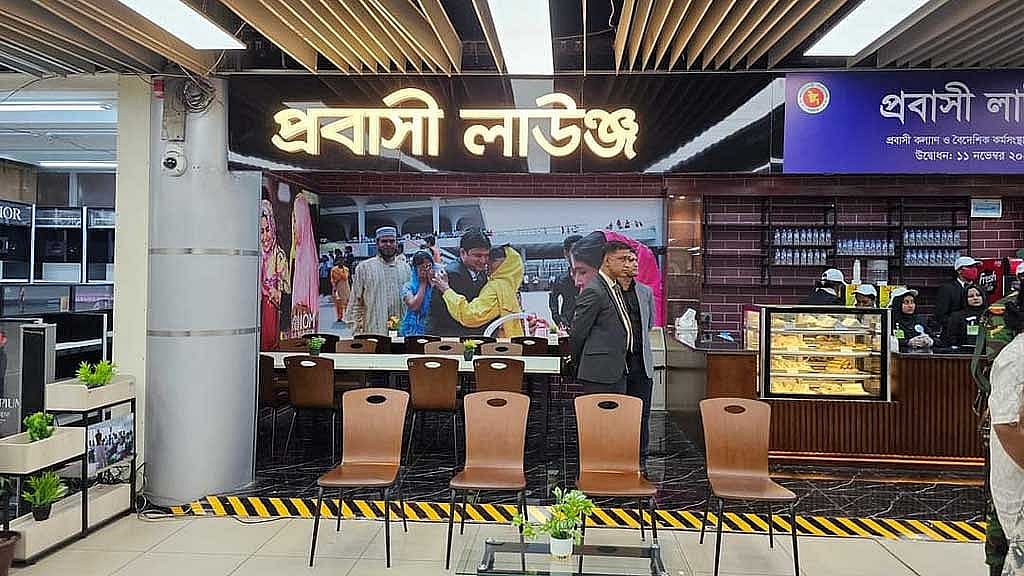
Efforts to reopen Malaysia’s labour market have yet to bear fruit. Oman, once another major destination, remains closed to Bangladeshi workers. And none of the eight new markets the government has been exploring has yet opened in any meaningful way.
The result is a familiar pattern: Bangladesh remains heavily reliant on a handful of destinations, leaving its migrant workers vulnerable to sudden shifts in any one market.
According to Bureau of Manpower, Employment and Training (BMET) data, 333,427 workers left Bangladesh between Feb 17 and Aug 17, the first six months of the new government.
More than half -- 169,646, or 50.87 percent -- went to Saudi Arabia.
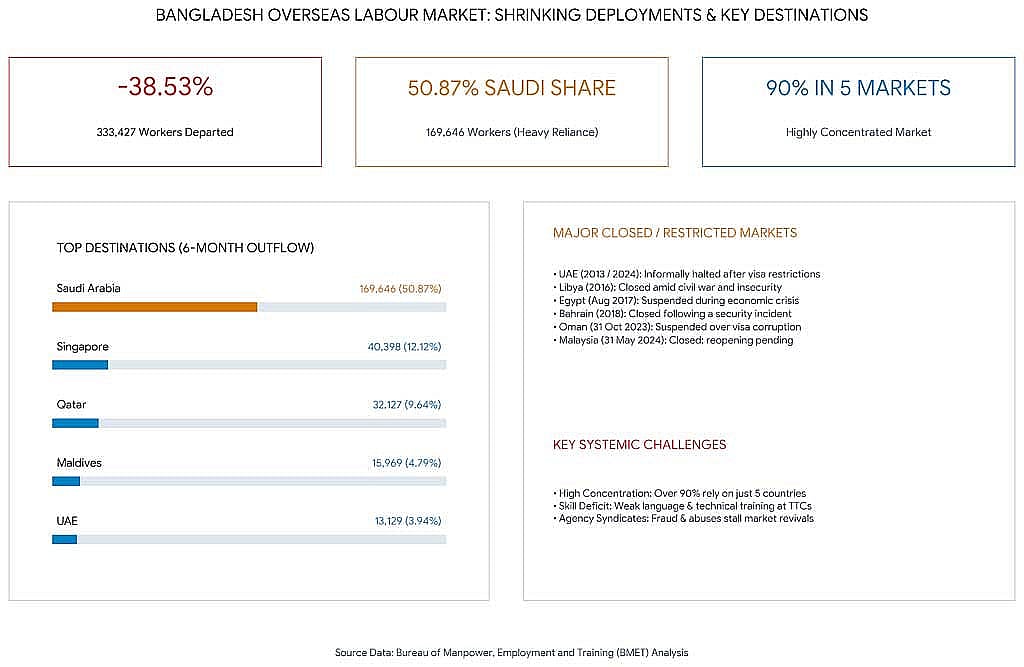
Singapore was a distant second with 40,398 workers, followed by Qatar with 32,127. Another 15,969 went to the Maldives, 13,129 to the United Arab Emirates, 13,071 to Kuwait, 8,199 to Jordan, 5,316 to Italy, 3,608 to Portugal and 2,863 to Iraq.
The decline becomes stark when compared with the same period in 2025.
Bangladesh sent 542,438 workers abroad in those six months, including 361,366 to Saudi Arabia, 53,135 to Qatar and 36,251 to Singapore.
The overall number has therefore fallen by 209,011, or 38.53 percent.
A Market Too Concentrated to Be Secure
Government figures show Bangladesh sent workers to 141 countries in 2025. Yet nearly 90 percent went to just five destinations. Thirteen countries received only one Bangladeshi worker each, while 34 received between two and 10.
A Jan 7 report by migration research organisation RMMRU, titled Trends in Labour Migration from Bangladesh in 2025: Achievements and Challenges, warned that the country had developed an overly concentrated overseas labour market.
It said Bangladesh should be sending workers regularly to at least eight to 10 markets, adding that countries receiving fewer than 100 Bangladeshi migrants should hardly be considered established migration destinations.
BMET Director General Jamil Ahmed acknowledged the dependence on Saudi Arabia but said efforts to diversify were continuing.
“New or unconventional labour markets are also receiving some workers. Recently, the labour market in Moldova has opened. And everything cannot happen in just six months.
“It is true that Saudi Arabia is our biggest labour market. But Bangladeshis are also going to some new countries.”
Migration expert Asif Munier says diversification requires much deeper changes.
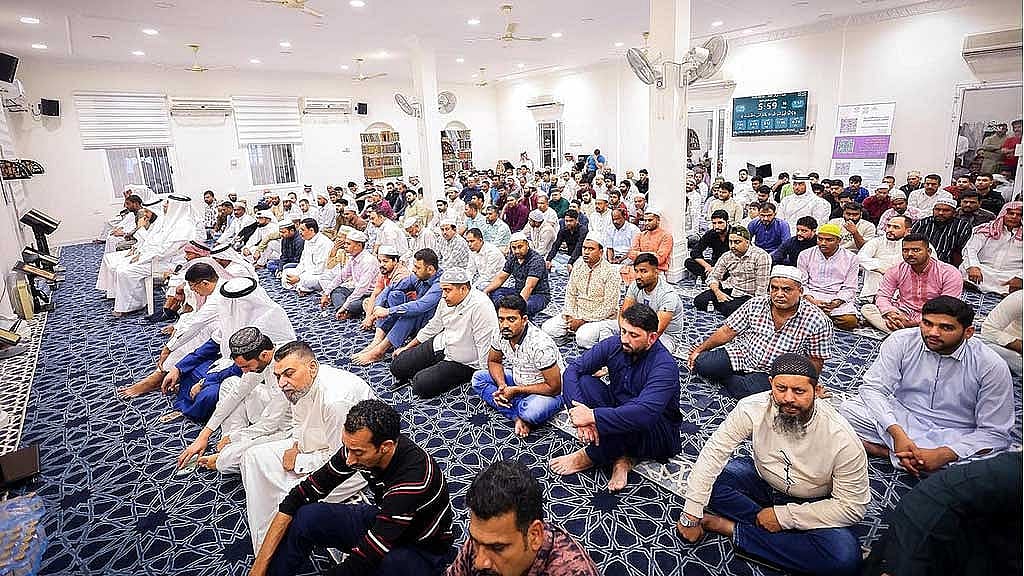
“If you say that people should go somewhere other than Saudi Arabia, then some changes are needed throughout our system,” he said, pointing to language barriers and inadequate training.
“There is no proper training. And there are not even adequate training facilities for workers to receive that training.”
With remittances a major driver of the economy, he said migration should be treated as a national priority.
Munier also criticised the quality of training at BMET’s Technical Training Centres, saying instructors often lacked sufficient knowledge of modern technology and overseas labour markets and, in some cases, could not operate the modern equipment provided to them.
Short courses, he argued, were not enough.
“We need to take a holistic approach. You cannot train them through three months of training or three days of training.
“Like neighbouring countries, we need to make language and technical education compulsory in our mainstream education system. At the same time, instead of increasing bureaucratic visits, we need to increase the budget, trained manpower and the activity of our embassies abroad.”
He also called for local government bodies at union and Upazila levels to be brought into the system to prepare and educate prospective migrant workers.
Fakhrul Islam, former joint secretary general of BAIRA, the recruiters’ association, proposed a core committee bringing together government, industry and other stakeholders to work specifically on reopening closed markets.
“It can work as a cell,” he said, while also calling for the recruitment process to be kept free of syndicates.
Expatriates’ Welfare and Overseas Employment Secretary Mokhtar Ahmed said Bangladesh was trying to assess newer markets such as Romania and Serbia.
“We need to examine whether there is a market there, whether there are jobs, and whether those who go there will jump to somewhere else. We are working on that.”
6 Major Markets Lost in 7 Years
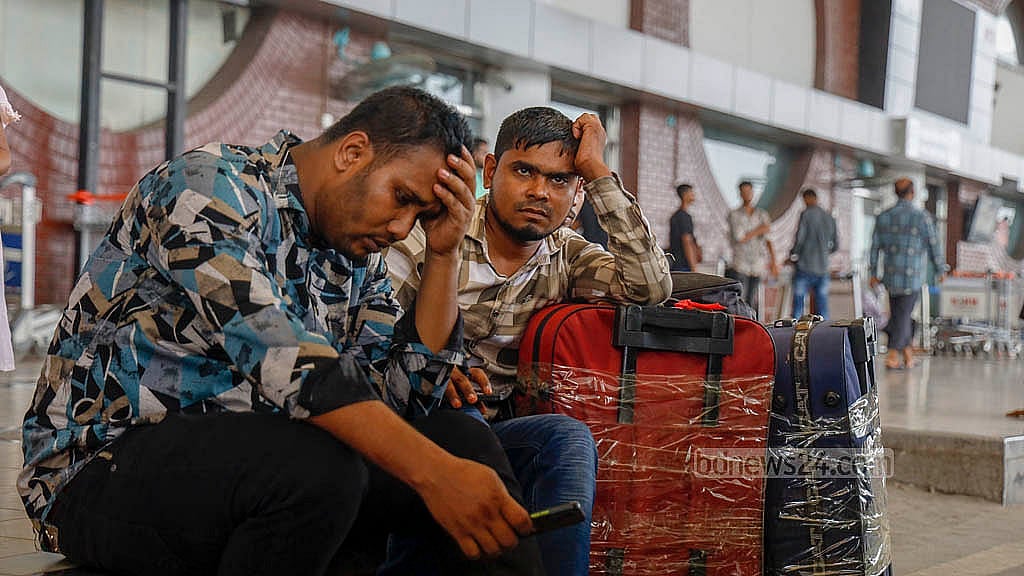
Bangladesh has been sending workers overseas since 1976. But six important markets were closed or severely restricted between 2013 and 2024.
The UAE was the first, closing its labour market in 2013 amid allegations involving Bangladeshi migrants’ “criminal activities, visa fraud and political activities”. Before the restrictions, 1.29 million Bangladeshis had gone there over 36 years.
The UAE began taking more Bangladeshi workers around 2022 despite not formally lifting the ban, but the flow fell again after Aug 5, 2024. During that period, 200,197 workers went to the UAE. The country later informally halted visas after Bangladeshi expatriates took part in protests during the July Uprising, with the interim government securing only limited resumption.
Libya closed its market in 2016 amid civil war and severe insecurity. By then, 122,125 Bangladeshis had gone there.
Egypt followed in August 2017 amid a severe economic crisis, after 23,005 workers had migrated there since 2000.
Bahrain closed its market in 2018 following the killing of a mosque imam. Before the closure, 409,516 Bangladeshis had gone there.
Oman shut its market on Oct 31, 2023 amid allegations of irregularities and corruption. By then, 1.29 million Bangladeshis had worked there.
Seven months later, Malaysia closed its doors on May 31, 2024. A total of 1.46 million Bangladeshis had gone there before the closure.
State Minister for Expatriates’ Welfare and Overseas Employment Nurul Haque said reopening long-closed markets would take time.
“Since some labour markets have been closed for a long time, they cannot be reopened within a few days.
“However, efforts are continuing to send workers to new and unconventional labour markets and reopen closed ones.”
Malaysia Remains the Big Test
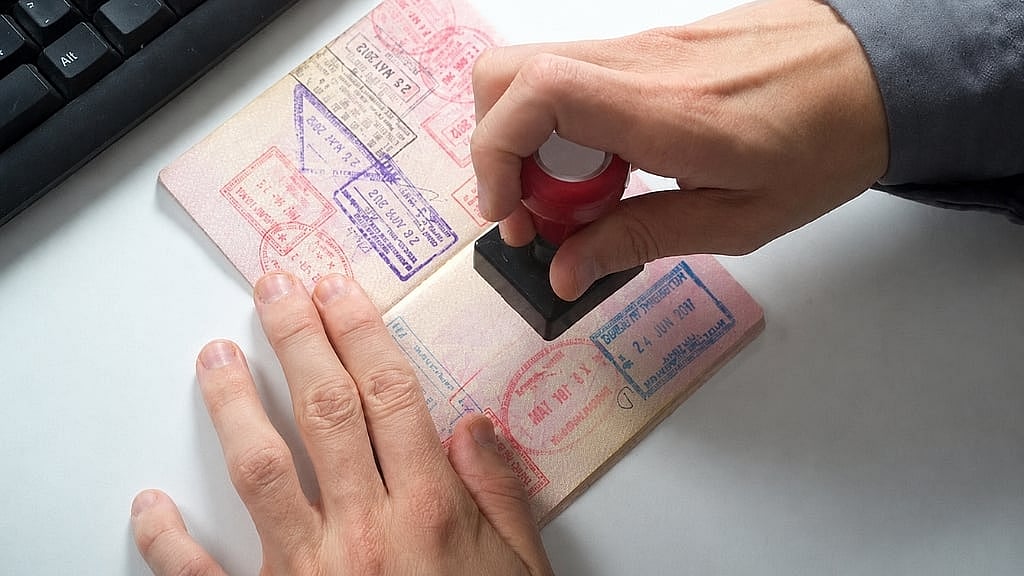
Malaysia has remained the most closely watched reopening effort.
On Jul 30, Mahdi Amin, the prime minister’s advisor on expatriates’ welfare and overseas employment, said workers could start going to Malaysia by the final week of August. Minister Ariful Haque Chowdhury also spoke of an imminent reopening.
But little has moved since.
The government has separately explored eight countries -- Thailand, Serbia, Greece, North Macedonia, Romania, Portugal, Brazil and Russia -- without successfully opening any of them.
RMMRU has warned against reviving old recruitment networks without first holding the masterminds of previous syndicates accountable. It also noted that several closed markets, including Oman and Bahrain, remained inaccessible last year.
The organisation said the UAE market had not properly reopened either. Although seven agreements were signed with Italy, South Korea, Japan and Saudi Arabia during the interim government, worker deployment remained below expectations.
It has proposed reducing the number of licensed recruiting agencies through a regulated process, confiscating multiple licences held by members of the same family, cancelling licences of agencies involved in recruitment fraud, and allocating 1 percent of the national budget or 5 percent of annual remittance earnings to migration.
Munier says the problem cannot be solved piecemeal.
“Everyone in the expatriates’ welfare ministry, BMET and other agencies more or less knows what needs to be done. We say there will be no change without a holistic approach.”
He warned against announcing reopening targets before the necessary groundwork had been done, recalling that the interim government had once said Malaysia would reopen within its first three months.
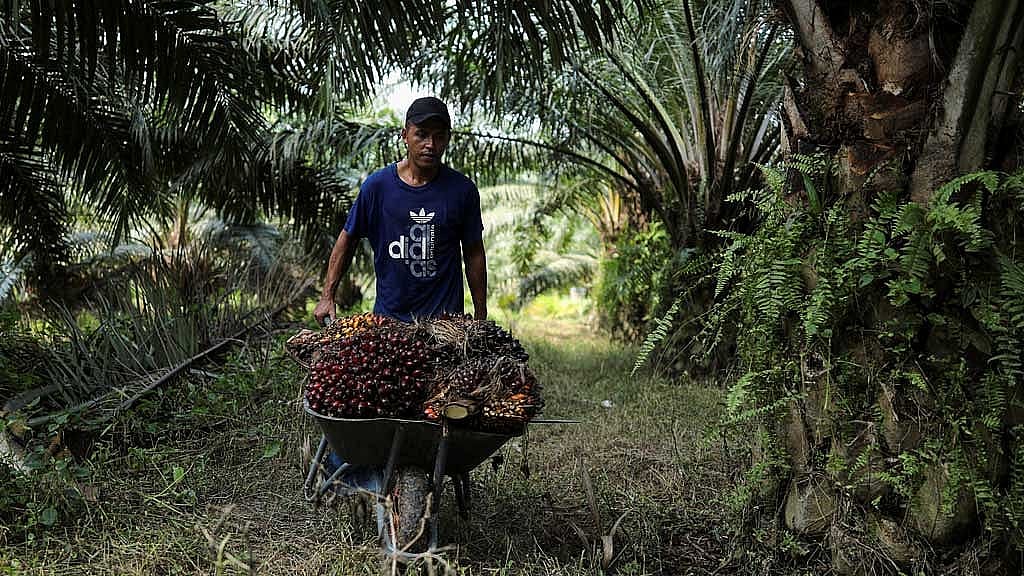
“It is not an easy matter. It is complicated. There are syndicates here, and there are influential people not only here but also in Malaysia.”
The private sector, he added, must also take greater responsibility.
The crucial questions, he said, are whether a country will take Bangladeshi workers and whether those workers are trained to meet its needs.
“But our tendency is to say -- and it is easy to say -- that the market is opening or will open. We say this without preparation.”
For now, Malaysia remains closed.
“The Malaysian labour market has not yet opened,” Secretary Mokhtar told bdnews24.com. “Some work has been done on it, but it has not yet reached any final stage.
“Yet to be decided. There may be some news by the end of this month.”