Published : 29 May 2026, 07:28 AM
Updated : 21 Aug 2026, 03:48 PM


The Raw Deal: Chasing Losses
Swift slide: Cattle hide rates plunged from Tk 900 at dawn to Tk 550 by evening, leaving seasonal traders facing steep losses
Official rates fail: Rising costs and market chaos overwhelm government-set prices
Drowning in debt: Wholesalers blame tanneries for delayed payments, forcing them to run seasonal trading entirely on borrowed money
Global market gap: Despite a recent surge in Bangladesh leather exports, inflation and rising costs mean local traders see no profit
By late afternoon in Gulshan-2, a seasonal hide trader known only as Halim was already counting his losses.
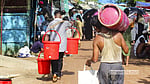
Since Thursday morning, he had been weaving through nearby neighbourhoods, collecting one or two fresh cattle hides at a time from sacrificial households before carrying them to a cluster of middlemen near the Gulshan circle.
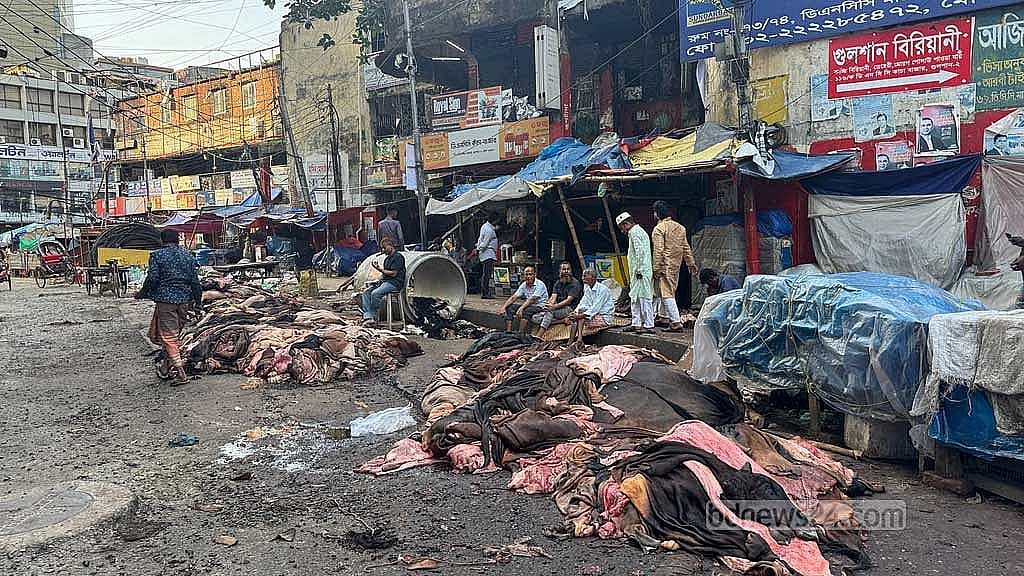
At dawn, he said, hides of the same size were selling for Tk 900. By 5pm, buyers had lowered their offers to Tk 700.
After a long round of bargaining, he finally gave in.
“There’s no price. Prices are simply too low.
“They took this hide for Tk 700 now. In the morning, the same hide was selling for Tk 900.”
His disappointment was far from unique.
Across Dhaka on Eid day, from affluent Gulshan to the crowded alleys of Posta, Bangladesh’s sprawling sacrificial hide market once again slipped into a familiar cycle of collapsing prices, uncertainty and mutual blame -- even as the government insisted official rates had been increased this year.
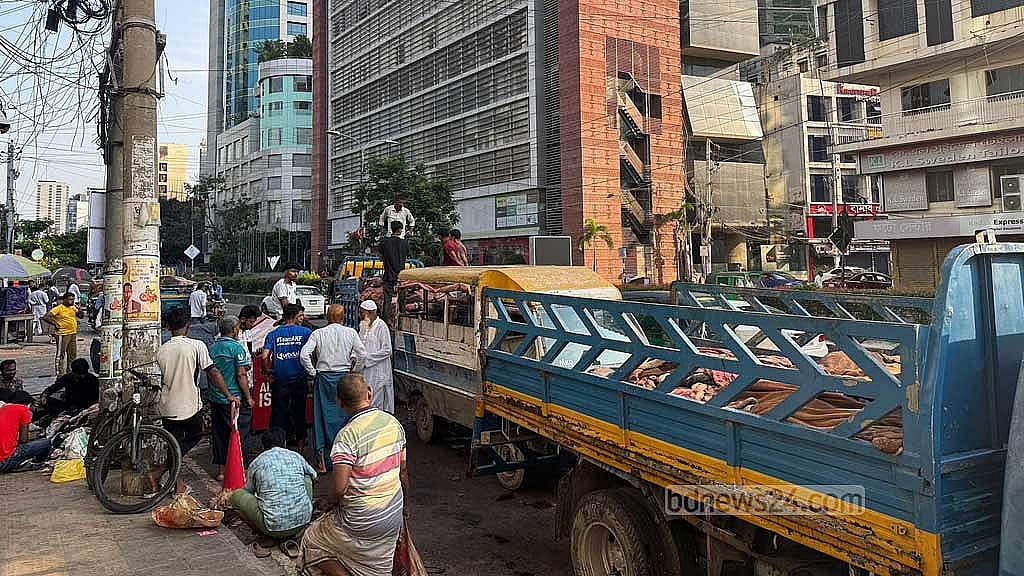
A Market that Weakens With Time
At the Gulshan collection point, Abdul Rashid, a representative of Islam Traders, brushed aside complaints from sellers.
“People will always say prices are low. If prices were truly too low, nobody would sell.”
The hides collected there, he said, would be transported directly to Hemayetpur, the country’s main leather-processing hub.
“We are paying Tk 35 to Tk 40 per square foot. Then there is another Tk 300 per hide in salt and labour costs.”
By 5pm, he had already collected roughly 500 cattle hides.
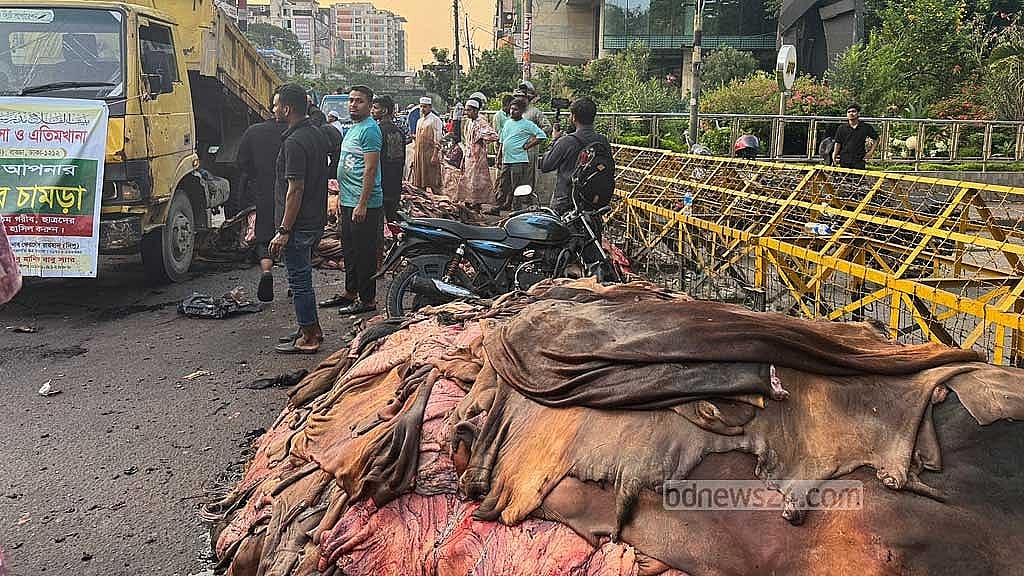
“None sold for more than Tk 1,000. On average, we bought them for around Tk 750.”
Only a handful of traders were visible in Gulshan. Most were directly linked to tannery owners in Hemayetpur, allowing them to offer slightly higher rates than ordinary middlemen.
But further south -- at Science Lab and later in Posta, once the beating heart of Dhaka’s raw hide trade -- the same trend emerged: as the day wore on, prices steadily fell.
By evening, most hides were changing hands for between Tk 550 and Tk 600.
This year, the government says more than 10 million animals were sacrificed across Bangladesh. Official prices for salted cattle hides were fixed at Tk 62-67 per sqft in Dhaka and Tk 57-62 outside the capital, roughly Tk 2 higher than last year.
Yet on the ground, many sellers said those rates existed largely in theory.
‘Thought They Would Fetch Tk 2,000’
Around 5:15pm in Gulshan, Abu Yusuf, a teacher at a Qawmi madrasa near the Mohakhali railway tracks, arrived carrying two hides to “test the market”.
“We are small traders,” he said. “We brought only two hides to check the rates first. We still have six more.”
Then came the frustration.
“They offered Tk 1,100 for the two. We thought they would fetch more than Tk 2,000.”
He claimed that around 2016-17, hides of similar quality sold for as much as Tk 3,200 each.
Standing nearby, one trader interrupted sarcastically: “We bought them for Tk 5,000 too.”
By 6pm, the crowds at Science Lab had thickened.
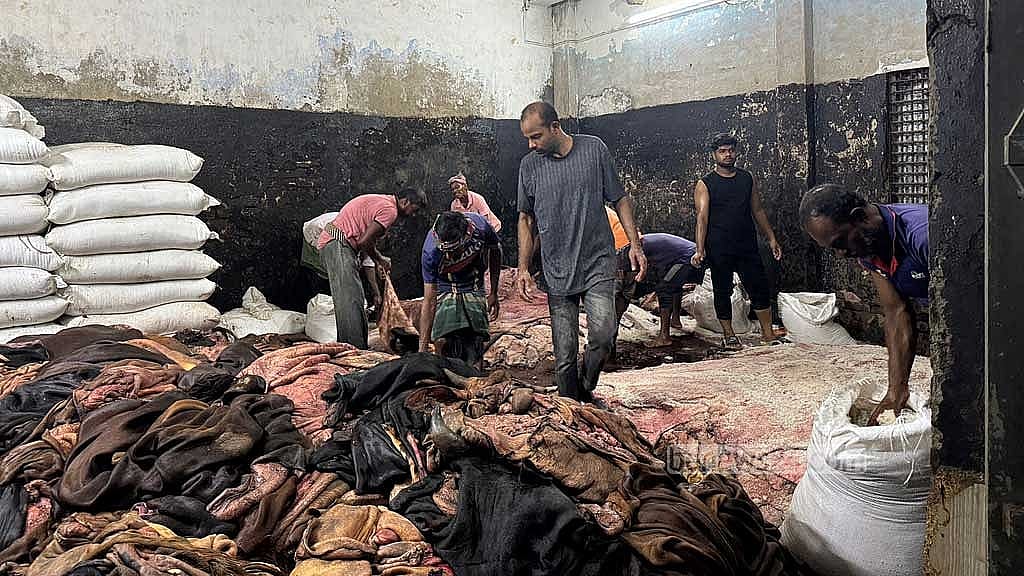
Mohammad Shihab Uddin, representing two madrasas from Rampura’s Aftabnagar, had brought 132 hides for sale.
“To say prices are low would be an understatement,” he said.
“Where hides should have sold for Tk 1,000 to Tk 1,200, buyers are offering Tk 550 to Tk 600.”
The group eventually sold the batch at an average price of Tk 580 per hide.
“If the government cannot control the market, what use is this government to us?” he asked bitterly.
After paying volunteers and labourers, he said: “Nothing will remain”.
Traders Caught Between Risk and Uncertainty
Nearby, leather exporter Mohammad Nazir was purchasing another consignment of around 250 hides.
“I’m buying at an average Tk 50 per square foot without salt,” he said.
“After salting, another Tk 10 per foot is added. That already makes Tk 60. But we don’t know if we can recover later.”
He explained that many hides lose value after preservation and sorting.
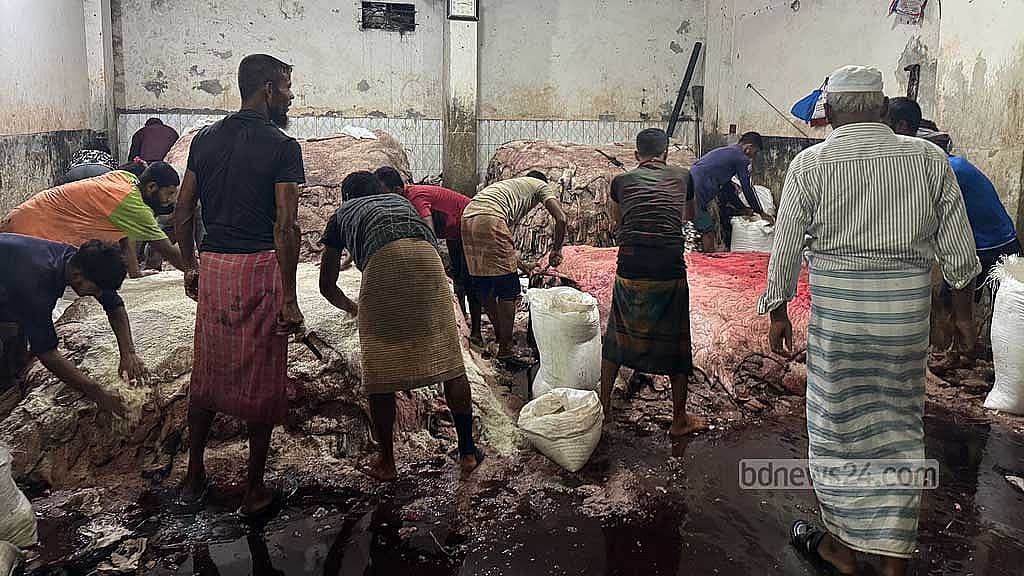
Cuts reduce prices. Viral skin damage -- known in the trade as “Corona” -- can render hides unusable.
“We buy on average because everyone sees the rates on television. We are paying according to that. But whether we ourselves receive those rates later, nobody knows.”
By 6pm, Nazir had already collected around 700 hides from Science Lab alone, while purchasing another 250 from a pickup truck parked nearby.
He said he was collecting hides from three more locations across Dhaka at similar prices.
Some would be sold in Hemayetpur. Others would be exported directly.
His son added quietly: “On average, we are buying them for Tk 550 to Tk 600.”
Profit Replaced By Survival
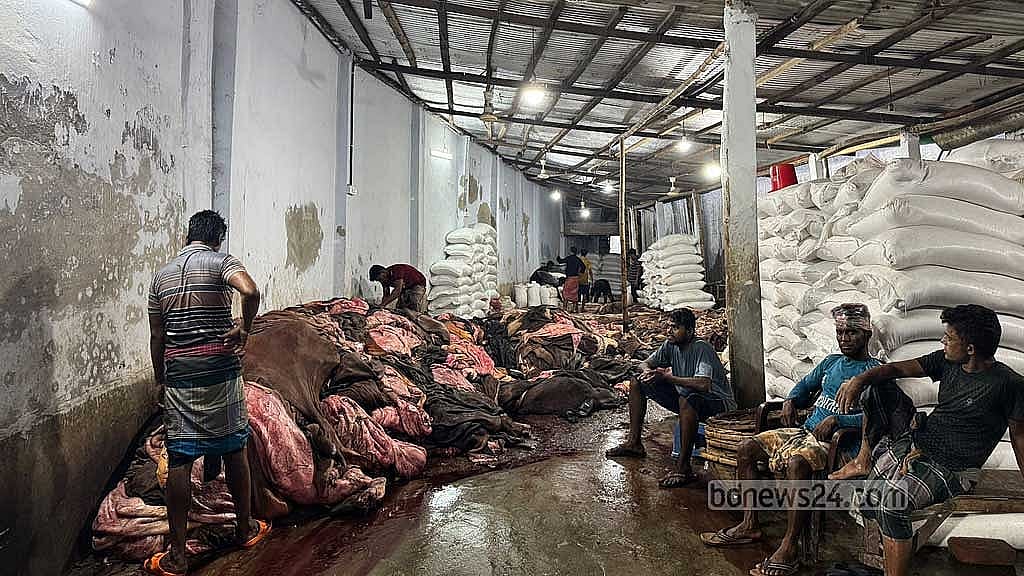
As darkness settled over Old Dhaka, trucks, pickups and vans continued arriving at Posta carrying fresh hides from across the capital.
Though the market remained busy, traders said the old vibrancy of Posta had faded long ago.
For years, many wholesalers have accused tannery owners of delaying payments and trapping them in cycles of debt.
“We are not even thinking about profit anymore,” said Aziz of Shahadat and Co.
“Right now we are simply buying. What price we get later -- only God knows.”
For now, he said, traders are focused on salting and preserving hides.
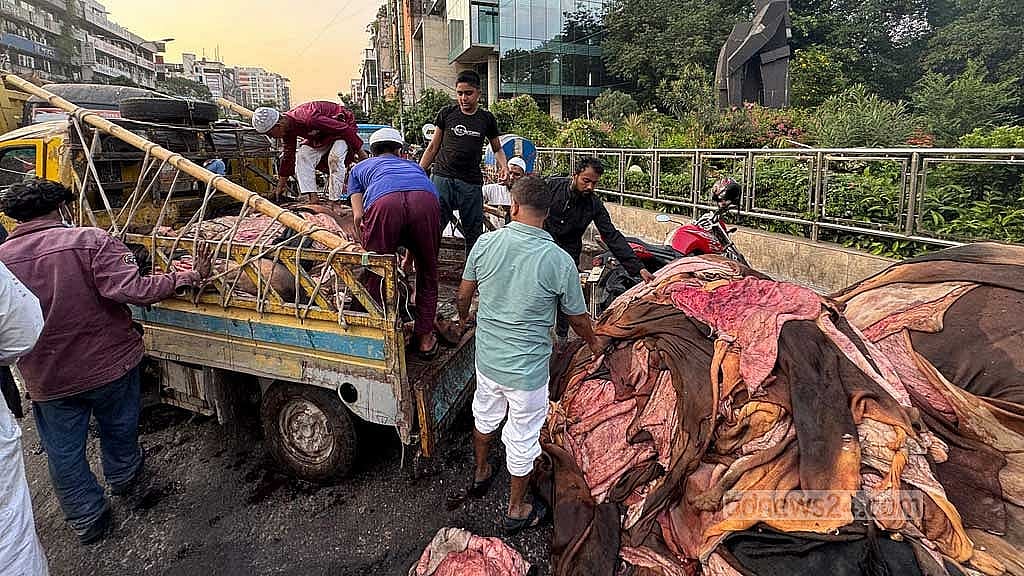
“We will continue collecting for three days. Tanneries usually start taking delivery after a week.”
He estimated buying prices at Tk 550-600 per hide, with another Tk 150 added in salt and labour expenses.
Despite earlier rain, he dismissed fears that hide quality would deteriorate quickly.
“The sacrifices took place just today [Thursday]. Once salted, the hides will be fine.”
His target was to collect between 4,000 and 5,000 hides.
Trading with ‘Borrowed Money’
Mohammad Shamim, a leader of the Faria Traders Association, blamed both government policy and tannery owners for the recurring crisis.
According to him, tannery owners frequently delay payments, steadily shrinking traders’ capital reserves.
“We do this business with borrowed money,” he said.
“Tk 200,000, Tk 400,000, Tk 500,000 -- we borrow and enter this seasonal trade because we are tied to it.”
He argued that government salt subsidies should go directly to traders rather than madrasas.
“Madrasas do not preserve hides. They receive hides for free and sell them immediately.
“If we received the salt free of cost, we could pay Tk 100 or Tk 200 more per hide.”
Salt alone now costs around Tk 200 per hide, he said, while labour, transportation and warehouse fees push total handling costs close to Tk 400.
“How much can we possibly pay for the hide after all that?”

Export Fears Shape Local Prices
Traders insist the government’s official pricing is aimed less at protecting local sellers than at preserving Bangladesh’s standing in global leather markets.
“The government fixed these rates to protect foreign markets,” Shamim said.
“If we publicly admit prices are lower, foreign buyers will push prices down even further.”
Bangladesh’s leather sector has shown signs of recovery in recent months. Export earnings during the first 10 months of the current fiscal year rose nearly 6 percent, while April alone recorded growth of more than 35 percent.
But traders say that recovery has barely reached the ground.
Shahin Ahmed, chairman of the Bangladesh Tanners Association, pointed instead to inflation, weak investment, sluggish business activity and global instability driven by war.
“I believe all of this has affected hide prices as well,” he told bdnews24.com.
He also argued that fewer cattle had been sacrificed this year.
“Many cattle remained unsold. Traders suffered losses,” he said.
“Politically connected Awami League figures could not offer sacrifices this year either, and I believe that also reduced overall numbers.”
By nightfall, the day’s sacrifices had ended -- but for Dhaka’s hide traders, the losses were only beginning.