Home
+
Published : 19 Jul 2026, 11:18 PM
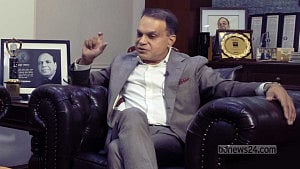
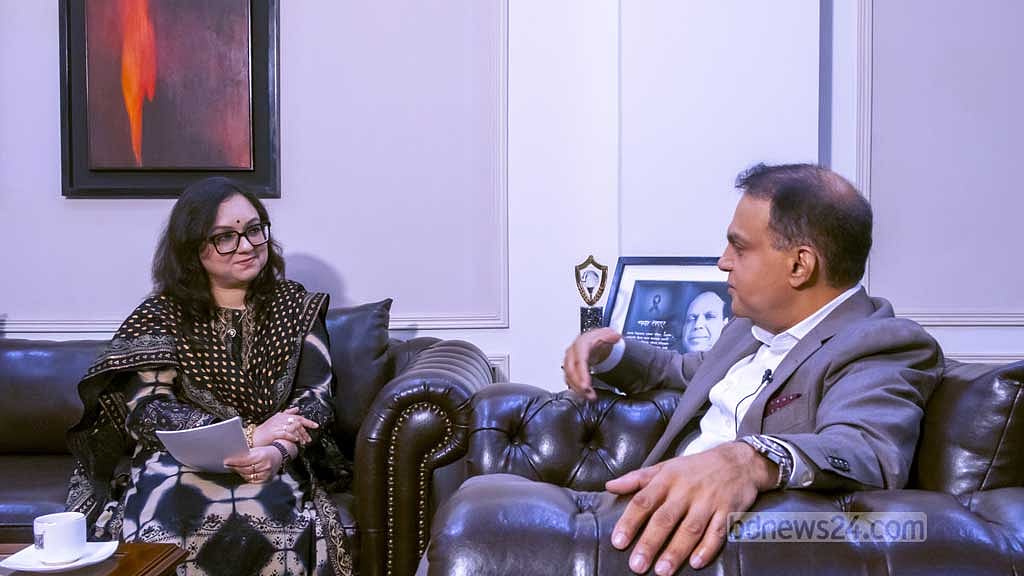
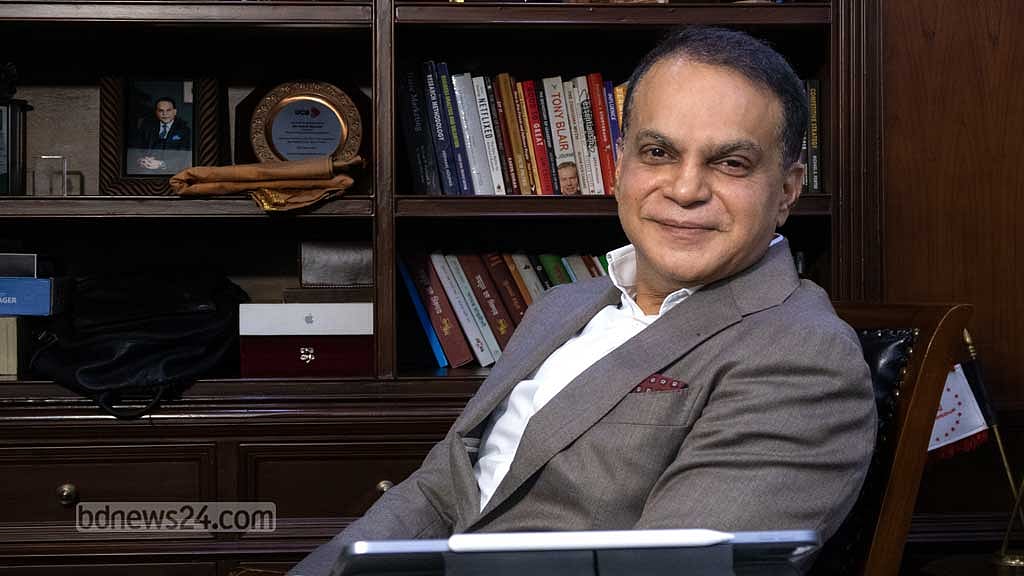
Investment policies designed by bureaucrats alone will not revive Bangladesh's economy, Anwar Group of Industries Chairman Manwar Hossain has said, urging the government to work closely with business leaders who understand conditions on the ground.
Speaking on bdnews24.com's discussion programme "Chinwag with the Chiefs", Manwar said policymakers must consult entrepreneurs if they want investment plans to translate into reality.
The interview, streamed on bdnews24.com's YouTube channel and Facebook page, covered investment, infrastructure, artificial intelligence (AI), labour markets and capital flight.
Assessing the current business climate, Manwar said the country's political and business environment had become more stable following the February election.
"More than change, what I'm seeing is stability. People's expectations have improved and democracy is returning to politics."
He said lingering uncertainty had eased, although businesses were still struggling.
"Business won't recover overnight. But the impact of stability will gradually be felt. People will invest again and business will grow. Right now, however, we are going through an extremely challenging period."
Calling investment deceptively simple, he said implementation remained difficult.
"If the government and bureaucrats make investment policies on their own, it won't work."
Entrepreneurs, he argued, could bridge the gap between policymakers and the market.
"Those of us working on the ground should be part of the conversation. That would make it easier to restart the stalled wheels of the economy and do it much faster."
Manwar traced the economy's slowdown to the COVID-19 pandemic, followed by a series of setbacks.
"I believe 90 percent of businesspeople would say business isn't doing well. If so many people are saying that, they're clearly suffering."
He added that business owners rarely exaggerate hardship.
"If my business is doing well, I wouldn't claim otherwise. So when people say conditions are bad, they genuinely are."
He pointed to large-scale capital flight as a key reason.
"We read in newspapers and hear in parliament that huge amounts of money have left Bangladesh. That has created a vacuum affecting everyone."
He also blamed policy mistakes over recent years for hurting the steel and housing sectors.
According to Manwar, more than half of the steel industry's production capacity is lying idle, while an estimated 30 percent to 40 percent of factories have shut down.
He urged the government to revive construction quickly, arguing that higher tax rates do not necessarily increase revenue.
"Revenue can also rise through lower taxes or even temporary tax exemptions."
He appealed directly to the finance minister to grant tax holidays for infrastructure.
"Please make the infrastructure sector tax-free for two or even five years if necessary."
Although he described the government's Tk 9.38 trillion budget for the 2026-27 fiscal year as positive, he said it underestimated the depth of the economic crisis.
"It's a good budget. But the real test starts now. The problems are probably much deeper than what the government can currently see."
On non-performing loans, Manwar said deliberate defaulters represented only a small minority.
Most struggling businesses, he argued, had been pushed into distress by policy failures, energy shortages and currency depreciation.
"A business plan assumes electricity, gas and a stable currency. In reality, none of those assumptions held."
He welcomed AI as an opportunity rather than a threat.
"This change is real. AI will make people more efficient and reduce costs."
He said Anwar Group expected people and AI to work side by side within four to five years.
Bangladesh's dependence on cheap labour, however, poses long-term risks, he warned, citing automation and changing employment patterns in the West Asia.
Despite current challenges, Manwar remained optimistic.
"If I lose hope, 14,000 people working for me will lose hope the next day."
Anwar Group, in business for more than 60 years with 36 products including its "600 Grade" steel rods, plans to expand into agriculture while retaining textiles as its core business.
His advice to aspiring entrepreneurs was simple: avoid imitation.
"Don't follow a copy-paste mentality. Build something you're passionate about, keep working hard and never give up. There is no shortcut to becoming rich."