Published : 08 Jan 2023, 02:07 AM
Updated : 08 Jan 2023, 02:50 AM


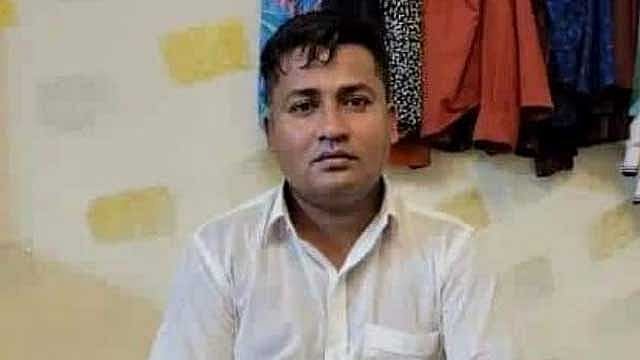
Rakibul, a native of Madaripur, had travelled to Libya with the dream of reaching Europe by crossing the Mediterranean Sea. In Libya, he paid Tk 1.1 million to a human trafficker who put him and several other migrants on a boat. A group of Bangladeshi criminals seized the boat and captured the migrants.
The group, led by labourer-turned-extortionist Sharif Hossain, a 37-year-old native of Cumilla, nicknamed Mafia Sharif, held Rakibul and the others hostage for five months.
Rakibul recounted the trauma and horrors of his life in captivity. He and around 60 others were crammed together in a room fit for 10 people at most. The door would remain locked throughout the day.
They would get nothing more than a piece of bread to eat and the water was barely enough for a sip. Sometimes, they would go days without any food.
The inhumane and unsanitary conditions were aggravated by lice infestations as they spent their days with hardly any sleep in the sweltering heat. On top of that, they were subjected to dehumanising verbal abuse.
They were released with the help of the Bangladesh Embassy in early 2022.
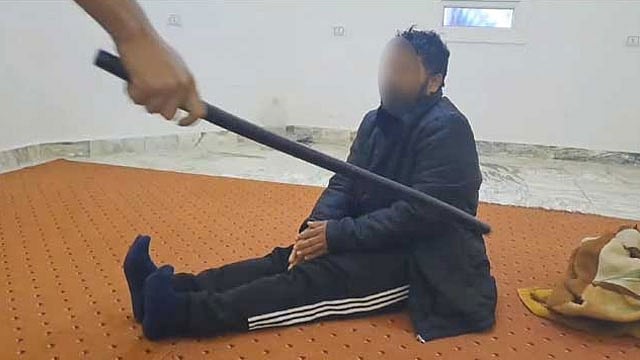
Over the past few years, war-torn Libya has become one of the main gateways to Europe for Bangladeshis in desperate search of a better life. However, some migrants from the South Asian nation have been lured into the North African country's criminal underworld and formed their own extortion and human trafficking rackets to prey on vulnerable migrants.
Chief among them is Sharif, who has grown in notoriety as a trafficking kingpin, say the police in Dhaka.
According to the United Nations High Commission for Refugees (UNHCR), 158,508 refugees and illegal migrants crossed the Mediterranean Sea from Libya to Europe. As many as 22,105 of them were Bangladeshis, the third-most prominent group by nationality after Tunisians and Libyans.
The Global Organized Crime Index, a global crime monitoring platform, has flagged a marked increase in human trafficking activities in Libya in recent years. In the wake of a civil war, some parts of the country remain beyond the government's control, while there are also allegations of state officials profiting from migrant smuggling.
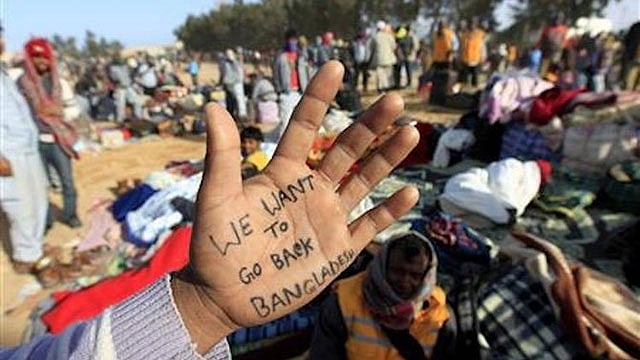
Media reports indicate that the Libyan National Army, led by its supreme commander Khalifa Belqasim Haftar, a Libyan-American politician, controls most of eastern Libya.
According to the Global Crime Index report, there are many mafia-style militia groups operating under different names throughout the country with clearly identifiable leaders. These gangs are well-armed and in addition to their crime empires, they exert more authority than the government in certain areas.
These militia groups have turned Libya into a hotspot for crimes, including human trafficking, posing an omnipresent threat to legal and illegal migrants alike, according to Dhaka police.
They claim that the Libyan police and the large militia groups detain Europe-bound migrants before selling them off to the mafia or traffickers. Brokers, too, sell these immigration aspirants to the mafia if they fail to strike a bargain or sense any danger.
Once the migrants fall into the mafia's clutches, they are left to languish in squalid and overcrowded confines known as 'game houses'.
Several Bangladeshis, including Sharif, 'Monir' and 'Abdullah, have emerged as crime bosses in Libya. Sharif's gang is the largest and its brutality is unparalleled.
Recently, the Counter Terrorism and Transnational Crime Unit (CTTC) of Dhaka Metropolitan Police received intel about Sharif working in tandem with Abdullah and a few others in human trafficking.
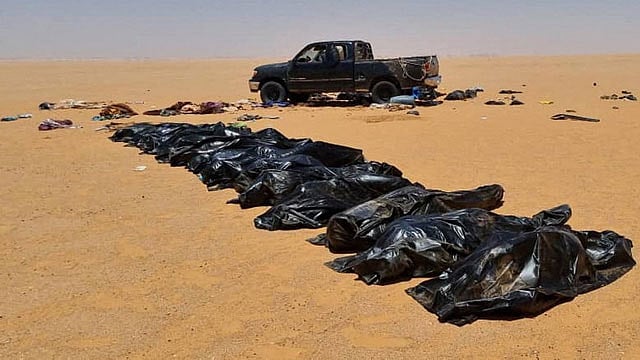
Before gaining infamy, an illiterate Sharif went to Libya to make a living as a worker, according to Touhidul Islam, additional deputy commissioner of the CTTC. He later recruited a few of his compatriots into his syndicate. Enticed by the prospects of a bigger income, many Bangladeshis who toiled hard for a pay of around Tk 40,000-50,000 a month in Libya flocked to Sharif's gang.
Sharif has established a trafficking network spanning across Bangladesh with several brokers at his beck and call, said Touhidul. These brokers bring unsuspecting migrants to Libya via Dubai and Middle-Eastern countries, with the promise of securing their passage to Italy. Sharif's 'game houses' are located in Benghazi and the coastal city of Juara.
Police say that Sharif ‘bought’ many Bangladeshis with dreams of moving to Europe from Libyan law enforcement and militias for Tk 200,000-300,000 before holding them hostage and demanding up to Tk 1 million as ransom from their families in Bangladesh. Some brokers also hand over the migrants directly to Sharif.
The migrants typically pay around Tk 200,000-300,000 to the smugglers, who in some cases allow them to make the payment after they reach Italy, only to end up in captivity where they are subjected to cruelty and torture, videos of which have often surfaced on social media.
On May 28, 2020, 30 migrants, including 26 Bangladeshis, were shot dead in the Libyan town of Mizdah. Eleven of them were from Madaripur. Several cases stemming from the incident were registered back home, leading to a few arrests. But it had no effect on the violence in the ‘game houses’. Even then, scores of young people continue risking their lives and handing over their hard-earned money to brokers to get to Europe.
Sharif's name came to the fore following a criminal case in Bangladesh recently. Sensing police closing in on him, Sharif, his first wife Halima Begum and second wife Jahanara Rikta left the country together on Nov 30 just as the investigators were about to spring into action. Halima reportedly died in Libya later.
ADC Touhidul says that his second wife, Rikta, was responsible for collecting ransoms from the families of those whom Sharif held hostage in Libya. Some other members of Sharif's family are involved in his criminal operation.
Sharif's ‘game houses’ in Libya are confining as many as 150 Bangladeshis, according to the police. Sharif's gang extorted Tk 700,000 to Tk 1 million from each of them. But failure to pay up means the torture will continue.
Madaripur-native Pabel Ahmed says his uncle fell victim to Sharif after travelling to Libya with an aim of migrating to Italy. The family has paid Tk 1.1 million to get him out so far but to no avail. The man had previously paid Tk 1 million to a broker to take him to Libya.
Shariful Hasan, head of BRAC's migration programme, says that 62,000 Bangladeshis have gone to Europe through illegal backdoor routes in the past decade. Studies have so far identified 18 of these routes, the most popular of which is via the Mediterranean. As many as 40,000 Bangladeshis made the hazardous journey across the sea on boats and dinghies, with an estimated 3,000 losing their lives in the process.
BRAC has spoken to about 2,500 people who returned from Europe and Libya in the past few years, according to Shariful. They found that residents of Shariatpur, Madaripur, Dhaka, Munshiganj, Noakhali, Bhairab, Cumilla and Brahmanbaria were mainly taking the risky voyage to Europe.
Each of them spent Tk 300,000-1.5 million to make the trip, wooed by brokers in these districts, who put them in touch with their cohorts in various Middle-Eastern countries. Many of these brokers also communicate directly with aspiring migrants on social media platforms, such as Facebook and IMO, he said.
"Bangladesh police have been able to catch a few local brokers in connection with various incidents. However, nothing can be done about those who are running these rings from Libya, Dubai, Turkey and Tunisia.”
[Writing in English by Turaj Ahmad]