Published : 18 Aug 2026, 03:18 PM
Updated : 08 Sep 2026, 09:33 AM


Rohingya refugees have dismissed Myanmar's latest statement on repatriation as a "drama".
Community leaders say it is aimed at avoiding, rather than delivering, their return.
United Council of Rohingya Representatives President Syed Ullah says Naypyidaw is "staging a drama" to sidestep taking refugees back.
Myanmar, he argues, is effectively blocking repatriation by denying their identity while attaching a string of conditions to any return.
Myanmar's junta government said in a statement on Saturday that more than 300,000 of the Rohingya refugees sheltering in Bangladesh are former residents of Rakhine State, and that it is willing to take them back once the security situation there improves.
They were forced to flee Myanmar after a military crackdown in August 2017.
Naypyidaw's foreign ministry issued its latest statement just as that exodus approaches its ninth anniversary.
The statement refers to the Rohingya community as "Bengali", repeating Myanmar's longstanding position that no ethnic group called "Rohingya" exists within its borders.
Myanmar says it has verified 426,545 names as of Jul 31 from a list of 828,824 people handed over by Bangladesh.
Of these, it has identified 308,797 as former residents of Rakhine state.
A further 4,241 have been flagged as linked to "criminal activities", Myanmar claims, while it says it has been unable to verify 113,507 others.
Bangladesh is yet to respond officially to Myanmar's statement.
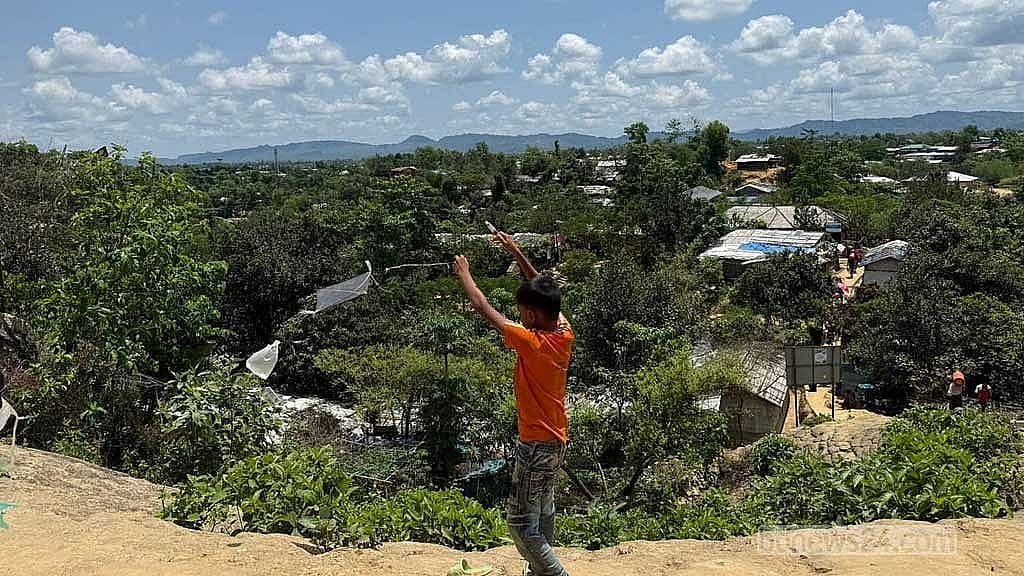
More than 1.2 million Rohingya refugees are currently living along the sprawling Cox's Bazar coastline.
Rahman Nasir Uddin, a refugee expert and anthropology professor at Chittagong University, said the statement shows interest in repatriation on one hand, but on the other, sets out conditions and language that could leave the whole process hanging.
The initiative to take back refugees can be welcomed, but it is crucial for Bangladesh that this figure does not mark the end of the repatriation process, he added.
“If they decide that they'll only take the 300,000 and the rest aren't from here, I think the Bangladesh government needs to speak up on this.”
At least three questions need answers before repatriation begins, according to Nasir Uddin: who will guarantee the refugees' life and safety on return, what legal identity they will hold in Myanmar, and whether they will be able to live there with dignity.
"There's also no clarity on who decides the security situation has 'improved', or by what yardstick. Myanmar, the Arakan Army, Bangladesh or the United Nations, nobody knows who gets to declare the security situation has improved," he said.
With control of Rakhine increasingly shifting to the Arakan Army, the expert said, Myanmar's military and state authorities may be pursuing a separate political goal by taking back 300,000 Rohingya refugees and confining them to areas under their own control.
“There's a politics behind this. We call it 'hidden politics'.”
“Who’ll Go If One Is Called a Criminal?”
Rohingya leader Syed fears Myanmar's verification process itself is being used to create room to block repatriation.
His question: if only 300,000 of more than 1.2 million refugees are found fit to return, and some among them are placed on a "criminal" list, how will the rest of their families go back?
"If one member of a family is on the list, will anyone else from that family go?" he asked.
He says the question of identity has long sat at the heart of the crisis, and Myanmar's refusal to recognise their identity could see the same crisis resurface even after repatriation.
Syed Ullah also views Myanmar's "improved security situation" condition as a major roadblock to return.
"We believe they won't let the situation normalise even in 50 years. They'll keep holding on to this state of affairs. How are we supposed to go back then?
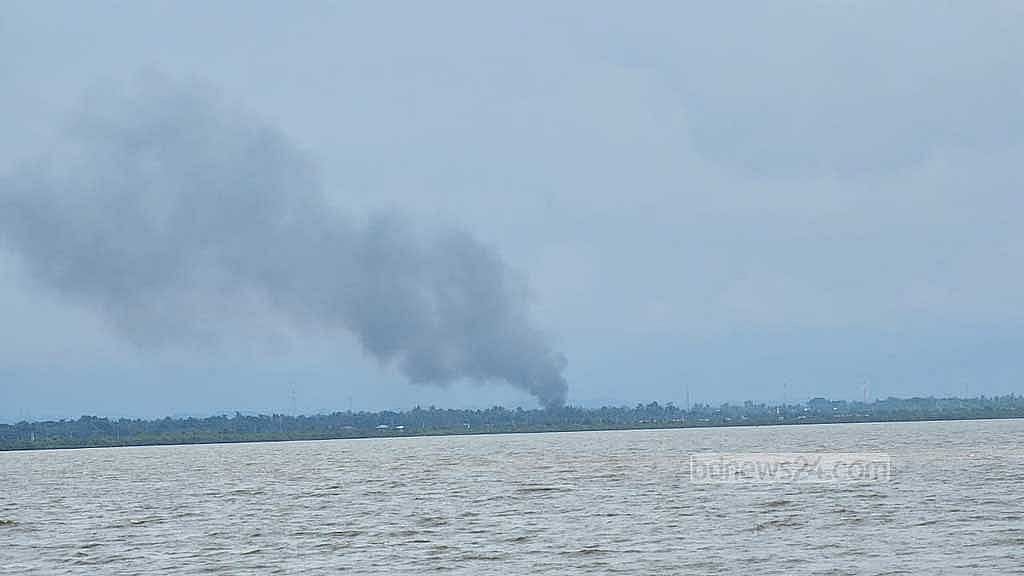
'Modern Village' Plan
Referring to the 2018 Bangladesh-Myanmar agreement, Syed said where Rohingya would live after repatriation was another concern.
He said Myanmar’s plan refers to returning them to their “original homeland or nearest of it”, while also proposing facilities known as “modern villages” surrounded by barbed-wire fences.
He compared such arrangements with camps or detention centres.
“When there are such camps in Myanmar, they can be called concentration camps or detention centres.”
The Rohingya leader also said large numbers of Rohingya had been living in camps in Rakhine’s Sittwe since 2012.
He said Rohingya could also risk being identified as foreigners rather than citizens if they are required to go through Myanmar’s National Verification Card, or NVC, system.
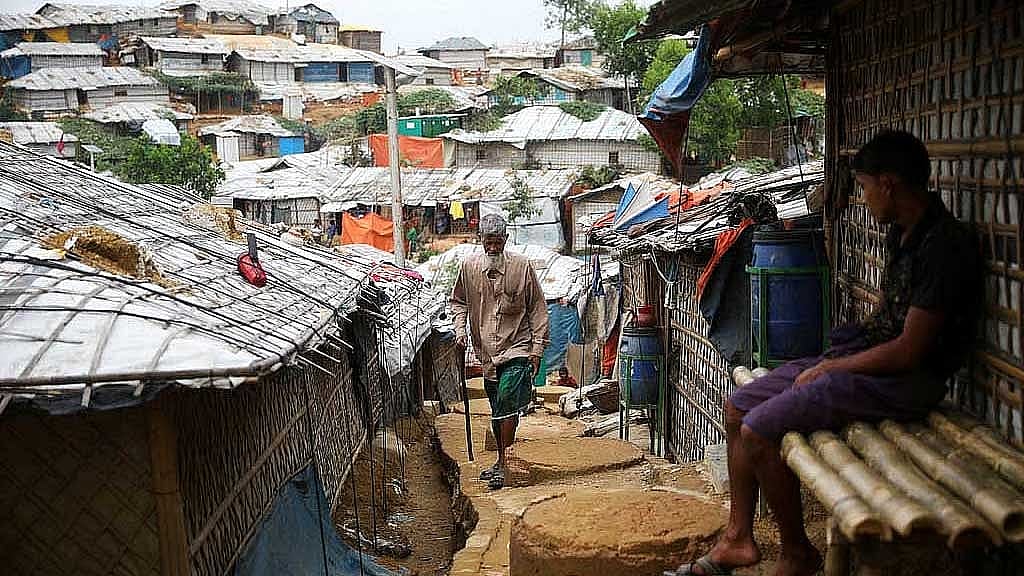
‘Bangladesh Did Not Produce This Data Alone’
Refugee Relief and Repatriation Commissioner Mizanur Rahman explained Bangladesh’s position on the figures provided by Myanmar.
On Myanmar referring to Rohingya as “Bengalis”, he said that was Myanmar’s definition, while Rohingya themselves did not consider themselves Bengali.
Bangladesh also does not know what information Myanmar used as the basis for its claim, he said.
Mizanur said Bangladesh handed over information on around 824,000 Rohingya to Myanmar in 2018.
The number of families and their members has since increased, with more than 1.2 million Rohingya now living in Bangladesh.
He said the data was not produced by Bangladesh alone.
“This is a joint verification process. Bangladesh and the United Nations do it together. So this is not our data alone,” he added.