Home
+
Published : 05 Jun 2026, 01:53 AM
Key takeaways
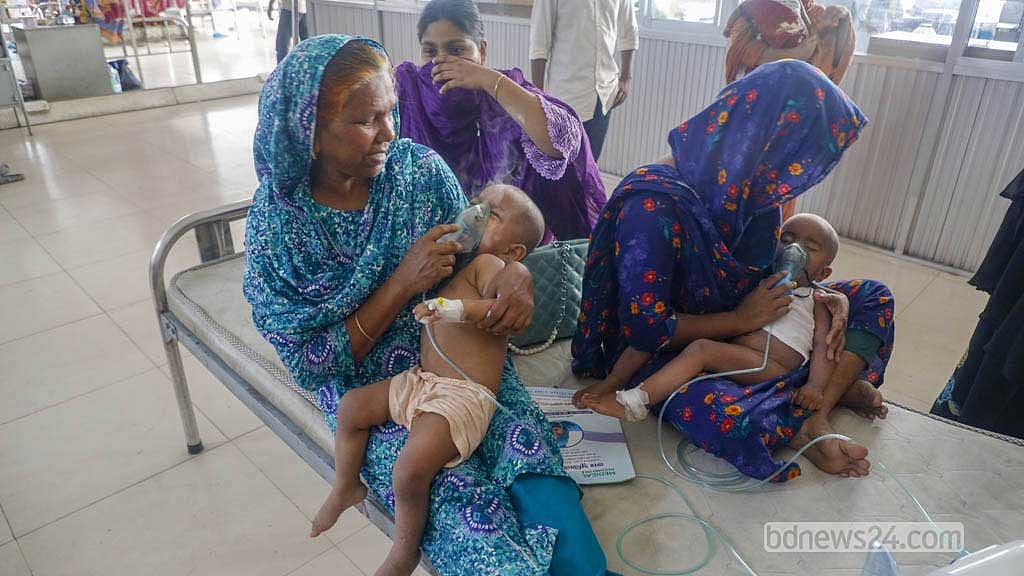
• The health directorate says 605 children have died with measles or measles-like symptoms in 81 days since Mar 15.
• Only 91 are listed as lab-confirmed measles deaths; 514 are recorded as “suspected” measles, a breakdown experts call confusing.
• Vaccine and immunisation specialists say all symptom-linked child deaths should be counted as measles during an outbreak.
• The government says it is not conducting formal “death reviews” for measles deaths, unlike during Covid and dengue.
• A national vaccination drive has covered 18.4 million children, amid warnings of vaccine shortages and questions over procurement.
Bangladesh’s measles outbreak has triggered a growing dispute over how many children have died, with experts accusing officials of publishing “confusing” figures that may understate the true toll.
The Directorate General of Health Services (DGHS) says that between Mar 15 and Thursday, 605 children died after contracting measles or developing measles-like symptoms.
Its bulletin lists 91 deaths as lab-confirmed measles. The remaining 514 are recorded as deaths from “suspected” measles - more than five times the confirmed figure.
Experts say that distinction is misleading during an outbreak.
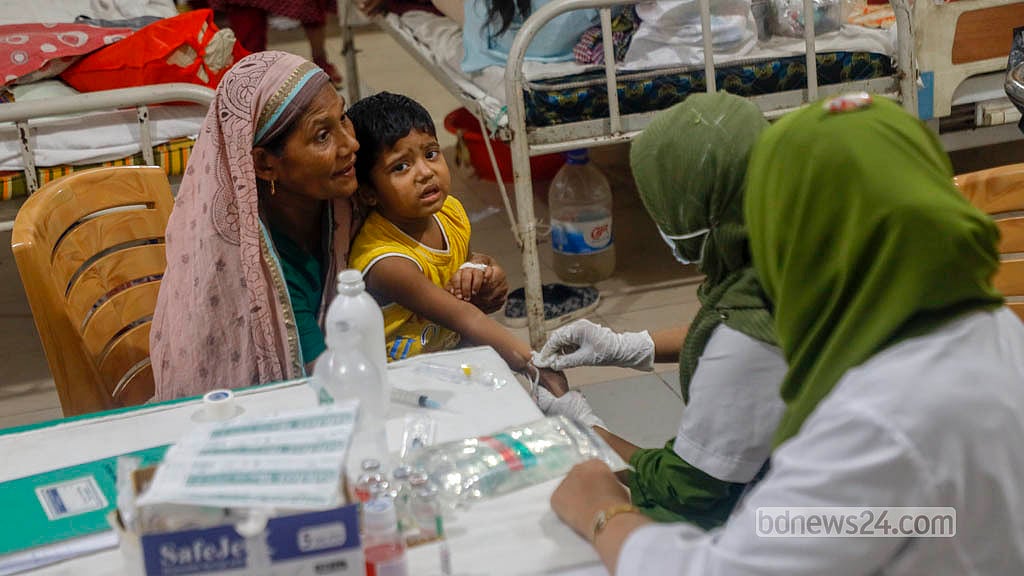
An expert who attended a joint meeting of the National Verification Committee (NVC) and the National Immunisation Technical Advisory Group (NITAG) on Apr 12 told bdnews24.com that specialists agreed all child deaths with measles symptoms should be counted as measles deaths in the current situation.
“We have said many times that all deaths of children with measles symptoms should now be counted as measles deaths,” the expert said. “That is the resolution during an epidemic.”
NVC Chair Professor Mahmudur Rahman said, “Given the measles situation in the country, those who die after showing even minimal measles symptoms are also dying of ‘confirmed’ measles. But why the DGHS is calling them ‘suspected’ is not clear.”
Professor Benazir Ahmed, a former DGHS disease control director, called the “suspected” category “confusing”. He said the term “probable measles” would be more appropriate if officials are relying on clinical signs without a lab test.
DGHS Director General Dr Provat Chandra Biswas defended the method, saying only test-confirmed cases were being listed as measles deaths.
He said some patients come to hospital with measles symptoms, recover from measles, and later die from other complications. “They cannot be described as measles deaths,” he said.
But public health specialist Dr Mushtaq Hossain, a former advisor to the Institute of Epidemiology, Disease Control and Research (IEDCR), said these deaths could still be recorded as “probable” measles.
How the Outbreak Exploded
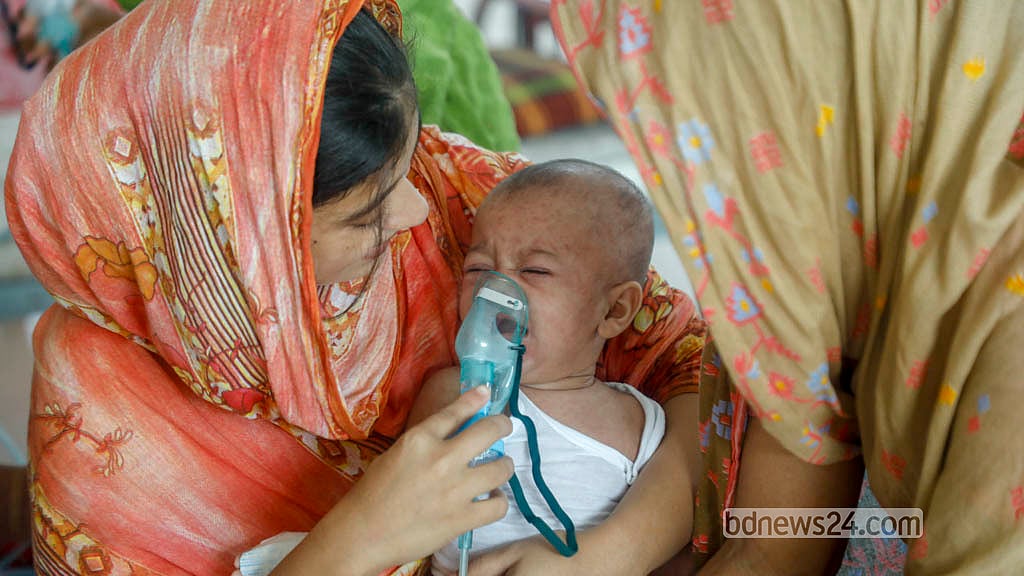
The first measles cases were identified in January in Rohingya camps in Cox’s Bazar.
By late February, patients with measles symptoms were being reported in different regions, and by the second week of March the disease had spread widely across the Rajshahi region.
Public concern intensified after reports emerged of 33 child deaths in 11 days at Rajshahi Medical College Hospital amid a shortage of intensive care unit (ICU) facilities.
Media reports indicated that more than 10 of the dead children had measles.
By Mar 18, health authorities had confirmed infections in 44 children in Rajshahi Division.
Cases were also detected in Mymensingh.
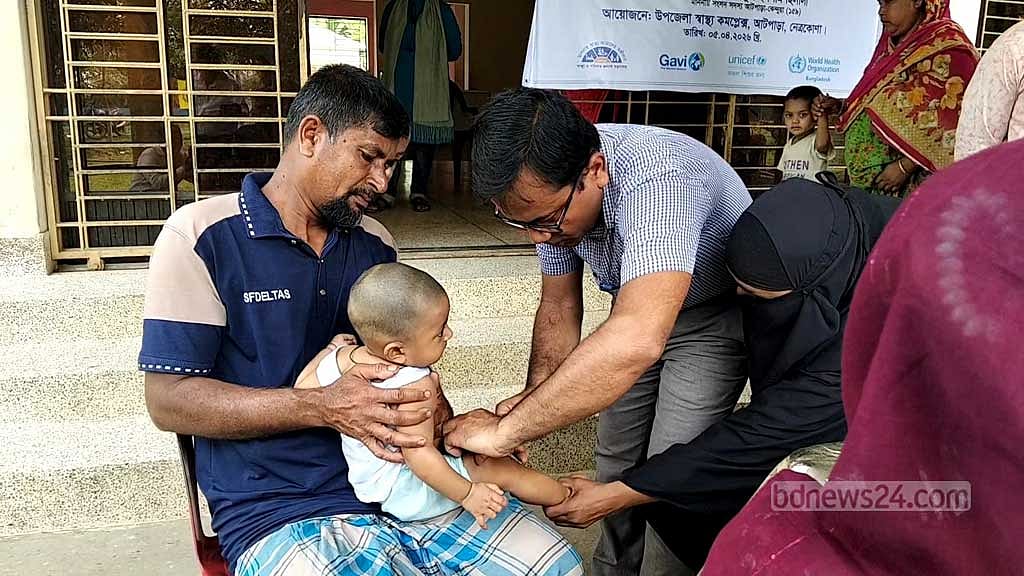
Expressing anger over the deaths on Mar 28, Health and Family Welfare Minister Sardar Md Sakhawat Husain said: “Thirty-three children -- 33 babies -- died in 11 days, and we were not informed that there were no ventilators. It is extremely unfortunate. The hospital director should be put on the gallows.”
A physician at Bangladesh Shishu Hospital and Institute, speaking on condition of anonymity, said the first infections this year were reported in Rohingya camps and later in Dhaka slums.
By mid-March, deaths involving measles and measles symptoms began increasing rapidly before the outbreak spread nationwide.
On Apr 23, WHO published an assessment of the situation in Bangladesh, warning that the country faced a high risk from measles.
The report said transmission had spread to 58 of the country’s 64 districts.
The assessment also highlighted immunity gaps caused by insufficient vaccination coverage.
Expanded Programme on Immunisation (EPI) officials, public health experts and physicians say inadequate vaccination in recent years, along with malnutrition and other factors, contributed to the resurgence.
Children aged between 9 and 15 months are routinely given two doses of measles vaccine.
Additional nationwide campaigns used to be conducted every four years, but the programme was not held in 2024 because of political instability.
A similar campaign was also cancelled in 2020 due to the COVID-19 pandemic.
Routine immunisation programmes were disrupted during the political unrest of 2024 as well.
Vaccination Drive And Vaccine Shortage Concerns
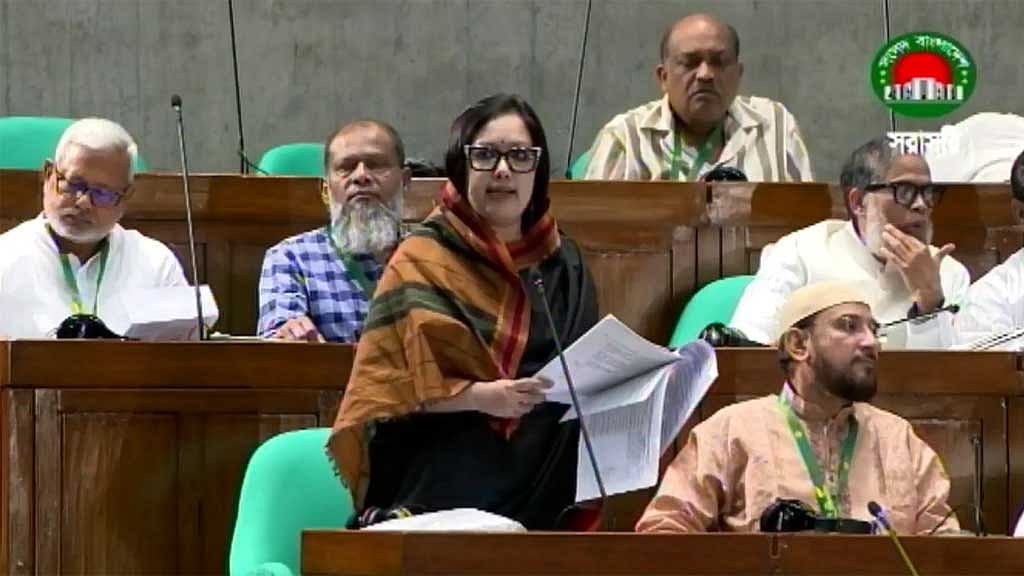
Amid growing criticism over rising deaths, an emergency measles-rubella vaccination campaign began on Apr 5 in 30 Upazilas across 18 high-risk districts.
The first phase targeted approximately 1.203 million children, covering all children aged six months to under five years (up to 59 months).
Vaccination was later expanded to the two Dhaka city corporations, as well as Barishal and Mymensingh city corporations, from Apr 12.
The DGHS said 18.4 million children were vaccinated nationwide between the launch of the campaign and May 20.
On the final day of the campaign, UNICEF Representative to Bangladesh Rana Flowers said the organisation had sent five or six letters to the health ministry and held at least 10 meetings warning about vaccine shortages.
Flowers said she had also written to then health advisor Nurjahan Begum on Feb 10, two days before the national election, warning of an “impending vaccine shortage”.
Although the letter was sent during the final period of the interim government, Flowers said it was not the first such warning.
Until 2024, Bangladesh procured vaccines directly through UNICEF, with donor funding providing the main financial support.
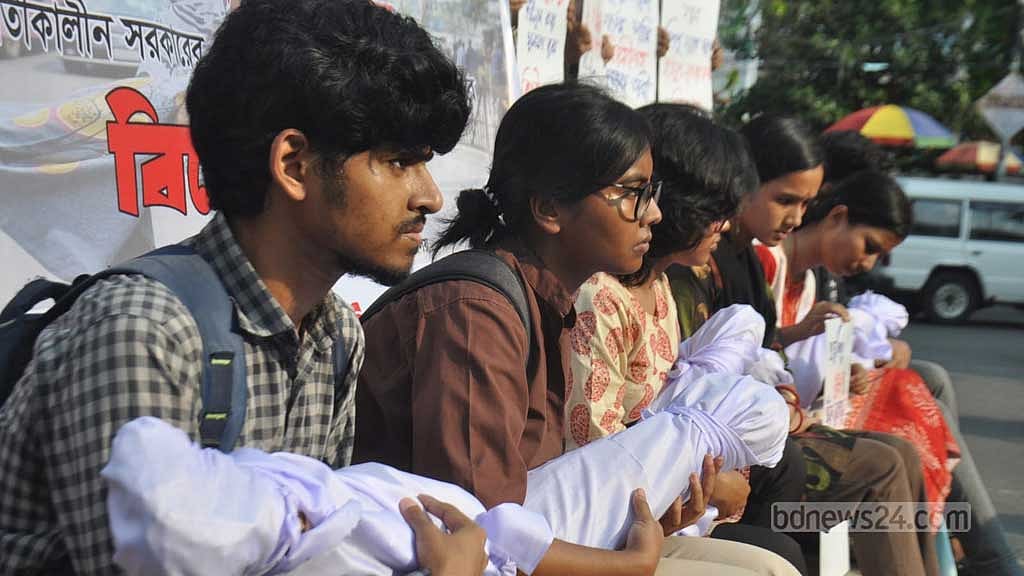
In 2025, however, the interim government led by Muhammad Yunus moved vaccine procurement under the revenue budget and initiated an open tender process.
Demonstrations have since been held demanding the trial of Yunus and Nurjahan over the failure to procure measles vaccines.
On May 19, the High Court issued a rule asking why a commission should not be formed to investigate child deaths linked to the measles outbreak.
The writ petition was filed on May 17 by Supreme Court lawyer M Ashraful Islam.
The court directed the cabinet secretary, health secretary, home secretary, public administration secretary, DGHS director general and other relevant officials to respond within four weeks.
Health Secretary Kamruzzaman Chowdhury has said an investigation will examine whether negligence contributed to the deaths and vaccine shortages.
Media reports have also indicated that the government has informally requested WHO to conduct an independent inquiry.
How Many Children Have Actually Died?
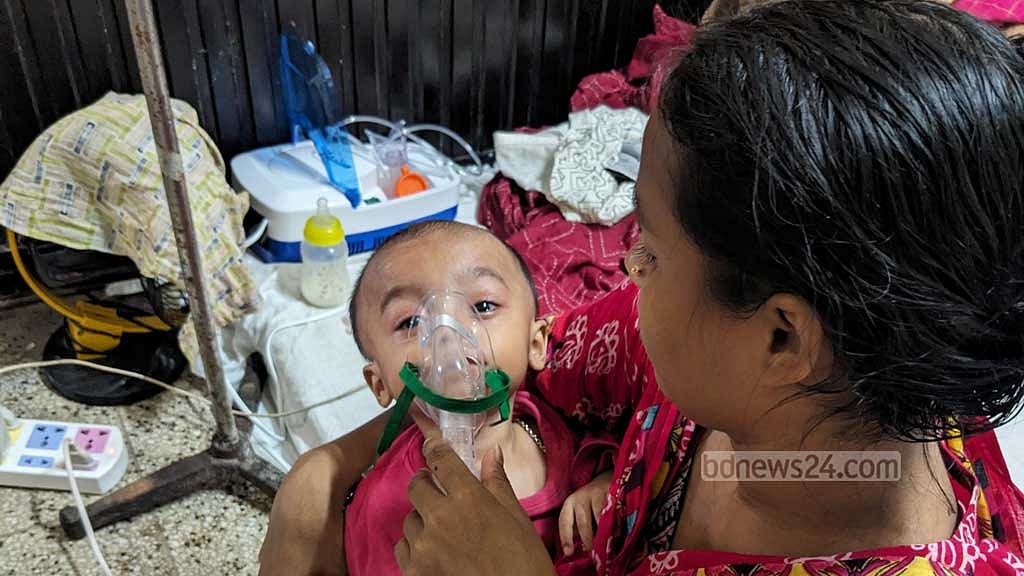
Between Mar 15 and Thursday, 605 children died from measles or measles-like symptoms across Bangladesh over 81 days.
Of them, 91 deaths were recorded among confirmed measles patients, while another 514 were classified by the DGHS as “suspected measles” deaths.
On May 4 and May 25 alone, 17 children died on each day, meaning more than seven children died on average every day during the period.
Several experts have challenged the DGHS classification of “suspected” measles deaths.
At the Apr 12 meeting of the NVC and the NITAG, experts agreed that, given the current outbreak, all deaths involving measles symptoms should be considered measles deaths.
The continued publication of separate “suspected measles” death figures by the DGHS, despite that expert consensus, has raised questions about the true death toll. It has also prompted debate over whether deaths occurring before Mar 15 have been fully accounted for.
A specialist who attended the NVC-NITAG meeting, speaking on condition of anonymity, told bdnews24.com: “We have repeatedly said that all children dying with measles symptoms should be counted as measles deaths. That is the accepted approach during an epidemic. Why the DGHS continues to present the figures differently is unclear.”
Former DGHS Disease Control Director and public health expert Prof Be-Nazir Ahmed described the “suspected” death category as “misleading”.
Speaking to bdnews24.com, he said: “Those who die with symptoms during a measles outbreak are, in reality, dying from measles. If the DGHS wants to rely strictly on laboratory confirmation, it could classify them as ‘probable’ measles deaths. Why it instead uses the term ‘suspected’ is difficult to understand.”
DGHS Director General Prof Pravath Chandra Biswas defended the classification.
“We identify confirmed measles deaths based on laboratory results. Many patients arrive at hospital with measles or measles-like symptoms, recover from the infection, and later die from other complications. Those deaths cannot automatically be attributed to measles. That is why we classify them as suspected deaths,” he said.
Former Institute of Epidemiology, Disease Control and Research (IEDCR) advisor and public health expert Dr Mushtuq Husain, however, said the cases would be more appropriately described as “probable” deaths.
Will There Be A Death Review?
Bangladesh previously conducted death reviews during the COVID-19 pandemic through a joint effort involving the DGHS, IEDCR and the World Health Organization. Similar reviews have also been carried out for dengue deaths.
No such process is currently underway for measles, according to Prof Pravath.
That raises a key question: if hundreds of children classified as suspected measles deaths are not being formally reviewed, how will authorities determine whether they died from measles or another illness?
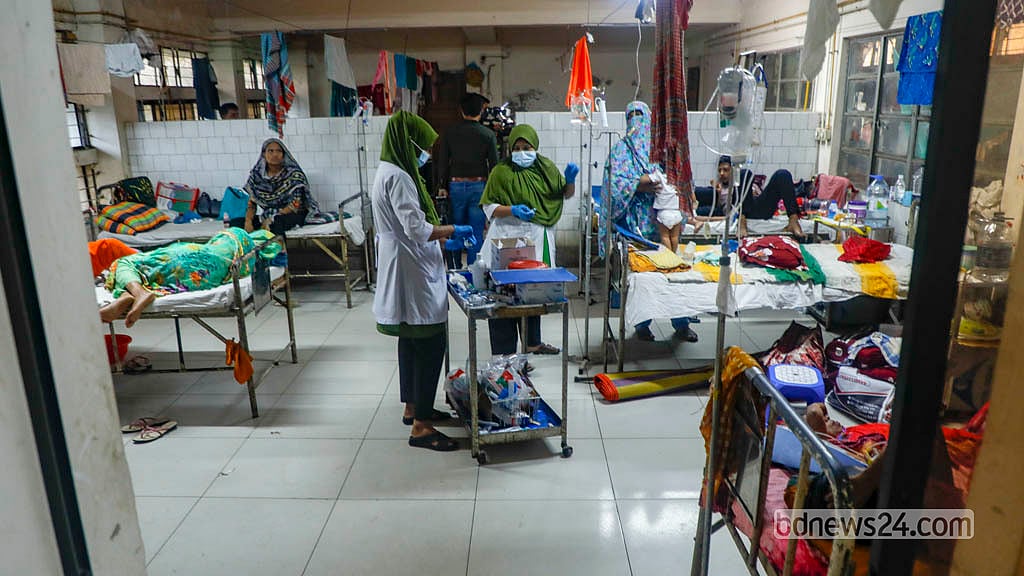
Md Sohel from Gazipur said his seven-year-old daughter Samia died in early May.
“Her death certificate says pneumonia, but she spent more than three days in intensive care with measles before she died. Doctors said it was measles, but I never learned the test result. I want to know what disease actually caused my daughter's death,” he said.
The DGHS has so far released detailed information on 60 child deaths linked to the outbreak.
An analysis of the data shows that 31 of the children were boys and 29 were girls. Forty-eight died in Dhaka and 12 elsewhere in the country.
The age profile reveals the vulnerability of very young children.
Four were aged three months, five were four months old, two were five months old, four were six months old, seven were seven months old and seven were eight months old.
The list also includes three children aged nine months, eight aged 10 months, four aged 11 months, two aged 12 months, two aged 13 months, two aged 15 months and one aged 16 months.
Among older children, one was aged two years, two were 27 months old, one was 30 months old, two were three years old, one was 42 months old, one was 51 months old and one was nine years old.
Hospital records show that five children died on the day they were admitted, nine died within one day of admission and another nine died within two days.
The death list includes children who died at Sher-e-Bangla Medical College Hospital in Barishal, Shaheed Suhrawardy Medical College Hospital, Infectious Diseases Hospital, Bangladesh Shishu Hospital and Institute, and Padma General Hospital in Dhaka. However, admission dates for those cases were not included.
Prof Be-Nazir said every suspected death should undergo a formal review.
“During an epidemic, preserving as much information as possible about deaths is crucial. It helps prevent future deaths and improves understanding of the outbreak,” he said.
“Information on vaccination status, nutrition and the physical condition of the deceased children should be systematically recorded.”
DGHS DG Pravath said conducting death reviews was not straightforward.
“We are preserving various data and records. Neither NITAG nor our advisory bodies have formally recommended such a review. Therefore, the DGHS is not carrying out any specific programme on this issue at present. However, icddr,b is conducting work related to measles,” he said.
Could The Outbreak Last Longer?
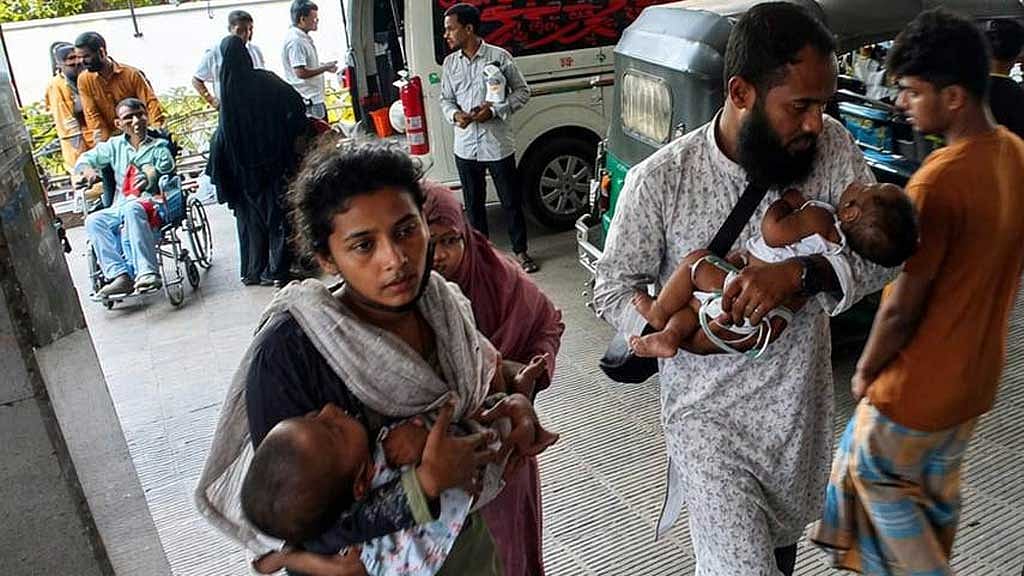
From Mar 15 to Thursday, Bangladesh recorded 8,772 confirmed measles cases and 61,194 hospital admissions. The number of suspected measles cases has exceeded 75,000.
Combining confirmed and suspected cases, Dhaka Division has recorded 35,580 patients, 265 deaths and 25,516 hospital admissions.
Rajshahi Division has reported 6,681 cases, 87 deaths and 5,606 hospital admissions.
Sylhet Division has recorded 3,810 cases, 64 deaths and 3,362 hospital admissions.
Barishal Division has reported 6,944 cases, 56 deaths and 6,259 hospital admissions.
In the Chattogram Division, 56 deaths have been recorded among 12,454 patients, while hospital admissions have reached 11,605.
Mymensingh Division has recorded 3,261 cases, 49 deaths and 2,931 hospital admissions.
Khulna Division has reported 5,573 cases, including 22 deaths, and 5,147 hospital admissions.
Rangpur Division has recorded 1,477 cases and seven deaths, with 768 patients admitted to hospital.
Dr Mirza Md Ziaul Islam, director of Bangladesh Shishu Hospital and Institute, said vaccination coverage has now been expanded across the country.
“Children nationwide have now been brought under the vaccination programme. With continued caution, the outbreak should begin to decline quickly,” he said.
Public health expert Dr Mushtuq warned that the outbreak remains at its peak.
“We are currently passing through the peak transmission period. Unless maximum vigilance is maintained, this phase could be prolonged,” he said.