Published : 11 Mar 2026, 07:02 AM
Updated : 21 Aug 2026, 03:27 PM


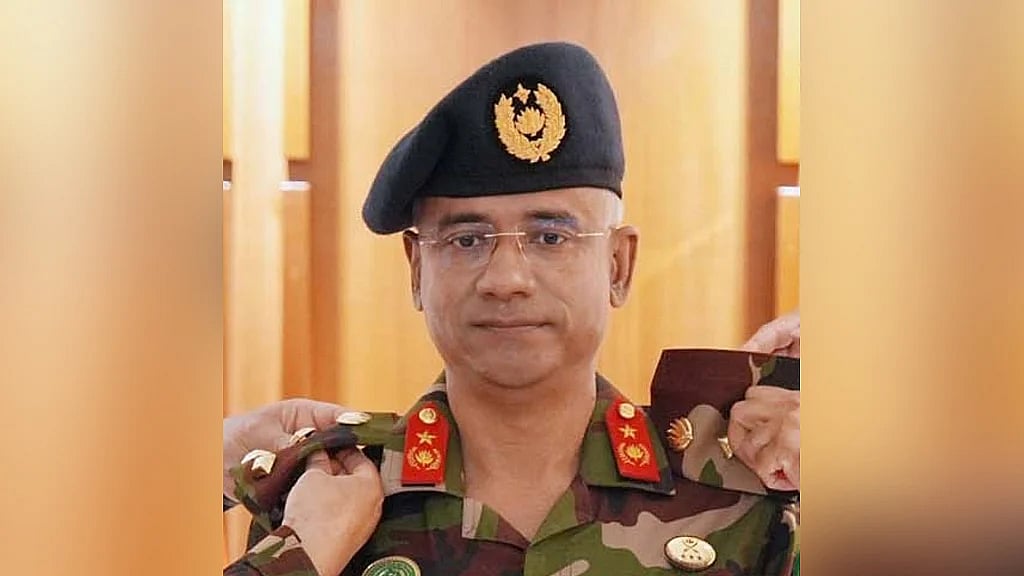
In a significant move toward normalising relations, Bangladesh's military intelligence chief Maj Gen Mohammad Kaiser Rashid Chowdhury has recently concluded a "hush-hush" visit to New Delhi to hold high-level talks with India’s top security leadership.
The visit, reported by Indian news outlet The Print, marks the first major security outreach from Dhaka since Prime Minister Tarique Rahman took office on Feb 17.
Maj Gen Kaiser, the director general of the Directorate General of Forces Intelligence (DGFI), met with Parag Jain, chief of India’s external intelligence agency Research & Analysis Wing (R&AW), and Lt Gen RS Raman, India’s Director General of Military Intelligence (DGMI).
Sources familiar with the matter told The Print that the officials reached an understanding to ensure neither country’s territory is used by elements “inimical to the other”.
The meetings also aimed to reopen communication channels that had remained largely frozen for over 18 months.
While political and economic ties frayed under Muhammad Yunus-led interim administration, the new government under the Bangladesh Nationalist Party (BNP) appears keen on recalibration.
Maj Gen Kaiser was appointed DGFI chief on Feb 23 as part of a wider reshuffle of the armed forces’ upper echelons.
Communication between the two neighbours had been largely restricted to the National Security Advisors (NSA) since the ouster of prime minister Sheikh Hasina in August 2024.
Current Foreign Minister Khalilur Rahman, who served as NSA in the previous cabinet, reportedly maintained contact with India’s NSA Ajit Doval during the transition period.
New Delhi has increasingly indicated its willingness to engage with the Tarique-led government.
On Dec 31, 2025, Indian External Affairs Minister S Jaishankar met Tarique in Dhaka.
India further signalled its intent by sending Lok Sabha Speaker Om Birla and Foreign Secretary Vikram Misri to attend Tarique’s inauguration last month.
The DGFI chief’s visit, ostensibly made on “medical grounds”, comes amid India’s concerns that any instability in Bangladesh could spill over into its Northeastern states.
Despite the thaw, several diplomatic thorns remain.
India continues to house Hasina, who was sentenced to death in absentia for the crackdown on the 2024 student-led protests.
However, Mirza Fakhrul Islam Alamgir, minister for local government, rural development and co-operatives, recently told The Hindu that ties would not be held "captive" by Hasina's fate.