Published : 21 Feb 2026, 03:05 PM
Updated : 28 Aug 2026, 01:32 AM


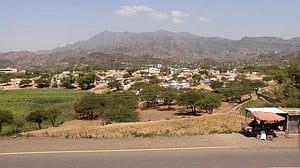
A script devised by a teenage boy in the hills of Bandarban in the early 1980s has quietly crossed into the digital age, finding a place on Google Play and computer keyboards in a rare survival story at a time when linguists warn that one language disappears every day.
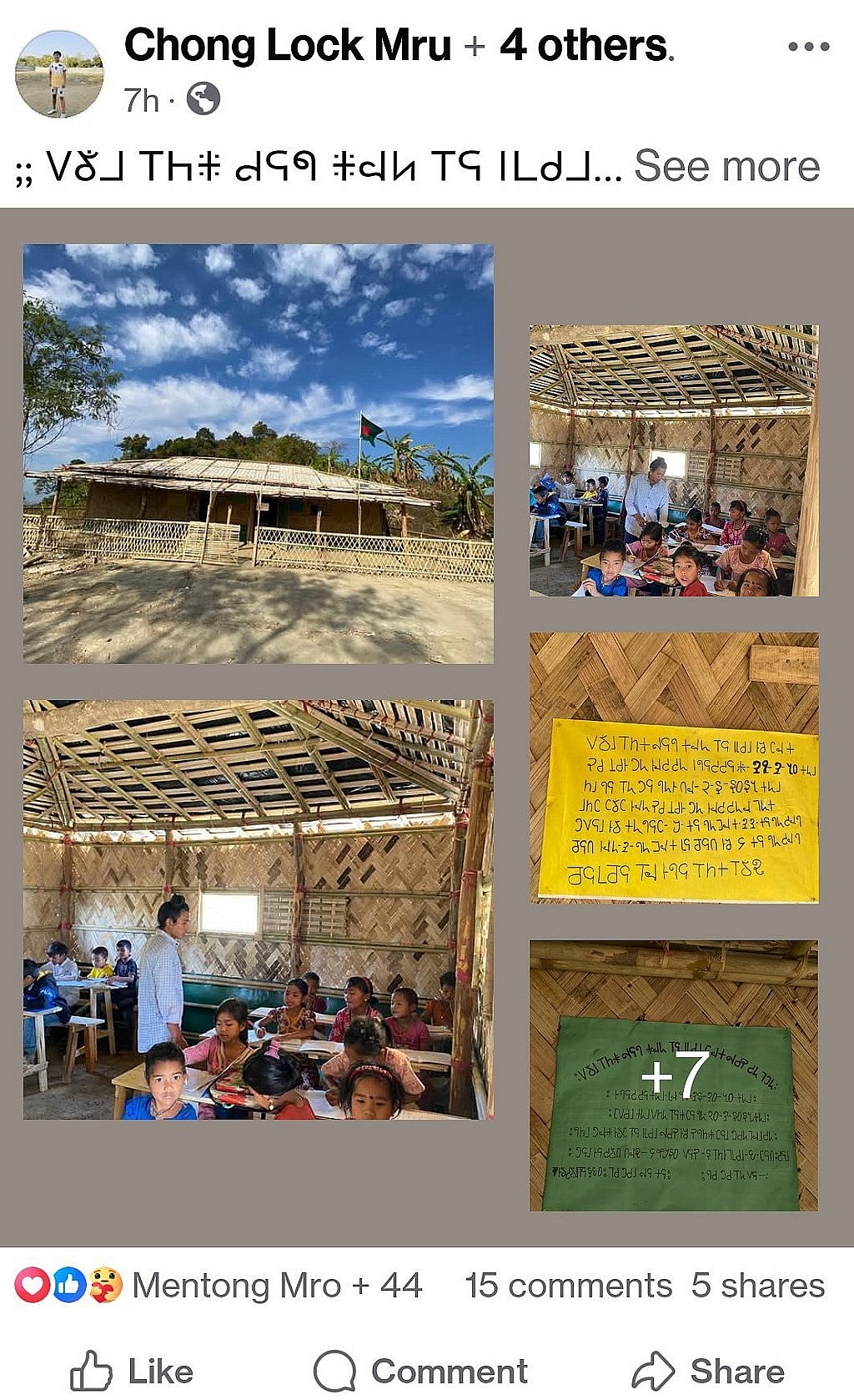
The Mro language, once transmitted only through speech, is now written, printed and shared online. Books are published in its script, essays and stories appear in magazines, and villagers — from students to jhum cultivators — post in their mother tongue on Facebook.
Until a few years ago, Mro could be written only with pen and paper. Today, it exists on smartphones, laptops and social media platforms, offering new life to a language long regarded as endangered.
Language specialists say the shift to digital platforms has opened possibilities not only for Bangladesh’s Mro community, but also for Mro speakers across the border in Myanmar’s Rakhine and Shan states, who now use the same alphabet.
The Teenage Creator Who Vanished
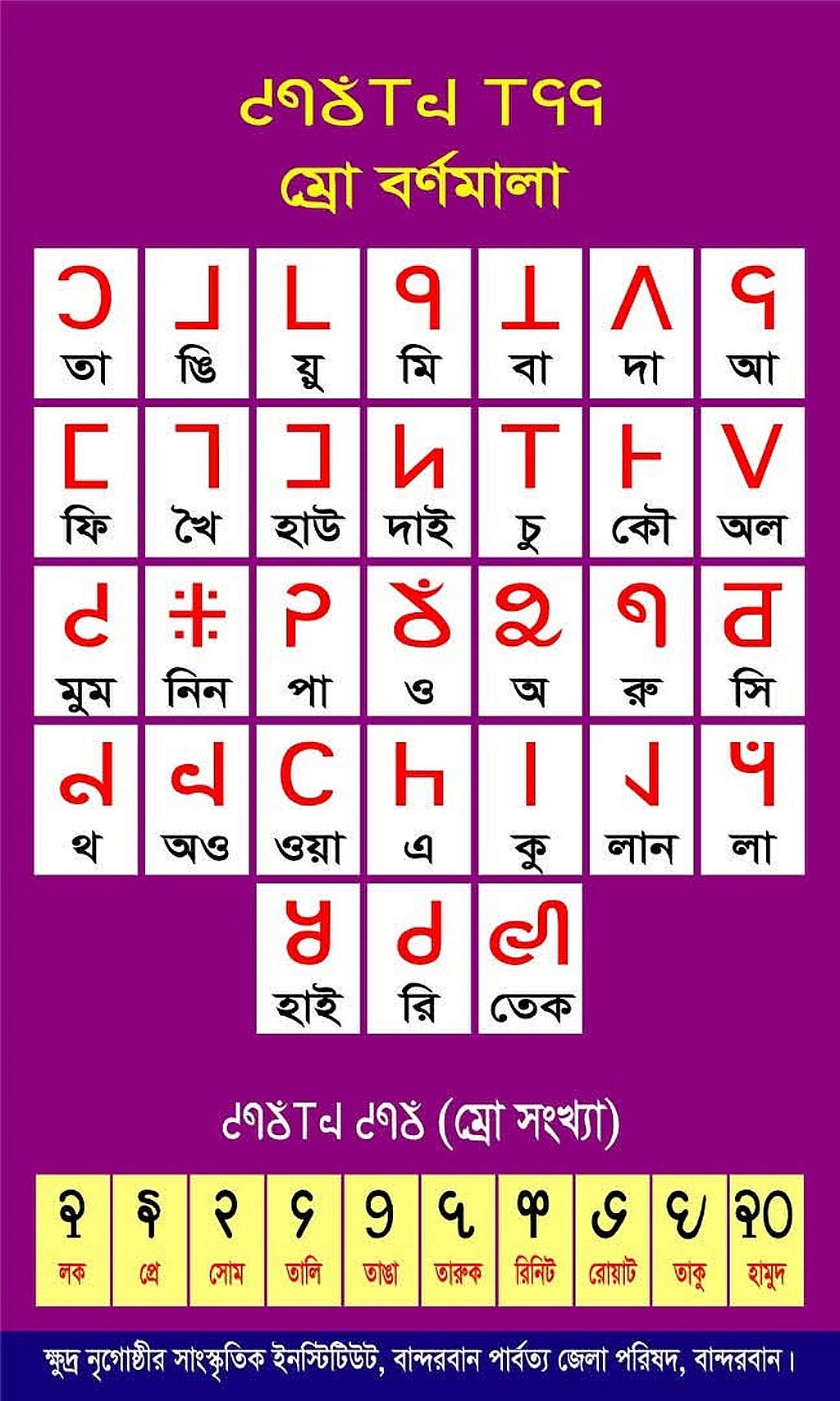
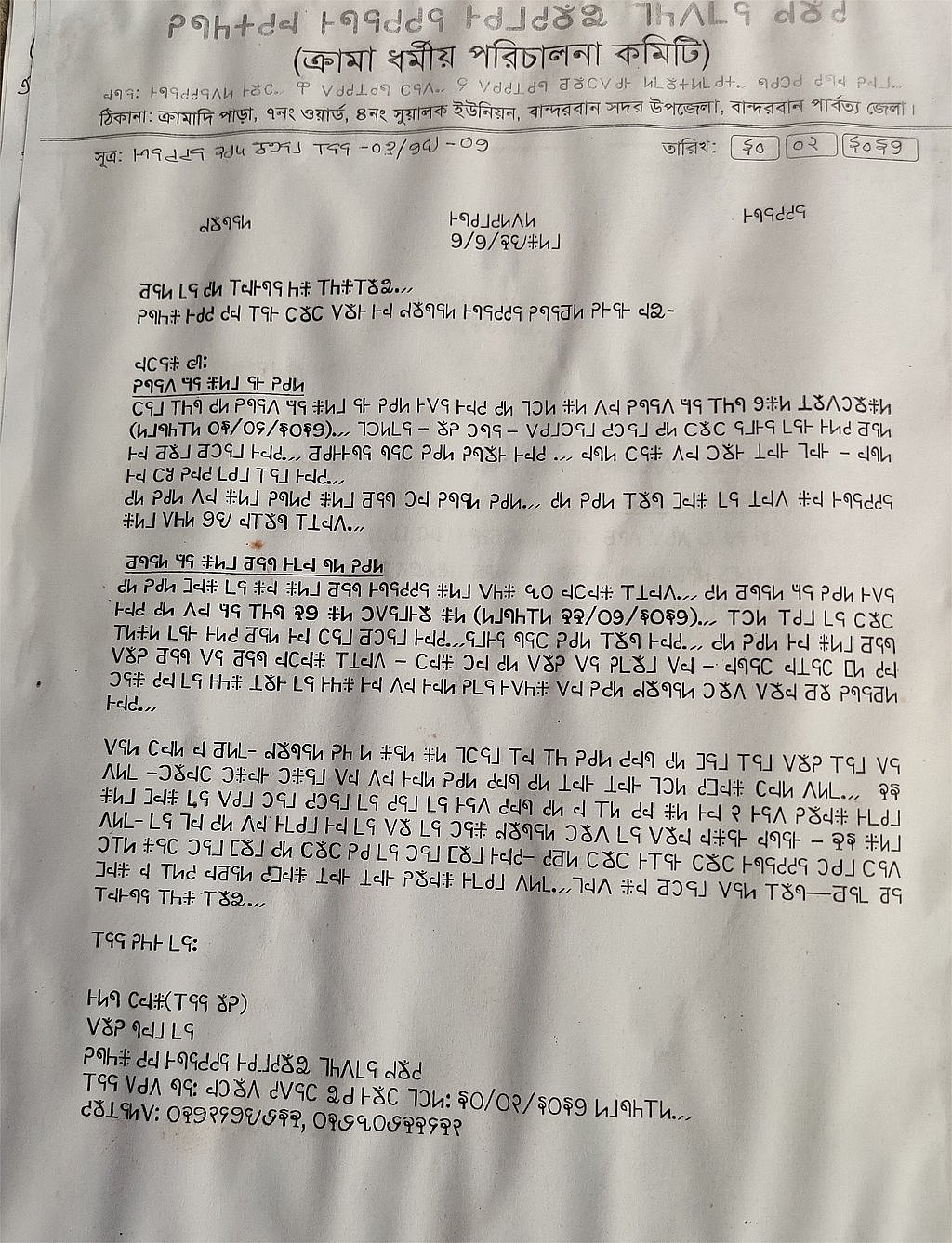
The Mro alphabet was created in 1982 by Menley Mro, a 17-year-old student from Krama-di Para on the Chimbuk hills in Bandarban’s Tangkabati Union. At the time, he was studying in Class Five at a local residential school, the extent of his formal education.
Before introducing the script, Menley also established the Krama religion, a distinct spiritual system for the Mro people with its own social codes. Until then, Mro communities were largely nature worshippers or Buddhists.
After devising the alphabet, Menley travelled from village to village, setting up informal schools to teach it. Community-run Mro language education committees emerged across hill settlements.
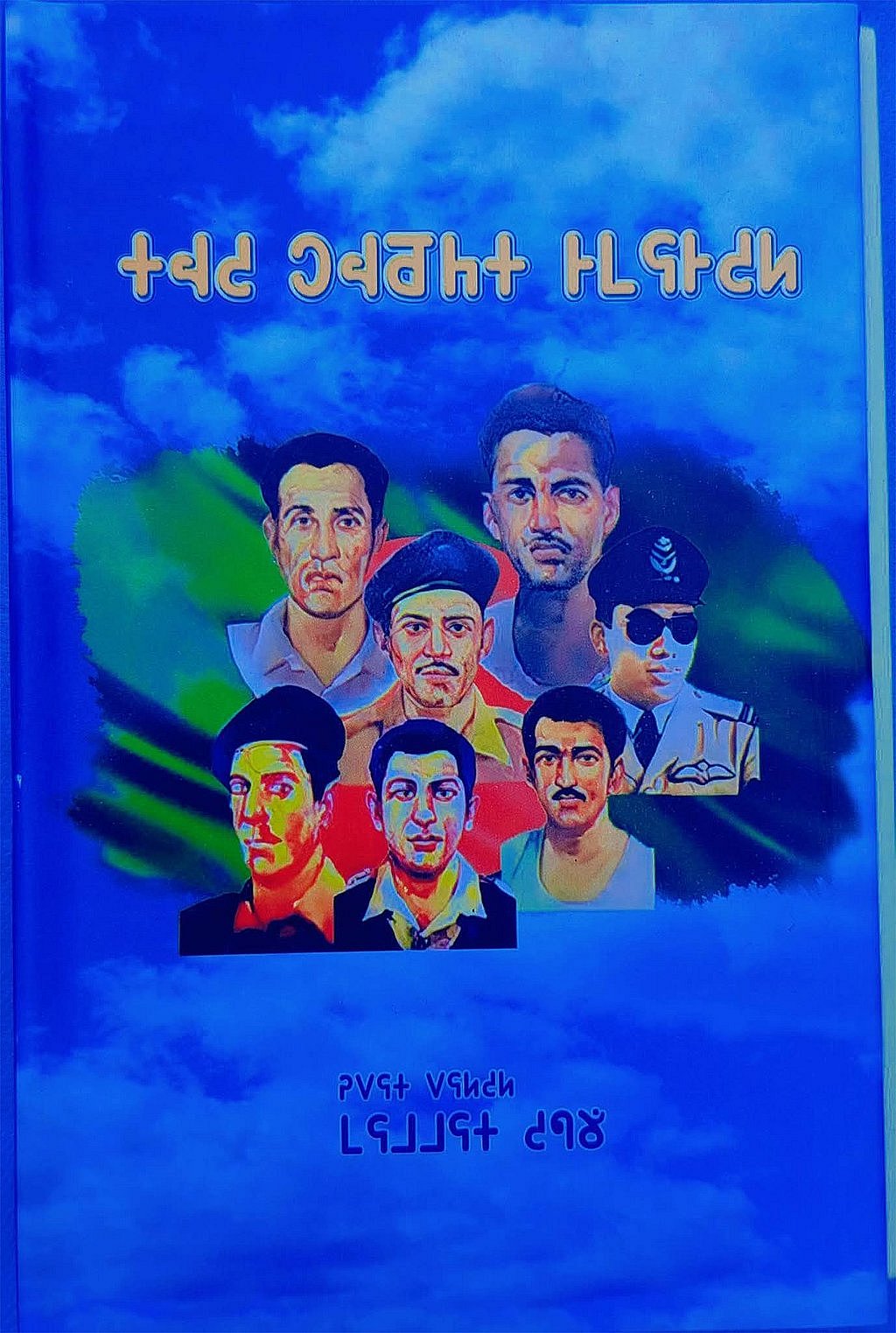
Then, in 1984, at the age of 19, Menley Mro disappeared without a trace. He has never been found. Many within the Mro community believe he will one day return.
Before vanishing, he trained five disciples, who continued teaching the script. Their efforts ensured the alphabet survived, quietly spreading across remote villages and eventually beyond Bangladesh’s borders.
From notebook to Google Play
In recent years, Bangladesh’s ICT Division launched a project to bring endangered indigenous languages into the digital space.
Working with Friends of Endangered Ethnic Languages (FIEL), linguist and language technologist Samar N Soren helped develop keyboard layouts for six languages: Chakma, Marma, Mro, Santali, Mahali and Malto.
After three years of development, the keyboards were released on Google Play on Jan 16 under the name Uboard.
“Now anyone can download it and write in their own language,” Soren said. “This makes daily language practice easier. But community engagement is essential. Technology alone cannot save a language.”
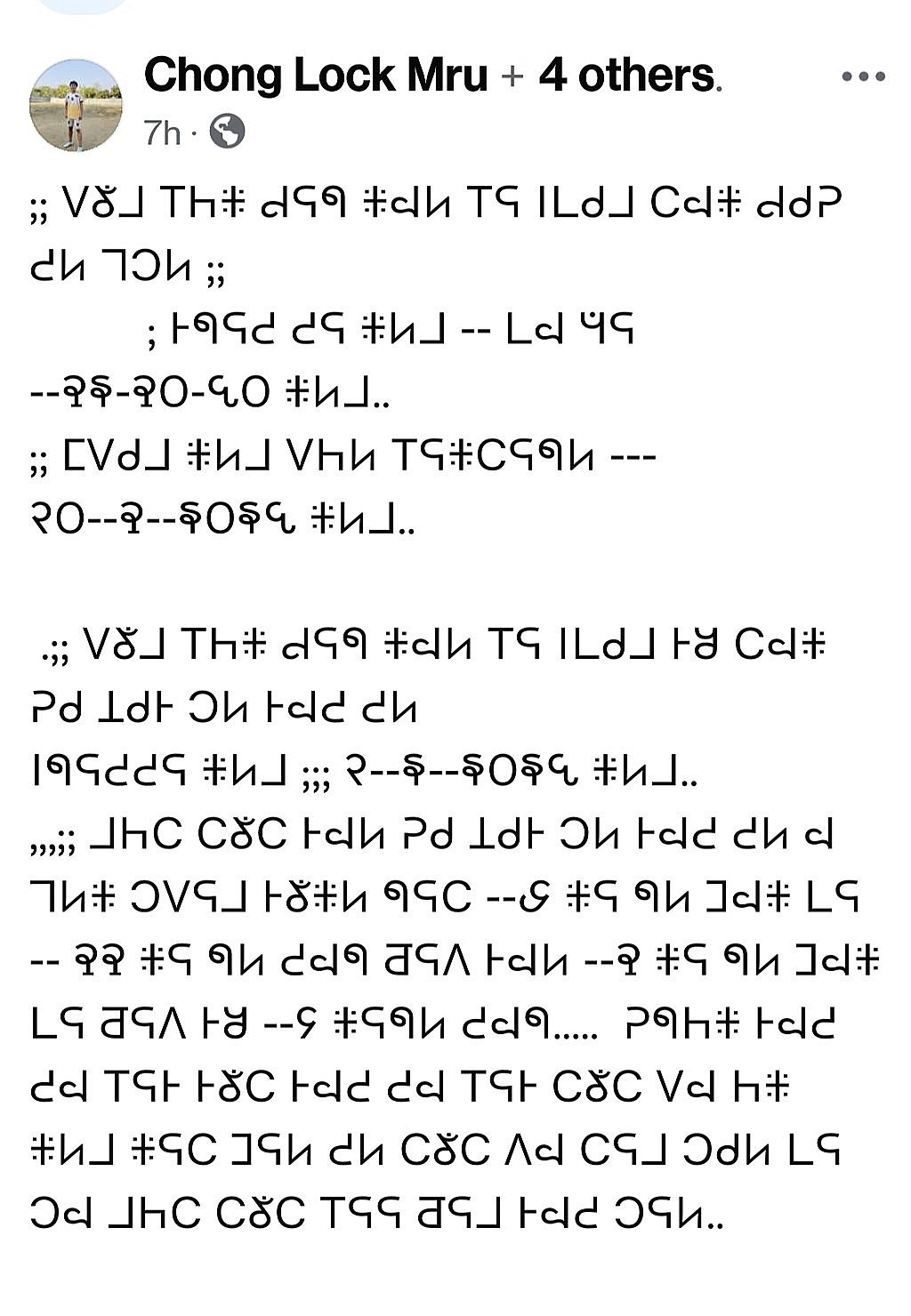
Before Uboard, Mro speakers relied on an older app called Keimen, developed by a foreign programmer more than a decade ago. Many still use it, particularly for printing books and official documents.
John Mro, a headman from Lama Upazila and a long-time Mro writer, said he continues to prefer the Keimen font for desktop publishing.
“I learned the Mro alphabet during a UNDP multilingual project around 2008,” he said. “I run a blog called The Mrocha Blogspot, where we write about our social system, culture and education. Publishing online helps spread our language beyond printed books.”
Books, Blogs and Facebook Posts
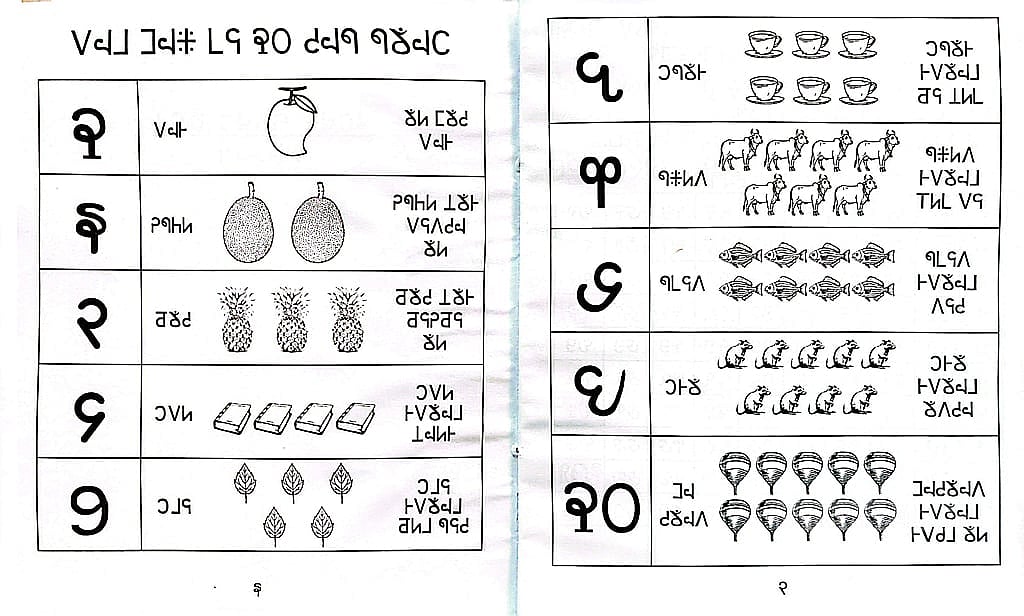
Mro-language materials now include grammar books, mathematics textbooks, religious notices, song collections and social histories. Writer and researcher Yangan Mro has published 33 books in Mro and 12 in Bangla.
“The app has changed everything,” he said. “People who don’t read Bangla can now message, save contacts, calculate numbers and chat in Mro. That’s how a language survives.”
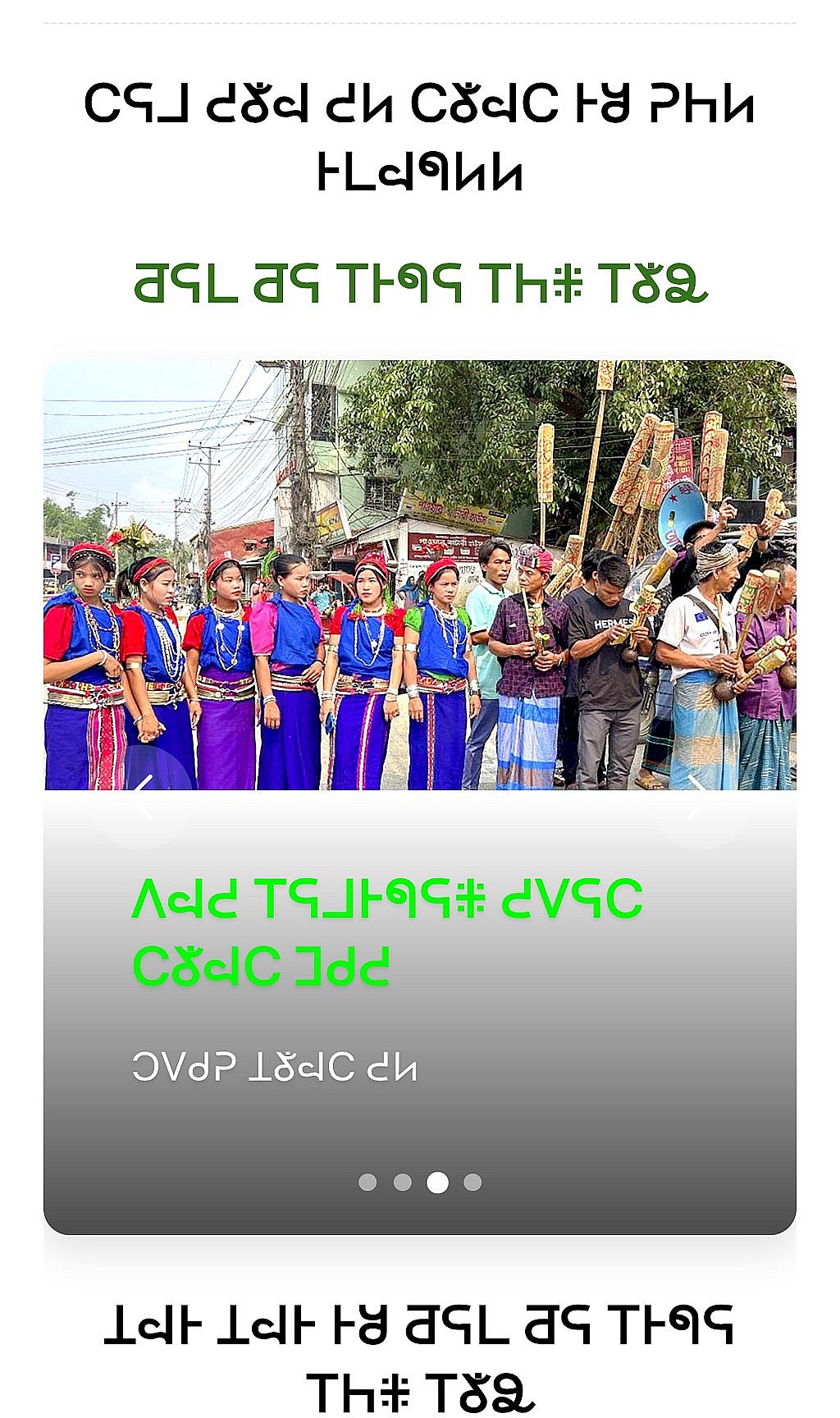
Social media has become a key platform for the younger generation. Malcom Mro, a development worker, regularly posts in Mro on Facebook.
“Writing in your mother tongue creates a different feeling,” she said. “It strengthens identity. Google Play inclusion is a milestone for our community.”
Students such as Fekru Mro, now studying at Bandarban University, say learning the alphabet early helped them remain connected to their roots, even as they moved into higher education.
Grassroots Teaching Continues
Despite the digital leap, community-led teaching remains central. In villages across Bandarban, local trainers publish books at their own expense and teach children in informal settings.
Nansing Mro, a farmer and language instructor from Bagan Para, has been teaching the script since the mid-1980s.
“I learned it in 1985–86,” he said. “I still go from village to village encouraging people to learn. If we stop practising, the language will disappear.”
Holding up a newly printed Mro mathematics book, he explained it was revised from materials first produced by an NGO years ago. Four hundred copies have been printed for distribution through a local language-learning organisation.
Mro Courses and the Future
The Small Ethnic Groups Cultural Institute runs a two-month Mro language course, training 30 participants per batch. Its director, Nukraching Marma, said the programme, paused last year, would resume soon.
For the Mro community, the appearance of their alphabet on smartphones is more than a technical achievement.
It is proof that a language born in the mind of a teenage hill boy, once thought destined to fade, can still find a future in the digital age.