Published : 30 May 2026, 08:01 AM
Updated : 21 Aug 2026, 03:48 PM


Fading Tradition: Lost in the Spectacle
Post-independence peak: Classic literature once shaped Bangladesh’s finest films, giving cinema a deeply intimate and unmistakably Bengali soul
The corporate shift: Rising budgets and cheap visual spectacles now dominate, driving producers to prioritise profit over literary depth
Lost reading habits: A decline in serious reading habits means modern directors and audiences often favour lighter, action-heavy content
A digital lifeline: Though slipping from cinemas, rich literary adaptations are finding fresh survival through modern streaming platforms
Kuber and Kapila from “Padma Nadir Majhi”. Joygun from “Surja Dighal Bari”. The wartime family in “Aguner Poroshmoni”. Majid from “Lalsalu”.
For generations of Bangladeshi viewers, these characters did more than entertain. They lingered. They carried the smell of river mud, famine, war, and village dust into dark cinema halls, giving audiences stories that felt painfully intimate and unmistakably Bengali.
Over time, Dhallywood expanded in scale and technical ambition, but shifted in tone and storytelling priorities. Budgets increased. Digital cameras replaced ageing film stock. Visual spectacle became easier to manufacture. Yet somewhere amid the transformation, filmmakers, critics and actors say, literature-based cinema began quietly receding from the centre of the industry.
The question now hanging over Bangladesh’s film world is uncomfortable: has Dhallywood started turning away from literature?
Directors blame changing audience tastes, declining reading habits, weak screenplay development, and production limitations. Producers point to a shrinking number of cinema halls and growing financial risks.
Critics argue that cinema itself has evolved into a more independent visual language, less dependent on novels and literary adaptation than before.
Still, many insist the bond between Bangla literature and cinema remains too deeply rooted to disappear entirely.
A Glorious Literary Inheritance
The roots of literary cinema in what is now Bangladesh stretch back to long before independence.
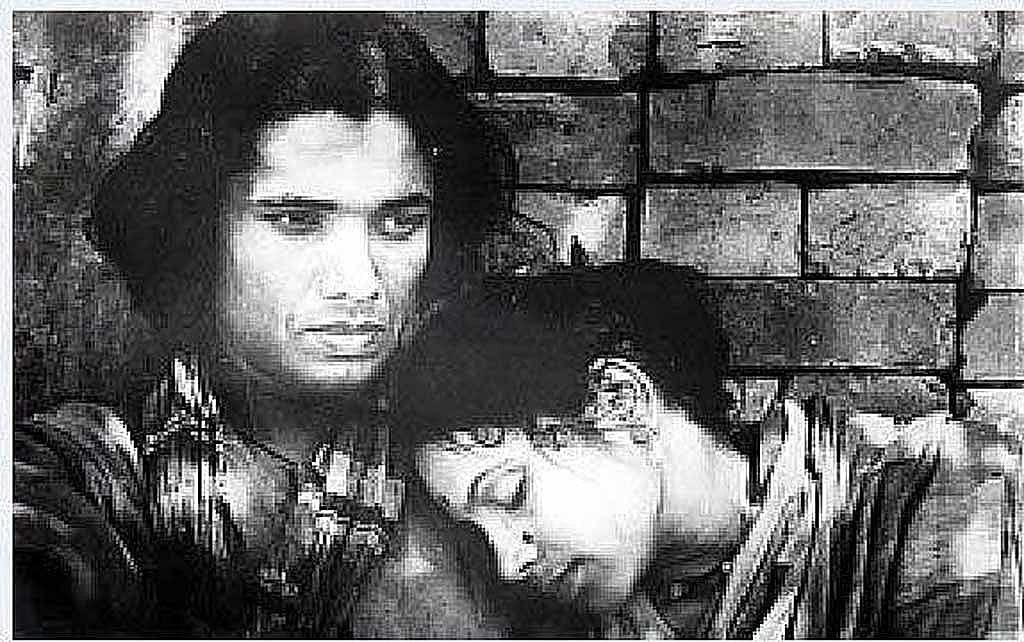
According to records compiled by the Bangladesh Film Archive and the Film Producers Association, one of the earliest landmarks arrived in 1959 with “Jago Hua Savera”, directed by AJ Kardar and adapted from Manik Bandopadhyay’s “Padma Nadir Majhi”.
Built around the struggle of impoverished fishing families along the riverbanks, the film starred Khan Ataur Rahman, Tripti Mitra, and Sumita Devi. It later came to be regarded as one of the foundational works of literary cinema in the region.
The momentum continued through the 1960s. Salahuddin’s “Surjokonna” and “Dharapat” (1963), Sadiq Khan’s “Nadi O Nari” (1965), Syed Shamsul Haque’s “Phir Milengey Hum Dono” (1966), and Subhash Dutta’s Kagojer Nouka (1966) all drew from literary storytelling traditions.
At the same time, directors also turned toward folklore and epic poetry. Zahir Raihan adapted “Padmapuran” and “Monsamangal” into “Behula” in 1966 before directing “Anowara” a year later.
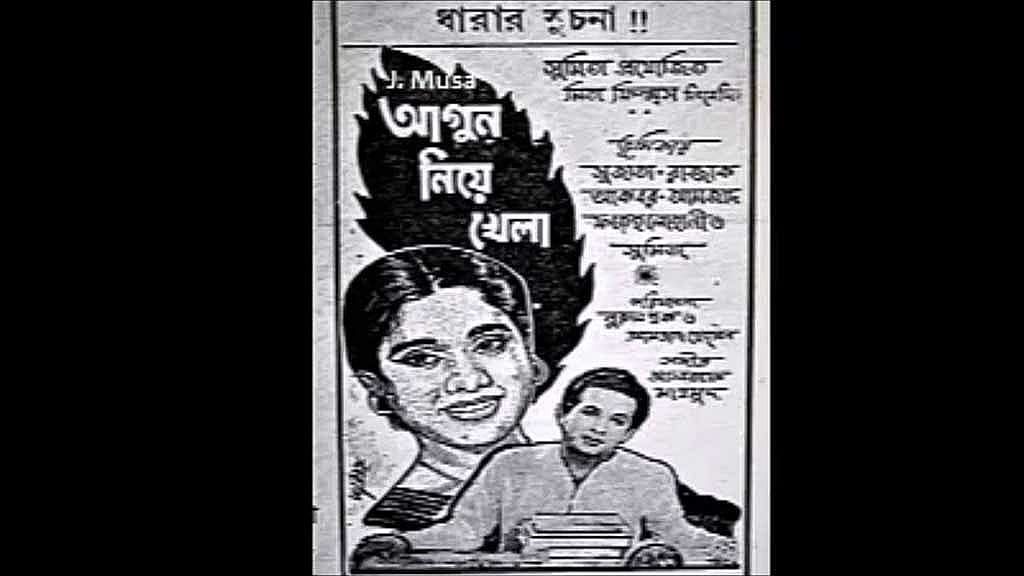
Film researcher and critic Anupam Hayat says cinema during the 1960s carried a strong artistic and philosophical sensibility.
“In the 1970s and 1980s, mainstream Bangladeshi films were vibrant,” he said. “Social and family dramas frequently borrowed stories from novels and short fiction.”
By the mid-1980s, independent cinema had also started emerging more strongly.
“Those films tried to portray politics, culture, and social realities,” Hayat said. “Even with technical limitations, films made until the mid-1990s captured the depth of people’s lives and the reality of their times.”
But he believes the decline began in the 1990s. Foreign imitation increasingly replaced original storytelling.
“Even big-budget films today often imitate foreign cinema,” he said. “Producers, filmmakers and part of the audience are leaning toward that direction. As a result, literature-based original films have declined.”
Films That Outlived Their Era
The list of literary adaptations that followed reads almost like an alternative history of Bangla literature itself.
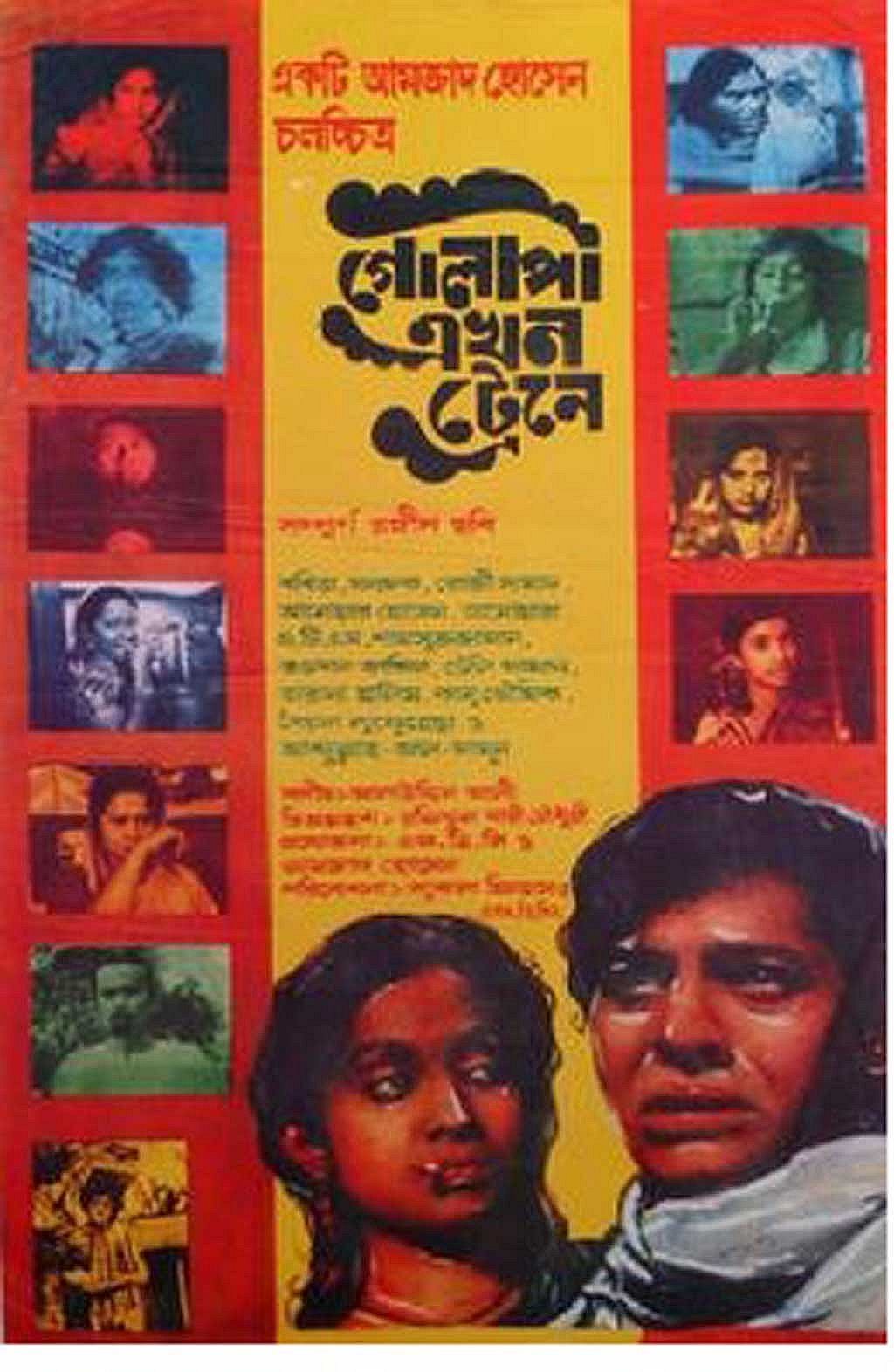
During the 1970s alone, Bangladesh produced films such as “Apon Por”, adapted from Sarat Chandra Chattopadhyay’s “Baikunther Will”; Ruhul Amin’s “Nijere Haraye Khunji” from Subodh Ghosh’s novel “Kantidhara”; and Ritwik Ghatak’s monumental “Titash Ekti Nadir Naam”, based on Adwaita Mallabarman’s classic novel.
The latter depicted the lives and struggles of fishing communities along the Titash River. Though commercially unsuccessful at release, it later became one of the most celebrated films in Bengali cinema history.
Producer Habibur Rahman Khan recalled the hostility the film initially faced.
“The audience abused us in theatres,” he said. “We had to remove it in the second week.”
Yet decades later, the same film is screened globally as a world classic.
“Ritwik Ghatak told me, ‘Habib, I have made this film 25 years ahead of its time’,” Khan recalled. “He meant the relevance of the film would endure forever.”
Another landmark of the decade was “Surja Dighal Bari”, adapted from Abu Ishaq’s novel about Joygun, a woman battling poverty, patriarchy and post-famine rural oppression.
Director Masihuddin Shaker said financing the film in 1979 was a struggle.
“We had almost no money,” he said. “It cost around Tk 1 million at the time. We received only Tk 250,000 in government grants and had to struggle for the rest because we were not making conventional commercial cinema.”
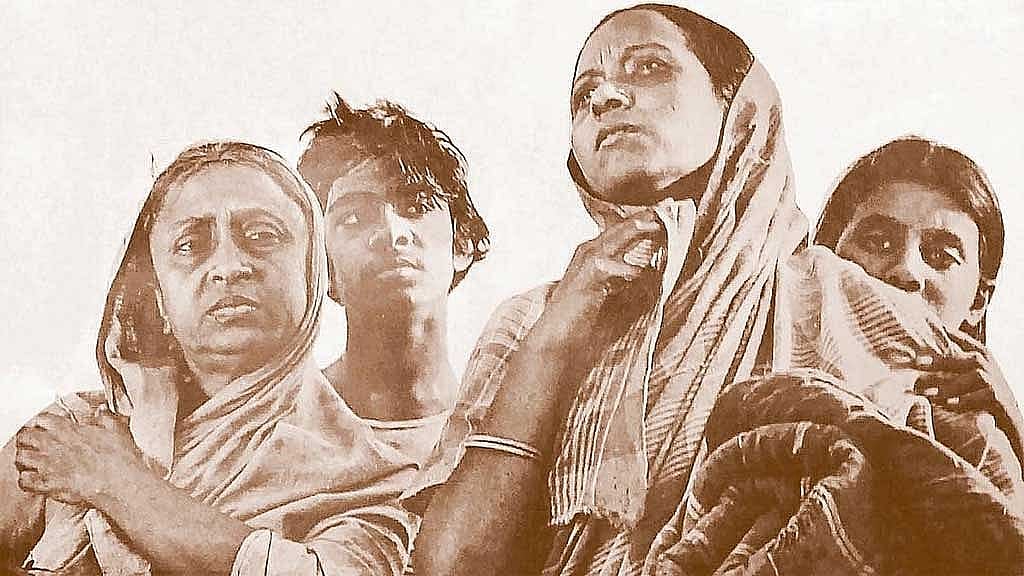
The film eventually became one of Bangladesh’s most enduring cinematic achievements.
“We never imagined people would still discuss it four decades later,” he said.
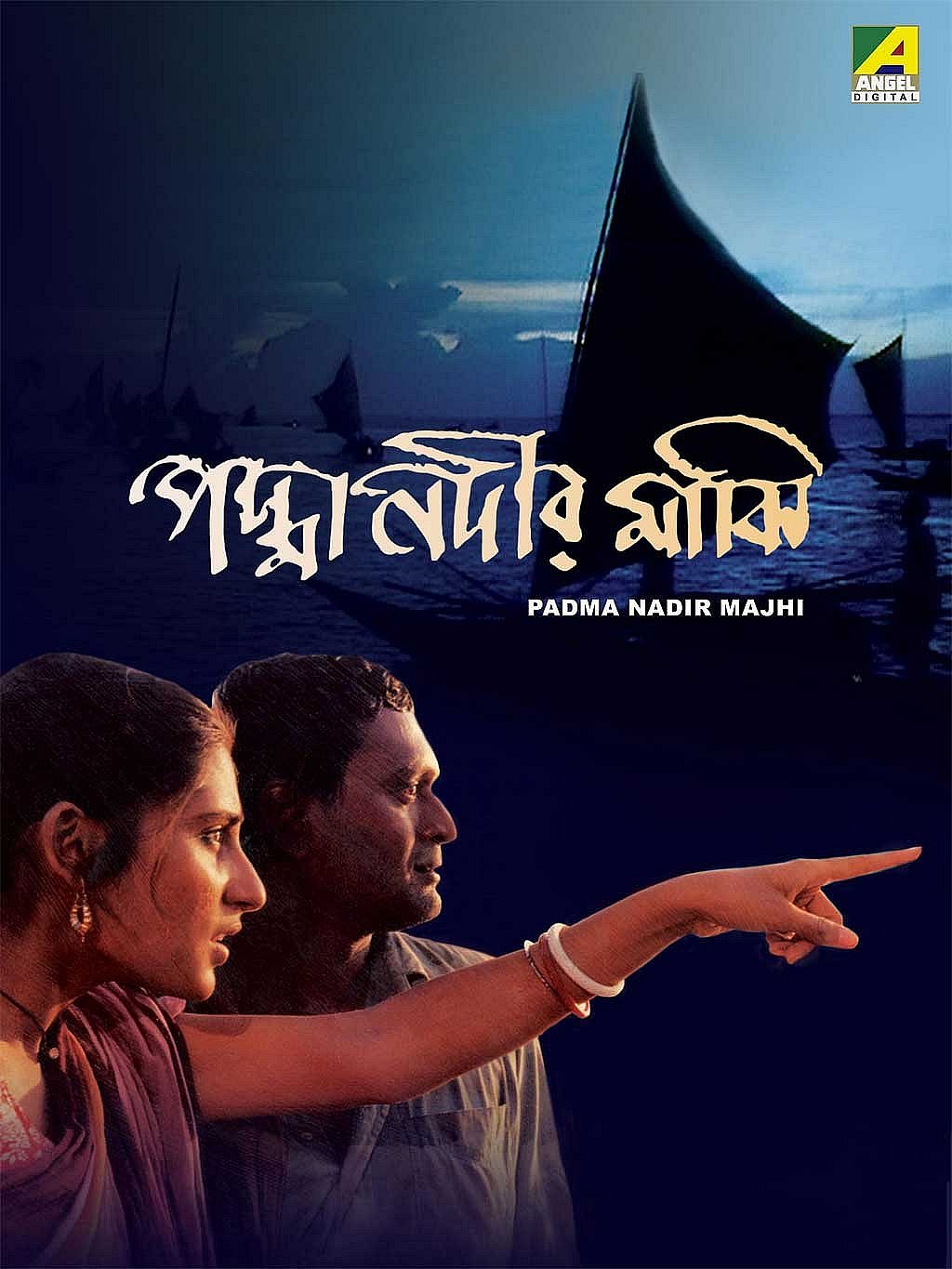
The literary wave expanded further during the 1980s and 1990s. Chashi Nazrul Islam adapted “Devdas”, “Subha”, and later “Hangor Nodi Grenade”. Humayun Ahmed directed “Aguner Poroshmoni”. Gautam Ghose brought “Padma Nadir Majhi” back to the screen in 1993.
Films rooted in literature, the Liberation War and rural Bengal became both culturally influential and critically acclaimed.
The Drift Away from Books
Today, however, filmmakers say the ecosystem that once nurtured literary cinema has changed dramatically.
Director Tanvir Mokammel believes Bangladesh’s mainstream industry has become saturated with imitation.
“Most films now are poor copies of Bollywood or Tamil cinema,” he said. “Not just literary films -- even good cinema in general has become rare.”
He also blames the decline in literary quality itself.
“Bangla literature was once extremely rich,” he said. “Its standard has declined in recent years, and naturally good literature-based films have also decreased.”
But the issue, he argues, goes beyond filmmakers alone.
“Reading habits have collapsed,” he said. “Many directors themselves do not read serious literature. And most audiences now prefer lighter entertainment, violence, or sexually suggestive content over thoughtful cinema.”
Screenplay development remains another major weakness.
“Screenwriting has its own language,” Mokammel said. “Very few people in Bangladesh truly possess that skill.”
Production realities have also shifted. Older producers who financed films out of artistic passion have largely disappeared, replaced by corporate investors focused on returns.
“Corporate capital prefers action-heavy commercial films over literary cinema,” he said.
Director Morshedul Islam sees the transition somewhat differently. He believes filmmakers increasingly want to tell their own stories rather than adapt existing literature.
“When you adapt literature, you already have a ready-made story,” he said. “That helps. But it also creates pressure because audiences already carry expectations.”
He added: “The storytelling style has changed. Today you must capture audiences from the very beginning. Directors are now leaning toward their own narratives. But literature will never lose its appeal entirely.”
Art versus Commerce
Producer Habibur says economics now dominate filmmaking decisions.
“Producers nowadays invest money expecting returns -- and that is natural,” he said. “Films no longer cost Tk 100,000 or Tk 200,000. Producers have to think about survival.”
He contrasted that with earlier decades.
“We made films from dreams,” he said. “We worked with Ritwik Ghatak or Gautam Ghose because we believed in cinema itself.”
Producer Khorshed Alam Khosru argued that literary films were never overwhelmingly dominant even in earlier eras.
“There has always been a smaller number of literary films,” he said. “Now the entire industry is facing a crisis because of the shortage of cinema halls.”
Still, he believes expansion of modern theatres could eventually revive investment in literature-based projects.
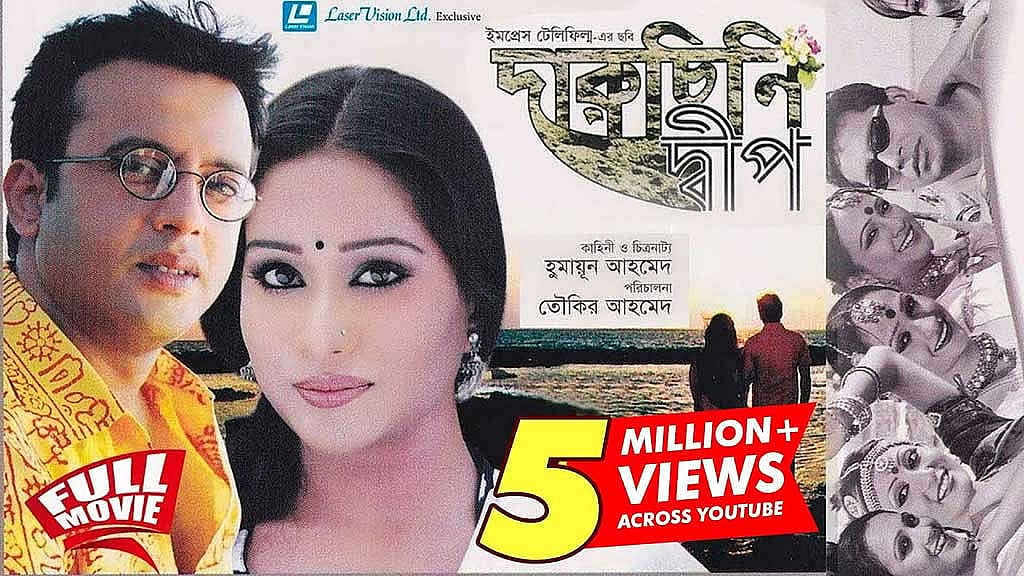
Impress Telefilm, one of the country’s most influential production houses, has produced around 190 films -- nearly 50 of them literary adaptations.
Managing Director Faridur Reza Sagar says the biggest obstacle now is the shortage of skilled screenwriters.
“Very few people are adapting novels or literary stories into strong screenplays,” he said.
But he rejected the idea that producers have lost all interest in literary cinema.
“Literature-based films always existed and always will,” Sagar said. “New generations will eventually overcome this screenplay crisis.”
Actors Fear a Cultural Loss
Veteran actress Suchanda believes commercial obsession has pushed art aside.
“Our country has countless works by renowned writers,” she said. “Yet no one wants to invest in adapting them.”
She revealed she once hoped to adapt Zahir Raihan’s “Borof Gola Nodi”, but financing never materialised.
Actor Tariq Anam Khan said literature and cinema are inseparable.
“There was a time when people returned from Kolkata saying they had ‘watched a book’,” he said. “That relationship between literature and cinema is eternal.”
He warned that filmmakers disconnected from literature inevitably weaken dialogue, screenplay and storytelling depth.
“What is local ultimately becomes global,” he said. “Hollywood also adapts bestselling books. Bangladesh’s industry needs to remember that truth.”
Actor Sohel Rana believes the decline of cinema halls and changing audience habits also contributed heavily.
“Strong stories and literature once enriched Bangla cinema,” he said. “If we cannot bring that culture back, the industry will shrink further.”
Signs of Return
Despite the anxieties, recent successes have revived optimism.
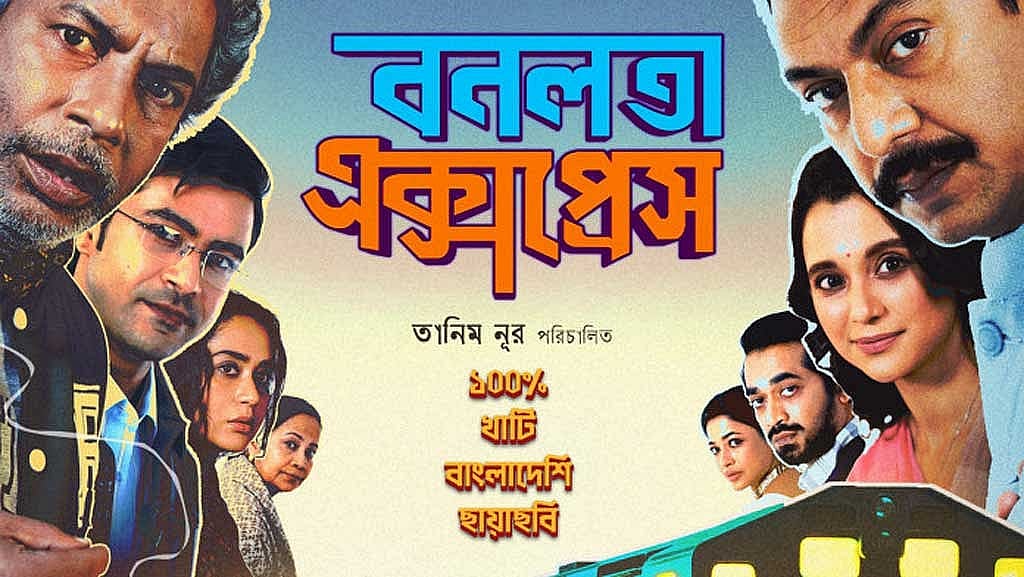
Tanim Noor’s “Bonolota Express”, released during Eid-ul-Fitr, became both a commercial and critical success, proving audiences still respond to literary storytelling.
“My last two films were literature-based,” Noor said. “They proved audiences still want these stories.”
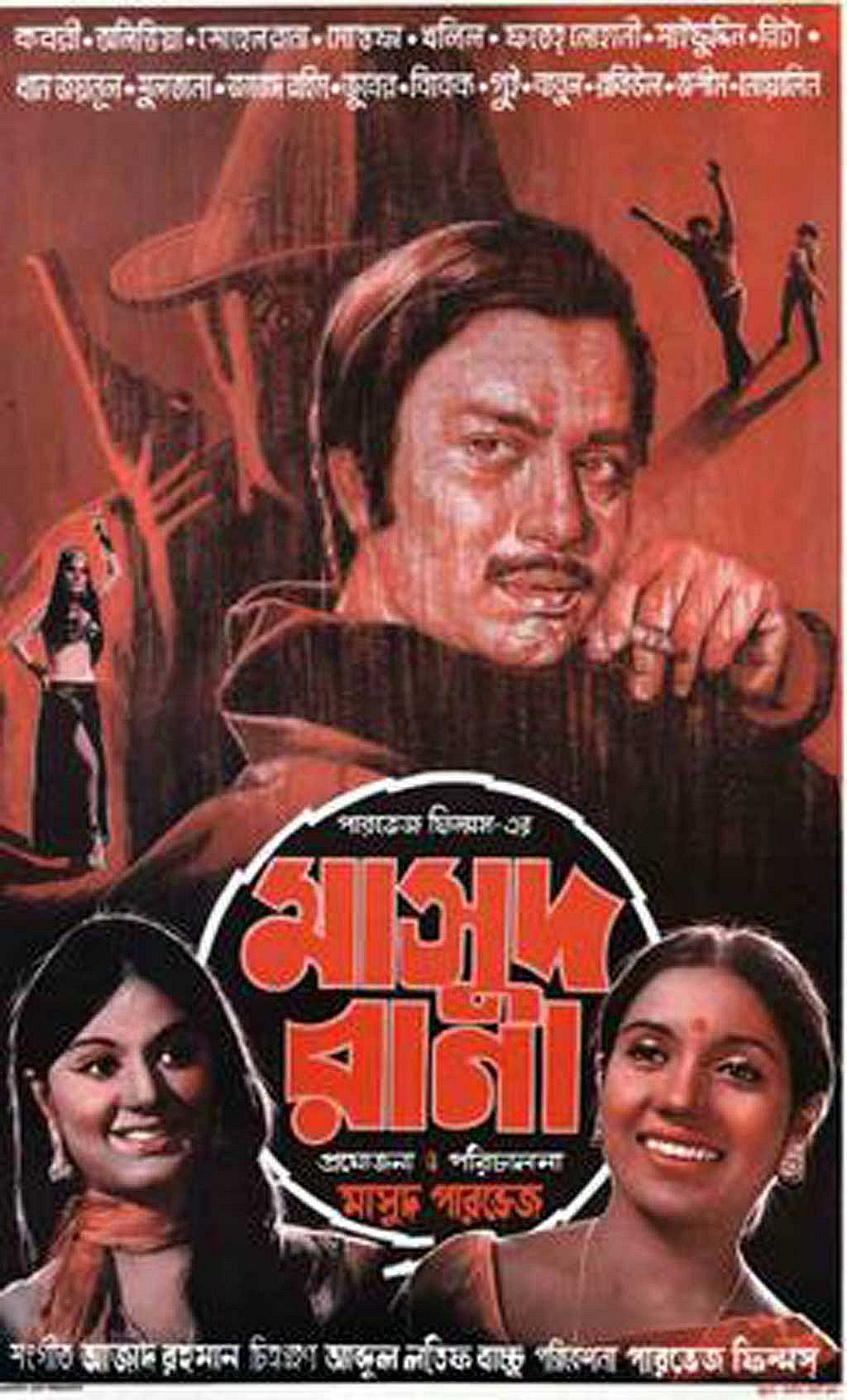
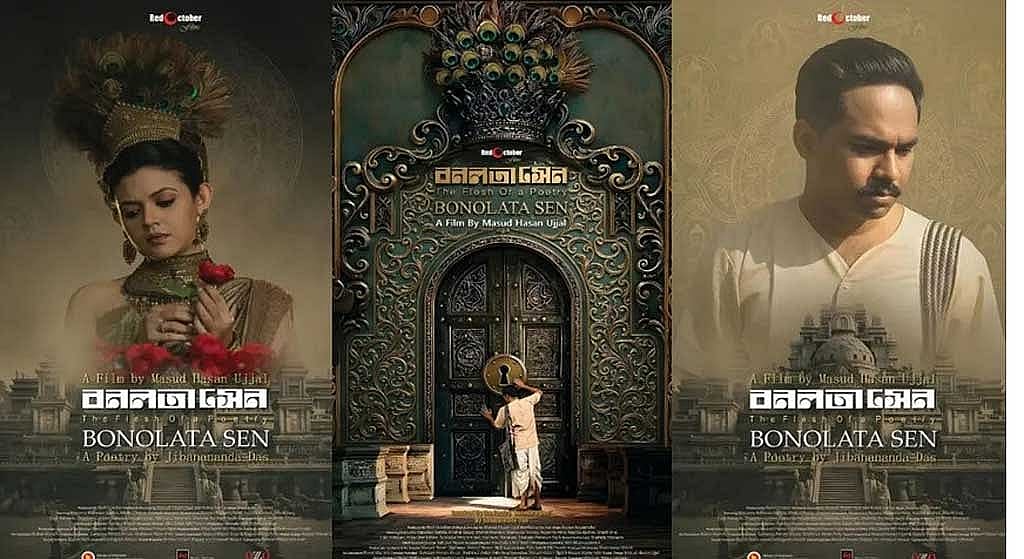
This Eid-ul-Azha also saw the release of “Bonolota Sen”, inspired by Jibanananda Das’s poetry, while a new adaptation of Kazi Anwar Hossain’s Masud Rana reached cinemas backed by Impress Telefilm and Jaaz Multimedia.
Away from shrinking cinema halls, OTT platforms are now offering literature a second screen life.
Director Aka Reza Galib, whose “Sarar Songsar” is adapted from Kazi Anwar Hossain’s novel “Artonad”, believes streaming services may create fresh opportunities.
“Literature-based cinema already comes with strong storytelling,” he said. “And there will always be demand for strong stories.”
For now, Bangladeshi literary cinema exists in an uneasy in-between space -- no longer central, but far from extinct. It survives in occasional box office successes, in streaming experiments, and in the persistence of filmmakers who still turn to novels when they could easily choose spectacle.
And somewhere in that fragile balance, Kuber, Joygun and Majid still linger -- reminders of what Dhallywood once was, and what it has not yet fully stopped becoming.