Published : 07 Aug 2026, 05:37 PM
Updated : 08 Sep 2026, 09:31 AM


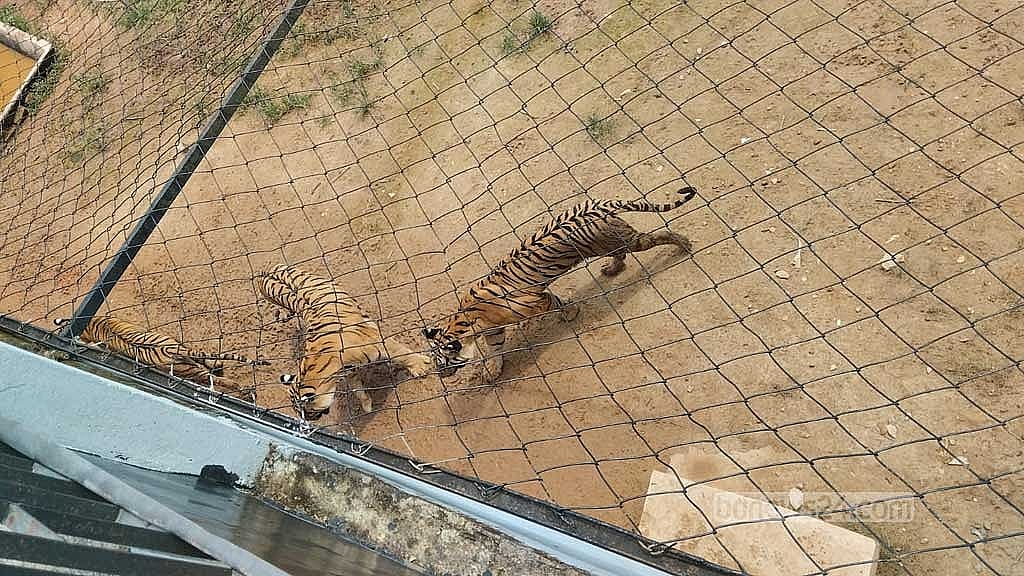
Behind a massive iron enclosure stand royal Bengal tigers “Joy” and “Jui”.
Visitors watch from a safe distance in the open area beside it, taking photos, calling out the tigers' names, teasing them.
The tigers sometimes respond to the calls, other times wander off on their own.
After spending a while in front of the caged tigers, visitors stroll on through the open grounds to another enclosure to see a different animal.
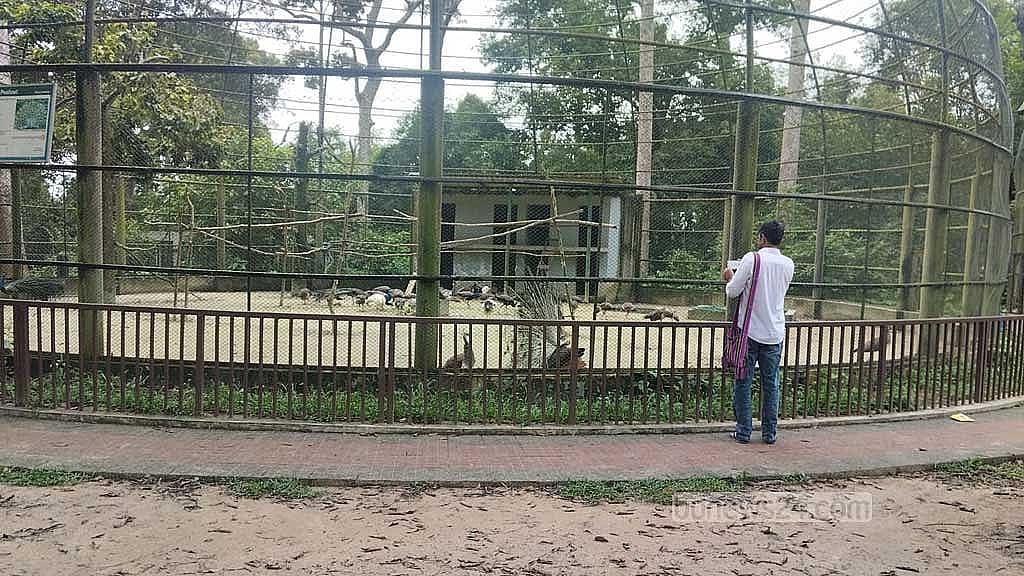
This is the scene at Dulahazra Safari Park in Cox's Bazar.
Yet the very idea of a "safari park" calls for the opposite: animals such as tigers and lions should roam freely in their natural habitat, while people view them from specially secured vehicles.
That is how Bangladesh's Gazipur Safari Park operates.
Set up in the Sal forest of Bhawal Garh, the park has a permanent boundary enclosure within which animals roam freely in their own habitat, while visitors tour the park in specially secured vehicles.
Similar parks operate in Thailand, Indonesia, the UK and several African countries.
The National Information Portal describes Gazipur Safari Park as fundamentally different from a zoo.
In a zoo, animals stay confined while visitors move freely to view them; in a safari park, wildlife roams freely through forest and woodland while visitors, secured in moving vehicles, observe them with caution.
Gazipur Safari Park is over a decade old.
Dulahazra Safari Park, however, was conceived as the country's first safari park more than two decades ago, yet that vision remains unrealised.
Authorities say roughly 85 percent of the work needed for a full-fledged safari park is complete, but the "open safari zone" for tigers and lions has still not opened.
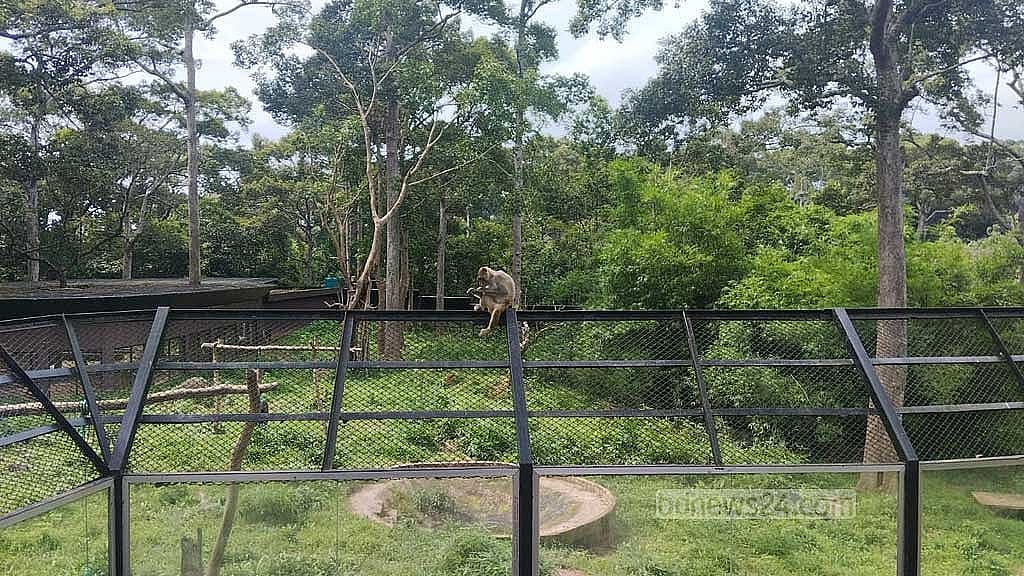
As a result, the country's first safari park continues to operate largely like a zoo.
The word "Safari," from Swahili, traces back to the Arabic “Safar”, meaning a long journey or voyage.
Dulahazra's history stretches back further. The area was a protected forest from 1930, before a deer breeding centre was established there in 1980.
The country's first safari park was then founded on Jan 19, 2001, spanning roughly 2,250 acres, or about 900 hectares of forest land.
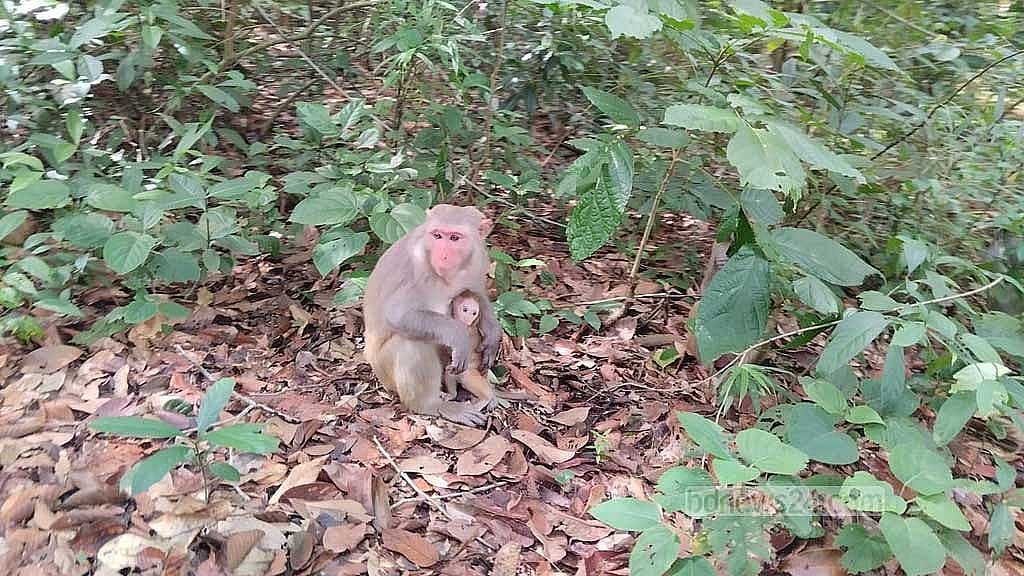
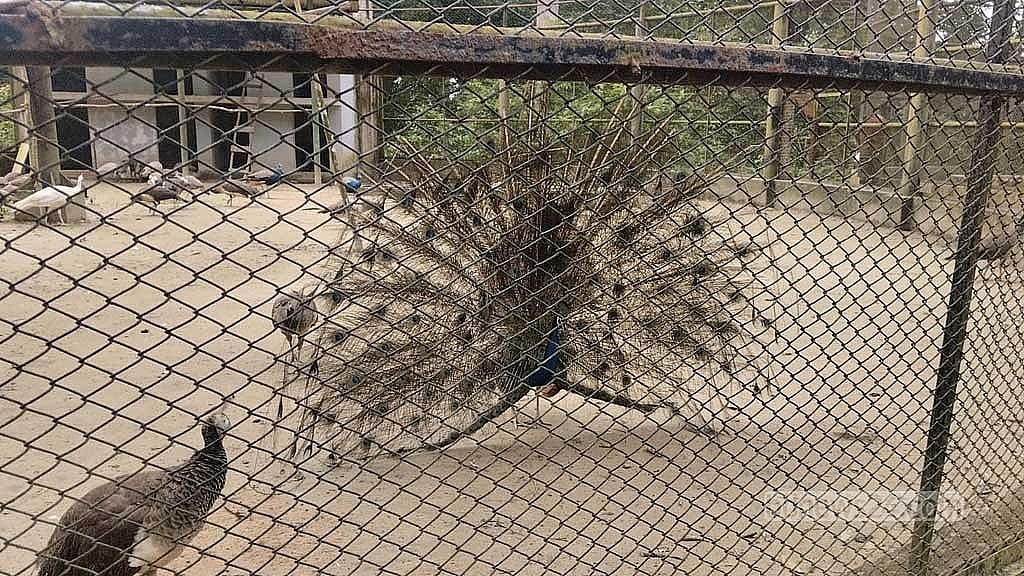
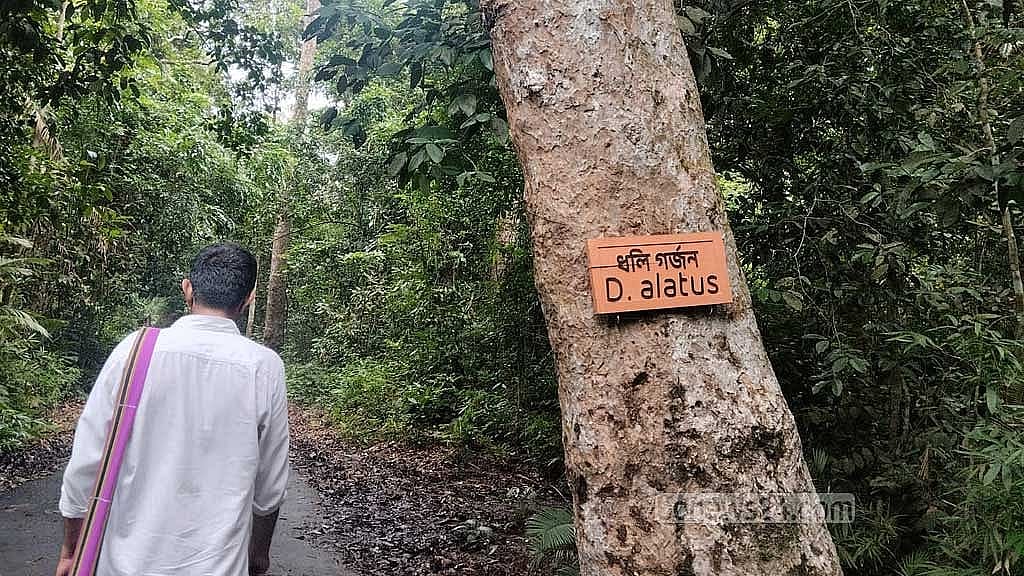
The park now holds around 365 tree species, including some 765 preserved “mother trees”, alongside 515 wild animals across roughly 60 species.
Where Safari Stalls
Mustafizur Rahman, Dulahazra Safari Park veterinary surgeon, said the biggest obstacle to becoming a full-fledged safari park remains the unopened "open safari zone" for tigers and lions.
He said the infrastructure needed for the tigers and lions is nearly complete, with only some technical work left, including automatic double gates.
“Once the tiger and lion section opens, the safari will regain its complete form.”
Manzur Alam, in-charge of the park, said it could take roughly another year for the park to take its full safari shape.
A ‘Dramatic’ Tiger History
The tigers at Dulahazra carry a “dramatic” backstory of their own.
In 2011, Rapid Action Battalion (RAB) rescued two 21-day-old tiger cubs kept illegally in Dhaka's Shyamoli.
They were later sent to Dulahazra Safari Park and named “Joy” and “Jui”.
The park now houses seven Royal Bengal tigers in total, three adult males and four females.
Male tigers eat roughly 7kg of meat daily, females around 5kg.
Jui has given birth to cubs three times, with the second surviving.
Visitors, however, still see them behind iron bars rather than in an open, natural setting.
Touhidul Islam, who looks after the tigers, said they are kept in a large enclosure from 6am to 5:30pm.
"Come evening, they're moved to separate chambers and locked in. Feeding happens daily after 5pm. They sometimes let out a loud roar at the sight of people, and at other times play among themselves."
Animals At Park
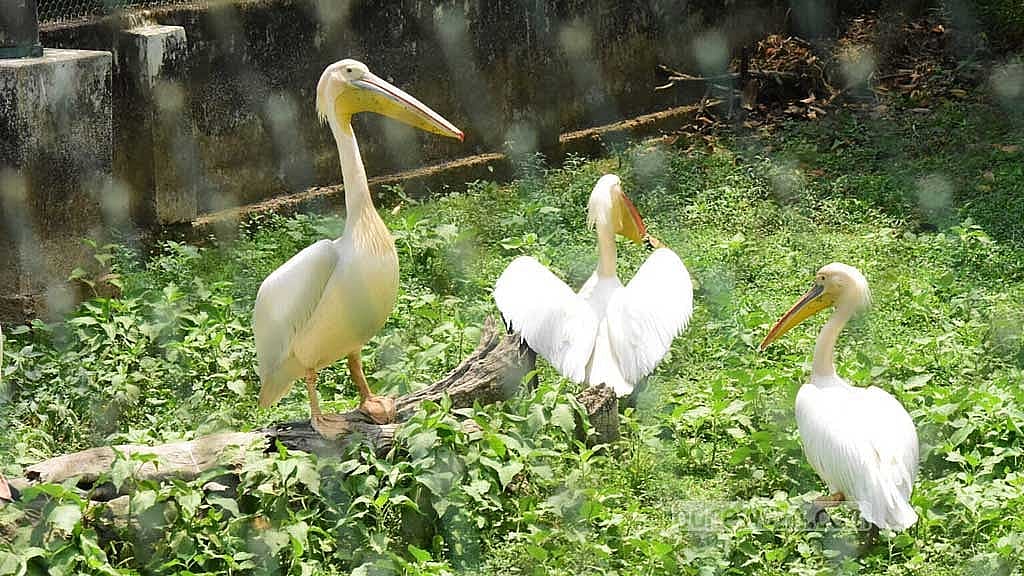
The park currently holds around 515 wild animals across roughly 60 species, including six lions, seven elephants (one a 9-month-old calf), 10 zebras, five wildebeest, 12 hippopotamuses, 12 crocodiles across two species, and two pythons.
As part of preparations to launch the full safari experience, two specially secured (caged) safari vehicles have recently been brought in.
Once the open safari zone for tigers and lions opens, visitors will be able to enter the animals' roaming grounds in these vehicles for a close-up safari experience.
Park authorities said feeding the animals costs around Tk 4 million a month, while ticket sales and other sources bring in roughly Tk 20 million a year in revenue.
Some 48 staff currently manage the park's operations and upkeep.
Entry is priced at Tk 100 for adults and Tk 50 for children aged six to 12.
During peak tourist season, the park draws around 3,000 visitors a day on average, dropping to roughly 1,000 a day during the rest of the year.
How Much Longer the Wait?
Bangladesh Poribesh Andolon (BAPA) General Secretary Karim Ullah Kalim said Dulahazra Safari Park was originally conceived to build an international-standard safari in Bangladesh, where animals would live in their natural habitat and people would view them from secure vehicles.
Yet 26 years after its founding, that vision remains unfulfilled.
Karim Ullah questioned why a project expected to take two to three years has instead dragged on for nearly three decades, and how much longer Dulahazra must wait to realise its dream of becoming a full-fledged safari park.