Published : 28 Jul 2026, 06:01 AM
Updated : 08 Sep 2026, 09:28 AM


The mortality rate among children aged under 5 has declined in Bangladesh, according to the Bangladesh Bureau of Statistics (BBS).
However, newborn deaths, child labour, birth registration, unsafe drinking water and lead exposure remain major challenges, the agency said.
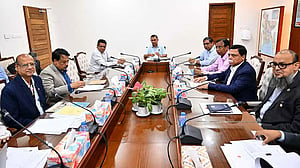
The findings were published on Monday in the final report of the Bangladesh Multiple Indicator Cluster Survey (MICS) 2025, conducted with UNICEF's support.
The survey covered 3,149 areas and interviewed 61,207 households.
The under-5 mortality rate fell to 33 deaths per 1,000 live births from 39 a decade ago. But neonatal mortality remains 22 per 1,000 live births.
Around 71 percent of recent births took place at health facilities, although the rate ranged from 52.6 percent among poor families to 86.9 percent among wealthy households. Birth registration among children under five stands at 59.2 percent.
Half of children aged 7 to 14 have basic reading skills, with girls outperforming boys.
The survey also found 9.1 percent of children aged 5 to 17 engaged in child labour, particularly among poor and out-of-school children.
Although 98.6 percent of people have access to basic drinking water, 85 percent consume water contaminated with E coli.
Basic handwashing and sanitation coverage stand at 68.6 percent and 72.9 percent respectively.
For the first time, the survey tested for heavy metals, finding 38.4 percent of children aged 12 to 59 months had elevated blood lead levels, with higher exposure in urban and industrial areas.