Published : 16 Jun 2025, 06:39 AM
Updated : 21 Aug 2026, 04:32 PM


Despite persistent criticism over the modest size of Bangladesh’s healthcare budget, National Professor Dr AK Azad Khan maintains that the country can still achieve significant improvements if political will, governance, and innovation align.
Speaking on Inside Out, the eminent physician said the focus should shift from funding figures to functional reform.
“The problem isn’t always how much we spend,” he said. “It’s how well we manage what we already have—and whether our leaders have the will to make it work.”
Inside Out is bdnews24.com's flagship discussion and interview show, where journalists engage directly with thought‑leaders, experts, activists, and policymakers to explore pressing issues in Bangladesh and beyond.
Dr Azad, a renowned gastroenterologist and chairman of the Boards of Trustees at the Bangladesh University of Health Sciences and Ibrahim Medical College, emphasised the transformative potential of digital technology in reaching remote communities.
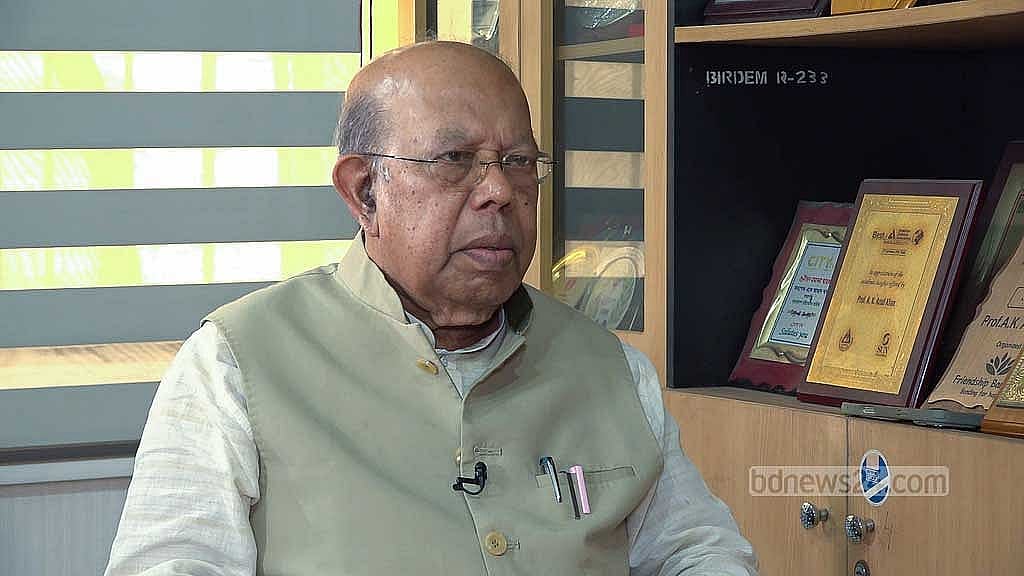
“Doctors rarely stay in rural areas for long,” he explained. “But with telemedicine, a patient in Kurigram can consult a doctor in Dhaka—or even New York—in real time. This is a breakthrough we’re only just beginning to harness.”
REBUILDING TRUST
As former head of the Health Reform Commission under a caretaker government, Dr Azad highlighted the public's waning trust in the domestic health system.
He noted that universal health coverage in Bangladesh remains elusive due to a range of challenges, including mismanagement, inadequate infrastructure, and corruption.
"When even the president goes abroad for routine medical check-ups, it sends a corrosive message," he said. "It tells people even your leaders don’t believe in your hospitals."
He added that lack of trust has pushed many Bangladeshis to seek treatment abroad.
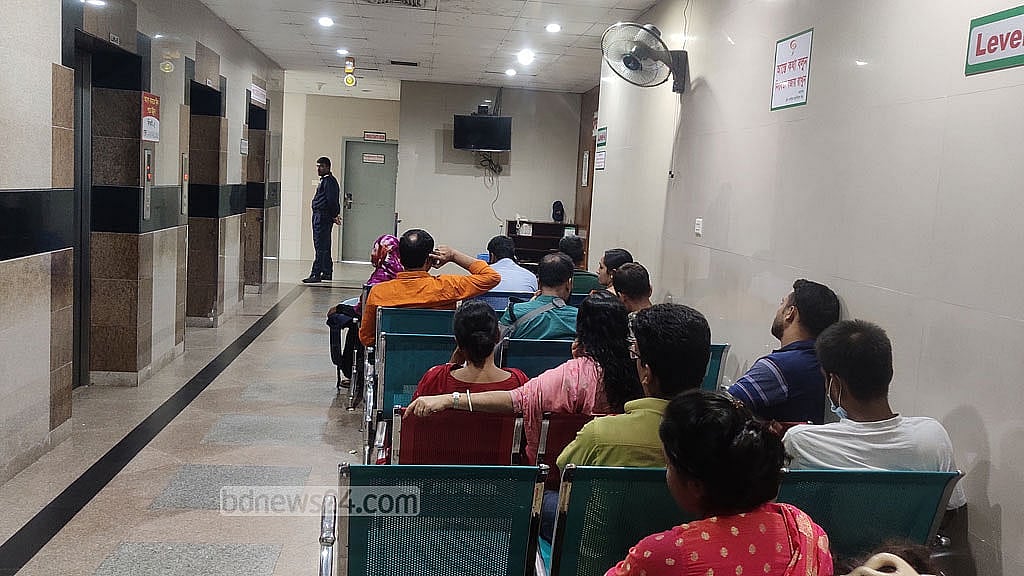
That trust deficit, he argued, is compounded by a flawed doctor-patient dynamic.
“We train doctors to treat diseases, not human beings,” he said, calling for behavioural science and communication training to be embedded in medical curricula.
PRIMARY CARE: A MISSED OPPORTUNITY
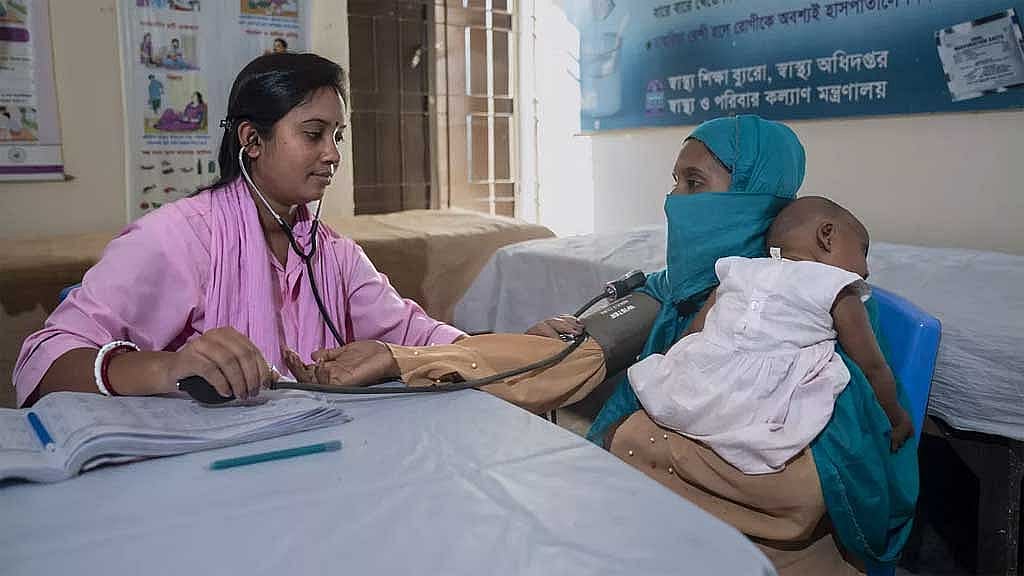
Dr Azad believes Bangladesh could provide quality primary healthcare to 90 percent of its population using existing infrastructure and modest reforms.
“The Health Reform Commission proposed that primary healthcare should be a constitutional right and an obligation of the government,” he said.

He also criticised a recent recommendation by the Local Government Reform Commission to abolish community clinics, saying the model cannot be abandoned.
“They must be retained in some form,” he said. “Rename them if you must, but we must ensure a structured system with trained providers.”
At present, he noted, these clinics often operate without oversight or proper regulation.
LESSONS FROM THE PANDEMIC
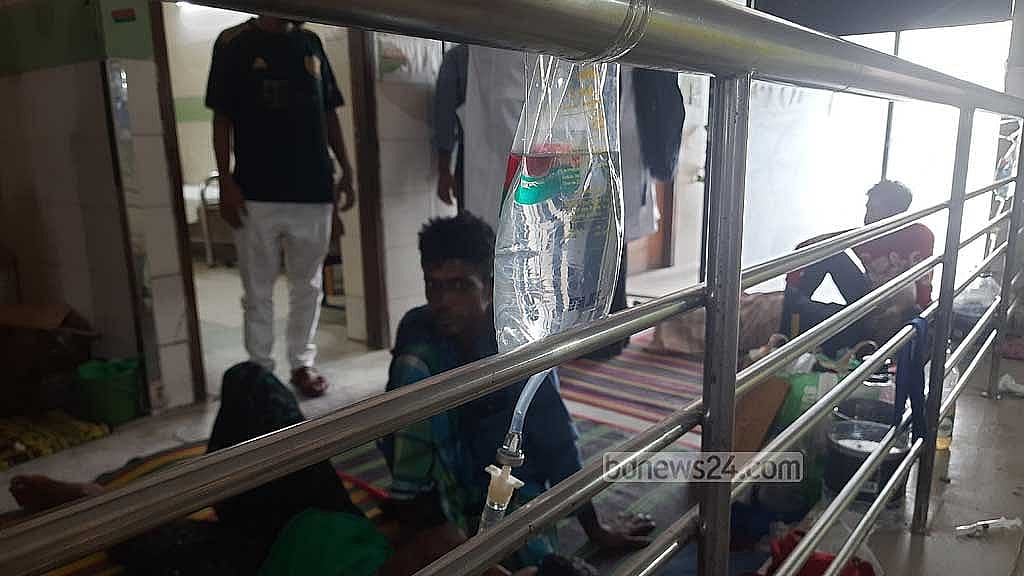
The COVID-19 pandemic exposed weaknesses in the healthcare system, ranging from shortages of medical supplies to allegations of corruption. However, it also brought about positive changes, Dr Azad said.
Bangladesh successfully rolled out mass vaccination and now possesses the technological capacity to produce vaccines locally -- an imperative given its large population and the global trend of emerging viral diseases.
“We have the capacity. The government must now take on a vaccine production project,” he said, adding that he had heard of plans in this direction.
CRISIS IN MEDICAL RESEARCH
Dr Azad lamented the neglect of medical research, describing it as a failure of policy and planning, despite having helped establish a research team at BIRDEM during his tenure as head of its research and development unit.
“There’s no proper infrastructure for medical research here,” he said. “We must train people and give them time and resources. Medical education cannot be a part-time or transferable job.”
He argued for permanent teaching positions with competitive salaries, enabling doctors to focus on both education and research.
TACKLING CORRUPTION
Addressing corruption in the healthcare sector -- part of a wider problem across the country -- Azad said the solution lies in enforcing existing laws.
“Corruption isn’t unique to healthcare. But enforcement is key. If the law is applied properly, corruption will come down.”
He also stressed the importance of empowering the Bangladesh Medical and Dental Council (BMDC), calling for it to be a full-time, apolitical body to enforce ethical standards.
“Doctors must be held to the BMDC code of conduct. That’s only possible if the body is truly independent and professional.”
His remarks present a roadmap for incremental yet impactful healthcare reform -- grounded not in massive spending, but in better management, training, accountability, and public trust.