Published : 23 Jul 2026, 07:58 AM
Updated : 08 Sep 2026, 09:27 AM


The Trackside Threat
Terror on the tracks: Persistent stone attacks leave rail passengers maimed, terrified, and facing permanent, life-changing injuries
Beyond childish pranks: Criminologists warn repeated stone attacks may be driven by organised sabotage or juvenile violence
Cries for community action: Experts call for CCTV, tighter surveillance, and community watch groups along critical rail corridors
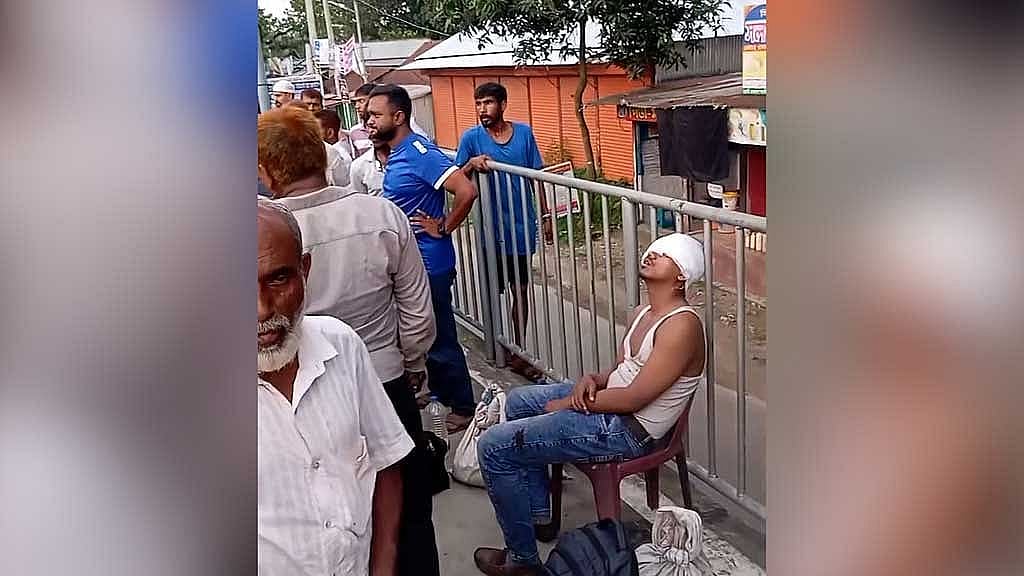
A split second was all it took to leave 17-year-old Sabbir Hossain's future in balance.
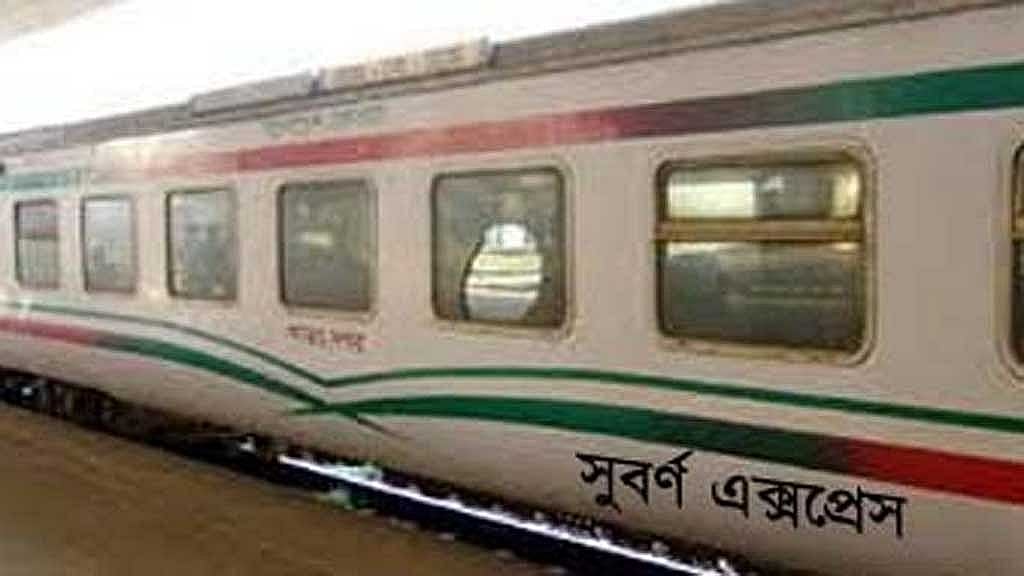
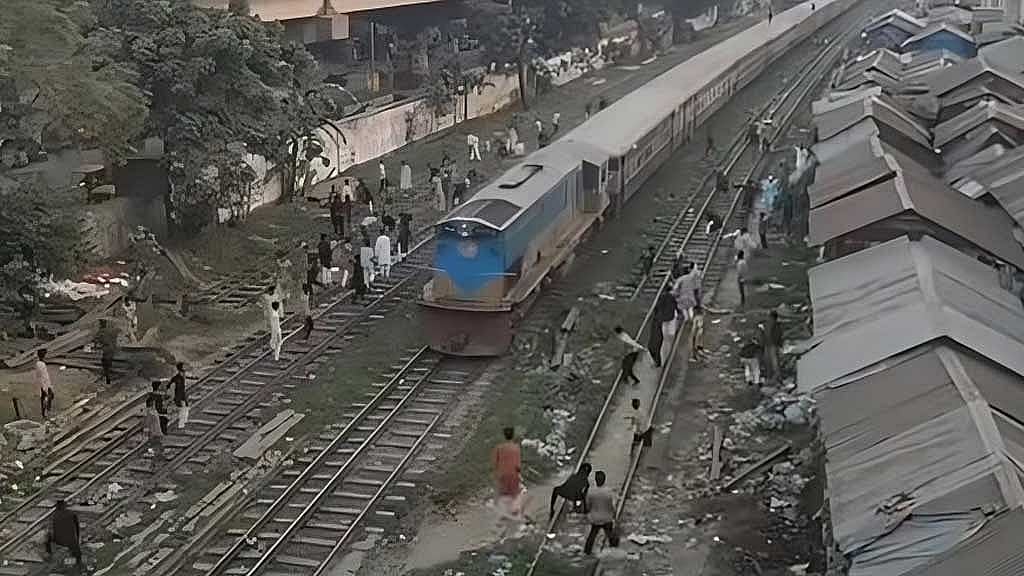
As the Drutojan Express sped towards Dhaka from Panchagarh on Tuesday afternoon, an unidentified person hurled a stone at the moving train in Sirajganj's Kamarkhand Upazila.
The rock smashed through the window and struck the higher secondary student beneath his right eye.
Doctors later delivered devastating news: the bone beneath the eye had been fractured, and the vision in his right eye was unlikely ever to return.
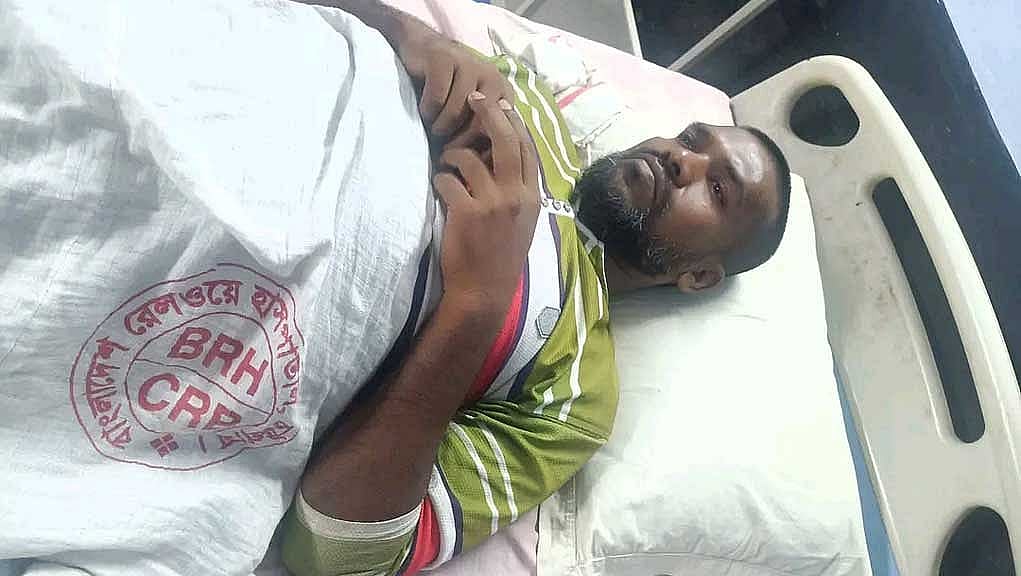
The Bangladesh Open University (BOU) student was first treated at Jamtail Railway Station before being rushed to the National Institute of Ophthalmology and Hospital in Dhaka. He was later transferred to the National Institute of ENT for surgery.
"My son's eyesight is unlikely to return," his father Dulal Hossain told bdnews24.com citing doctors.
"The bone beneath the eye has been smashed. He has been shifted [to ENT institute] for surgery."
The operation is expected to cost around Tk 150,000.
"We couldn't arrange that amount in a single day. If we can manage the money by Thursday, the operation will go ahead."
Sabbir's ordeal is only the latest in a long list of victims of an attack that has become disturbingly routine across Bangladesh's railway network.
Recurring Danger
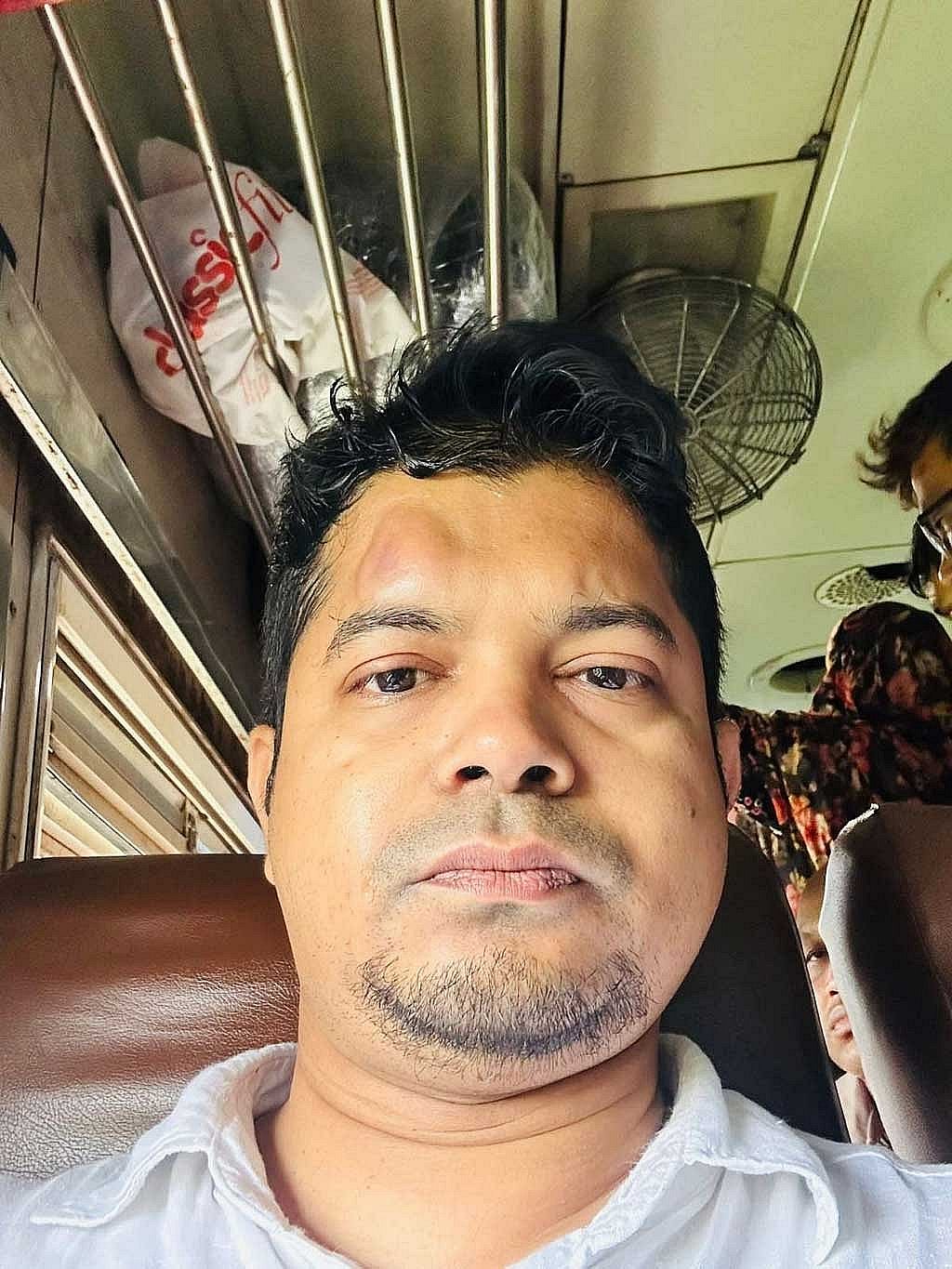
Barely two months ago, National Heart Foundation physician MAB Siddiq Majumdar narrowly escaped losing an eye when a stone struck his forehead aboard the Parabat Express near Bhairab.
Travelling from Sylhet to Brahmanbaria on May 17, he was hit moments before the train crossed a bridge after Daulatkandi.
"The stone hit my forehead. Had it landed slightly differently, I could have lost an eye," he recalled.
In a Facebook post afterwards, he appealed directly to those responsible.
"Your twisted amusement could have caused me irreparable harm. By the grace of Allah, I escaped with minor injuries. Please don't throw stones at trains. Don't harm people."
Although it was the first time he had been targeted, the doctor said the problem was hardly new.
"I've travelled this route since childhood. I've seen people throw stones before. I never imagined I would become a victim myself. The area before Bhairab is a very common spot."
Similar attacks continue across the country.
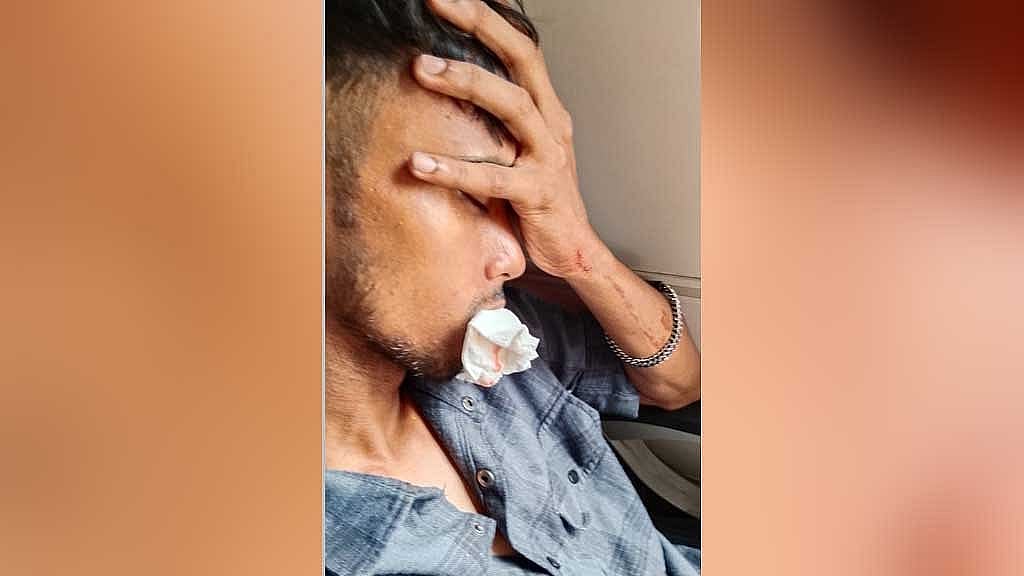
In April, two passengers aboard the Cox's Bazar Express were injured after stones were hurled at the train in Chakaria. One passenger lost four teeth and suffered severe facial injuries.
Days later, the driver of a Chittagong University shuttle train sustained head injuries after stones struck the locomotive near Amin Jute Mills.
A Threat Measured in Hundreds
Bangladesh has no comprehensive national database tracking such attacks. But figures compiled from Bangladesh Railway, BUET's Accident Research Institute and passenger welfare organisations paint an alarming picture.
• Bangladesh records around 150 to 200 stone-throwing incidents every year.
• Over the past decade, the number is estimated at 1,500 to 2,000.
• In 2023-24, the Eastern Zone alone recorded 145 incidents, injuring 39 passengers and railway staff.
• The Cox's Bazar route reported 38 attacks and 14 injuries in a year.
• At least 116 incidents were recorded nationwide in 2022, and 110 in 2021.
Passenger rights group Bangladesh Jatri Kalyan Samity describes stone attacks as one of the biggest threats to railway safety, estimating that 10 to 12 people have died and hundreds more have been injured over the past decade, with many left permanently disabled.
The attacks also inflict financial losses.
Bangladesh Railway says between 500 and 600 train windows are damaged annually. Replacing each specialised window costs between Tk 5,000 and Tk 15,000, creating a financial burden alongside the human toll.
Why Does It Keep Happening?
For years, the common explanation has been simple: curiosity.
Road Safety Foundation Executive Director Sayedur Rahman believes many attacks are driven by little more than reckless amusement.
But others argue that explanation no longer holds.
Prof Hadiuzzaman, former director of BUET's Accident Research Institute, says the persistence and concentration of attacks demand a more serious investigation.
"The government must seriously examine whether some group is trying to make railways unpopular," he told bdnews24.com.
"There appears to be no obvious benefit for those throwing stones. It is not sabotage for robbery. It simply creates fear among passengers. The authorities must seriously investigate who is behind this and why."
He noted that many attacks recur in the same locations, particularly near densely populated settlements, isolated railway bridges and stretches lined with thick vegetation.
Among the country's most vulnerable locations are Tejgaon, Tongi, Joydebpur, Ramu, Sitakunda, Bhairab, as well as parts of Khulna, Rajshahi and Ishwardi in the railway's western zone.
Prof Hadiuzzaman urged authorities to install long-range surveillance cameras, strengthen monitoring at recurring hotspots and involve local communities in preventing attacks.
He also proposed awareness campaigns through schools, colleges, mosques and civic organisations, alongside local committees that could alert law enforcement to suspicious activity.
Prof Md Omar Faruk of Mawlana Bhashani Science and Technology University's Department of Criminology and Police Science rejected the notion that curiosity alone explains the phenomenon.
"One or two incidents may happen out of curiosity," he said. "But when it occurs repeatedly, we must be capable of understanding the deeper significance."
He believes juvenile gangs, drug abuse and broader social frustrations all contribute.
"Some see train passengers as privileged while they themselves feel deprived. That sense of inequality can turn into symbolic acts of violence intended to send a message."
He called for dedicated surveillance teams, CCTV coverage along railway corridors and local intelligence networks supported by modest government incentives.
What the Law Says
Under the Railway Act of 1890, throwing stones at moving trains is a serious criminal offence.
Depending on the consequences, offenders face up to life imprisonment, while attacks resulting in death can also lead to prosecution under the Penal Code's murder provisions, carrying the possibility of the death penalty.
Yet convictions remain rare because identifying perpetrators is notoriously difficult.
Railway Fights Back
Railway officials acknowledge the attacks are increasing.
Farid Ahmed, general manager of Bangladesh Railway's Western Zone, said awareness campaigns are under way in schools, colleges and mosques, while Railway Security Force personnel and Government Railway Police have been instructed to remain vigilant.
Chittagong Divisional Transport Officer Farhan Mahmud admitted the problem is particularly acute on the Ramu section, adding that shortages of GRP and Railway Security Force personnel continue to hamper enforcement.
Railways Secretary Md Fahimul Islam said the attacks occur not only in Ramu but also in places such as Brahmanbaria and Akhaura.
He blamed a lack of public awareness, saying some attacks were committed "playfully" while others were deliberate.
The ministry, he said, has already launched awareness campaigns in the eastern zone.
Road Transport Minister Shaikh Rabiul Alam has also stressed community engagement, saying local residents must be made more aware of the devastating consequences of throwing stones at moving trains.
For passengers like Sabbir, however, those efforts come too late.
His shattered eye is a stark reminder that what some dismiss as a prank can, in an instant, become a life sentence.