Published : 24 Jul 2026, 07:28 AM
Updated : 08 Sep 2026, 09:27 AM


Presidency in Balance
Clear road to transition: Constitution guarantees no power vacuum if President steps down, with speaker stepping in as interim head
Awaiting speaker's return: Speculation mounts that Shahabuddin's resignation hinges on the Speaker's return from Thailand
Decisive vote: With an overwhelming majority, the ruling BNP is poised to determine the nation's next president
For nearly two days, whispers of President Mohammed Shahabuddin's impending resignation have dominated Bangladesh's political conversation.
What began as a Facebook post by an exiled Bangladeshi journalist has steadily gathered credibility, with Bangabhaban officials and people close to the president indicating that he has decided to step down, pending constitutional formalities.
No official announcement had come from Bangabhaban by Thursday evening. Yet as speculation intensified, another question began to eclipse the rumours themselves: what happens if the country's president resigns?
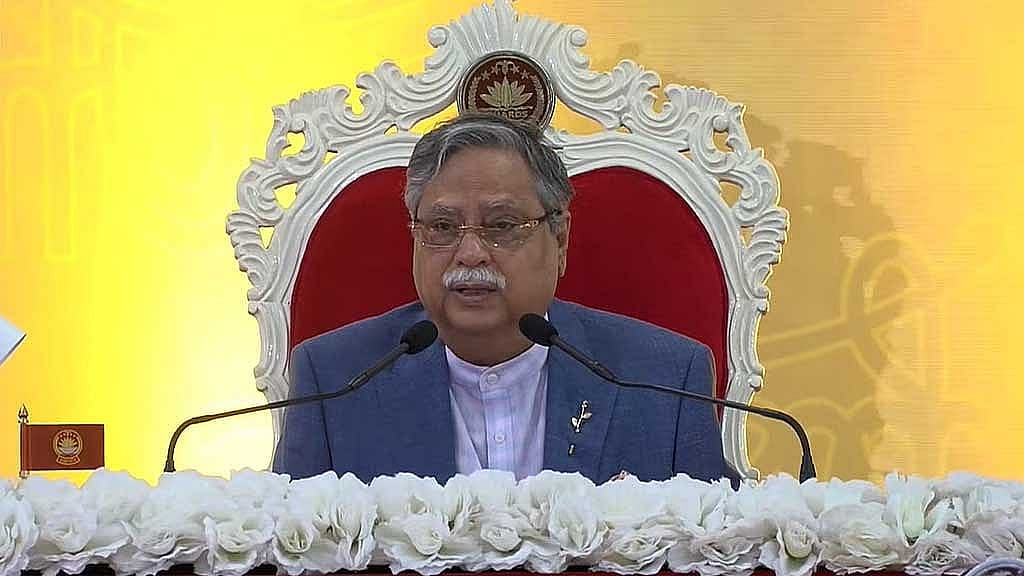
Bangladesh's Constitution offers a straightforward answer. The presidency may fall vacant, but the office itself never does.
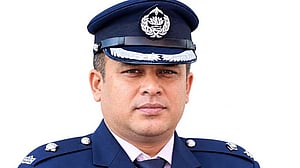
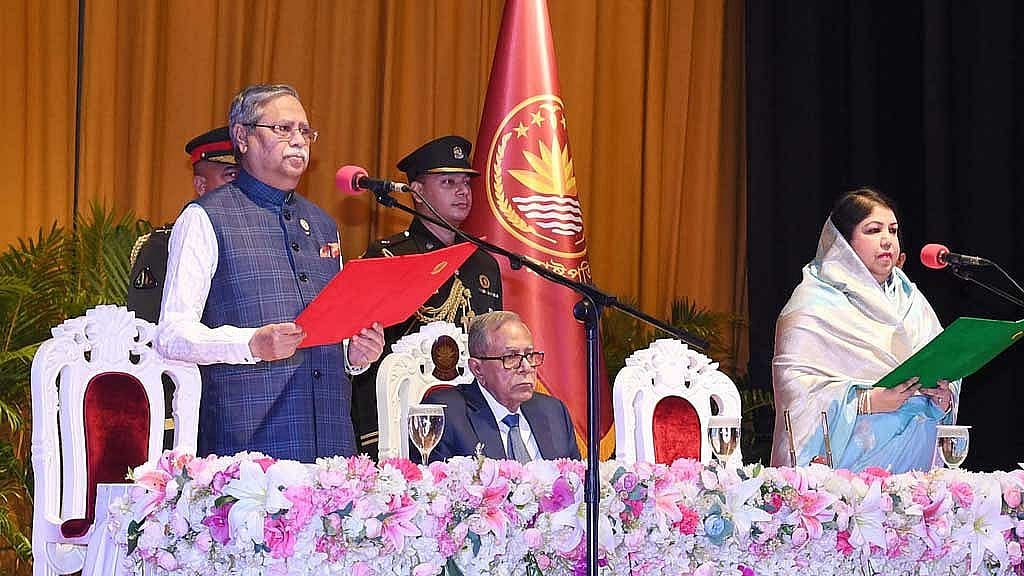
Constitutional experts say there would be no vacuum. Speaker Hafiz Uddin Ahmad would immediately begin discharging the president's constitutional responsibilities until a new head of state is elected and sworn in.
Former Chittagong University public administration professor and parliamentary affairs researcher Nizam Uddin Ahmed said, "After the office of the president falls vacant, the speaker will perform the duties until the new president assumes office. Therefore, there will be no interruption in the discharge of constitutional responsibilities."
Rumours Gather Momentum
The latest speculation erupted after UK-based Bangladeshi journalist Zulkarnain Saer's Facebook post claimed Shahabuddin would resign within days, citing health reasons.
Saer also claimed that Cabinet Secretary Nasimul Ghani, rather than a senior BNP leader, was among the preferred names to become the next president.
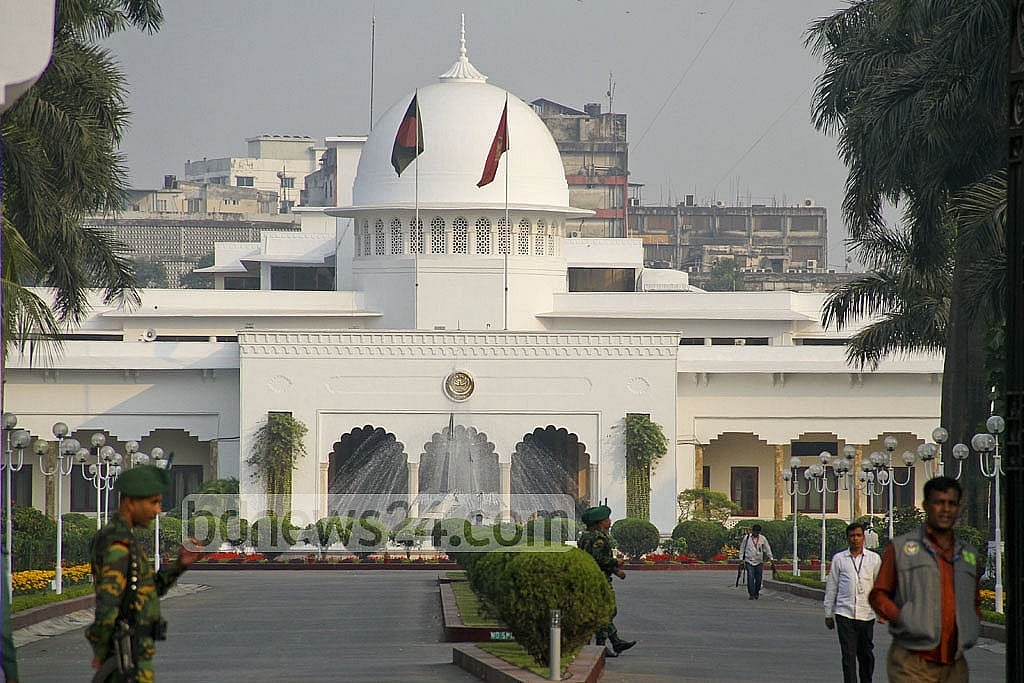
On Thursday, multiple officials at the President's Office and a person close to Shahabuddin told bdnews24.com that he had indeed decided to resign. The only remaining hurdle, they said, was the speaker's absence from the country.
Speaker Hafiz Uddin travelled to Thailand on Jul 19 for medical treatment and was originally due back on Jul 26, although officials later indicated he could return earlier.
When contacted, the President’s Press Secretary Md Sarwar Alam said: "He has not yet signed the resignation letter. If he resigns, we will inform you."
A senior Bangabhaban official offered a more revealing explanation.
"The person to whom he must submit the resignation is not in the country. So there is no opportunity to resign now."
He added that Shahabuddin had already decided to step down.
"He has decided to resign, whether for health reasons or personal reasons."
A person close to the president said Shahabuddin had already informed his officials that he might leave Bangabhaban within days once the speaker returned.
How Does a President Resign?
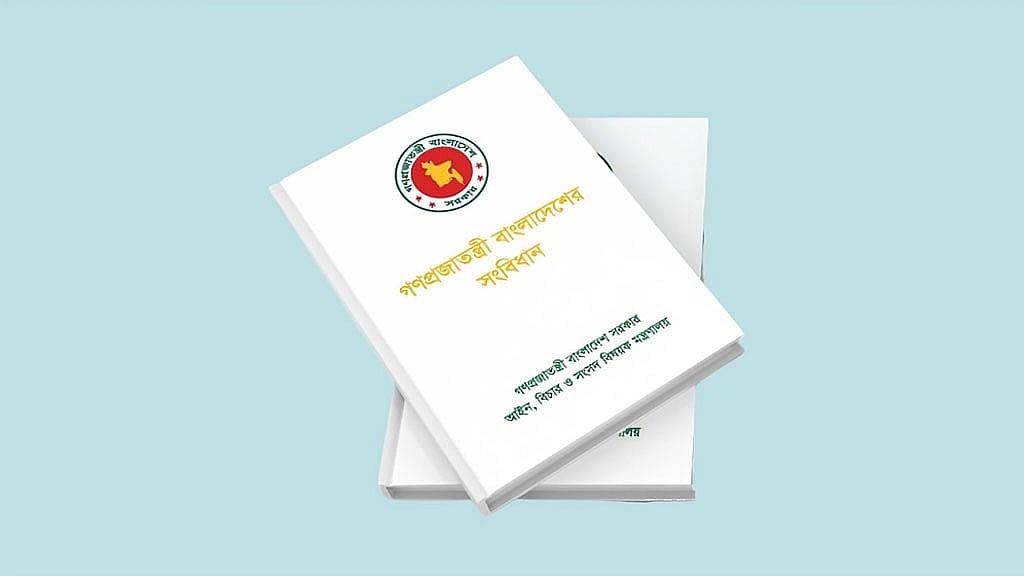
Article 50(3) of the Constitution provides a remarkably simple procedure.
A president resigns by submitting a signed letter addressed to the speaker. The Constitution does not require any explanation, parliamentary approval or the speaker's consent. Nor does it require the speaker to be physically present to receive the letter.
Once the office becomes vacant, Article 54 immediately comes into effect. The speaker temporarily performs the president's constitutional functions until a newly elected president assumes office.
The speaker does not become president; he merely exercises the office's constitutional powers during the transition.
Choosing the Next President
Shahabuddin was elected unopposed on Feb 13, 2023, with the backing of the Awami League, and took office on Apr 24 that year. His five-year term ends in April 2028.
Although he serves as commander-in-chief of the armed forces, Bangladesh's president performs largely ceremonial duties under the parliamentary system, with executive authority resting with the prime minister and cabinet.
Article 123(2) requires a presidential election within 90 days if the office becomes vacant through resignation, death or removal.
Under Article 48(1), members of parliament elect the president.
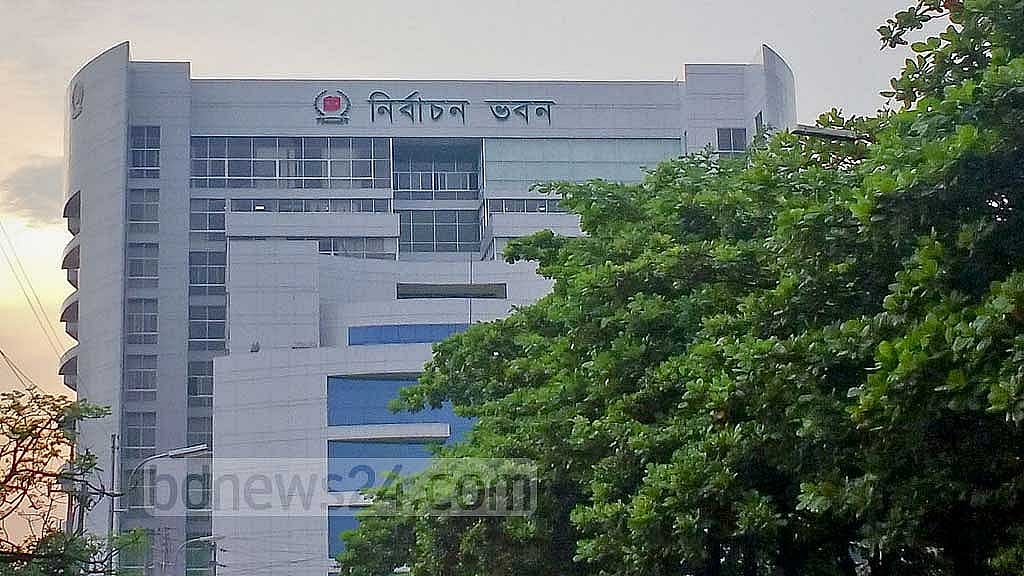
The Election Commission, led by the chief election commissioner, conducts the election after preparing the electoral roll of MPs and announcing the schedule in consultation with the speaker.
Candidates must be at least 35 years old and eligible to become members of parliament. They do not have to be MPs themselves but must secure a proposer and a seconder from among serving lawmakers.
If only one valid candidate remains after scrutiny and withdrawal, the Election Commission declares that candidate elected unopposed. If more than one candidate contests, MPs vote openly rather than by secret ballot.
Each lawmaker casts one vote, signing beside the chosen candidate's name on the ballot. The candidate with the highest number of votes wins. A tie is resolved by lottery.
With the BNP holding an overwhelming parliamentary majority, its nominee would be strongly favoured to prevail unless an unexpected political contest emerges.
The successful candidate begins a fresh five-year term from the day of taking office rather than completing the remainder of Shahabuddin's tenure.
Nizam Uddin noted, "In a parliamentary system, announcing a party nomination does not conclude a presidential election. If there is more than one valid candidate, members of parliament have the opportunity to contest through voting."
Since parliamentary democracy was restored in 1991, only one presidential election has required a vote. BNP nominee Abdur Rahman Biswas defeated Awami League-backed former chief justice Badrul Haider Chowdhury. Every subsequent presidential election has been uncontested.
A Presidency Marked by Upheaval
Shahabuddin's presidency took a dramatic turn just 16 months after he assumed office, when the Awami League government fell during the July-August 2024 mass uprising and Sheikh Hasina fled to India.
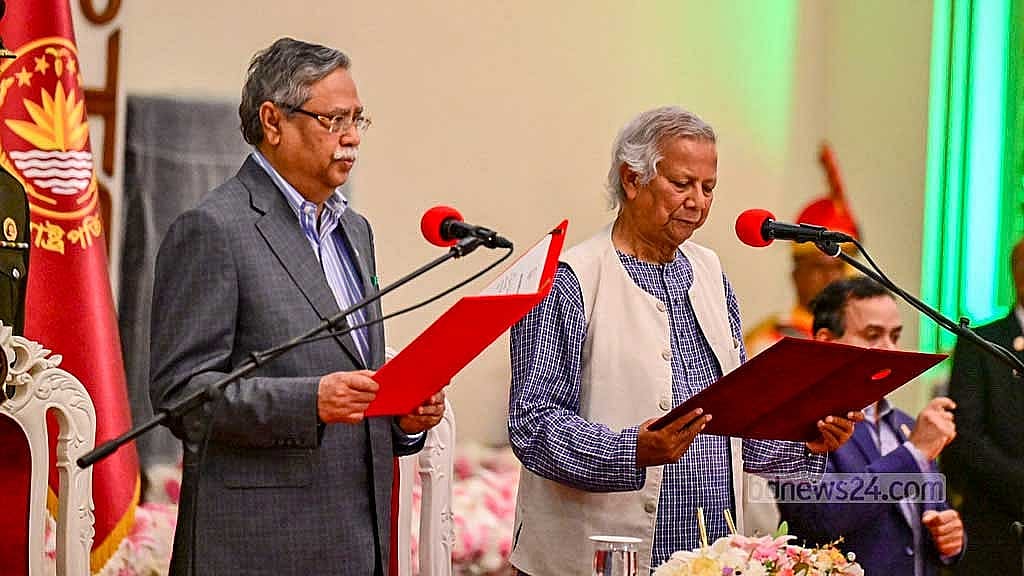
Despite the political upheaval, Shahabuddin remained in office. He formally dissolved parliament, administered the oath to the interim government led by Nobel laureate Muhammad Yunus, and signed ordinances required to implement its decisions.
Last October, several groups aligned with the uprising demanded his resignation. The BNP opposed the move, warning it could trigger a constitutional crisis.
In an interview with Reuters before the February 2026 election, Shahabuddin made little secret of his own thinking.
"I am eager to leave. I want to go."
Asked later by bdnews24.com when he wished to resign, he replied: "When the new government comes... if the new government requests it."
Asked why, his answer was brief.
"I don't like it."
Although the BNP formed the government after February's election, Shahabuddin remained in office and administered the oath to Prime Minister Tarique Rahman and his cabinet.
Afterwards, he publicly acknowledged the BNP's support during one of the most difficult periods of his presidency, saying: "The BNP supported me one hundred percent during my difficult time."
His health has also remained under close scrutiny. During a medical visit to Britain in May, doctors at Royal Papworth Hospital in Cambridge discovered a serious blockage in one of his coronary arteries during an angiogram and immediately inserted a stent through angioplasty.
He returned home nine days later, with Bangabhaban describing his condition as stable.
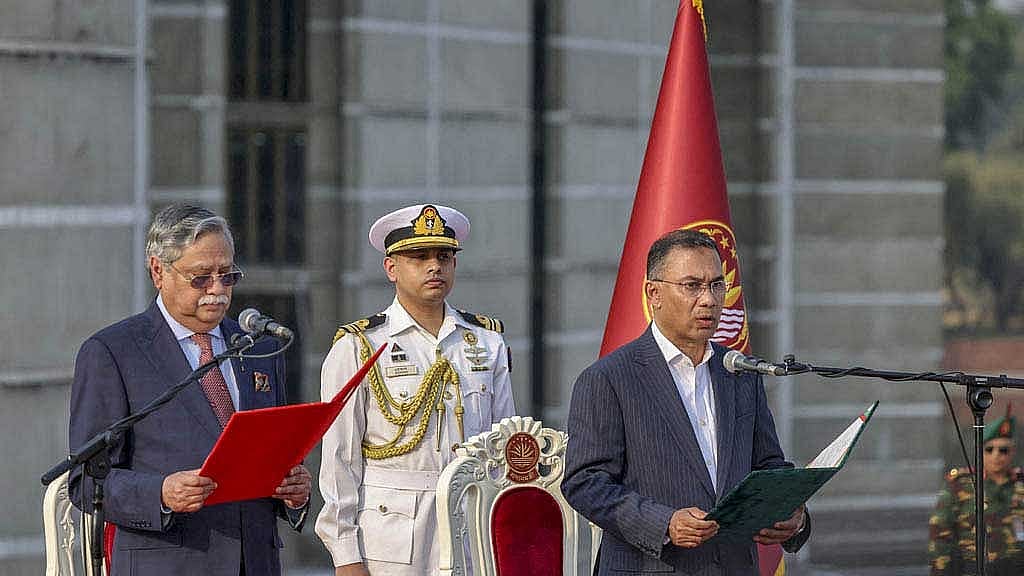
Even while receiving treatment in London, Shahabuddin continued approving official government documents electronically.
If he now follows through on his reported decision to resign, Bangladesh will be revisiting a constitutional precedent last seen in 2002, when former president AQM Badruddoza Chowdhury resigned after losing the confidence of the BNP.
Then, as now, the speaker temporarily assumed presidential duties before a new head of state was elected.
The Constitution has navigated such a transition before. Whether the politics surrounding it prove equally orderly is a far more uncertain question.