Published : 11 Aug 2026, 07:07 PM
Updated : 08 Sep 2026, 09:32 AM


Indian designer Sabyasachi Mukherjee is returning to New York Fashion Week nearly two decades after his first show there, with a fine jewellery collection developed through a multiyear collaboration with The Metropolitan Museum of Art.
On Sept 15, Mukherjee will unveil the first chapter of the collaboration, drawing on the museum's collections of Byzantine art and material culture, according to WWD, the fashion trade publication.
The debut will focus solely on high jewellery alongside Sabyasachi's cross-seasonal ready-to-wear and accessories collections.
Future chapters are likely to extend into jewellery, accessories and clothing.
Mukherjee said his return reflects both the growth of his company and a shift in the global luxury market, where customers are increasingly seeking less ubiquitous brands and products rooted in quality, authenticity, craftsmanship and discovery.
He sees shift as an opportunity for Indian luxury houses to move beyond supplying gemstones, textiles, embroidery and specialised craftsmanship for global brands.
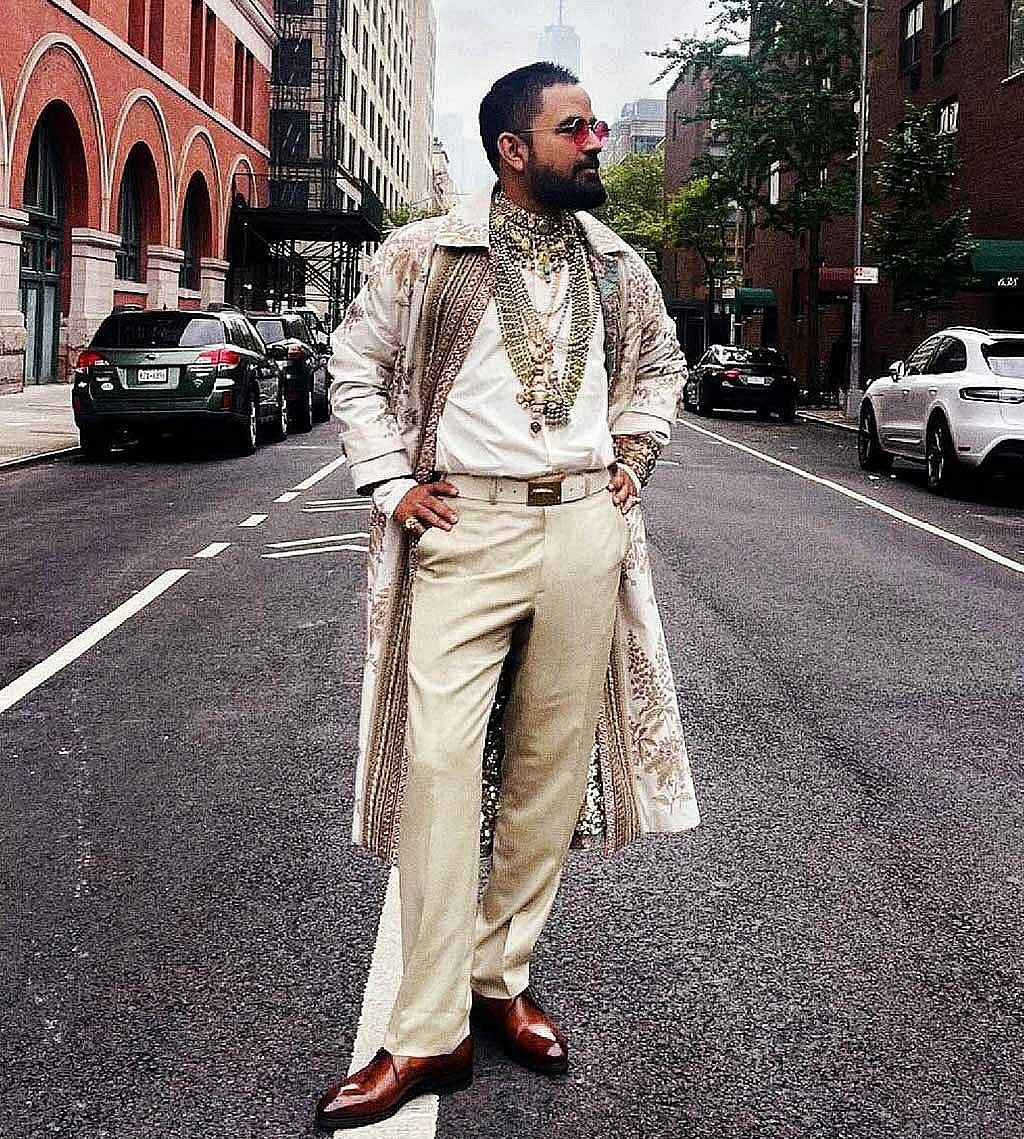
“For a long time, the world came to India to make luxury,” Mukherjee told WWD. “I think it is time for India to take our luxury to the world. Sabyasachi has a role to play in that.”
The Met collaboration gives that ambition a prominent platform, drawing on more than 5,000 years of art and culture and interpreting the museum's holdings through Sabyasachi's design language and India's living craft traditions.
Mukherjee said his research into The Met's collections reinforced his belief that modernisation has cost the world much of its craftsmanship.
He sees India as unusual because many specialised techniques remain in practice and continue to pass between generations.
For the first collection, he turned to Byzantium, drawing on imperial medallions, architectural ornament, ancient statuary and stonework, religious iconography and jewellery.
The references also reflect the civilisation's position at the crossroads of Egyptian, Greek, Roman and Persian influences.
Some pieces translate those references directly through Sabyasachi's opulent use of materials.
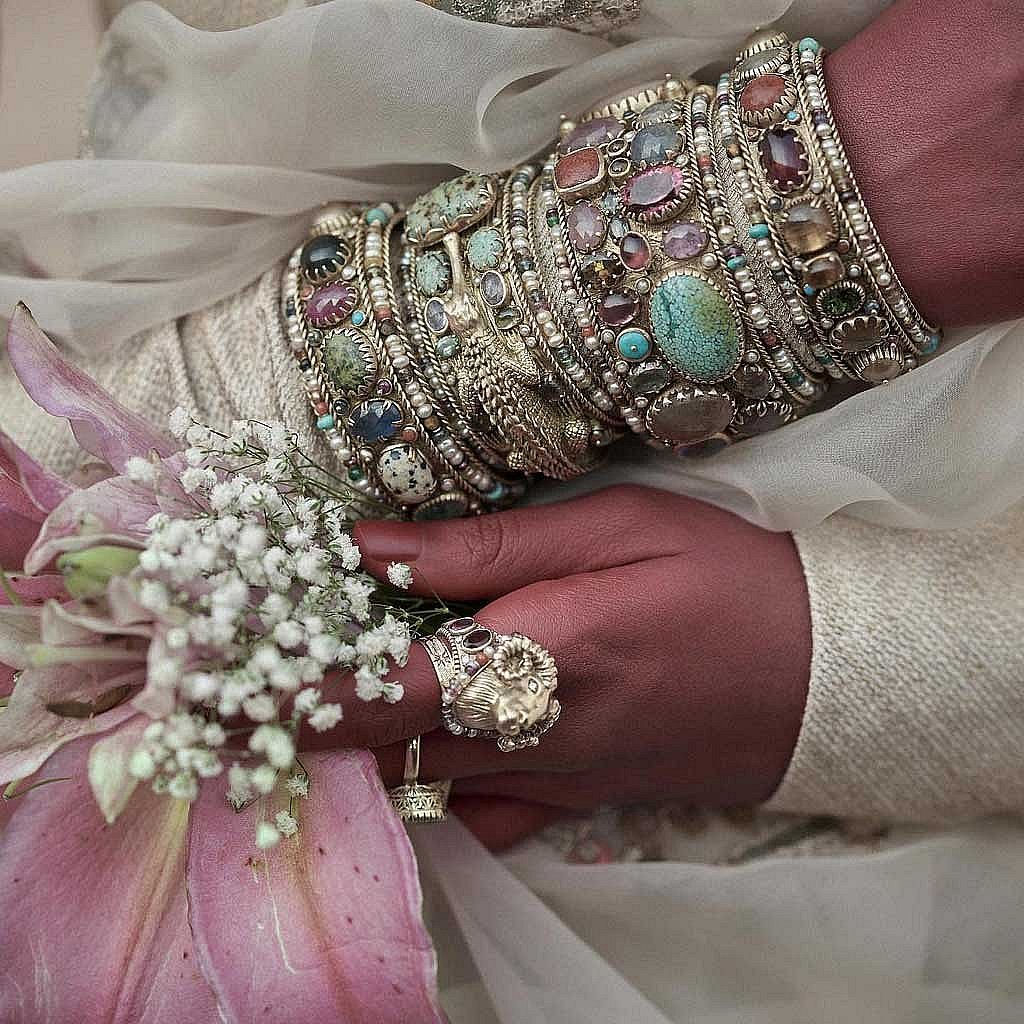
Gold cuffs set with garnet and tourmaline cabochons draw from third-century Roman sarcophagi, while a pendant necklace combining tourmaline, garnet, jasper, lapis lazuli and jade references a Roman funerary relief.
A tiger-claw necklace in 18- and 22-karat gold, set with tourmaline, jade cabochons and brown diamonds, reinterprets a 12th-century Italian or Byzantine carved panel depicting animals.
Mukherjee said he was particularly drawn to Byzantine jewellery's mosaic-like combination of precious gemstones with less intrinsically valuable materials, an approach that aligns with his own jewellery philosophy.
He also argues that high jewellery's value will increasingly depend on design, craftsmanship and provenance rather than the intrinsic worth of its stones.
That philosophy feeds into his wider vision for Indian luxury. Mukherjee sees generations of craft knowledge as creative and intellectual capital that must carry enough economic value to sustain the people who practise it.
“The future of Indian luxury cannot only be about being an anonymous part of somebody else’s supply chain,” he said, arguing that Indian companies should own their intellectual property, designs, brands and cultural narratives.
As technology and machine production reshape manufacturing, Mukherjee believes the visible imperfections of human craftsmanship will become increasingly valuable.