Published : 23 Sep 2026, 01:05 PM
Updated : 23 Sep 2026, 01:05 PM


US President Donald Trump used the United Nations General Assembly to offer Iran two starkly different paths: a deal that could allow the country to rebuild, or renewed military action with devastating consequences.
But while Trump paired threats with talk of a deal from the UN podium, diplomacy was also gathering pace in New York and at its centre is one of the world’s most important energy chokepoints: the Strait of Hormuz.
Before the war, the narrow waterway accounted for around 20 percent of the world’s daily crude oil and liquefied natural gas supply. Months of disruption have squeezed energy flows, raised shipping risks and forced import-dependent countries, such as Bangladesh, to scramble for alternatives.
Now Washington and Tehran are again exploring diplomacy while Gulf producers find ways to move more oil around the blockage.
The question is whether that can translate into a meaningful reopening of Hormuz — and relief for countries already paying the price of its disruption.
Peace or War
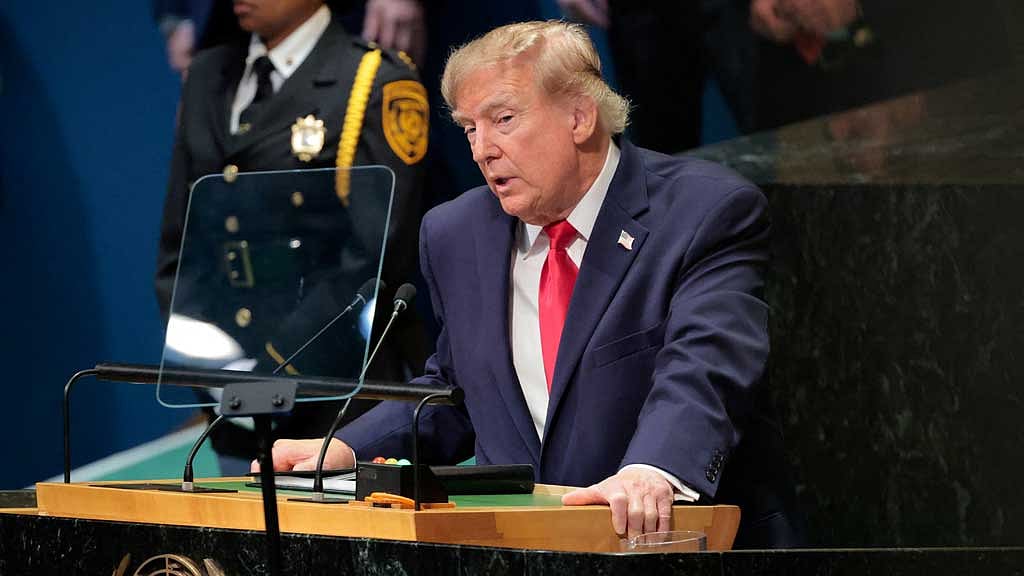
Addressing the General Assembly on Tuesday, Trump said he faced a “big decision” over Iran.
“Will a deal be made with Iran that lets them rebuild and create a far greater country than it ever was before?” he asked.
“Or do I annihilate the Islamic Republic and do it quickly, never giving them a chance to kill and destroy people and countries again?”
The remarks captured the two tracks of Washington’s approach: Trump held out the prospect of an agreement while making clear that further military action remained an option.
Iran’s armed forces dismissed the threat as propaganda and said they were prepared to inflict more severe blows if attacked.
Away from the speeches, however, dialogue continued.
US envoy Steve Witkoff said mediators shuttled between Washington and Tehran during lengthy discussions on Tuesday.
Trump initially told reporters that US officials had held a “very good” three-hour meeting with the Iranian delegation, but later clarified that Witkoff and Jared Kushner had met mediators rather than Iranian officials directly.
A senior Iranian official told Reuters that Tehran could reopen Hormuz to Gulf shipping within seven days if Washington eased military pressure and lifted its blockade on Iranian ports.
The official said Tehran’s proposal had already been conveyed to Washington through mediators.
Hormuz Remains a Long Way From Normal
Hormuz connects the Gulf with the Arabian Sea and serves as the main export route for several major energy producers, including Saudi Arabia, Iraq, the United Arab Emirates, Kuwait and Qatar.
Before the conflict began on Feb 28, about 125 large commercial vessels crossed the strait each day.
Preliminary shipping data cited by Reuters showed only two commodity vessels crossing on Monday.
The figures do not capture every ship because some vessels travel with their Automatic Identification System transponders switched off, but they underline the scale of the disruption.
The dangers have not disappeared either.
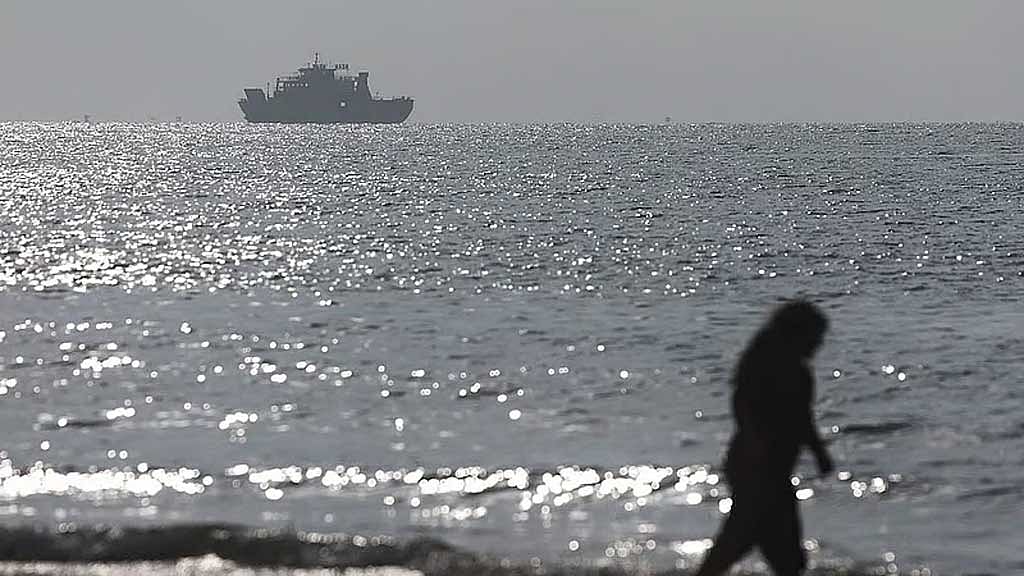
Reuters reported that a crude oil tanker and an LPG carrier were hit in separate incidents around the strait on Sunday and Monday. Responsibility for the attacks had not been established.
That means easing restrictions alone would not necessarily restore normal trade. Shipowners and insurers would also need confidence that vessels could cross safely.
Oil Has Alternatives, LNG Has Fewer
Some relief is already emerging without a full reopening of Hormuz.
Saudi Arabia has restarted its East-West pipeline after drone attacks forced it to shut earlier this month.
The pipeline carries Saudi crude across the kingdom to the Red Sea port of Yanbu, bypassing Hormuz.
Before the shutdown, the route had been carrying around 4 million barrels per day — roughly 4 percent of global supply. Reuters reported that pumping has resumed at a reduced rate, although restoring full capacity could take several weeks.
Saudi Arabia has also offered more crude to Asian buyers from outside the strait, while Iraq says it is increasing exports, including through Turkey.
Those developments, combined with hopes of US-Iran diplomacy, have improved the supply outlook and helped push oil prices lower.
But LNG presents a harder problem.
Qatar, one of the world’s biggest LNG exporters and an important supplier to Bangladesh, has no comparable large-scale route around Hormuz.
QatarEnergy has extended force majeure affecting supplies to Bangladesh as disruption to shipping prevents normal cargo movements through the strait.
That makes a safe and durable reopening of Hormuz considerably more important for LNG than the emergence of alternative routes for oil.
A UN Route?
Efforts to restore shipping are also moving beyond US-Iran contacts.
France has been working with the United States on a new UN Security Council initiative aimed at restoring commercial movement through Hormuz.
French President Emmanuel Macron said after meeting Trump that diplomatic options were being explored that could allow more container ships and oil tankers to transit even without a comprehensive settlement of the conflict.
Previous efforts have faced resistance from China and Russia amid concerns that proposed arrangements were tilted against Tehran.
The latest approach, according to diplomats cited by Reuters, is intended to focus more narrowly on freedom of navigation and commercial shipping without taking an offensive posture towards Iran.
Why Bangladesh is Watching
For Bangladesh, the disruption has already translated into costly emergency measures.
The government this month approved Tk 125.37 billion in refined fuel imports from China and Indonesia and waived normal tender requirements for another 695,000 tonnes of gas oil and jet fuel as it sought supplies outside the affected region.
Bangladesh has also stepped up LNG purchases as contracted supplies tightened.
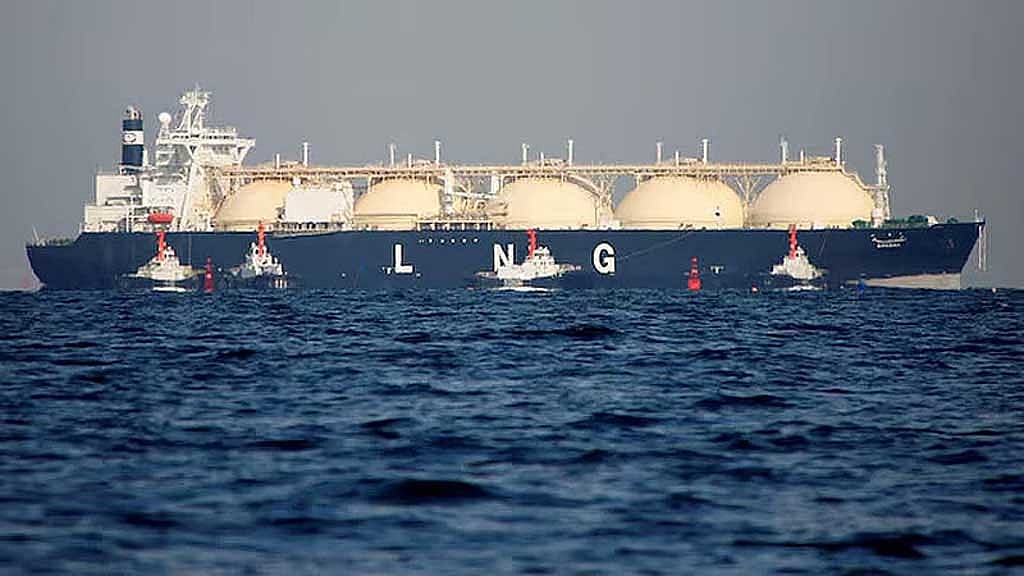
bdnews24.com reported last week that Asian spot LNG prices had climbed from around $10 per million British thermal units before the supply shock to nearly $30.
Two cargoes approved for October were priced at $28.95 and $29.795 per MMBtu.
The country’s two floating LNG terminals off Moheshkhali have meanwhile returned close to normal capacity, but the underlying gas shortage remains.
On Sept 16, total national supply stood at 2,624 million cubic feet per day against estimated demand of around 3,800 million.
A reopening of Hormuz could therefore matter to Bangladesh through more than crude prices.
It could help restore regular Gulf LNG supplies, increase cargo availability and ease pressure from higher freight, insurance and emergency procurement costs.
Oil producers, meanwhile, are finding more ways to work around the strait. Saudi Arabia’s pipeline is the clearest example, while ship-to-ship transfers near Oman have also helped keep crude moving at higher cost.
For LNG, the room to manoeuvre is much smaller.
That adds particular significance to the diplomacy in New York. An improvement in crude supply can offer some relief even without Hormuz returning to normal. Restoring regular Gulf LNG flows, however, depends much more directly on making the strait safe for commercial traffic again.
Trump’s speech made clear that Washington is keeping both diplomacy and military force on the table.
For Bangladesh and other energy importers, what emerges from that diplomacy will help determine whether the pressure from Hormuz begins to ease or remains a costly drag on energy supplies.