Published : 15 Mar 2024, 10:50 AM
Updated : 15 Mar 2024, 10:50 AM


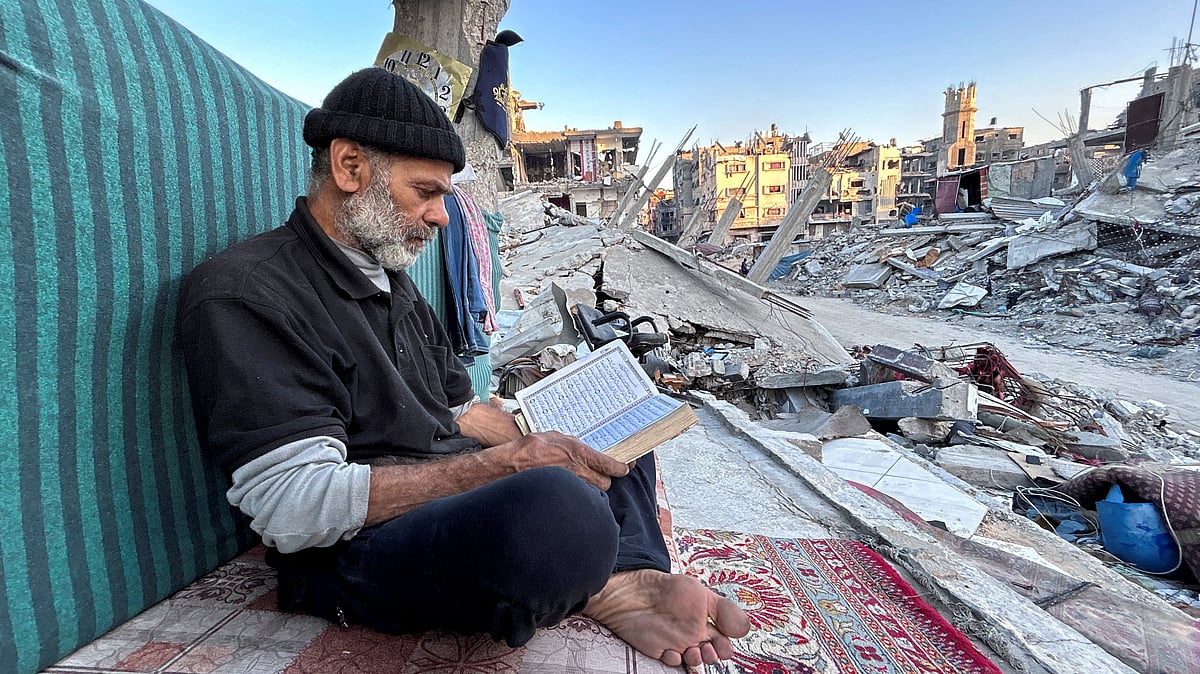
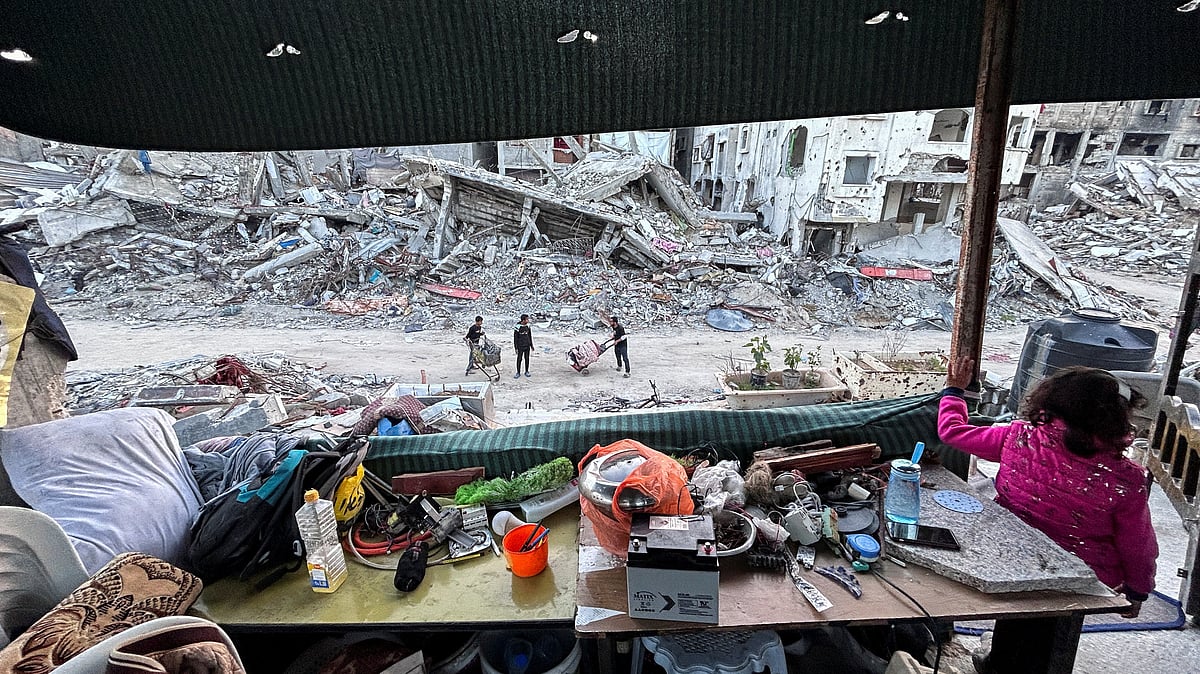
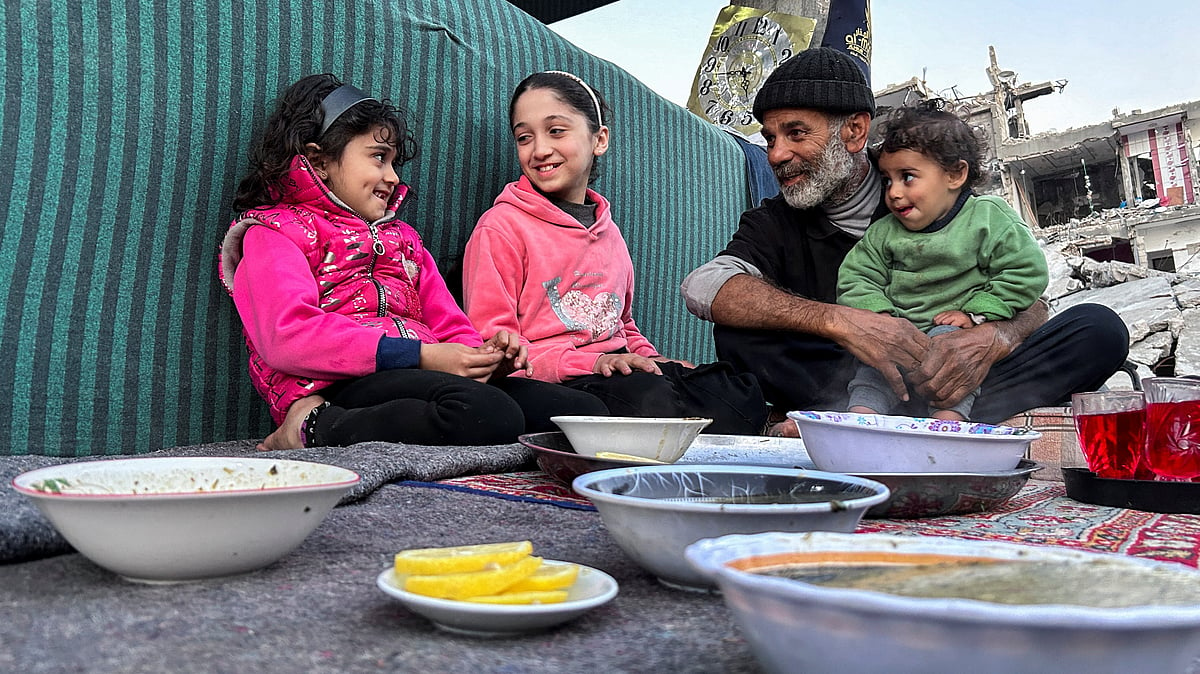
As the evening prayer sounded across Gaza's rubble, the Abu Rizek family broke their day's fast with a shared meal in the wreckage of their home, sadly recalling all they had lost in Israel's military campaign since last year's holy month of Ramadan.
While the family has managed to scrape together enough food for iftar, the sunset breakfast after a day without eating or drinking, many other people are far less fortunate in the stricken Palestinian enclave where famine looms.
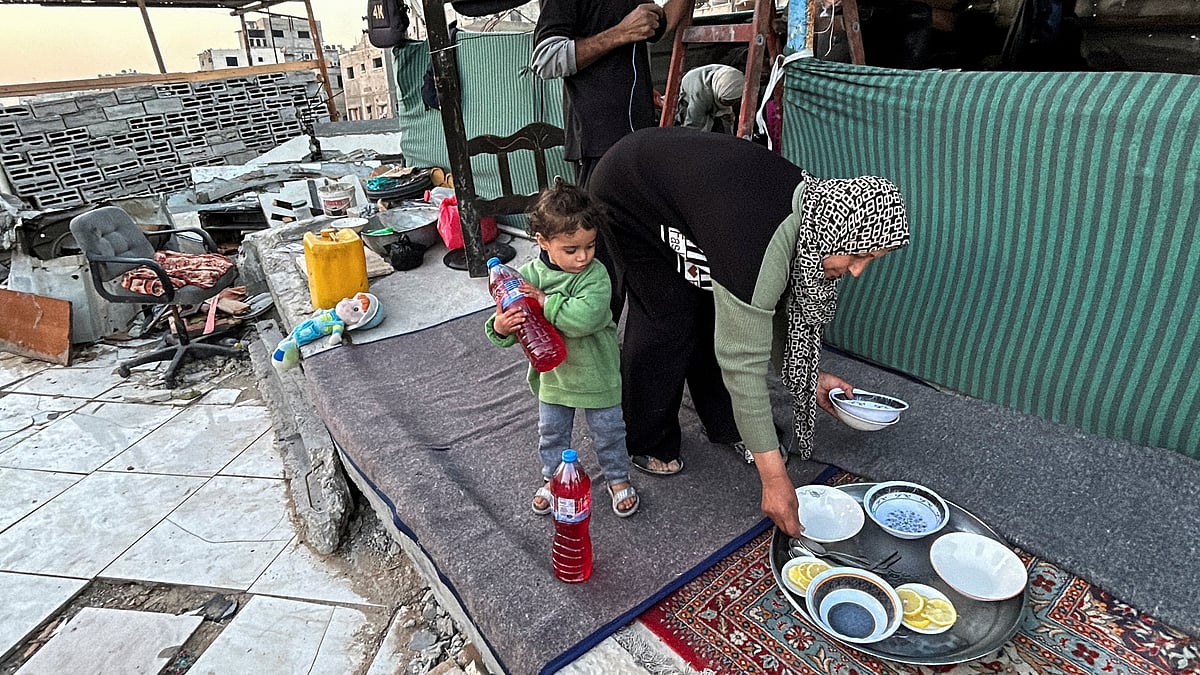
"Last Ramadan was great but this year it's not. A lot of things are not there any more. My sisters, my family. Our house was destroyed. There are still people under the rubble not pulled out," said Um Mahmoud Abu Rizek.
She sat cross legged between tumbled walls of concrete cooking over a fire.
"We only eat soup and canned food. A can of beans. We're so tired of canned food and we get sick of it. My son keeps saying his stomach hurts," she said, recalling the plentiful meals of past Ramadans.
Most years, families gather with friends and neighbours to sit up at night, eating, praying and celebrating together.
"This year there are no neighbours or loved ones. They're not here any more. It's only us and the children left, sitting here. I don't know what will become of us," she said.
The war in Gaza was triggered on Oct 7 when Hamas fighters rampaged into Israel, killing 1,200 people and seizing 253 hostages according to Israeli tallies.
Israel's pounding ground and air offensive since then has killed more than 30,000 people, according to health authorities in Hamas-run Gaza, and displaced most of the 2.3 million inhabitants.
Hopes for a Ramadan ceasefire fell apart with Israel and Hamas arguing over the terms.
With nearly all commercial food imports stopped, most Gaza residents are now entirely dependent on food aid. Many eat only at communal soup kitchens, including for their Ramadan iftar meal.
At one such kitchen in Rafah, people crowded round, holding up plastic bowls for a ladle of food.
"Every day we have 35 pots of food, but 35 pots is not enough. I swear even 70 pots is not enough," said volunteer Adnan Sheikh al-Eid, hoping to be able to feed more of the desperate, displaced people standing in line.
Like Abu Rizek, Eid, could only remember the joy of previous Ramadans. "There used to be decorations, food and drinks. This year there is sadness and despair," he said.
"I am 60 years old and I have never had a Ramadan like this," he added.