Published : 13 Mar 2026, 07:43 PM
Updated : 21 Aug 2026, 03:28 PM


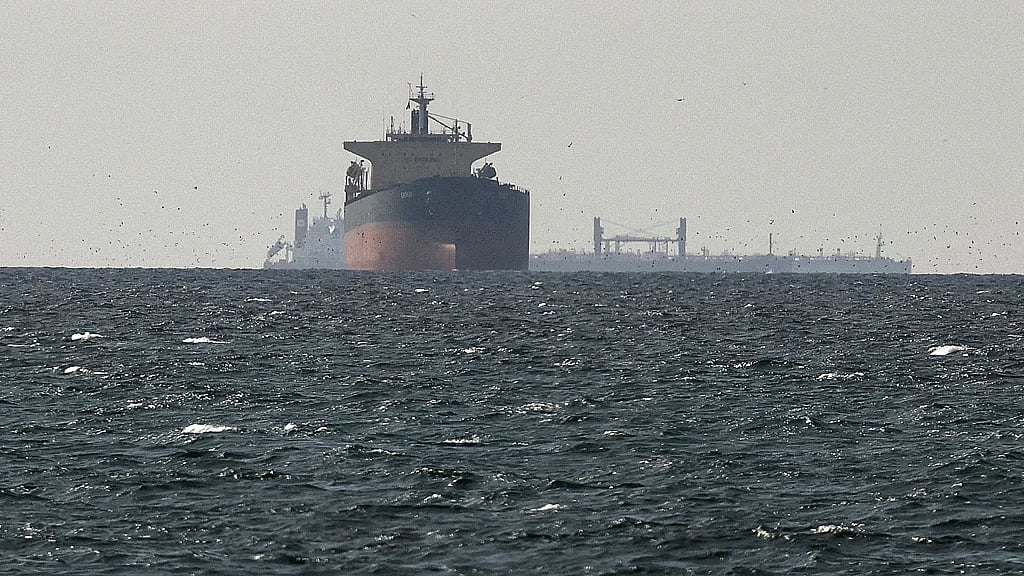
The near-shutdown of the Strait of Hormuz has trapped millions of barrels of crude oil since the start of the war in the Middle East, causing Gulf oil producers to suffer an estimated $15.1 billion loss in energy revenue, according to the Financial Times.
Estimates provided by commodities analytics firm Kpler say the state typically carries $1.2 billion worth of crude, refined products, and liquified natural gas each day.
Since Feb 28, traffic along the critical shipping route has ground to a halt as Iran has attacked vessels and insurance premiums have soared.
Crude oil accounted for the largest share of halted shipments, representing nearly 71 percent of the value.
Data analytics group Wood Mackenzie says Saudi Arabia, as the largest oil exporter, has missed out on $4.5 billion since the war started. However, the kingdom plans to significantly raise exports from the Red Sea in the coming days.

Peter Martin, head of economics at Wood Mackenzie, told the FT that Iraq is among the most exposed as it relies on oil production to raise 90 percent of oil revenue.
“Kuwait and Qatar are also highly exposed, but both can call on large sovereign wealth funds to buffer the short-term impact,” he added.
Wood Mackenzie estimates that Gulf oil producers – Saudi, Iraq, the UAE, Kuwait, and Bahrain – have collectively deferred sales and tax revenue of $13.3 billion for oil. It also estimates that QatarEnergy – the state owned oil company – had lost about $571 million in revenue by Wednesday after halting production on Mar 2.
Kpler says at least $10.7 billion worth of oil and oil products remains stranded in the strait, loaded but unable to reach their destinations.

The disruption may have uneven impacts on different producers. Saudi Arabia may be better positioned to absorb the costs than Iraq, argues Antoine Halff, co-founder of satellite analytics firm Kayrros.
Saudi has oil in overseas storage facilities that could be used to continue supplying customers for some time. It could also benefit from higher prices offsetting lost revenue.
Ultimately it will be consumers who are likely to bear the brunt of rising prices, Halff said.