Published : 11 Jul 2025, 02:31 AM
Updated : 21 Aug 2026, 01:30 PM


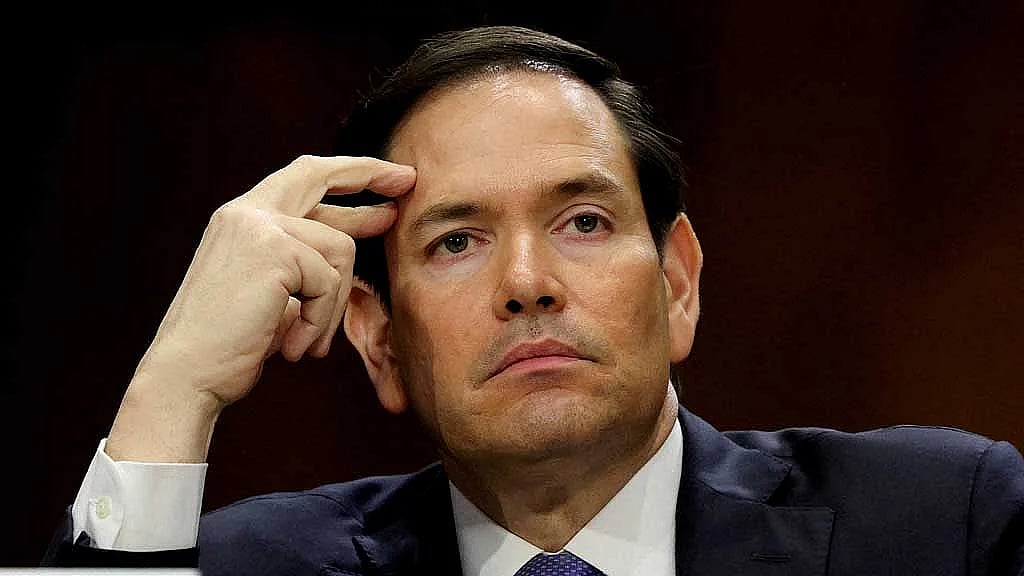
US Secretary of State Marco Rubio on Thursday responded to news that an individual used an artificially generated voice to impersonate him by saying that he communicates with counterparts around the world through official channels to avoid such risks.
According to a diplomatic cable seen by Reuters on Tuesday, the individual contacted three foreign ministers and two US officials last month, pretending to be Rubio.
Speaking to reporters during a visit to Malaysia, Rubio suggested there had been earlier attempted impersonations.
He said "within days of becoming secretary of state," a job he took over on Jan 21, he had had foreign ministers calling the State Department "asking if I had just texted them."
"This is just the reality of the 21st century with AI and fake stuff that's going on," he said. "Generally I communicate with my counterparts around the world through official channels for a reason, and that's to avoid this."
He added: "My sense is ... the target is the people they're reaching out to to try to trick them into a call or whatever, and who knows what they do with it."
He said more such incidents could be expected.
"I mean, not just me. It'll happen to other people, because all you need is a recording of someone's voice, and you can come up with it. So, yeah, it's just one of the other great challenges posed to us by AI."
According to the cable, in mid-June the imposter contacted the ministers, a US governor and a member of Congress via the Signal messaging app and left voicemails for at least two of them. In one instance, a text message was sent to invite the targeted person to communicate on Signal.
In March, the US administration faced a crisis when President Donald Trump's then-national security adviser, Mike Waltz, created a group chat on Signal where a journalist was accidentally added. Information about military strikes on Yemen was subsequently shared in the chat.