Published : 28 Jan 2026, 07:11 AM
Updated : 21 Aug 2026, 04:33 PM


A familiar storm has erupted ahead of the elections, with voters confronting the contradiction between lofty campaign promises and bitter reality.
Political leaders opened with pledges to move beyond attack and blame, promising to focus instead on jobs, economic recovery, and the nation’s future.
Yet within days, rhetoric turned acrid.
Leaders took to stages across the country, invoking historical grievances and accusing opponents of corruption and conspiracy, sometimes by name, sometimes by implication.
In Chuadanga and Lalmonirhat, such rhetoric spilt into clashes among party supporters, illustrating how words can quickly become violence.
Analysts note a deeper structural failure: Bangladesh has never cultivated a sustained culture of constructive, issue-based politics.
With each election, parties revert to the tactics they know best -- weaponising blame, fear, and mobilisation of anger.
Voters are divided. Some describe political abuse as a disease from which the nation must recover. Others, recalling the mass uprising of 2024, hoped for campaigns focused on future possibilities, not past grudges.
Yet many shrug, citing pressing daily struggles that leave them little time to follow political speeches.
ECHOES OF PAST ELECTIONS
Bangladesh has been here before.
In the 2018 parliamentary elections, the BNP returned to polls after boycotts, facing Sheikh Hasina’s Awami League.
While the Awami League warned of planned sabotage by the opposition, the BNP accused the government of rigging the vote.
Hasina then said, “They [BNP and Jamaat-e-Islami] have that kind of character. During the election they suddenly say, ‘we will not contest, we are withdrawing’, ‘they engage in terrorism and kill people…’.”
The Awami League framed the actions of the BNP, Jamaat, and Oikya Front as a “deep conspiracy” to create chaos.
The BNP, conversely, accused the government of using state machinery to intimidate voters.
By the 2024 election, mutual hostility had intensified. BNP Secretary General Mirza Fakhrul Islam Alamgir warned the government would find “no way to escape”, while Hasina threatened to return Khaleda Zia to jail if the party overstepped.
These memories loom over the current campaign.
BLAME GAME RETURNS
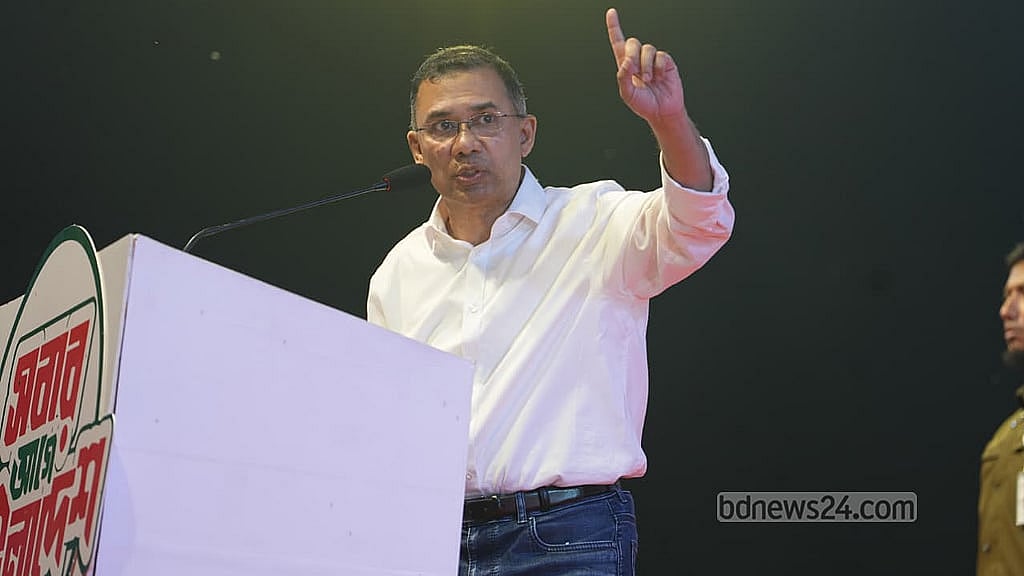
Before campaigning formally began, BNP Chairman Tarique Rahman addressed a Jashore rally via video link, signalling a desire for change.
“This politics of blaming one another will not fill people’s stomachs. We want to start doing the things that will actually fill people’s stomachs.”
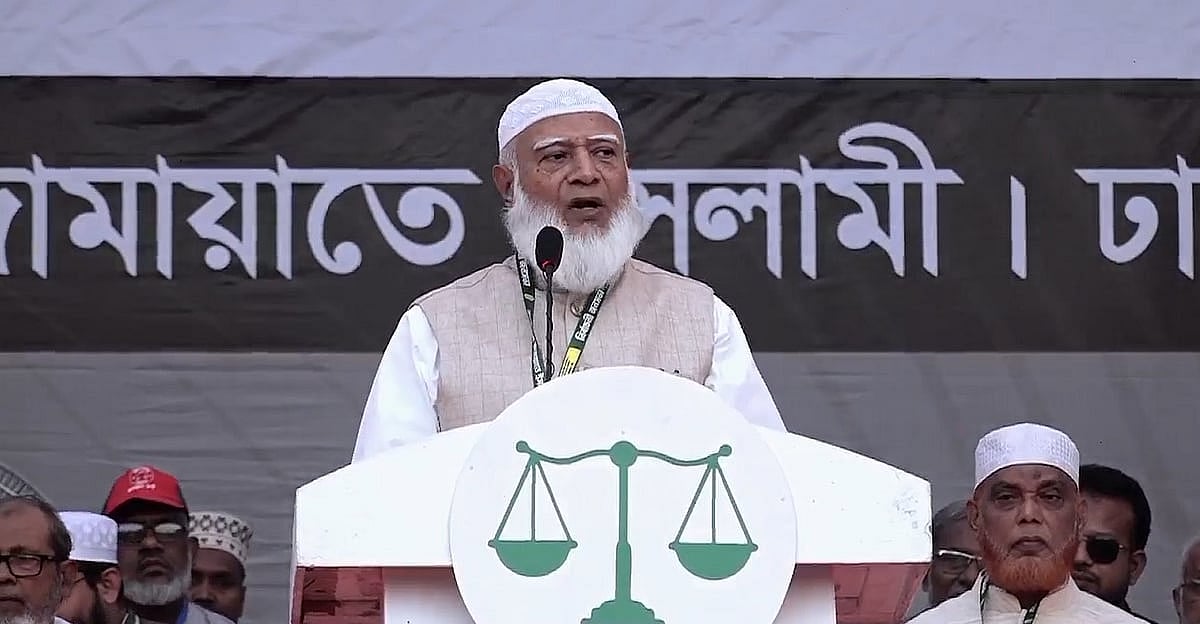
Jamaat chief Shafiqur Rahman echoed: “We do not want to criticise anyone.”
Despite these words, both parties swiftly returned to accusations. Tarique targeted Jamaat’s 1971 Liberation War role and alleged conspiracies to steal votes.
“We have read in the newspapers and seen on social media that they are making ballot papers disappear; they have taken all the ballots to their side -- meaning they have started the process of stealing votes again.”
He also said, “What have we seen in the past? Whenever something happens, some people run off to a neighbouring country… Again, we saw someone else had fled. Do you know where he went? He went to Pindi [Rawalpindi].
“They are taking bKash numbers, taking NID numbers, misleading mothers and sisters by saying different things.”
Shafiqur fired back in Dhaka, warning against extortion and accusing rivals -- without naming them -- of profiteering via “family cards”.
“We are not promising any such cards. What will a family get with Tk 2,000?”
NCP Convenor Nahid Islam added, “We hear there will be cards. We want people to get benefits. But will the card actually reach the people? Will they not have to pay a Tk 1,000 bribe to get a Tk 2,000 card?”
In Pabna and Sirajganj, Shafiqur claimed that post-July Uprising Jamaat had not engaged in extortion or seizures, though he declined to specify which stands might provoke anger.
NCP electioneering head Asif Mahmud Shojib Bhuyain offered one of the sharpest critiques: “In post-Uprising Bangladesh, one party has presented itself to the nation in the role of the Awami League.
“Their leaders and activists have exhausted the nation through corruption, terrorism and extortion. This election will decide whether corruption, terrorism, extortion and enforced disappearances will continue in the Bangladesh of tomorrow.”
PARTIES DEFEND THEIR APPROACH
The BNP and Jamaat insist they are not aggressive but factual.
BNP Standing Committee member Iqbal Hasan Mahmud Tuku said: “I will say Jamaat is an anti-independence party. They did not want this country. And now they want to rule it.
“I am a freedom fighter -- I will say this a thousand times. If they had got me then, would they have spared my life?”
Jamaat spokesperson Ahsanul Mahboob Zubair added, “When party leaders speak, they consider these matters. From our side, we usually focus more on our plans than on criticising others.
“When someone attacks us, we say what needs to be said to clarify things to the public. We do so reasonably, not unreasonably.”
Analysts, however, are far less sanguine.
Experts warn that such rhetoric risks sparking conflict on the ground.
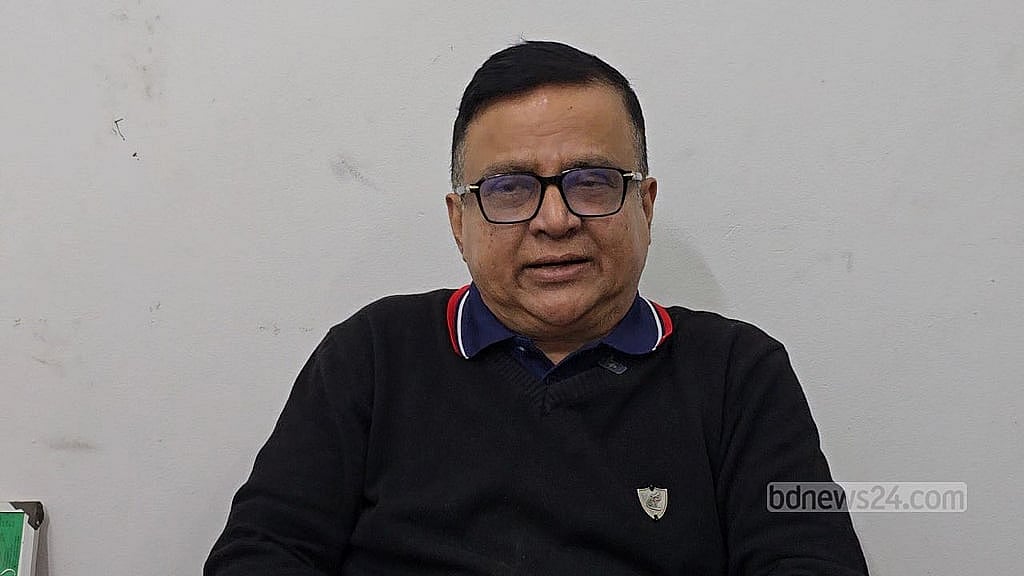
Political analyst Prof Sabbir Ahmed said, “If parties do not realise that what they are saying is wrong, conflict can emerge. That is why the Election Commission must keep watch.
“There must be a referee. If someone says something wrong, send a notice every day. If someone is warned repeatedly, they will listen at least a little.”
The Dhaka University political science professor added, “Campaigning should be about who will do what for the people. You can say ‘I will offer something better than a family card’ or ‘this will not solve the problem’.
“But there is no need to poke with lines like ‘you will have to pay extortion’.”
Religious references have also crept into campaigns. Tarique accused rivals of “Shirk” and claimed: “Allah sent earthquakes as a warning to the country.”
Sabbir Ahmed condemned the trend: “These things cannot be said in political campaigns. I condemn the way religious issues are being dragged into this election. Those who violate this should be punished.”
WHAT VOTERS SAY
Among ordinary voters, frustration is widespread.
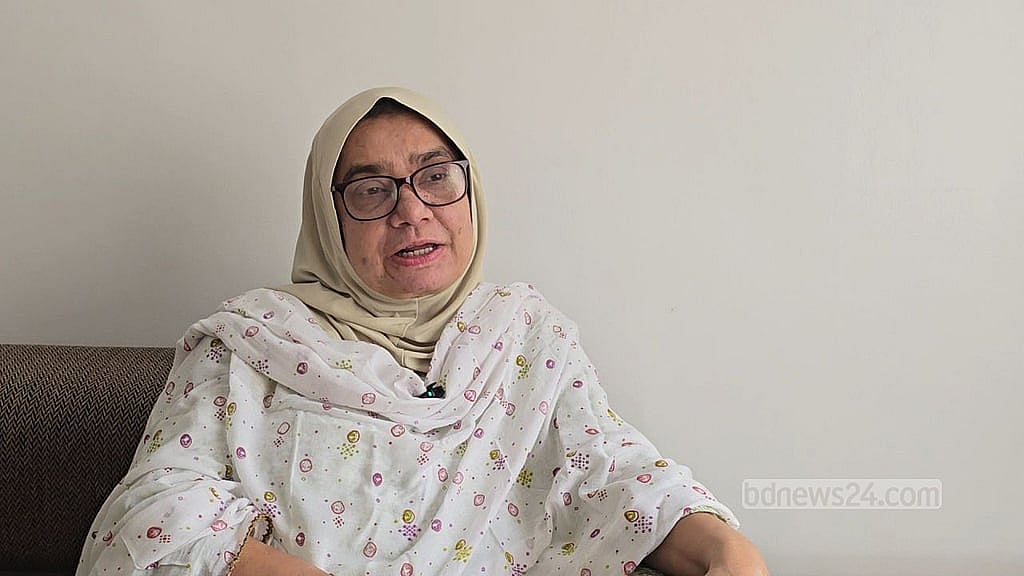
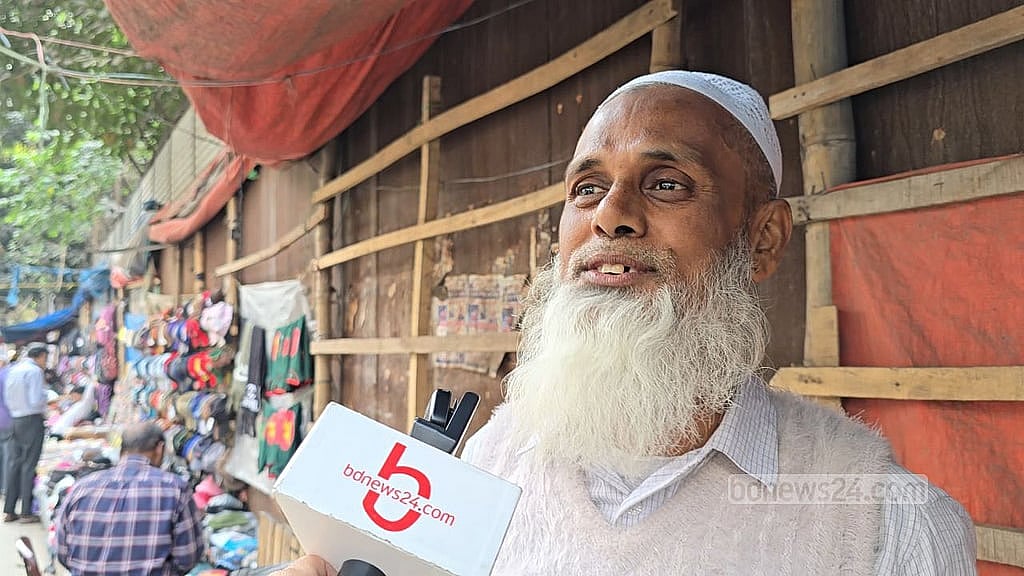
Riduan Ahmed Rion, a lecturer at City University, said: “Opposition and ruling parties blame each other from the very start of campaigning. We are the ones who suffer. This is a feature of dirty politics.”
Businessman Ashraf Hossain said the tone of the campaign runs directly against what people want. “This culture of abuse is not something any of us desire, especially when political parties should be united.”
Bank officer Tasfiyah Sarah said criticism was fine, but spreading fear was not. “They can talk about what they will do for us when they come to power.”
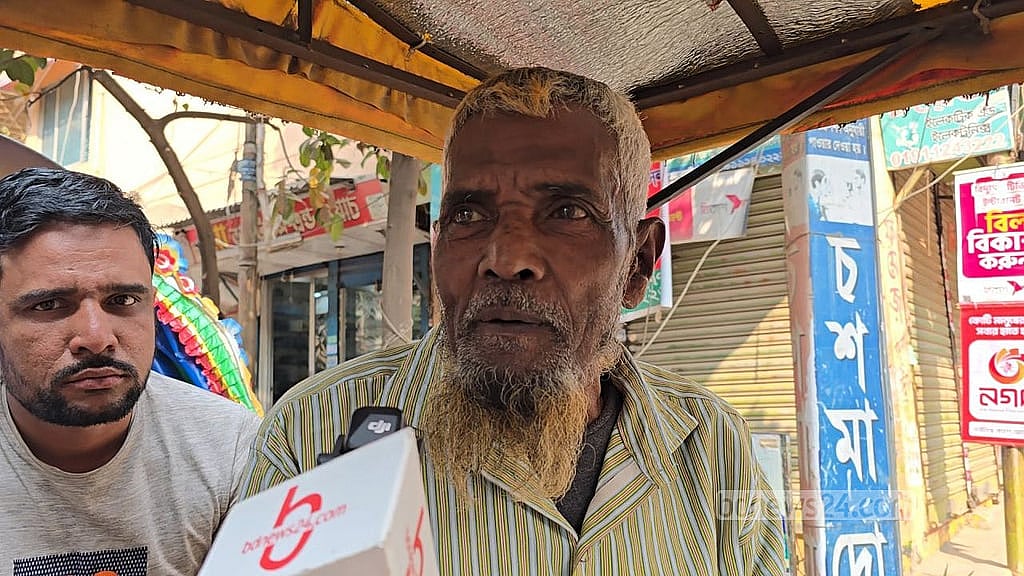
Elderly voter Elias Mia put it more bluntly: “What happened in the past is not the point. We want to rebuild the country now. We don’t want to see people slandering each other.”
Some shrug.
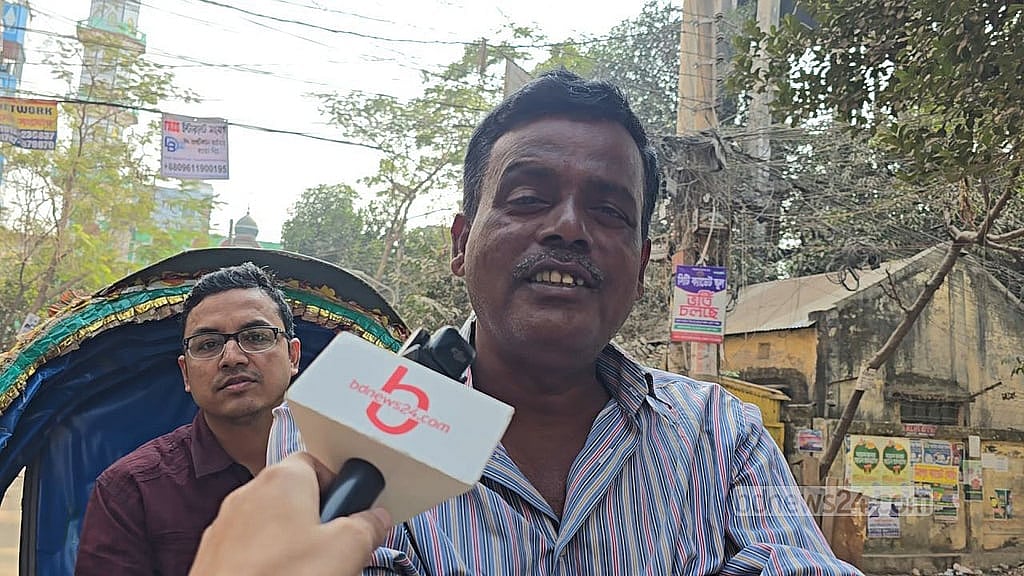
Mohakhali rickshaw-puller Sazzad Mia said, “In elections, people blame each other to win more votes. That will continue.”
DOES THE BLAME GAME STILL WORK?
Analysts increasingly doubt that it does.
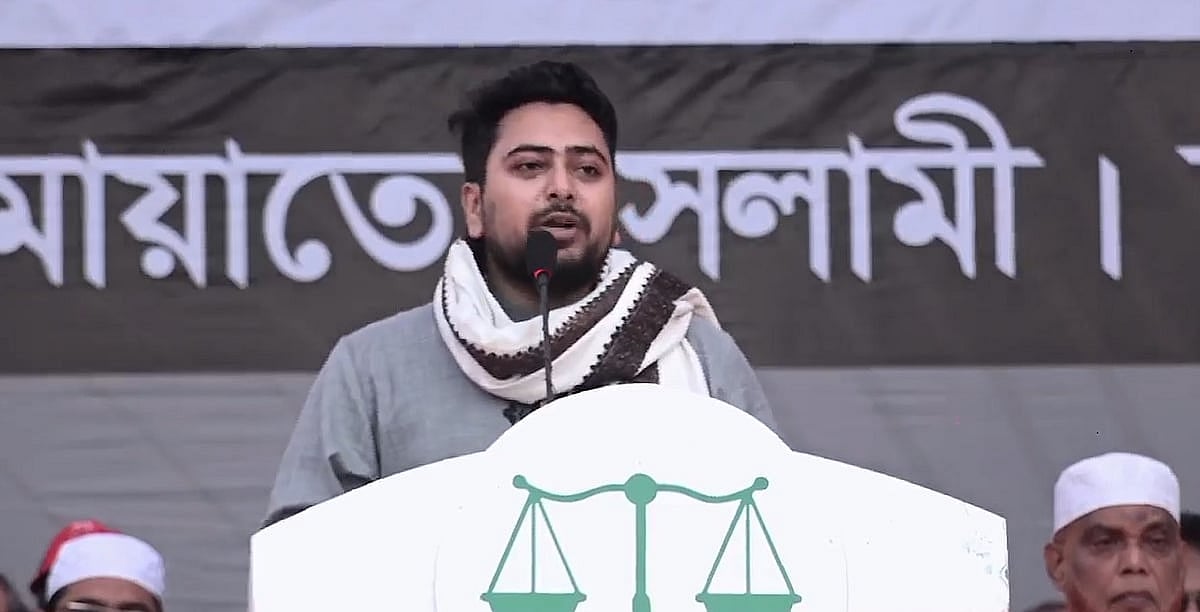
Former Election Commission additional secretary Jasmine Tuli said voters have changed.
“People now want things to be clean. Many voters think about how tolerant leaders will be when they govern. They want promises that are actually implementable.”
Ashraf was even more direct: “Thinking abuse will increase votes is foolish. It might even reduce them. Political abuse is a disease. We need to come out of it.”
For Mohammadpur resident Hafsa Akter, the choice is simple.
“I will not vote blindly. I will vote for those who run the country well and treat us properly.”
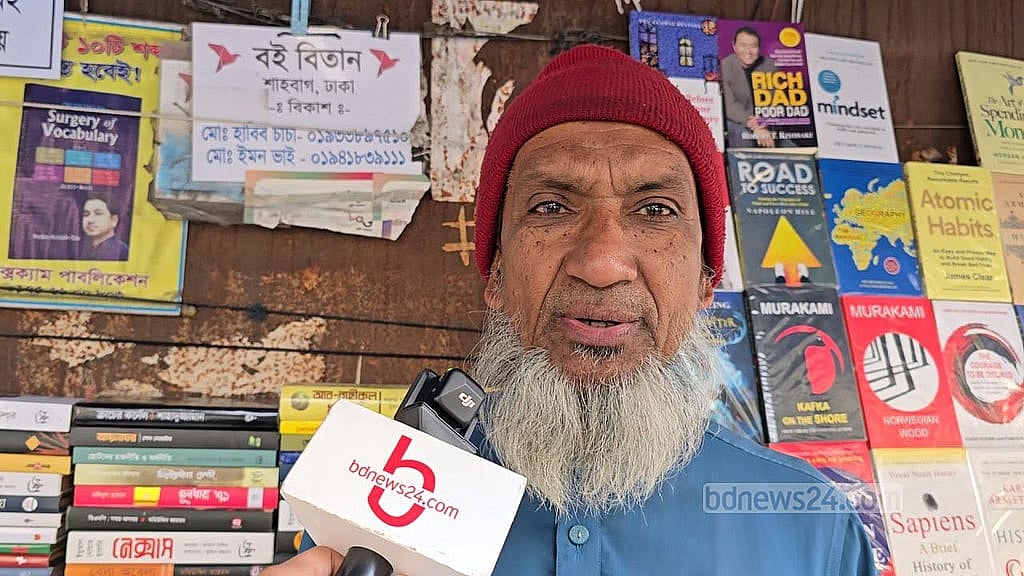
At Shahbagh, book seller Habibur Rahman said: “We will vote for whoever we like. Who is bad, who is worse -- that is not our concern.”
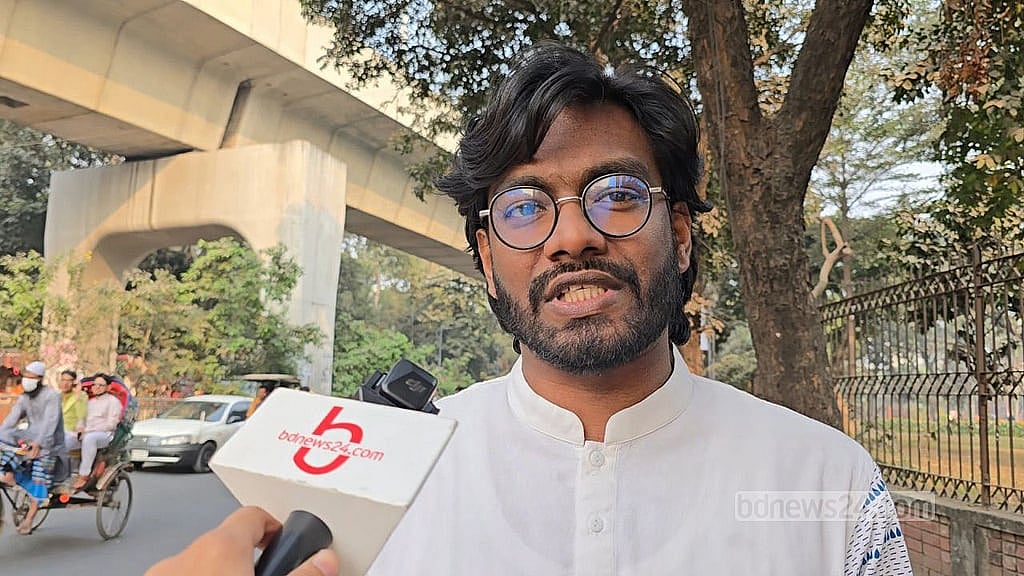
And for Manisha Ira, a student at Dhaka University, manifestos matter more than speeches.
“I do not care what they say in campaigns. I will look at their manifestos and how relevant they are.”
As polling day nears, one truth is clear: the old politics of blame may still dominate the stage — but the voters are no longer captive to it.