Published : 24 Feb 2026, 07:03 AM
Updated : 21 Aug 2026, 03:23 PM


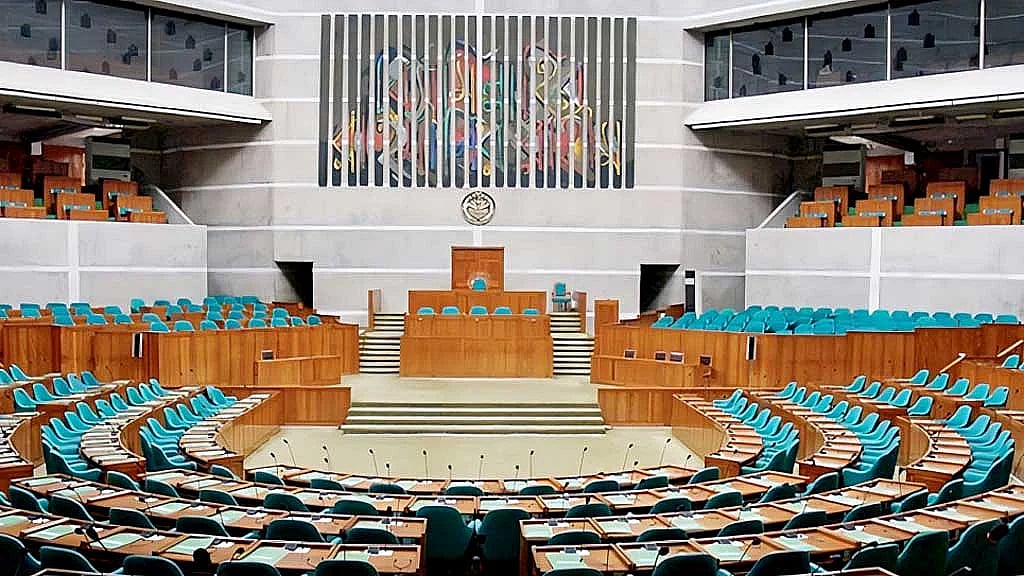
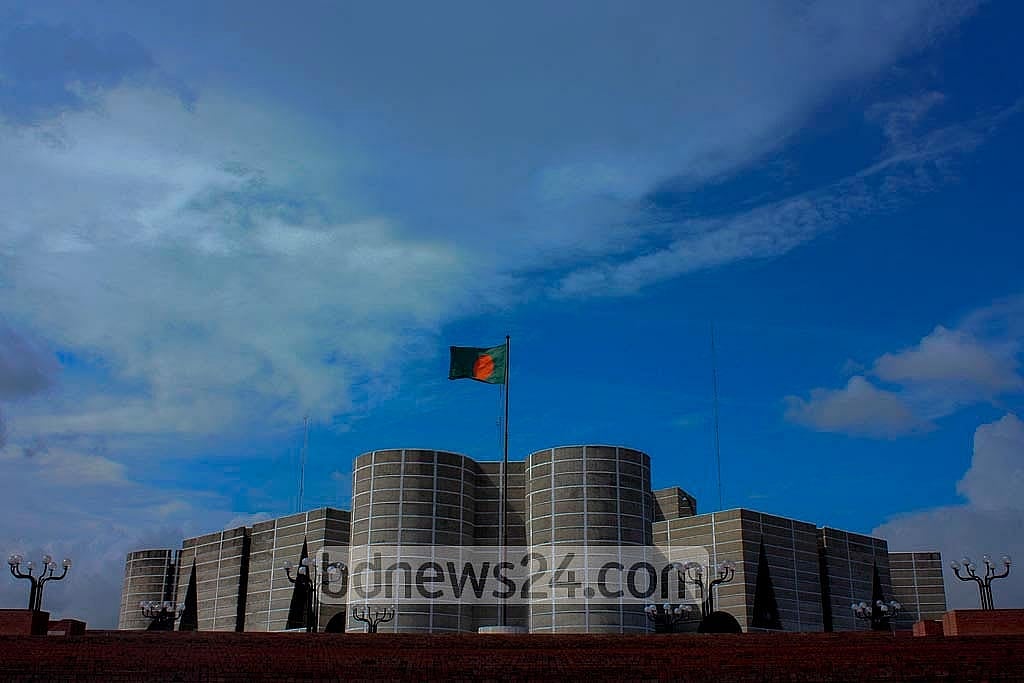
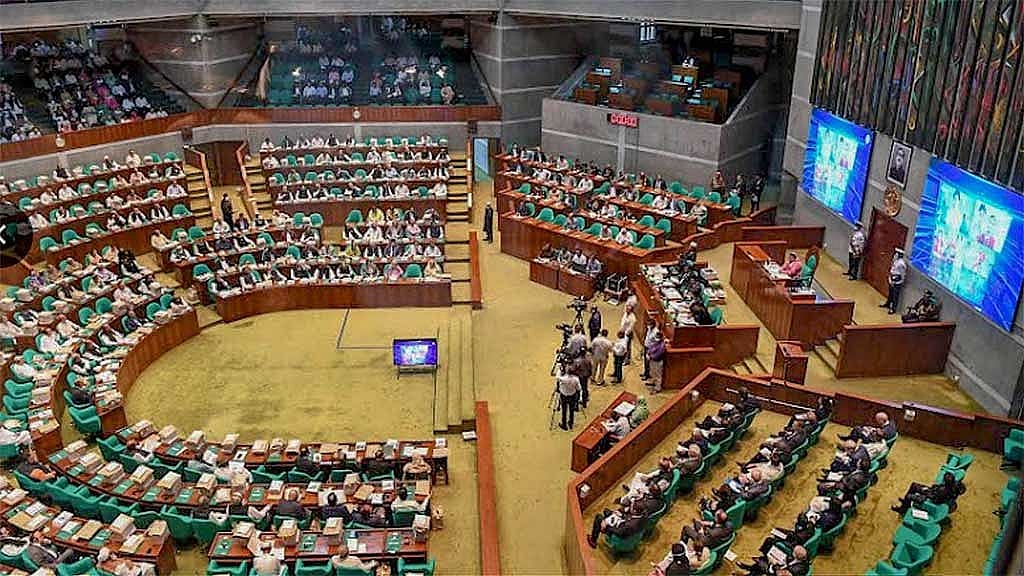
When Bangladesh’s 13th Parliament convenes on Mar 12, the chamber will gather with a striking absence at its centre. The seats of speaker and deputy speaker remain empty, leaving the legislature without its traditional arbiters at the very moment it prepares to begin work.
Before the speeches, the votes and the rituals that mark the birth of a new parliament, a quieter but crucial question must be answered: who will preside over the first sitting?
In the corridors of power, the Bangladesh Nationalist Party (BNP) -- which holds a commanding majority in the new parliament -- is weighing four veteran lawmakers to temporarily take the chair until a speaker is elected.
Legal experts say such a solution is neither unprecedented nor extraordinary. In situations like this, they note, a senior member may preside over proceedings with the support of the majority until parliament elects its permanent leadership.
Several BNP leaders told bdnews24.com that discussions are under way about assigning a senior member -- nominated by the president -- to preside over the opening sitting.
According to them, the names of several experienced MPs elected multiple times have already been shared with senior party figures, with one expected to chair the first day’s proceedings through mutual understanding.
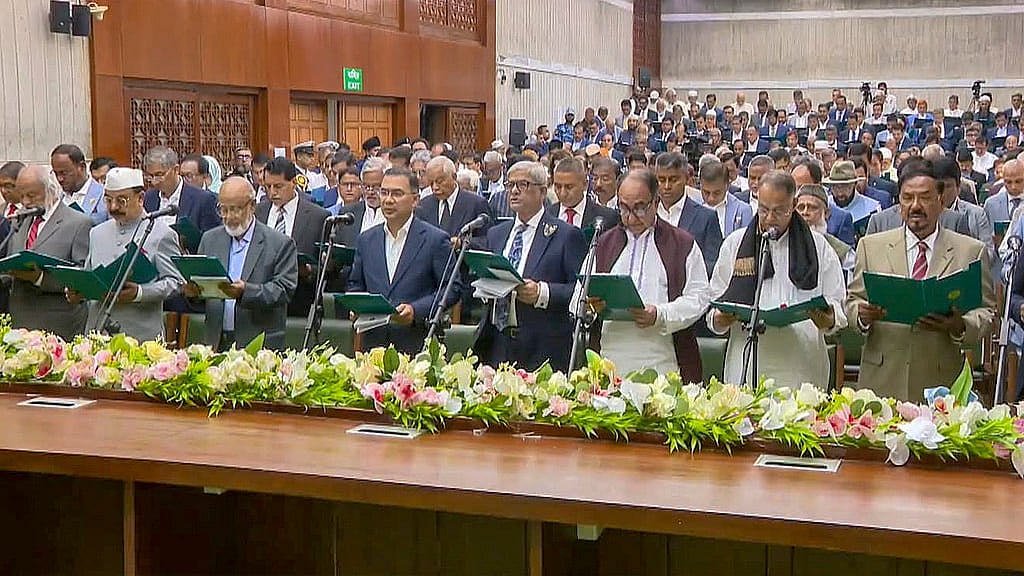
The names currently under discussion include:
• Khandaker Mosharraf Hossain
• Kazi Shah Mofazzal Houssain Kaikobad
• Zainul Abdin Farroque
• Hafiz Uddin Ahamed
Among them, Hafiz and Kaikobad currently serve in the cabinet.
Hafiz was first elected to parliament from Bhola in the third parliament in 1986 and again in the fourth parliament in 1988 under the Jatiya Party.
He later won the fifth parliamentary election as an independent candidate before joining the BNP and being elected three consecutive times up to the eighth parliament in 2001. He also served as a minister in Khaleda Zia’s government.
Kaikobad was elected four times to parliament from the Jatiya Party before joining the BNP and winning a seat in the eighth parliament in 2001. Prior to the current parliament, his last victory came in the ninth parliamentary election in 2008.
Mosharraf first entered parliament from Cumilla in the fifth parliamentary election in 1991 on a BNP ticket and went on to win four more parliamentary contests, serving multiple terms as a minister in BNP-led governments.
Farroque represented Noakhali in parliament five consecutive times from the fifth to the ninth parliament.
Election Results Reshape the Chamber
Voting in the Feb 12 general election was held in 299 of the 300 parliamentary seats. The results of two constituencies remain pending following court orders, while voting in one seat was postponed.
According to the results, the BNP claimed 209 seats, its allies secured three, the Jamaat-e-Islami took 68, the National Citizen Party (NCP), a partner in the Jamaat-led alliance, won six, Bangladesh Khelafat Majlis grabbed two, Khelafat Majlis one, Islami Andolan Bangladesh one, with independent candidates taking seven.
The new parliamentary landscape emerged after the July Uprising, which reshaped the country’s political order.
In September 2024, Speaker Shirin Sharmin Chaudhury of the 12th Parliament resigned from office. Earlier, Deputy Speaker Shamsul Haque Tuku had been arrested, leaving both posts vacant.
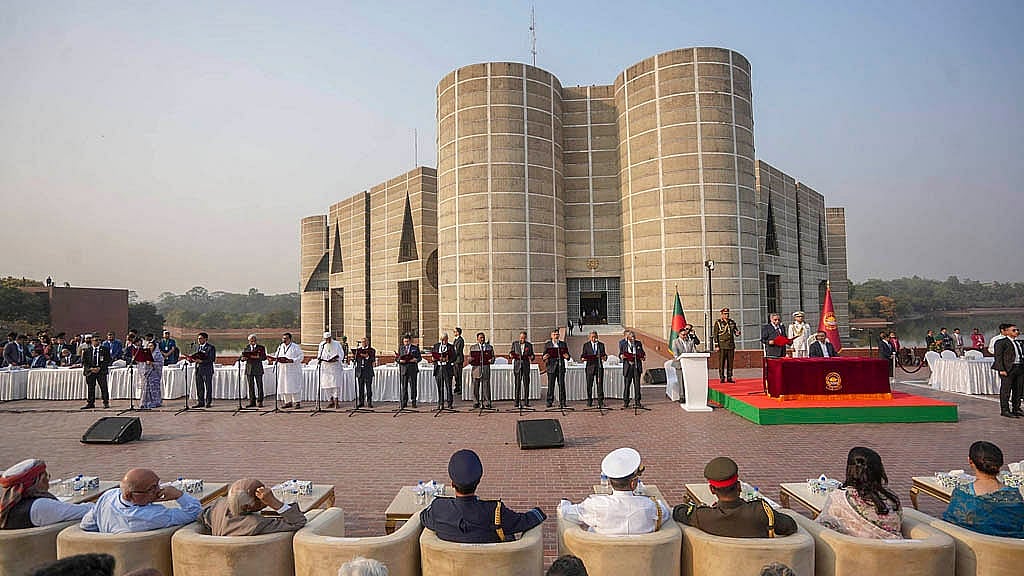
In their absence, Chief Election Commissioner AMM Nasir Uddin administered the oath to newly elected MPs on Feb 17.
On the same day, BNP Chairperson Tarique Rahman was elected Leader of the House, paving the way for him to take office as prime minister and for the new government to begin its work.
However, the ruling party has not yet formally appointed a speaker, deputy leader of the house, or chief whip.
The Constitutional Clock
Under the Constitution, the president must convene the first sitting of parliament within 30 days of the publication of election results in the official gazette.
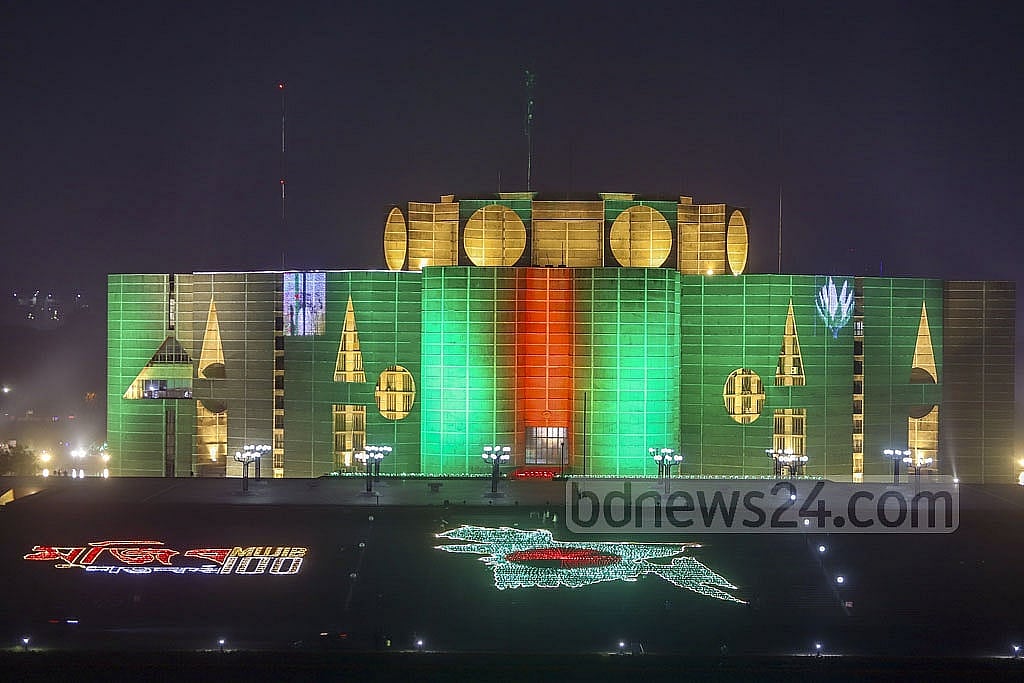
That constitutional deadline will be met when parliament holds its first sitting on Mar 12.
Speaking to reporters at the Secretariat on Sunday, Home Advisor Salahuddin Ahmed said the session would proceed as scheduled following the president’s summons.
“The first sitting of parliament will take place on the designated day,” he said. “The speaker and deputy speaker will be elected on that very day.”
Under parliamentary convention, the formal work of the new legislature begins with an address by the president, after which parliament moves to its legislative agenda.
A Legal Grey Area
The absence of both presiding officers has also sparked legal debate over who should conduct proceedings before a speaker is elected.
Senior lawyer Manzill Murshid says the constitution does not clearly specify who should preside over the session until a speaker takes office.
“As a result, a kind of legal vacuum has emerged,” he told bdnews24.com.
Asked how the situation could be resolved, he said: “When parliament convenes, the members themselves can assign a senior member to preside based on the support of the majority.”
He noted that a similar situation arose in the first parliament in 1973, when a member presided over proceedings.
Senior Supreme Court lawyer Sharif Bhuiyan said a senior member could preside over parliament until a speaker is elected, provided there is mutual understanding.
“In such cases, seniority makes consensus easier, though it is not mandatory,” he said.
Another Supreme Court lawyer Jyotirmoy Barua said the practical solution is straightforward.
“The speaker of the previous parliament is not there, neither is the deputy speaker. The only option is to elect a speaker in the first sitting,” he said.
What Happens on Opening Day
Officials at the Parliament Secretariat say the agenda for the first sitting is being prepared in line with previous parliamentary precedents.
The session will begin following the president’s summons, with proceedings initially chaired either by a member nominated by the president or a senior member agreed upon by lawmakers.
The ruling side typically then moves a proposal for the election of the speaker, nominating a candidate who is approved by voice vote or ballot. Once elected, the speaker takes the chair.
A proposal to elect the deputy speaker follows.
Political discussions suggest that, in line with the dialogue surrounding the July National Charter, the deputy speaker’s post may this time be offered to a member of the opposition.
The president will also deliver the inaugural address to the new parliament, formally opening the legislative term. Debate on the speech typically continues on subsequent sitting days.
In past parliaments -- including the eighth, ninth, 10th and 11th -- the first day followed the same sequence: arranging a presiding member, electing the speaker and deputy speaker, and hearing the president’s address.
The 12th Parliament followed the same pattern, electing its speaker and hearing the presidential address on the very first day.