Published : 18 Sep 2026, 12:32 AM
Updated : 18 Sep 2026, 12:32 AM


Parents and policymakers have long debated how much screen time is too much for children. But researchers are now asking a different question: not how long children spend in front of screens, but how fast those screens move.
A growing body of research suggests the pace of children's media -- how quickly scenes shift, how rapidly rewards arrive, how little time a story gives a child to think -- may be just as consequential as whether the content is educational or age-appropriate, reports The Guardian.
The argument is straightforward.
When the media moves too fast, children are swept from cue to cue before they have had time to process what they have just seen.
A character may comfort a friend, but if the scene moves on immediately, the child has little time to recognise the emotional repair -- or imagine doing the same themselves, reports The Guardian.
Empathy, researchers say, takes time to develop.
So does the ability to follow a cause, wait for an effect, or sit with a feeling before it is replaced by the next burst of stimulation.
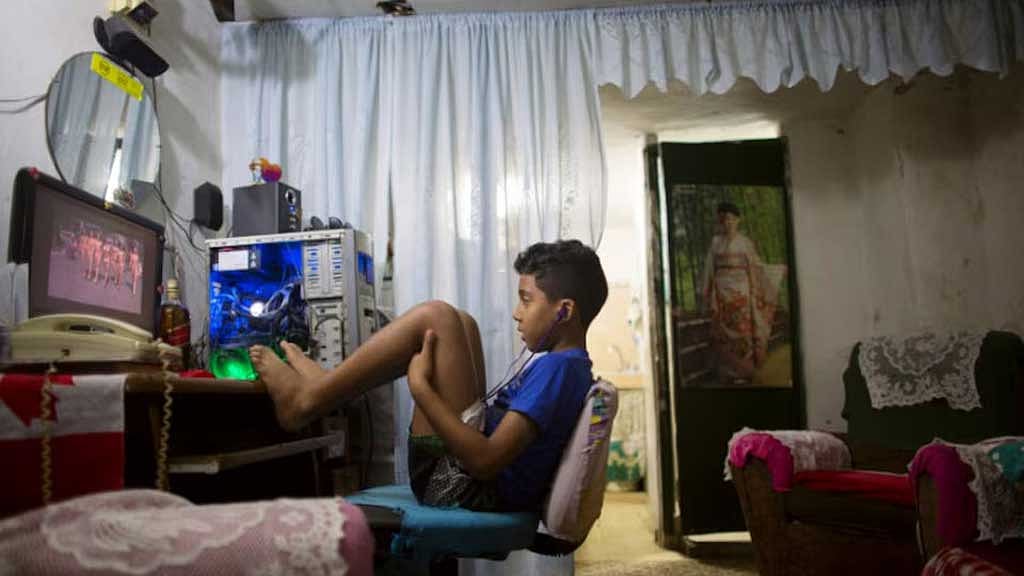
Two children can each watch 20 minutes of media and have entirely different experiences. One follows a coherent story with pauses and recognisable emotional beats.
The other is pulled through dozens of clips, characters, flashing colours and rewards that arrive before thought has had time to form.
The clock records the same duration -- the child does not live at the same time.
The concern is not that lively or fast-paced media is inherently bad.
The point, researchers say, is that good children's media gives a child time to complete an act of attention. Bad media keeps interrupting that act before it can become a memory or be turned into play, according to The Guardian.
In March 2026, the UK Department for Education advised parents of children under five to choose "slow-paced, age-appropriate" content -- without defining what slow-paced actually means.
Researchers at the Kids' Slow Media Project are now working to make that concrete, evaluating children's media by how it organises time rather than simply what it contains.