Published : 04 Jun 2026, 03:48 PM
Updated : 08 Sep 2026, 09:12 AM


New World screwworm, a parasitic fly that eats warm-blooded animals alive, has been found in a calf in Texas, the US Department of Agriculture said on Wednesday evening, exposing the nation's cattle herd to a serious new threat.
A case was confirmed in a calf in La Pryor, Texas, a town about 30 miles (48 km) north-east of the US-Mexico border. The detection comes as the pest has been advancing north through Mexico over the past year, raising concerns among US cattle ranchers who have been bracing for a domestic outbreak.
USDA Secretary Brooke Rollins said the case, the first in Texas since 1966, was the only confirmed infestation in the country so far.
The pest could further shrink the US cattle herd, which is at its lowest level in 75 years. Tight supplies have already reduced beef production and driven prices to record highs for consumers.
The detection also threatens Texas’ livestock industry, which could face up to $1.8 billion in estimated economic losses if the pest spreads, and represents a setback for US efforts that cost millions of dollars to keep the pest out, experts said.
Texas Agriculture Commissioner Sid Miller criticised the USDA for allowing screwworm to reach the US.
“Instead of using every available tool, USDA moved too slowly and relied solely on a partial solution that takes years to fully implement,” he said. Rollins said the release of sterile flies was the most effective tool and that the USDA had invested heavily in production.
Reuters reported on Wednesday morning that samples of a suspected screwworm infestation at a ranch in La Pryor had been sent for testing to the federal government’s lab in Ames, Iowa. Chicago Mercantile Exchange feeder cattle futures extended losses, ending 1.7 percent lower, with traders worried that confirmation of a US case may reduce demand for beef.
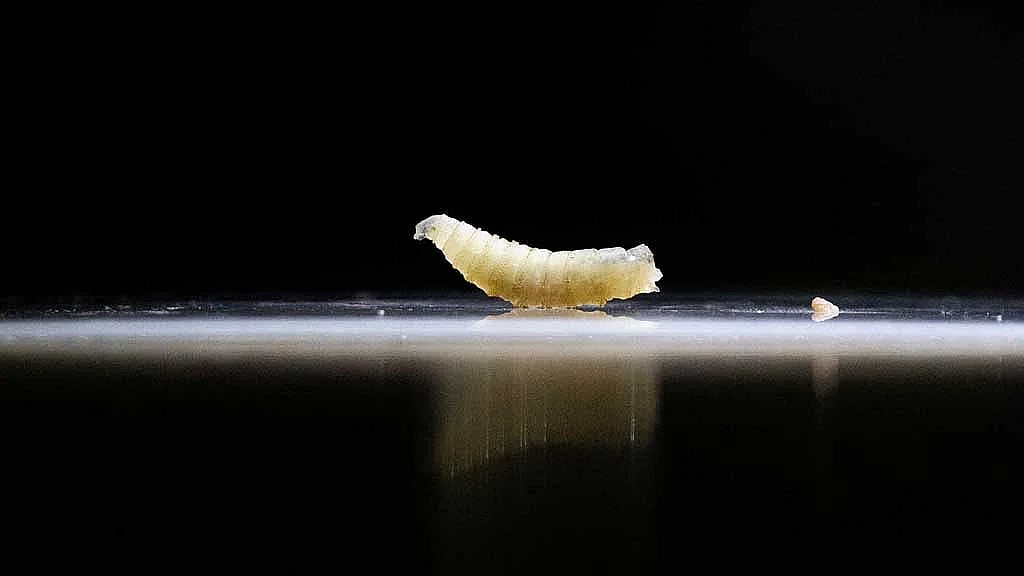
Screwworms are parasitic flies whose females lay eggs in open wounds and mucous membranes on any warm-blooded animal. Once the eggs hatch, hundreds of screwworm larvae use their sharp mouths to burrow through living flesh, eventually killing their host if left untreated. They mostly spread through the movement of infested animals.
The fly can infest people and pets as well, but the risk to humans is low and human cases of screwworm are rare, experts said. The fly poses no food safety issues.
The USDA said it had halted movement of any animals in a 20-km (12.4-mile) area around the site of detection in a bid to contain the parasite, released sterile screwworm flies in the area, implemented additional wildlife surveillance, and sent a response team. Rollins also said that a plane was headed to South Texas with stockpiles of treatments for screwworm.
“Protecting our livestock industry is a national security issue of the utmost importance,” said Dudley Hoskins, a USDA under-secretary.