Published : 25 Nov 2025, 12:53 AM
Updated : 21 Aug 2026, 02:47 PM


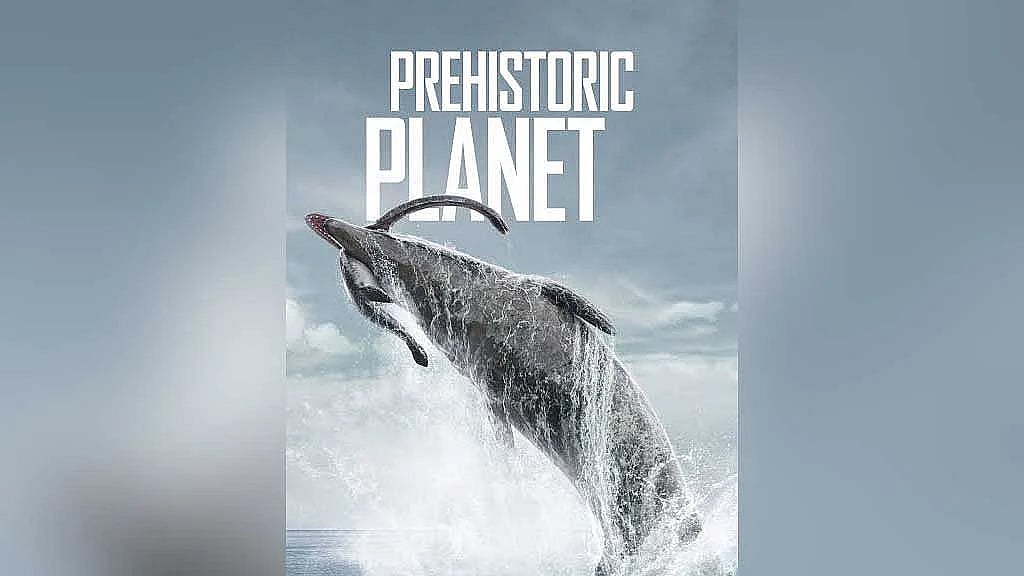
The natural history programme "Prehistoric Planet" returns for a third series on Wednesday, bringing back to life the animals of the Ice Age.
From woolly mammoths to diprotodons - rhino-sized relatives of wombats - "Prehistoric Planet: Ice Age" follows creatures roaming Earth millions of years after the extinction of the dinosaurs, the focus of the Apple TV+ series' first two seasons.
Presented using scientific knowledge and stunning visual effects, snow sloths and saber-toothed cats are among the species seen in the five-part series, narrated by actor Tom Hiddleston.
In an interview with Reuters, executive producer Mike Gunton, creative director of the Natural History Unit at Britain's BBC, and chief scientific consultant Darren Naish spoke about making the show. Below are excerpts edited for length and clarity.
Q: What can audiences expect?
Gunton: "When we finished the second series ... it struck me the other great time in Earth's history, when there was a lot of turmoil, a lot of extraordinary animals ... was the Ice Age. It's always been a personal favourite of mine because I just think it's so romantic.”
Q: How does scientific understanding of these animals help bring to screen?
Naish: "On the one hand, they're unfamiliar ... on the other hand, mammoths are a kind of elephant and saber-toothed cats are obviously cats. So these are animals that nearly everybody knows quite well. That makes it even more of a challenge to get them absolutely right ... this enormous challenge that the team building them and bringing them to life had to face in terms of ... how their tissues moved and what their fur is like. Massive challenge.
“And a key decision behind the making of the series is this is the golden age in terms of our understanding of these animals for reasons relating to climate change. We are learning a lot more about bodies preserved in the permafrost of Siberia and Alaska."
Q: How does doing this compare to filming real wildlife?
Gunton: “We use a lot of the experience of how we film real animals, both the grammar of it, the narrative of it, the emotional connections of it. Those are the parameters by which we do this, because in a VFX world you can do anything, you can put a camera anywhere, you can tell any story you like, you're limited by imagination. We have said, 'no, you must not do that', because then it is inauthentic. All the stories have to feel they are based in science, but also they're informed by what we ... have seen in the natural world today ... and that also is replicated in the photography."
Q: What is the biggest misconception about the Ice Age?
Naish: “When people hear of the Ice Age, they imagine pole-to-pole everywhere is snowy; whereas of course, in fact, the ice caps at the north and south were much bigger. So northern North America, northern Eurasia was covered in ice sheets ... but further south, the tropics, they were still tropical."