Published : 18 Apr 2026, 07:05 AM
Updated : 21 Aug 2026, 03:37 PM


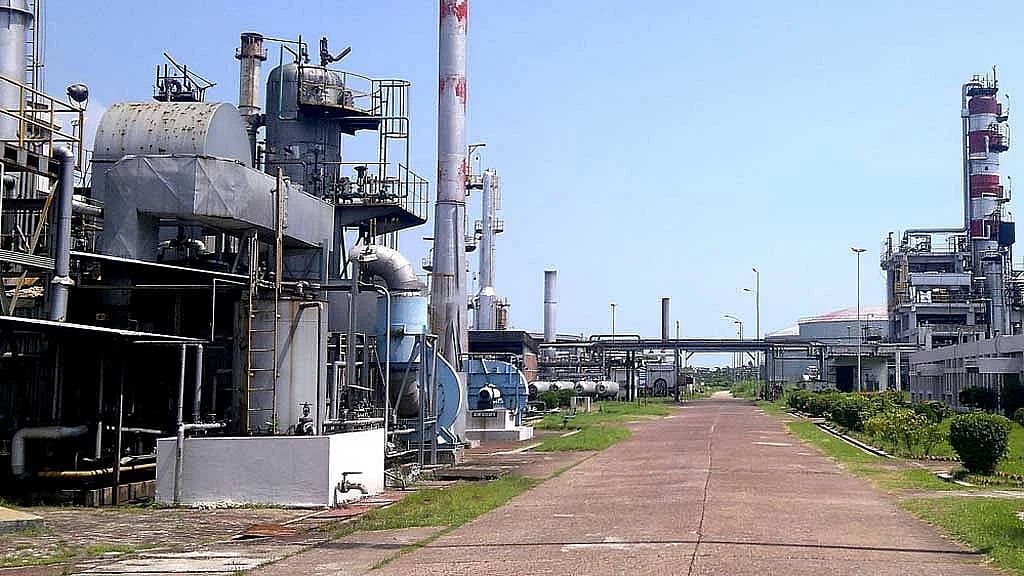
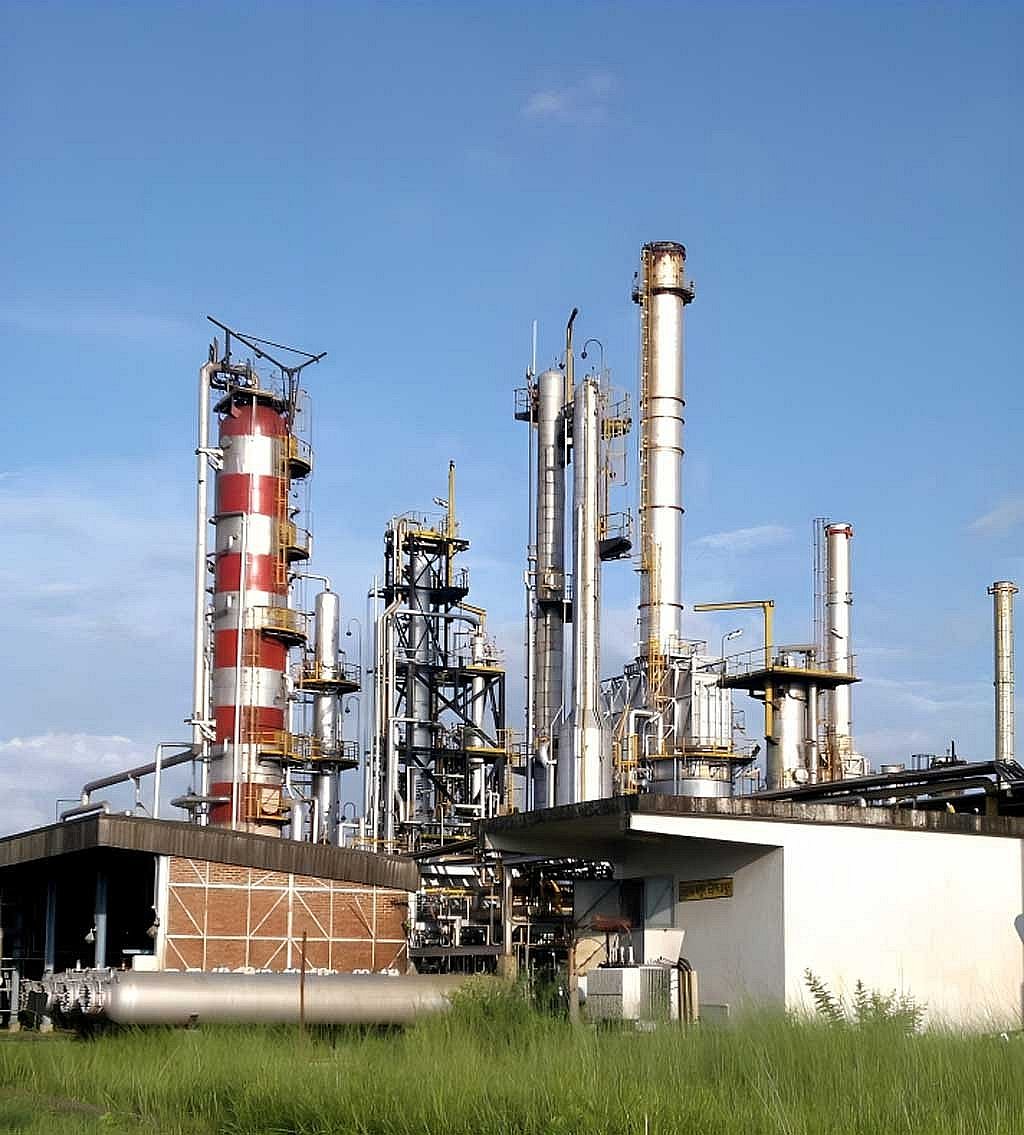
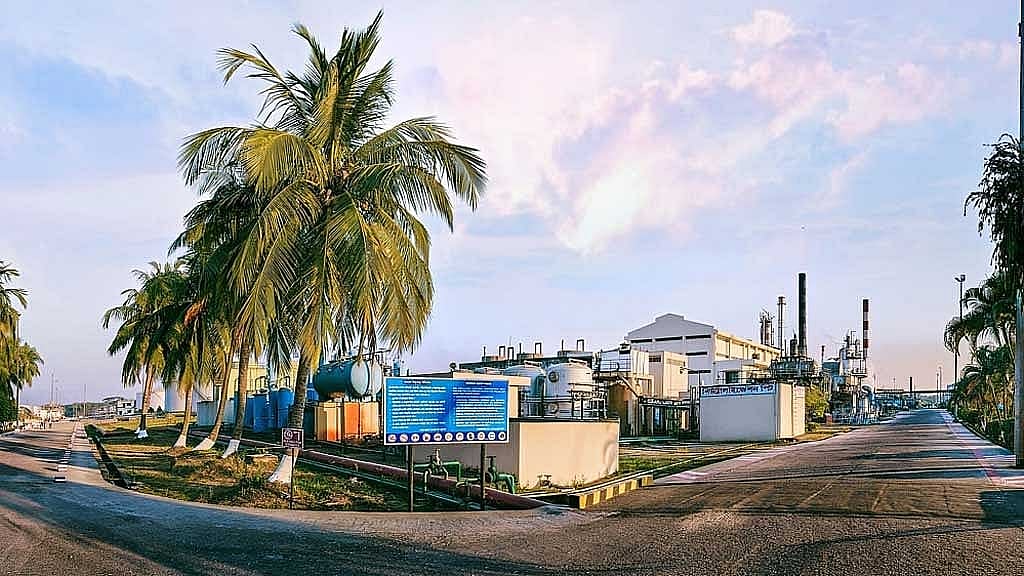
Bangladesh’s only state-owned oil refinery, Eastern Refinery PLC (ERL), is on the verge of closure amid a global crude oil crisis. Two of the company's five production units have already been shut down.
The crude oil refinery may shut down temporarily if new oil shipments do not arrive soon. Discussions have begun on the extent to which the country's fuel supply system will be disrupted if the Eastern Refinery is shut down amid the conflict in the Middle East.
The Bangladesh Petroleum Corporation (BPC) and the Ministry of Energy and Mineral Resources say that a very small amount of the country's fuel oil demand is met by Eastern Refinery, while a much larger portion is met by imports of refined fuel oil.
Despite the war, refined oil is still being imported “regularly”, they say. Therefore, they claim that even if the Eastern Refinery is closed, there will be no major crisis in the supply system, aside from increasing import dependence.
However, those in the energy sector say that if Eastern Refinery is closed, it will drive up demand for refined fuel oil imports, which will have to be purchased at higher prices. Amid the conflict in the Middle East, this will put an additional “strain” on the government. In addition, the Eastern Refinery will get lower than usual returns from refining oil as the increased production cost reduces its profit margin.
Experts say that, in order to overcome such situations, initiatives should be taken to increase fuel oil storage capacity and quickly launch a new unit of Eastern Refinery.
Crude oil or unrefined fuel oil imported from Saudi Arabia and the United Arab Emirates is brought by ship by sea and is refined at Eastern Refinery Limited. The annual refining capacity of this refinery is 1.5 million tonnes.
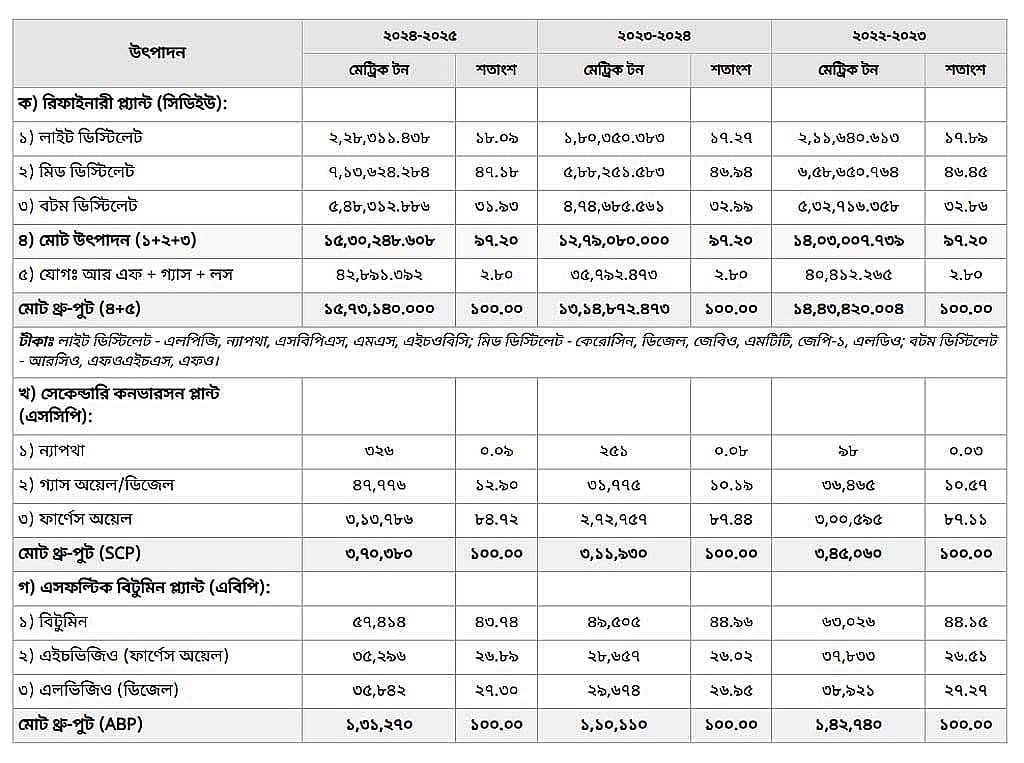
Eastern Refinery produces 13 types of fuel, including diesel, petrol, octane, furnace oil, kerosene, jet fuel, naphtha, bitumen, and LPG by refining crude oil. Diesel is the most commonly produced of these fuels.
According to BPC, the refinery’s annual production in the 2024-25 fiscal year was 1,533,140 tonnes. Of this fuel, diesel accounted for 648,612 tonnes.
Bangladesh’s average annual demand for diesel is around 4-4.2 million tonnes. The remaining fuel is obtained through imports of refined oil.
Over the past fiscal year, the Eastern Refinery produced 59,150 tonnes of petrol (Bangladesh’s demand is about 4.5 million tonnes), 37,147 tonnes of furnace oil (the demand is also about 4.5 million tonnes), and 153,203 tonnes of naphtha. However, no octane was produced.
After refining, various types of fuel oil are supplied through BPC's oil marketing company. Naphtha, obtained as a by-product, is purchased and used by some private refineries in the country.
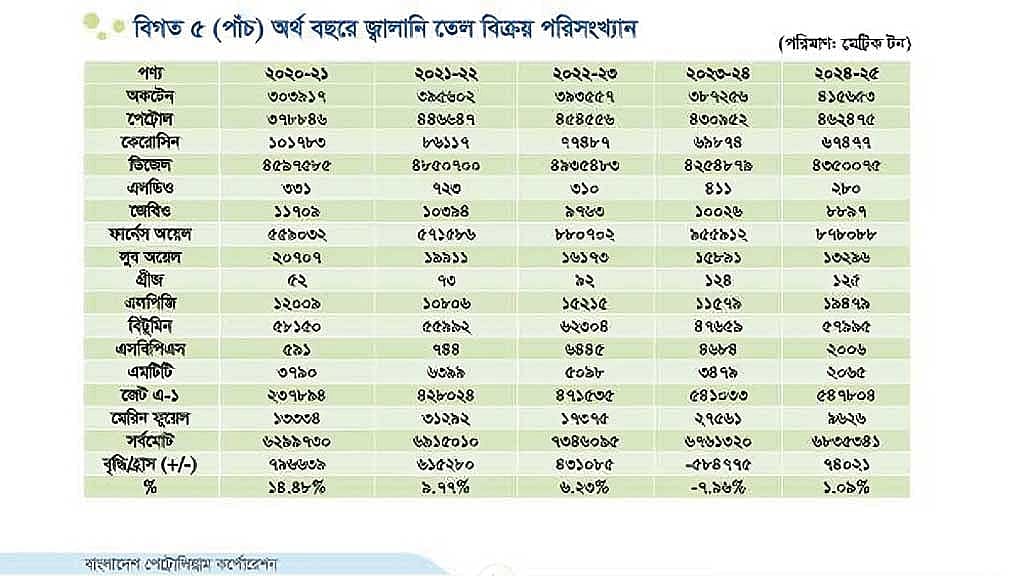
According to BPC, the amount of fuel oil used in the country in the last fiscal year (2024-25) was 676.1 million tonnes.
Of the fuel used, 63.64 percent was diesel, 12.85 percent was furnace oil, 6.77 percent was petrol, 6.08 percent was octane, 8.01 percent was jet fuel, about 1 percent was kerosene, and the remaining 1.66 percent was other fuel oils.
According to BPC, 4,607,881 tonnes of refined oil were imported over the last fiscal year. Of this amount, 3,308,506 tonnes were diesel, 258,582 tonnes were octane, and 516,036 tonnes were furnace oil.
Due to the shortage of crude oil amid the ongoing conflict in the Middle East, Eastern Refinery’s production reached its lowest level last Monday. Two of the five units were shut down that day. The remaining three units are said to be continuing refining activities using “deadstock” – residual crude oil that has settled at the bottom of storage tanks. This deadstock is only used for emergencies, and even then, in limited quantities.
BPC General Manager Muhammad Morshed Hossain Azad told bdnews24.com that refining activities are being carried out using some crude oil and naphtha in the deadstock. An average of 120 tonnes of petrol and 100 tonnes of diesel are being obtained from these units daily.
Morshed said that production can continue for a few more days using the crude oil in the Eastern Refinery.
The final 100,000-tonne shipment of crude oil came to the country on Feb 18, before the war in the Middle East started. When the conflict broke out, the Eastern Refinery continued to work using that shipment. Another 100,000 tonnes of crude oil were supposed to arrive from Saudi Arabia's Ras Tanura terminal in March, but were blocked by the war.
The Bangladesh government has signed an agreement to buy 100,000 tonnes of crude oil from Saudi Aramco through an alternative route. BPC officials say the shipment could reach the country next month.
Asked about the strain a complete Eastern Refinery shutdown could have, BPC General Manager Morshed said: "It supplies 15 to 20 percent of the total fuel oil demand in the country. The remaining demand is met through the import of finished products or refined fuel oil.
"Despite the war, the fuel oil importing process is still active. A number of fuel oil vessels, including those carrying diesel and octane, have arrived from different countries in March and April. The country still has adequate reserves of fuel oil. Even if the Eastern Refinery is shut down, if the oil imports continue, I do not see a crisis occurring in the next few months."
Morshed said that petrol, diesel, and furnace oil are still mostly available from Eastern Refinery. Several ships carrying diesel have also arrived at ports this month as part of the import process, and several more are on their way. Overall, there is “no possibility” of a crisis, he concluded.
The Ministry of Power, Energy, and Mineral Resources estimated Bangladesh had 130,385 tonnes of diesel, 31,821 tonnes of octane, 18,021 tonnes of petrol, 77,546 tonnes of furnace oil and 18,223 metric tonnes of jet fuel in stock as of Wednesday.
What Will Happen in a Crisis?
Engineer Manzarey Khorshed Alam, chairman of the Institution of Engineers, Bangladesh, Chittagong Centre, told bdnews24.com: "The Eastern Refinery refines only a small portion of the country's fuel oil demand. However, if it is completely shut down, there will be a shortage of some fuels, including diesel and petrol.
“The government, or BPC, will then have to import more refined oil than they usually do every year. That is why the price may be a little higher. This may lead to some additional pressure for some time.”
Manzarey, a former official at Eastern Refinery, said that the refinery will not suffer any technical damage if it is shut down for a short period and can be restarted without any disruption.
“However, they will be deprived of processing fees for the number of days it is shut down.”
Energy expert Prof M Tamim told bdnews24.com, “There will be no major impact if it is shut down. The amount of oil they used to supply will have to be imported in refined form. It costs much less if it is refined here. Now it will cost a lot more to import.”
He suggested that maintenance work should be conducted at Eastern Refinery during a shutdown.
'Long-Term Plan' Needed
It is not enough to simply address the shortage if the Eastern Refinery is closed, says engineer Manzarey.
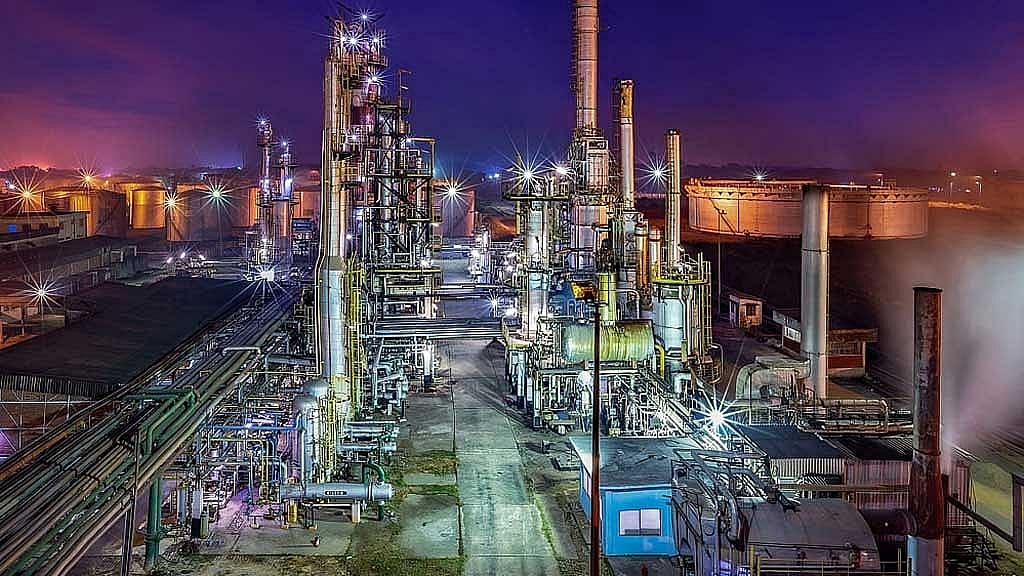
"A long-term plan needs to be adopted to overcome this crisis. The refinery’s storage capacity needs to be increased. And the construction of a second refinery should be started quickly."
He said, "The cost is much lower if we import crude oil and process it here. The cost of importing finished oil is much higher. Even though it is a long-term project, work on the second refinery should be launched quickly in consideration of the future."
Prof Tamim said that only Middle Eastern crude oil can be refined at the Eastern Refinery, and a separate unit must be set up to process Russian crude oil. The cost of importing Russian crude is also higher, he noted.
"Arabian crude oil is affordable for us."
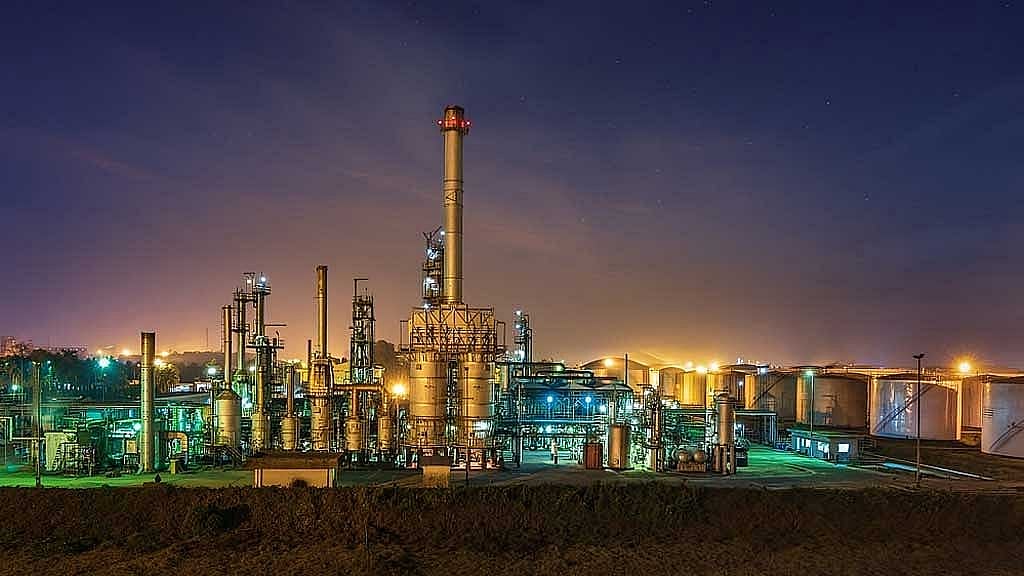
Speaking on the urgent need to “upgrade” the Eastern Refinery, Hazzaz Bin Yousuf, assistant professor at the Department of Petroleum and Mineral Resources at BUET, told bdnews24.com that the design for the refinery’s second unit has been arranged, and work on its installation needs to begin.
“Most of our fuel oil comes from abroad. We also need to increase our storage capacity. Oil prices fluctuate at different times. If more storage is available at such times, longer crisis situations can be managed. To do this, the government needs a long-term plan.”