Published : 08 Mar 2026, 10:13 PM
Updated : 21 Aug 2026, 03:27 PM


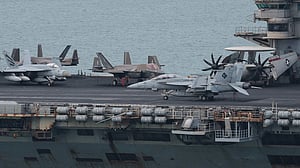
The escalating conflict in the Middle East, following strikes by the US and Israel on Iran and Tehran’s retaliation, has sent shockwaves across the globe and has now wiped 231 points off Bangladesh’s premier bourse.
Market analysts suggest the freefall is driven by fears that local companies will struggle to maintain operations amidst a looming global energy crisis and supply chain disruptions.
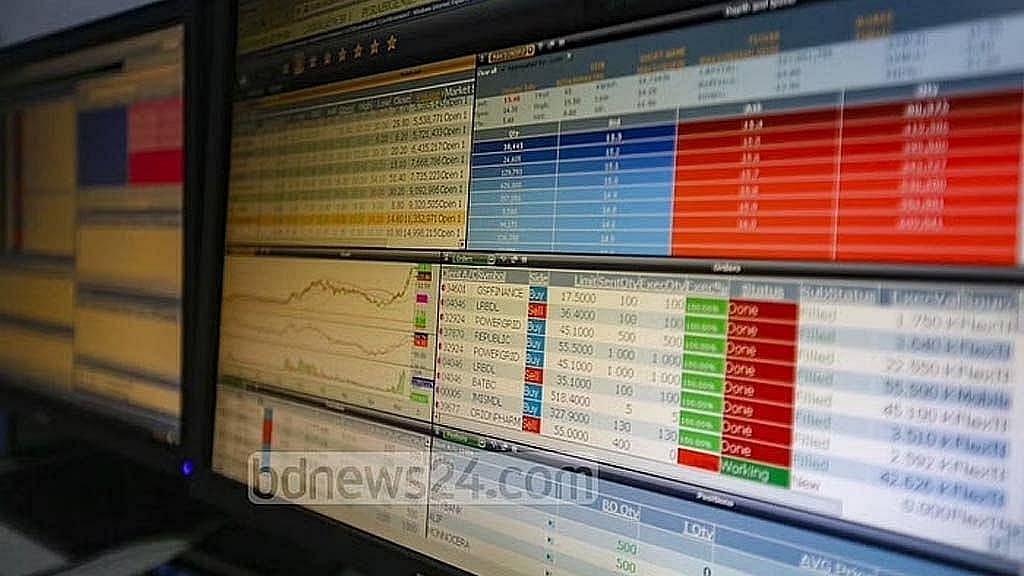
On Sunday, the first trading day of the week, the DSEX, the benchmark index of the Dhaka Stock Exchange (DSE), tumbled 4.42 percent to settle at 5,008.99. This follows an 82-point slide recorded last Thursday.
The market witnessed a similar rout in February 2012, when the index lost 236 points on Feb 1 and 229 points on Feb 6.
More recently, on Mar 3, following the formation of the new government after the BNP’s victory in the general election, the index had dropped by 208 points.
The downward trend began at the opening bell and persisted throughout the session. Despite two brief reversals around 10:30am and 12:30pm, intense selling pressure overwhelmed any buying interest.
Prof Abu Ahmed, chairman of the Investment Corporation of Bangladesh (ICB), attributed the crash primarily to the geopolitical tinderbox in the Middle East.
"The economy is already in a fragile state due to the Middle East crisis. It’s war, war, and more war news," Ahmed told bdnews24.com.
"If there is a fuel oil shortage, how will companies do business? That’s why investors are offloading shares. And who will buy? There is already a dearth of good fundamental stocks," he added.
Beyond international factors, local rumours have also contributed to the volatility.
Speculation regarding the leadership of the regulatory body under the new administration has reportedly kept some investors on edge.
The market decline was widespread, with 95 percent of traded stocks closing lower, as 371 out of 390 issues declined, while only 10 advanced and nine remained unchanged.
Total turnover rose to Tk 5.31 billion from Tk 4.59 billion in the previous session, with the banking sector leading trading at Tk 1.15 billion, followed by pharmaceuticals and chemicals (Tk 0. 84 billion) and textiles (Tk 0.43 billion), while City General Insurance, Bata Shoe, and Ha-Well Textiles were the top gainers and Alif Industries, Dulamia Cotton, and SS Steel were the biggest losers.