Published : 27 Jul 2026, 05:27 AM
Updated : 08 Sep 2026, 11:24 AM


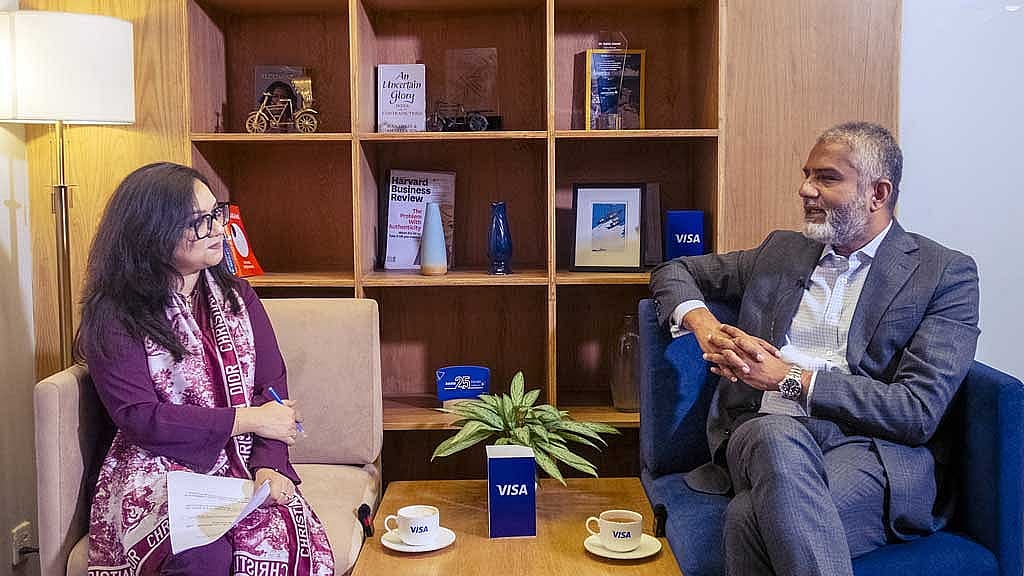
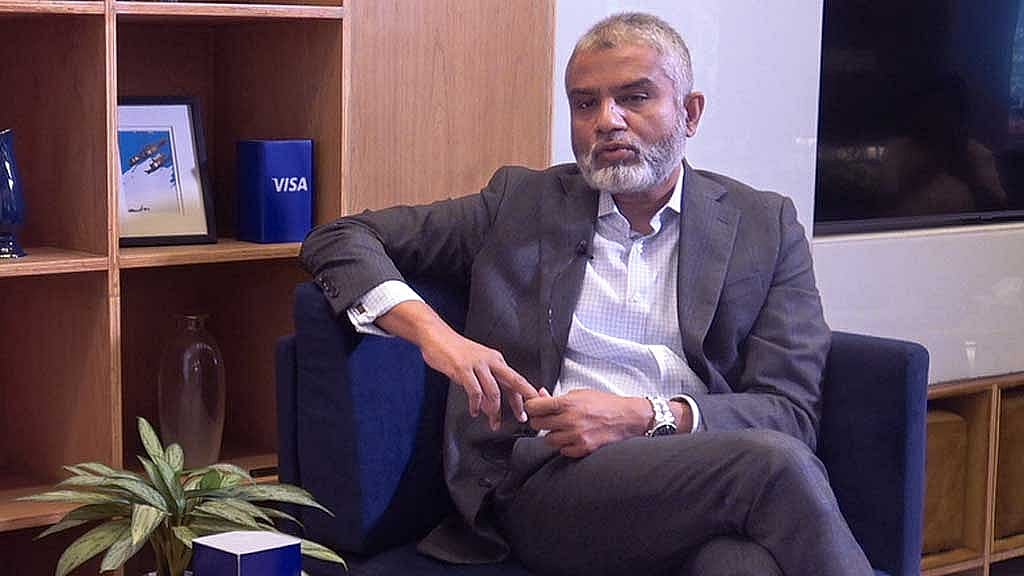
Bangladesh is moving steadily towards a less-cash economy, but a fully cashless future remains "a long way off", Visa Bangladesh Country Manager Sabbir Ahmed says.
Speaking on bdnews24.com's discussion programme Chinwag with the Chiefs, Sabbir said he expects digital payments to account for 70 percent of all transactions within the next decade.
His vision is a Bangladesh where people leave home carrying only a smartphone instead of a wallet.
"What I want to see is people leaving home in the morning without a wallet -- only carrying a phone," he said.
Visa, the US-based payment network, has supported debit and credit card services in Bangladesh for more than four decades and established a full office in the country six years ago.
Explaining the company's role, Sabbir said many people mistakenly think Visa works directly with customers.
"People often ask me what Visa actually does," he said.
Visa is an international payment network linking more than 4 billion cardholders, through banks, with over 150 million merchants worldwide.
"If you use your Visa card at a shop in Singapore, how does that merchant know you have money in your account?" he said.
"Our job is to connect your bank with the merchant's bank through a single ecosystem."
Visa's "four-party model" links the customer, the issuing bank, the merchant and the merchant's acquiring bank, allowing transactions to be completed within milliseconds.
Despite rapid growth in digital payments, Sabbir said Bangladesh still has considerable ground to cover.
Bangladesh Bank research shows around 70 percent of transactions are still conducted in cash, while the remaining 30 percent take place digitally through cards, internet banking, mobile financial services (MFS), BEFTN, NPSB and RTGS.
"We're still far from where we want to be," he said. "But we're moving in the right direction."
He said expanding financial inclusion would be critical to achieving that goal.
Bangladesh has about 130 million bank accounts, yet only around 45 million debit cards have been issued.
"That means only about 25 out of every 100 people have a debit card, while the remaining 75 have bank accounts but no card," he said.
Credit card usage remains even lower.
Bangladesh has just over 2.6 million credit cards, although the number of individual cardholders is closer to 1.5-1.6 million -- less than 1 percent of the country's 170 million people.
By comparison, credit card penetration stands at around 9 percent in Sri Lanka and 6 percent in India, he said.
Sabbir suggested making bank accounts mandatory for students while continuing efforts to bring farmers and other underserved groups into the formal banking system.
He said the COVID-19 pandemic accelerated digital payments, particularly through MFS.
Bangladesh now has around 220-230 million MFS accounts, although many users maintain multiple accounts. The rollout of Bangla QR has also made payments through banks and mobile financial services quicker and easier.
With smartphones now used by around 50-55 percent of mobile subscribers, Visa is working to introduce Google Pay in Bangladesh and plans to support Apple Pay in the future.
Once customers add their debit, credit or prepaid cards to a mobile wallet, the phone itself becomes the payment device.
Visa is also replacing one-time passwords (OTPs) with biometric authentication.
Instead of entering an OTP, customers will increasingly verify transactions using facial recognition, fingerprints or the same pattern used to unlock their smartphones, reducing fraud linked to stolen OTPs, Sabbir said.
To help small businesses accept digital payments, Visa is preparing to launch Visa Accept, allowing merchants to use an ordinary smartphone as a point-of-sale terminal instead of buying dedicated machines.
The company is also working to reduce transaction costs for small merchants, shorten settlement times from about two days to near-instant payments, and enable card payments on Dhaka Metro Rail, Sabbir said.