Published : 27 May 2026, 07:19 AM
Updated : 21 Aug 2026, 03:47 PM


Skin in the Game: Posta’s Eid Battle
Echoes of past Eids: Traders clean Old Dhaka’s warehouses for Eid, desperate to revive the market's fading historical dominance.
Strained by unpaid dues: Merchants face a cash crunch ahead of the festive season, with tanneries still owing massive unpaid debts from 2025.
Funding dries up: Bank loans have vanished as default risks rise, forcing struggling leather traders to rely on personal capital.
Export lifeline: Traders urge the state to lift export bans on raw hides, aiming to break the monopoly of local tanneries.
It was once the throbbing centre of Bangladesh’s raw hide trade. But the old energy has faded from Posta.
The crowded wholesale hub in Lalbagh would erupt into organised chaos every Eid-ul-Azha -- trucks arriving through the night, labourers hauling fresh hides across slick alleys, traders shouting prices above the smell of salt and leather.
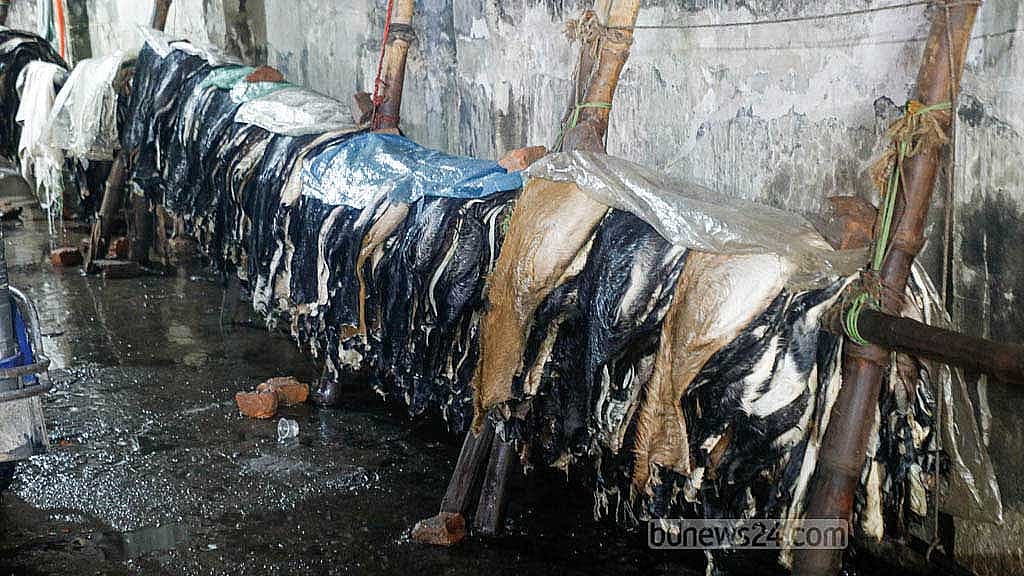
From here, nearly the country’s entire supply of sacrificial hides would move into the nearby tanneries of Hazaribagh.
Today, that confidence has largely evaporated.
Yet, with Eid only days away, Posta’s traders are preparing once again, determined to reclaim some of the market’s lost prestige.
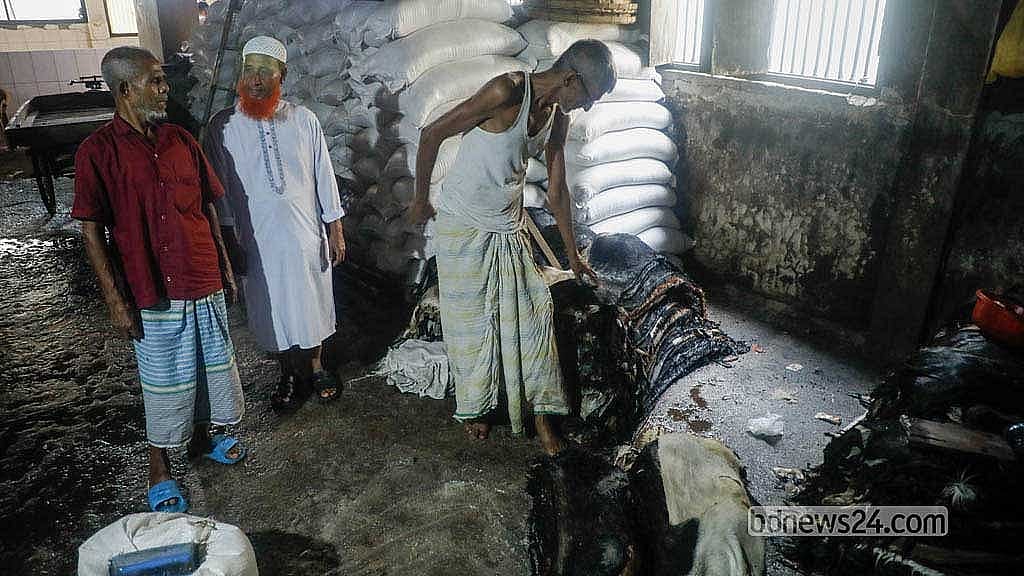
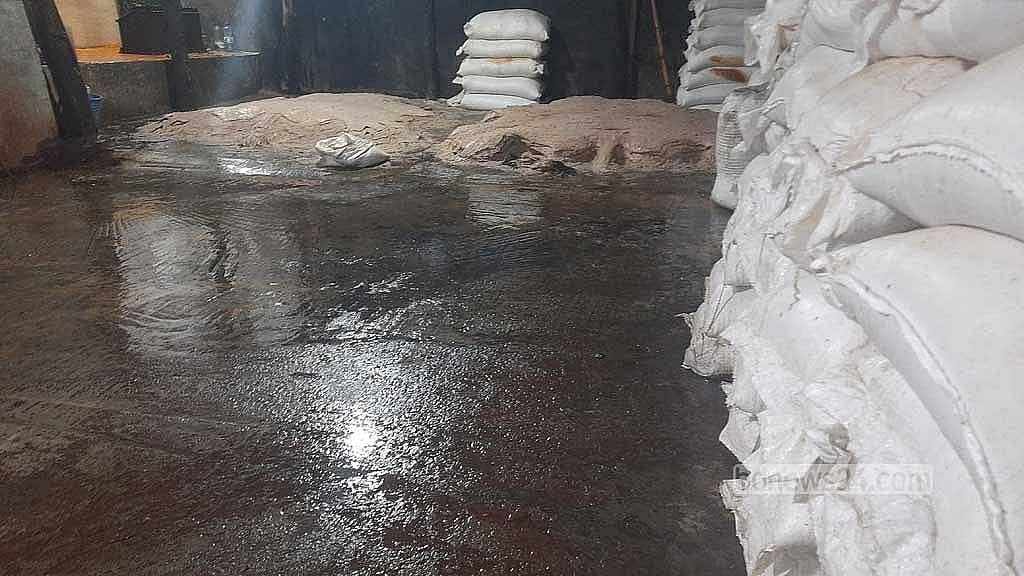
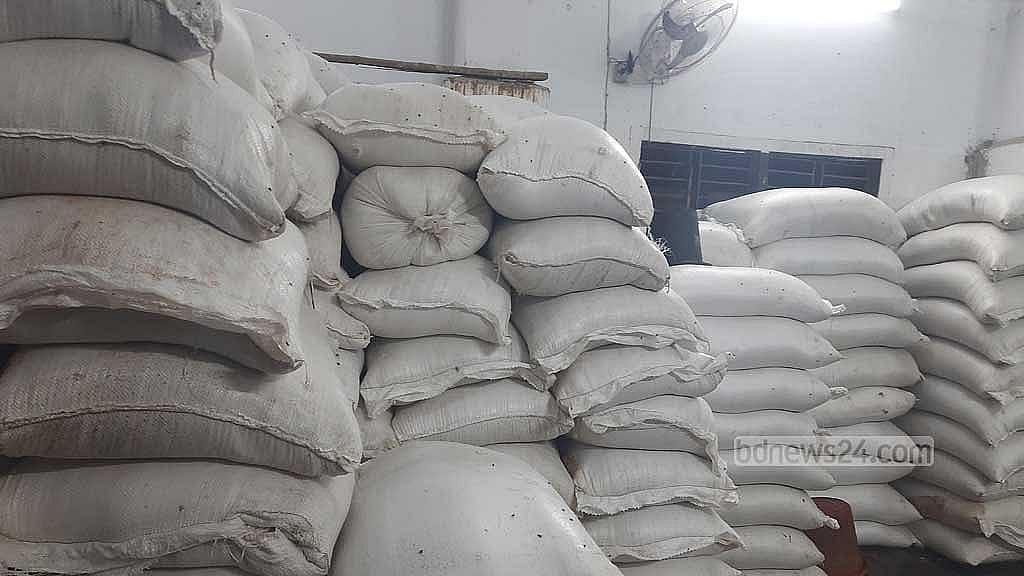
Warehouses are being emptied. Floors are being washed with water and bleaching powder before being disinfected with pesticides. Salt sacks are piling up in narrow lanes. Workers move hurriedly between storage depots scattered across Old Dhaka.
Behind the preparations lies a deeper anxiety: money.
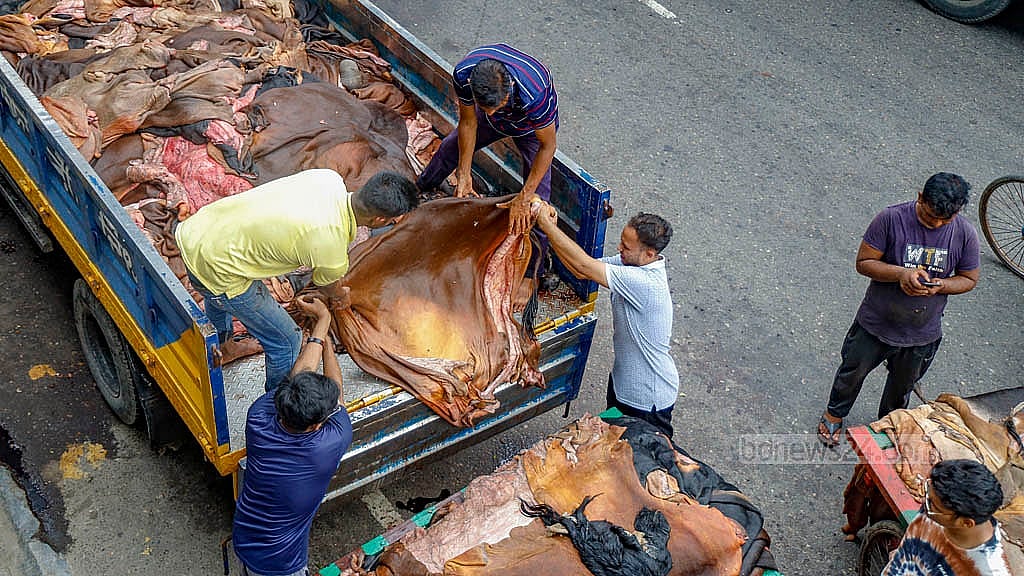
Many traders are still chasing payments owed by tannery owners from previous seasons while simultaneously trying to gather enough cash to buy this year’s hides.
Larger traders are seeking bank loans, though banks -- burdened by rising defaults in the leather sector -- have become increasingly reluctant to lend.
The financial strain is steadily shrinking the scale of Eid leather trading.
At the same time, the tanneries relocated from Hazaribagh to Savar’s leather industrial estate remain far from fully operational, reducing demand for raw hides.
Exports of leather and leather goods have also failed to recover momentum, dragging down the entire industry. Posta’s traders say the strain is now visible everywhere -- from Dhaka to Savar and beyond.
Yet traders here insist Posta’s best days are not over.
Where the Leather Money Went
Monirul Islam Panna, owner of Waab and Brothers, says local tanneries simply cannot absorb the huge volume of hides collected during Eid-ul-Azha.
“Europe used to be a major leather market for us. But because of certification issues, they no longer import like before. Now most leather goes to China.”
That, he argues, is why Bangladesh must expand opportunities to export wet blue leather -- partially processed hides ready for tanning.
The government estimates demand for sacrificial animals this year at just over 10.1 million, mostly cattle. More than 80 percent of the country’s annual raw hide supply is collected during Eid-ul-Azha alone.
Bangladesh Tanners Association Chairman Shaheen Ahmed says the industry is preparing to collect between 7.5 million and 8 million hides this season.
But traders in Posta say the sector’s biggest problem remains unpaid dues from tannery owners. Many claim they have yet to receive even half of last year’s payments.
Ahmed Kibria, director of Dipu Enterprise, believes allowing wet blue exports would force buyers to pay on time.
“An entire industry stands on leather, but tannery owners control everything. They lobby to set prices. We sell hides to them, but we do not get paid properly.”
Even by Monday -- with Eid only two days away -- he said many traders were still waiting for settlements from the previous season.
“Some promised to pay Monday night. Even if they pay half, we’ll at least be able to buy hides.”
Much of Posta’s business community now spends its days moving between offices in Dhaka’s Hazaribagh and Savar’s Hemayetpur, trying to contact tannery owners and recover dues.
Panna says global demand for pure leather products is falling as synthetic alternatives and mixed materials dominate fashion markets. Bangladesh, he says, lacks enough factories capable of producing such goods competitively.
“Tanneries cannot buy all the hides. So prices cannot rise, even though preservation costs increase every year. If the government allows exports, dollars will come in, hide prices will rise and poor people will benefit. The money from hides belongs to the poor.”
This year, he is preparing to preserve between 1,500 and 1,600 hides and has already purchased all necessary salt supplies. A 74kg sack of coarse salt now costs between Tk 1,050 and Tk 1,100.
Mohammad Yunus, director of Suman Enterprise, says transport costs have pushed prices even higher.
“Including transport, each sack now costs around Tk 1,100. Last year it was about Tk 950.”
Loans Vanish as Risks Rise
The decline in leather prices has transformed the economics of the trade. A cowhide that sold for Tk 4,000 to Tk 5,000 a decade ago now fetches between Tk 800 and Tk 1,600 at best.
As prices collapsed and factories shut down, loan defaults in the sector surged. Bangladesh Bank continues offering policy support for Eid hide financing, including loan renewals and working capital facilities. But demand for new loans keeps falling.
Central bank data shows only Tk 650 million in loans were disbursed for hide collection in 2025 against a target of Tk 6.45 billion. The year before, banks lent Tk 1.25 billion against a target of Tk 6.1 billion. In 2023, loans stood at Tk 2.7 billion.
Faced with high interest rates and shrinking profits, traders say they are scaling back operations and relying increasingly on personal capital.
The government has slightly raised official hide prices for Eid-ul-Azha. In Dhaka, salted cowhide will now sell for Tk 62 to Tk 67 per square foot, up from Tk 60 to Tk 65 last year. Outside the capital, prices will range between Tk 57 and Tk 62.
But traders remain unconvinced that the increase will significantly change fortunes.
Manzur Hasan, president of the Bangladesh Hide and Skin Merchants Association, says Chinese buyers are already visiting warehouses directly.
“If exports are allowed, buyers from many countries will quote prices. Then we can sell wherever prices are highest. Otherwise, I don’t think prices will rise much compared to last year.”
Amid stacks of salt and unpaid bills, Posta’s traders are clinging to the hope that this Eid might yet breathe life back into Bangladesh’s fading leather heartland.