Published : 28 Aug 2026, 07:02 AM
Updated : 09 Sep 2026, 11:16 AM


Highlights
● Limited-income families are cutting back on food, toiletries and other essentials as everyday costs continue to rise.
● Consumers report higher electricity and LPG expenses, while some household products have become smaller even when sticker prices remain unchanged.
● Prices of flour, eggs, onions and edible oil have risen, despite official data showing inflation easing to an eight-month low in July.
● Energy security remains a major concern, with experts warning that shortages could undermine jobs, incomes and efforts to contain prices.
“We have not been married long. It is just the two of us and we do not even have a child yet. But the pressure of expenses is already making me frustrated with family life.”
That is how 30-year-old Sayedul Haque describes the strain of rising living costs.
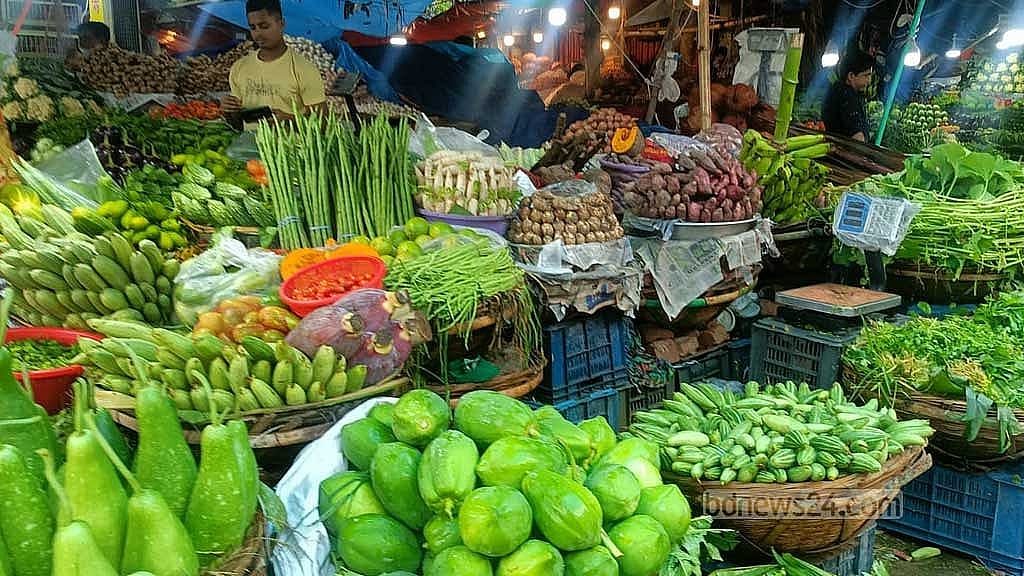
The Old Dhaka resident, who completed his studies at Dhaka University and is looking for a job, supports his household through private tutoring and his wife’s income.
“Many essential things are now beyond our reach,” he said. “Sometimes we argue about it. What can we do? The real problem is that everything costs more.”
Electricity, cooking gas, and toiletries have become some of his biggest worries.
Sayedul said Tk 1,000 of prepaid electricity used to last about 35 days four months ago. Now it lasts barely three weeks.
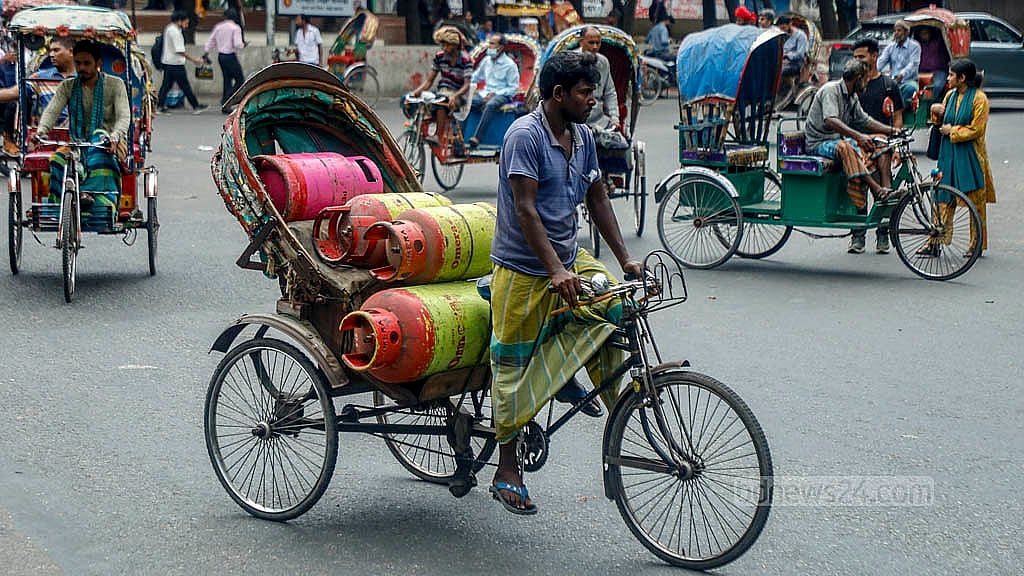
A 12kg LPG cylinder that cost him Tk 1,500 four months ago went for Tk 2,250 last month.
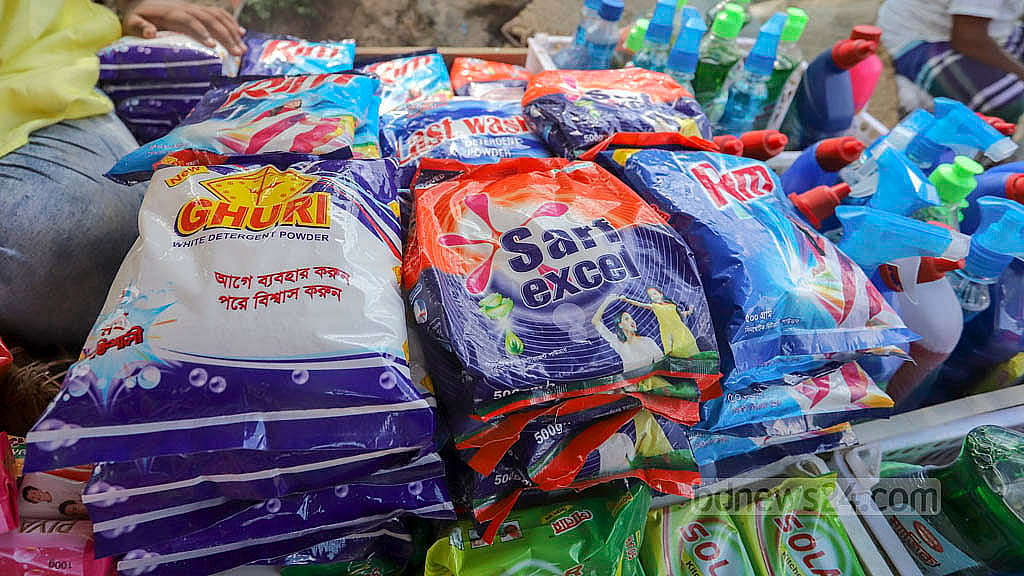
Toiletries have also punched a bigger hole in his budget. He and his wife usually spend about Tk 1,500 every two months, but the same basket recently cost around Tk 2,500.
“We used to buy Unilever products. Now we will switch to cheaper local brands.”
Sayedul’s struggle reflects a wider squeeze on urban families with limited incomes. Those with children face even greater pressure as the cost of providing fish, meat, eggs, and other nutritious food rises.
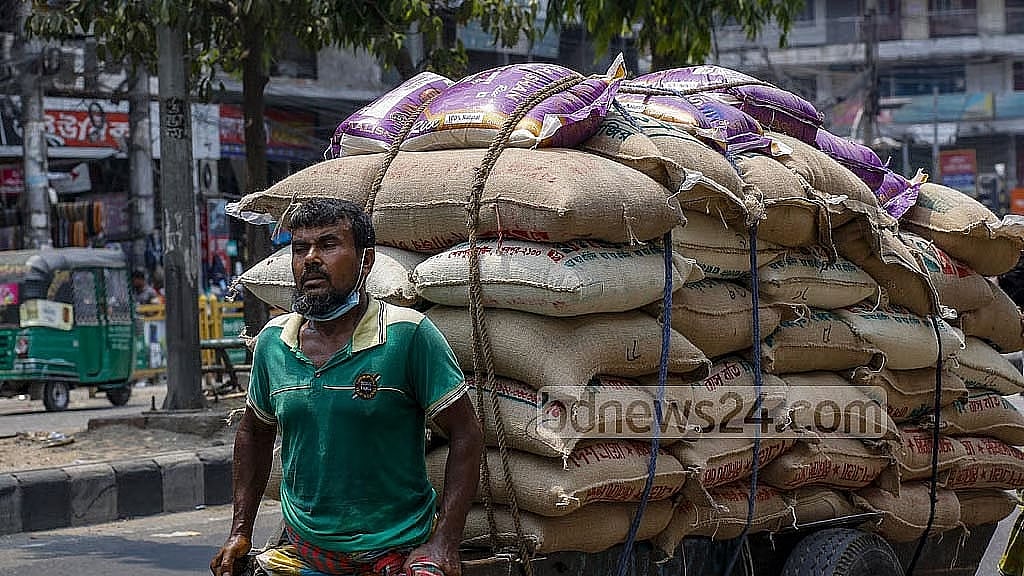
Rice prices have also remained elevated. Traders say a 50kg sack of Miniket rice has risen by around Tk 50-60 in a week.
Former Bangladesh Institute of Development Studies Director General Mustafa K Mujeri says energy security has now become the single most important factor in tackling the broader cost-of-living crisis.
“If the energy supply system cannot be fixed and uncertainty removed, none of the other efforts will succeed,” he said.
‘Silent Price Rises’
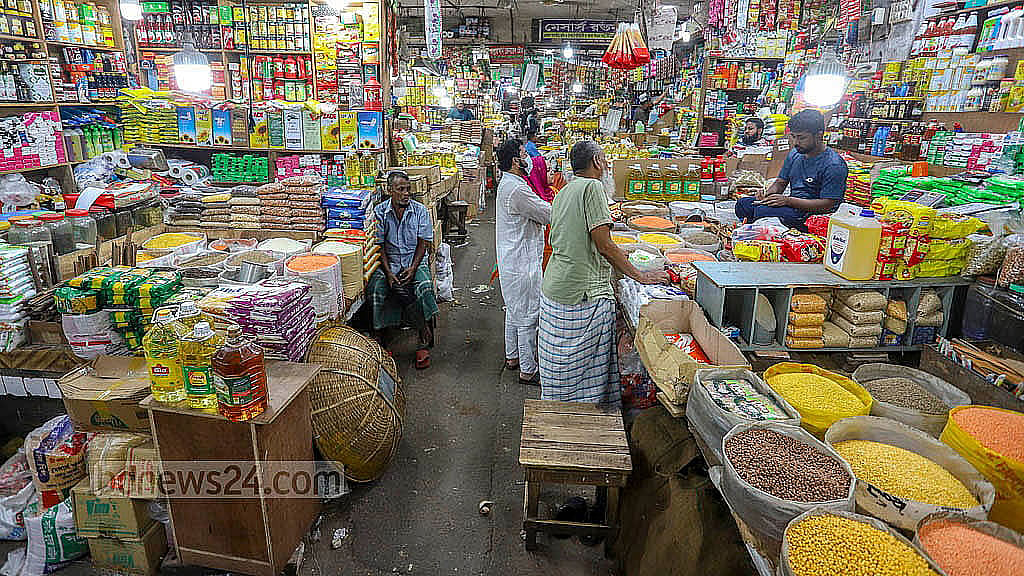
At Daily Needs, a grocery and household goods shop in Mohammadpur, owner Tanvir Joy points to another form of inflation: consumers paying the same price for less product.
“Almost everything has become more expensive,” he said. “Either the weight is reduced or the price is increased.”
A Tk 5 packet of Surf Excel now contains 16 grams, down from 18 grams about a week earlier, according to Tanvir. A Tk 10 packet has fallen from 40 grams to 36 grams.
Lux soap bars have also shrunk: an 85-gram bar is now 80 grams, while a 65-gram bar has become 60 grams.
A kilogram of Rin detergent powder, meanwhile, now costs Tk 175, compared with Tk 145-150 a month earlier.
The practice of reducing quantity without raising the sticker price -- often called “shrinkflation” -- can easily escape consumers’ notice.
Unilever told bdnews24.com it had not passed the full rise in raw material costs on to consumers.
The company said it had taken cost-saving measures, including changes to product formulations and the use of ingredients, to limit the impact of price increases.
Cutting Back on Nutrition
Kabir Ahmed, who works for an insurance company and lives in Mouchak’s Doctor Goli, supports a family of five.
His weekly shopping list has steadily become shorter.
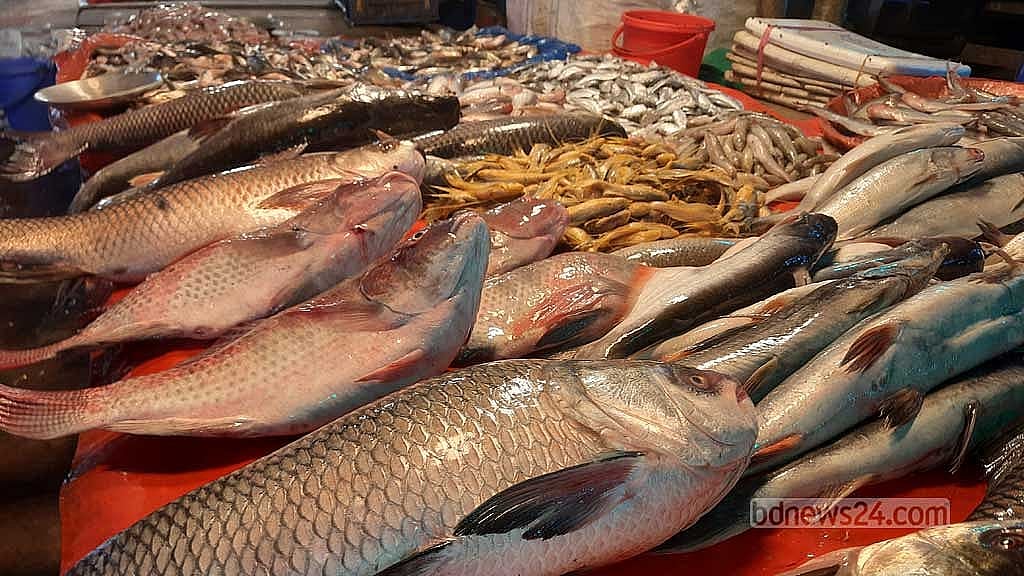
“We used to try to have fish or meat at least once a week,” he said. “Now I often leave out meat and buy eggs instead. If eggs seem too expensive, I cut those back too.”
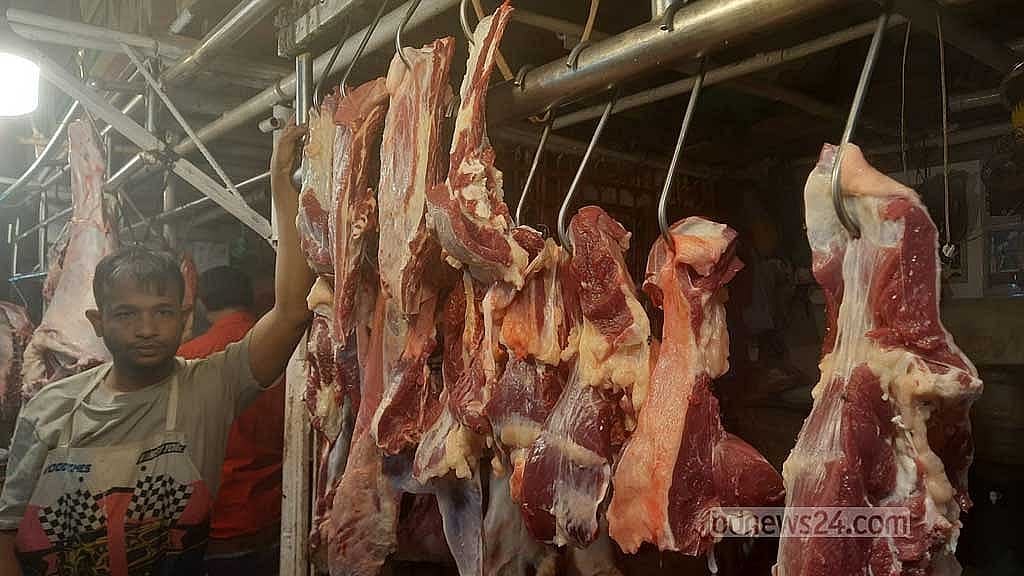
Milk is no longer a regular purchase. Fruit is bought only when necessary, while fish and meat portions have shrunk. Eating out has almost stopped.
“I used to go to the market thinking about what we would eat,” Kabir said. “Now I think about what I can leave out so we can make it through the month.”
The hardest moments, he says, come when his children ask for something.
“You hear the price and think, maybe we can skip it today. Before, I calculated how to live well with the money I had. Now I calculate how to reach the end of the month spending as little as possible.”
What Do the Numbers Say?
The Bangladesh Bureau of Statistics reported overall inflation of 8.32 percent in July, the lowest in eight months.
But market prices tell a more complicated story.
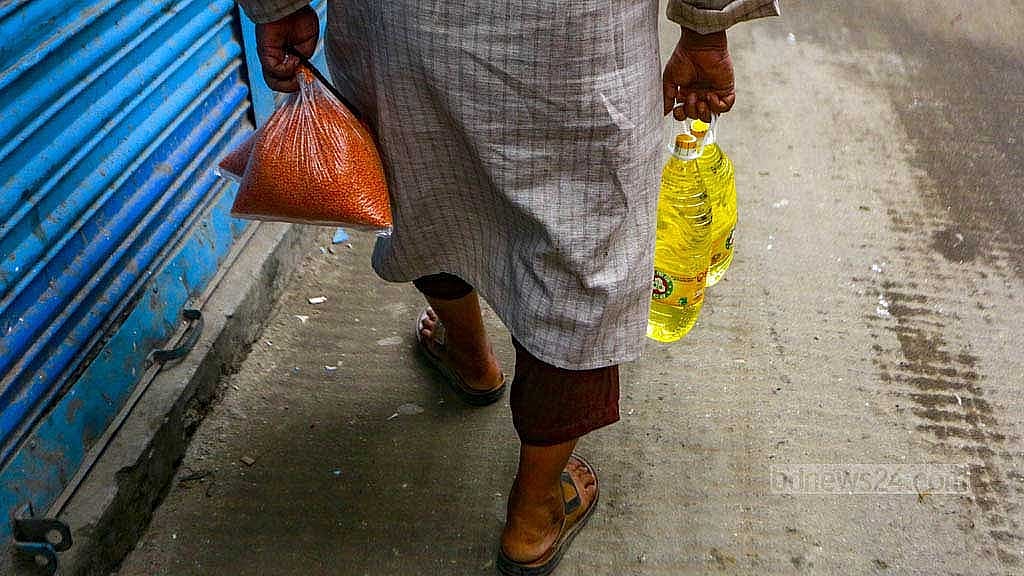
In the past month, loose flour has risen about 14.5 percent, from Tk 58-60 a kilogram to Tk 65-70. Packaged flour is up around 7 percent.
Onions that sold for Tk 40-45 a kilogram last month are now Tk 55-60.
Loose soybean oil is selling at Tk 185-190 a litre, while palm oil costs Tk 165-170.
Bottled soybean oil remains officially around Tk 200 a litre, but retailers say supply has tightened amid expectations of another price increase.
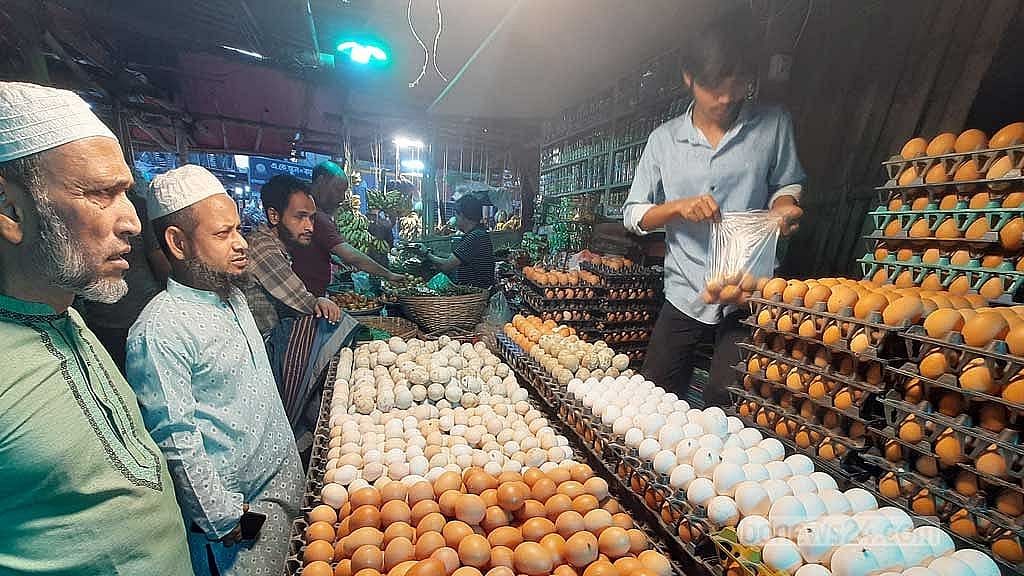
Farm eggs have risen from Tk 125-130 a dozen last month to Tk 155-160.
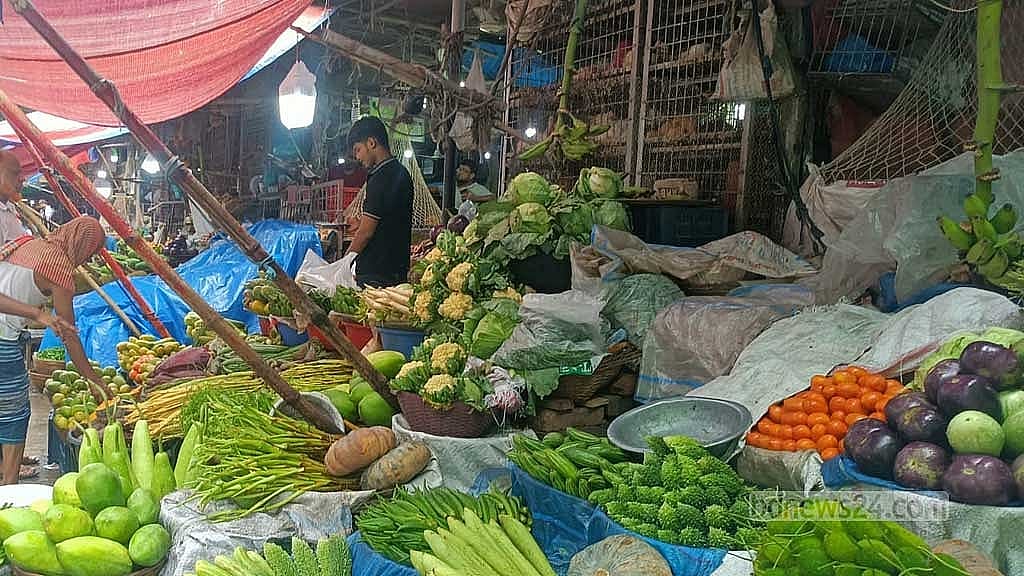
Some vegetable prices have eased as supplies improved, while imported green chillies have fallen after previously surging close to Tk 400 a kilogram.
Will Relief Come?
Economists say there are essentially two ways to ease the pressure: raise incomes or bring down the cost of goods and services without sacrificing quality.
Mujeri argues both must happen together.
“If prices fall, purchasing power rises. If income rises, purchasing power also rises,” he said.
He also stressed the need for “decent work” -- jobs that pay proper wages.
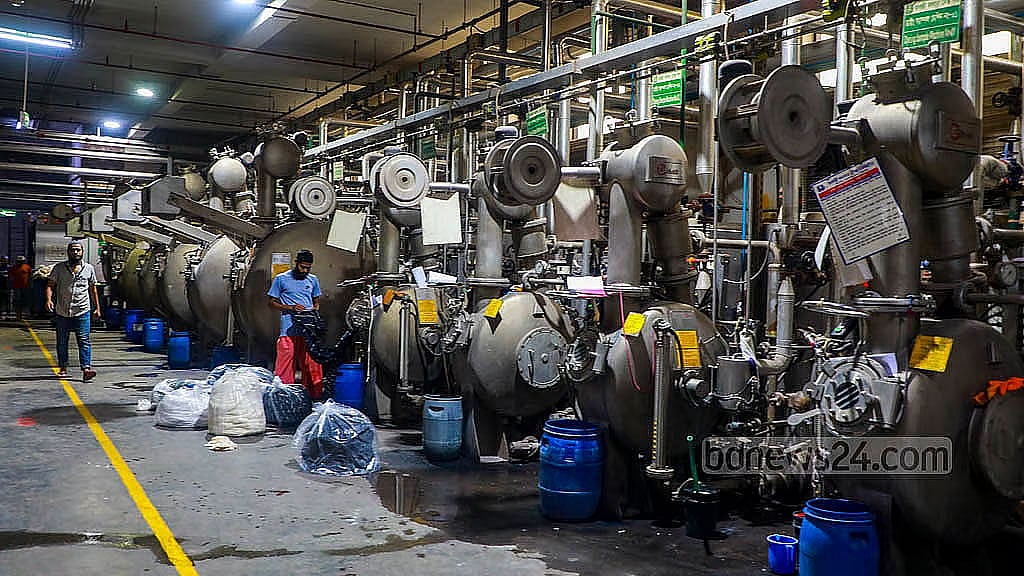
But the energy crisis is complicating both goals. Factory closures and job losses have accompanied shortages, making it harder to boost employment or incomes.
“If energy security cannot be ensured, then whether you are talking about employment, higher incomes or lower prices, none of it can be achieved,” Mujeri said.

Economist KAS Murshid sees an additional vulnerability. According to him, Bangladesh lacks sufficient buffers in critical areas such as food and energy.
“We do not really have reserves in that sense,” he said.
That leaves the country exposed whenever domestic or global supply is disrupted.
For families such as Sayedul’s and Kabir’s, however, the economics is already brutally simple. Which is spend more, buy less -- and keep deciding what can be left out.