Published : 18 Sep 2025, 07:39 AM
Updated : 28 Aug 2026, 01:27 AM


Despite women’s prominent role in Bangladesh’s pro-democracy uprising last year, efforts to improve their political representation face resistance, particularly from Islamist parties, as the country prepares for its next general election.
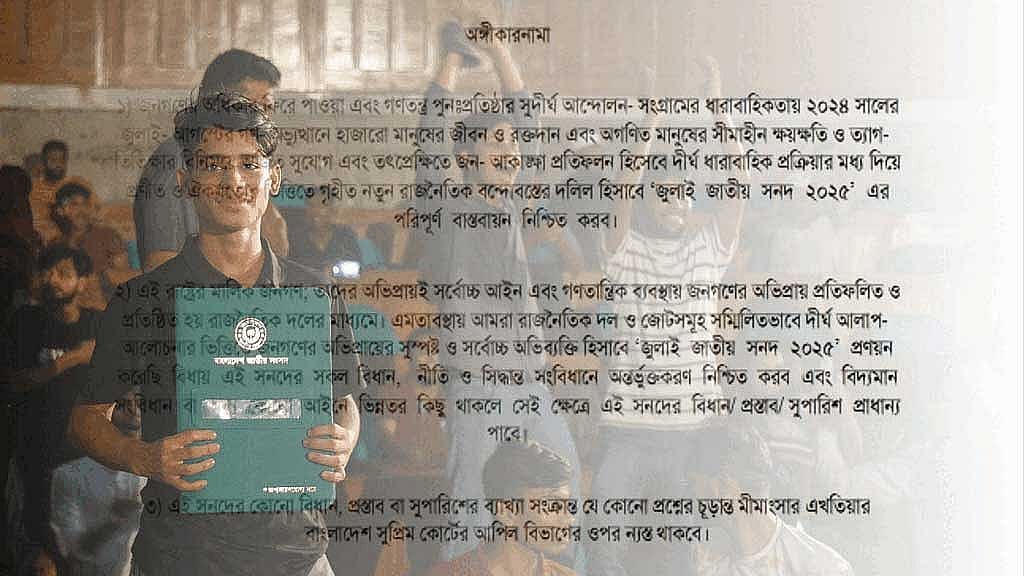
A final draft of the July Charter, prepared by the National Consensus Commission, proposes that political parties nominate at least 5 percent female candidates for the 300 directly elected seats in parliament.
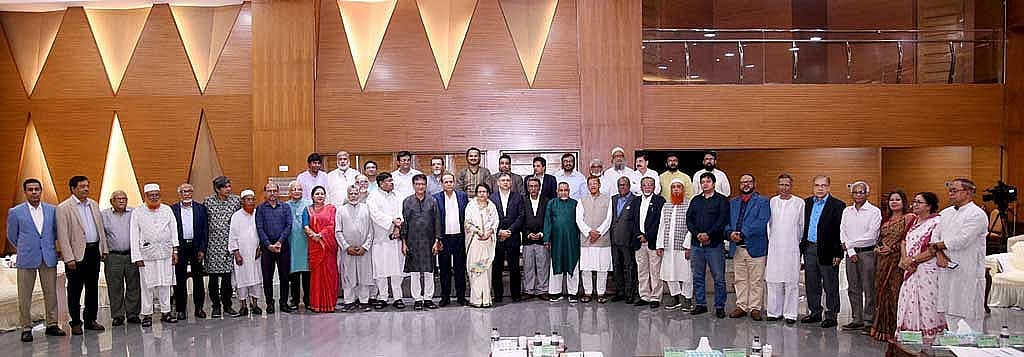
But several Islamist parties, including Islami Andolan Bangladesh, Bangladesh Khelafat Majlis, and Nizam-e-Islami Party, have opposed even this modest quota.
The Charter’s authors had originally recommended that parties nominate at least 33 percent women candidates, aligning with long-standing demands from women’s rights groups and earlier reform commissions. But during the national dialogue, this proposal was gradually diluted, leading to deep disappointment among campaigners.
Badiul Alam Majumdar, a key member of both the Electoral Reform Commission and the Consensus Commission, admitted frustration at the outcome.
“There’s not much more we can do,” he said after talks with political parties ended in July.
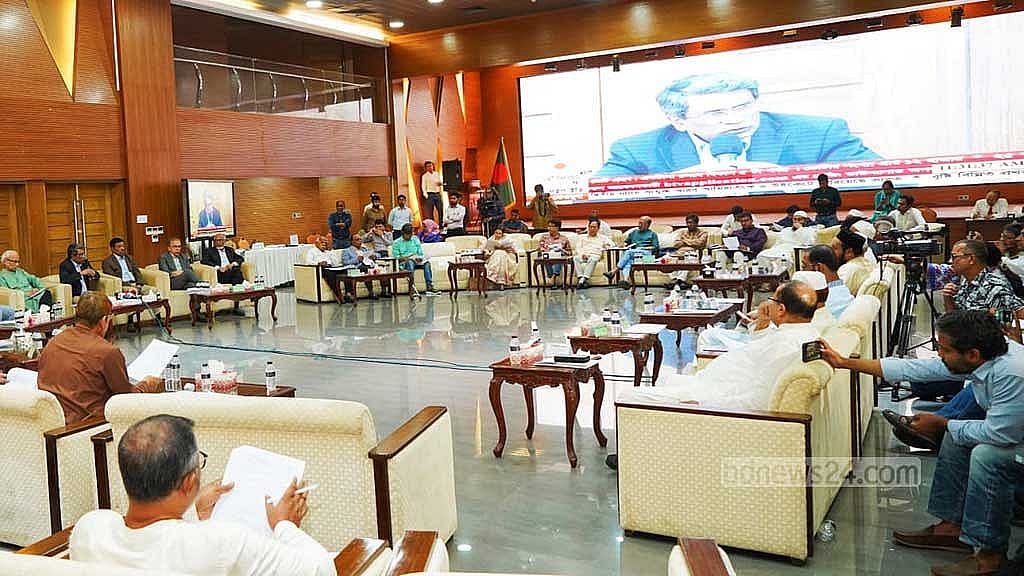
While all major parties agree on increasing the number of reserved seats for women from 50 to 100, they remain divided over implementation.
The two left-leaning parties, the Communist Party of Bangladesh (CPB) and Bangladesher Samajtantrik Dal (BaSaD), want all 100 seats to be filled through direct elections, not party nominations.
Other proposals, such as a “rotating seat” system where different constituencies are reserved for women each cycle, failed to secure consensus.
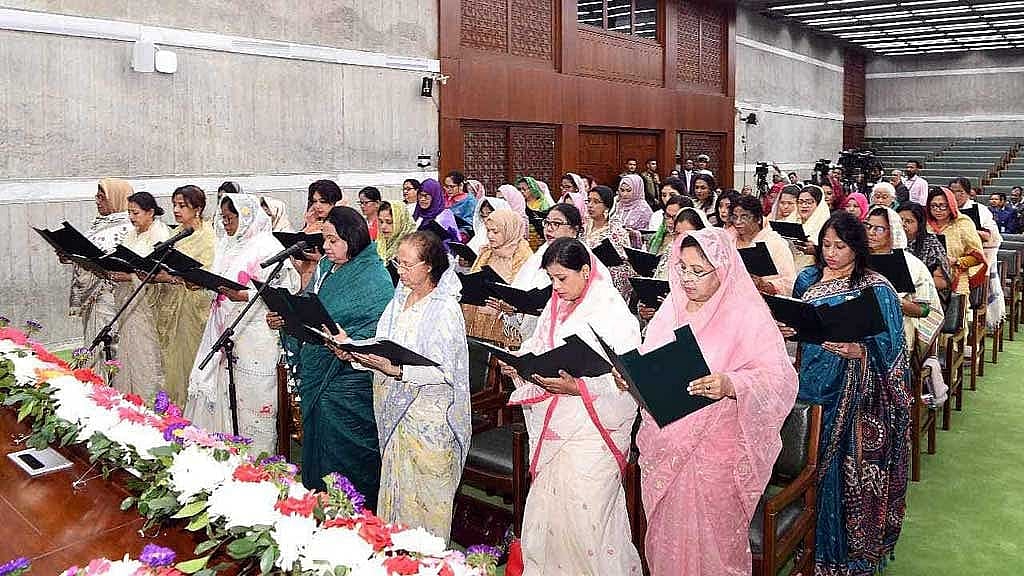
The current draft keeps the 50 reserved seats in place and introduces a gradual increase in women’s participation: 5 percent women candidates in the next election; 10 percent in the following one, and a 5 percent increase in each cycle until the 33 percent target is met.
The phased approach would eventually be written into the Constitution. However, Jamaat-e-Islami, Islami Andolan, and Khelafat Majlis have voiced opposition, arguing that legally binding quotas may restrict women’s empowerment.
BNP BACKS 5%, ISLAMISTS DISSENT
The Bangladesh Nationalist Party (BNP), now the country’s main political party, has backed the 5 percent direct nomination proposal, with senior leader Salahuddin Ahmed noting: “It came from us, not any other party.”
In contrast, Islamist parties remain cautious.
“We support reserved seats but not mandatory direct nominations,” said Mia Golam Porwar, secretary general of Jamaat-e-Islami.
Gazi Ataur Rahman, spokesperson for Islami Andolan, said the 5 percent or 7 percent quotas were merely “suggestions”, adding that his party preferred a proportional representation system where women could rise through merit.
Mohammad Muntasir Ali, joint secretary general of Khelafat Majlis, argued that imposing quotas may “ultimately hinder women’s progress” and called for improved safety and enabling environments instead.
ACTIVISTS ‘FRUSTRATED’
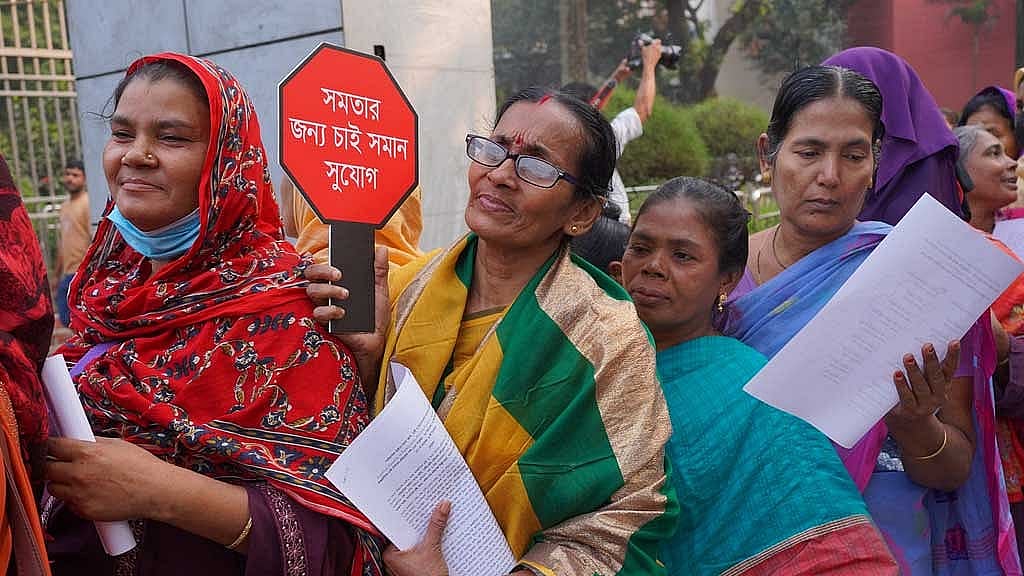
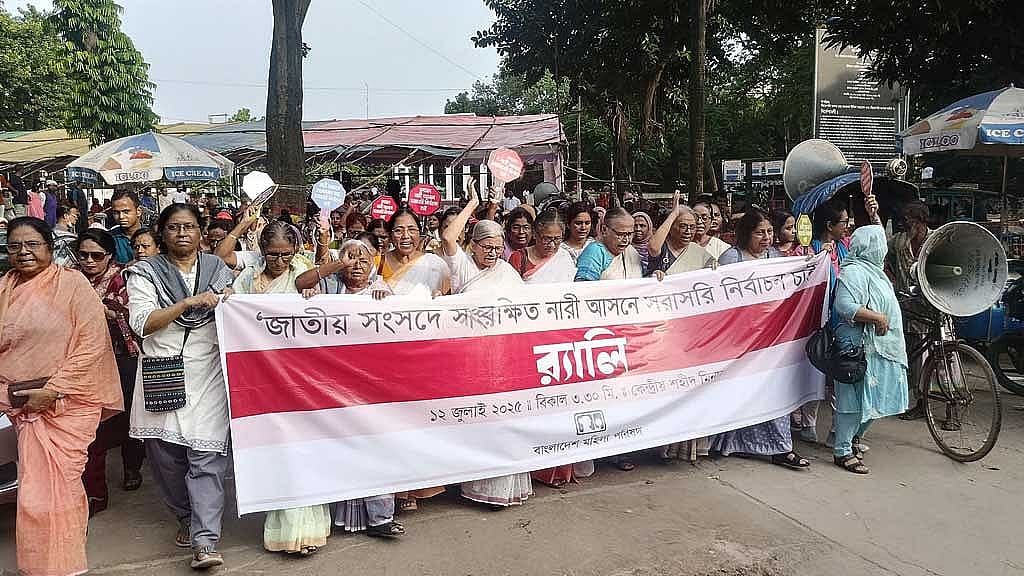
Women’s groups have condemned the political parties’ failure to commit to stronger representation.
The Samajik Protirodh Committee, a coalition of 71 civic organisations, had called for 150 directly elected seats for women and full voting rights for all reserved positions.
Another forum, the Women’s Political Rights Forum, demanded 33 percent of all nominations go to women and that the 100 reserved seats be filled through direct elections.
Fauzia Moslem, president of the Bangladesh Mahila Parishad, said: “Women make up 51 percent of the population, yet we still don’t have fair political representation. It’s disappointing that parties refused even the 33 percent candidate quota.”
Prof Samina Luthfa Nitra of Dhaka University added, “Bangladeshi women are politically aware. They vote. There’s no justification for limiting their presence in parliament to party-nominated seats. One-third of candidates should be women and elected directly.”
Last year’s July Uprising, which led to the fall of the Awami League government, saw women play a prominent role on the frontlines of mass protests.
In its aftermath, hopes had risen that Bangladesh’s interim reform process would bring lasting change -- including genuine opportunities for women in elected politics.
But as negotiations around the July Charter reveal, symbolic inclusion remains easier to promise than deliver. And for now, it seems that the voices of women in the streets have yet to echo fully in the halls of power.