Home
+
Published : 03 Jun 2026, 06:03 PM
With uncertainty hanging over global energy markets amid the conflict in West Asia, Bangladesh is looking to strengthen cooperation with the United States on fuel imports, gas exploration and investment.
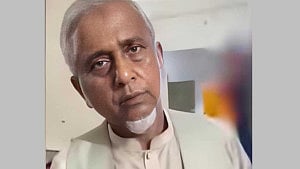
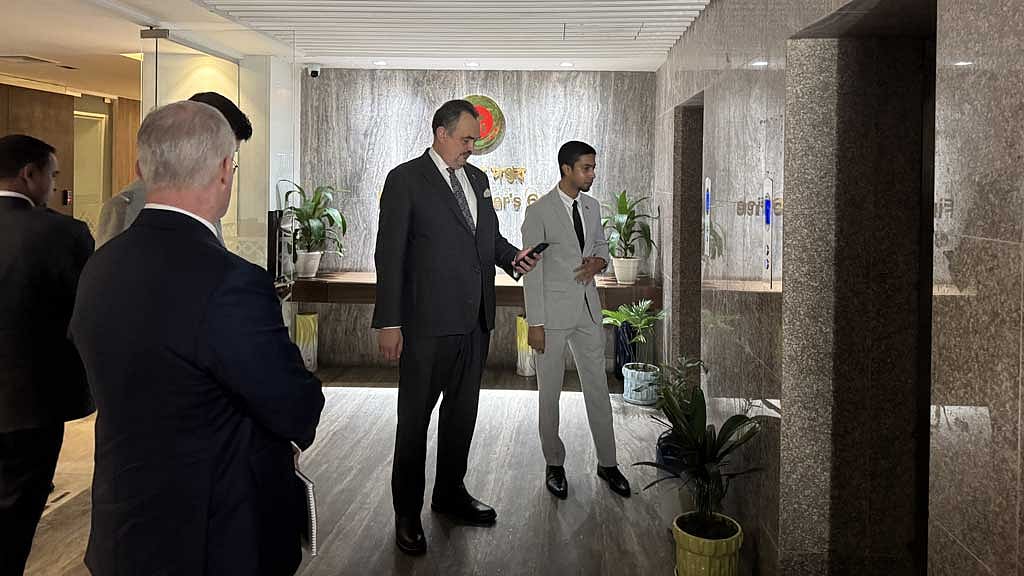
Those issues featured prominently in a meeting between Finance Minister Amir Khosru Mahmud Chowdhury and US Ambassador to Bangladesh Brent T Christensen at the Secretariat on Wednesday
The two sides reviewed opportunities to deepen economic and commercial ties.
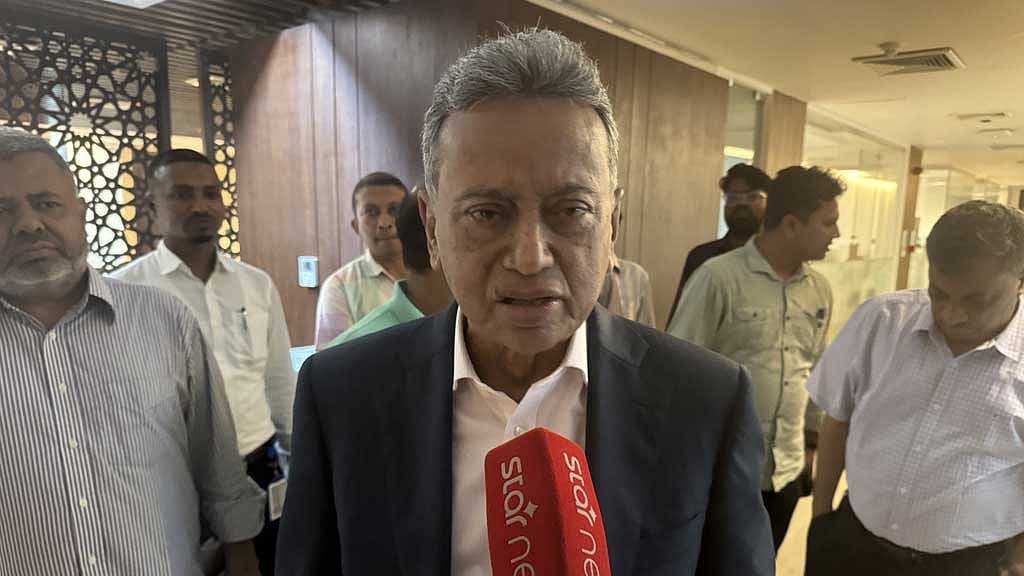
“We discussed the progress of trade and business activities with the United States,” Khosru later said.
“We also discussed developments related to US involvement in gas exploration, as well as Bangladesh’s imports of gas and oil from the United States.”
American companies already occupy a significant position in Bangladesh’s energy industry.
Chevron supplies more than half of the natural gas produced domestically for the national grid, while one of the country’s two liquefied natural gas (LNG) terminals was developed by US-based Excelerate Energy.
The meeting also came against the backdrop of the Agreement on Reciprocal Trade (ART) signed between Dhaka and Washington on Feb 9, following nine months of negotiations and only days before the interim government left office.
The deal initially attracted little public attention as political debate centred on the election, but later drew criticism from business leaders, economists and politicians who argued that several provisions were not in Bangladesh’s interest.
Despite those concerns, the BNP-led government has indicated it intends to honour the agreement, describing it as a tool for strengthening bilateral relations.
Under the deal, Bangladesh agreed to import $3.5 billion worth of US agricultural products, including wheat, soybeans and cotton, over the next five years.
It also committed to purchasing $15 billion worth of LNG from the United States over a 15-year period.
The agreement also included Bangladesh’s consent to acquire 14 Boeing aircraft for Biman Bangladesh Airlines. After taking office, the BNP government moved to finalise a separate arrangement with the US aerospace manufacturer within two and a half months.
While Khosru did not directly address questions about the trade agreement, he confirmed that broader economic cooperation was discussed.
“US technology companies are interested in coming to Bangladesh,” he said. “We discussed these opportunities, as well as how different US financial institutions and companies can provide support.”
Asked about a proposal by President Donald Trump’s administration to impose additional tariffs on imports from 60 countries, including Bangladesh, over alleged failures to curb forced labour practices, the minister said the matter did not come up during the meeting.
“No, that was not discussed. I am not aware of it,” he said.
The proposal, put forward by the Office of the United States Trade Representative (USTR), would impose an additional 10 percent tariff on imports from Bangladesh and several other countries.
The agency argues that inadequate action against forced labour has created unfair competition for American workers.
The USTR is accepting public comments on the proposal until Jul 6 and has scheduled a public hearing for Jul 7.
It has also floated a special textile arrangement that could allow a certain volume of garments and textile products to enter the US market at reduced tariff rates, though details remain unclear.