Published : 16 Dec 2025, 12:57 PM
Updated : 21 Aug 2026, 04:32 PM


On Dec 16, 1971, Dhaka was a city on the edge of jubilation. The streets overflowed with people celebrating the victory in the Liberation War, but the city’s radio station remained closed that day.
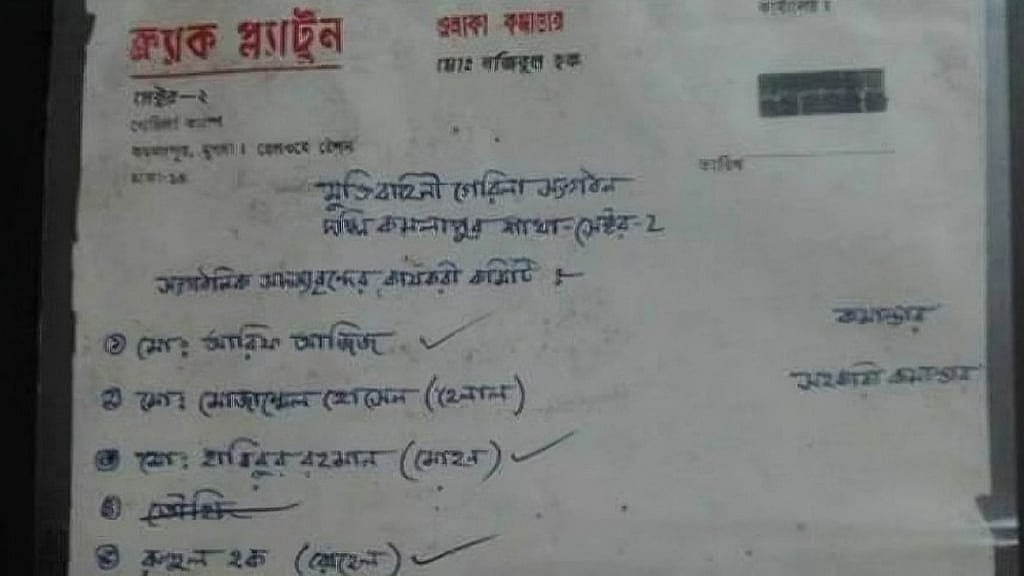
Indian allied forces had planned to announce Bangladesh’s independence formally the following morning -- but a few daring guerrilla fighters decided they would not wait.
The group, acting with urgency and determination, formulated a plan that very night and executed it by the morning of Dec 17.
This action preempted the allied forces, surprising the Indian military officers who had arrived in the capital.
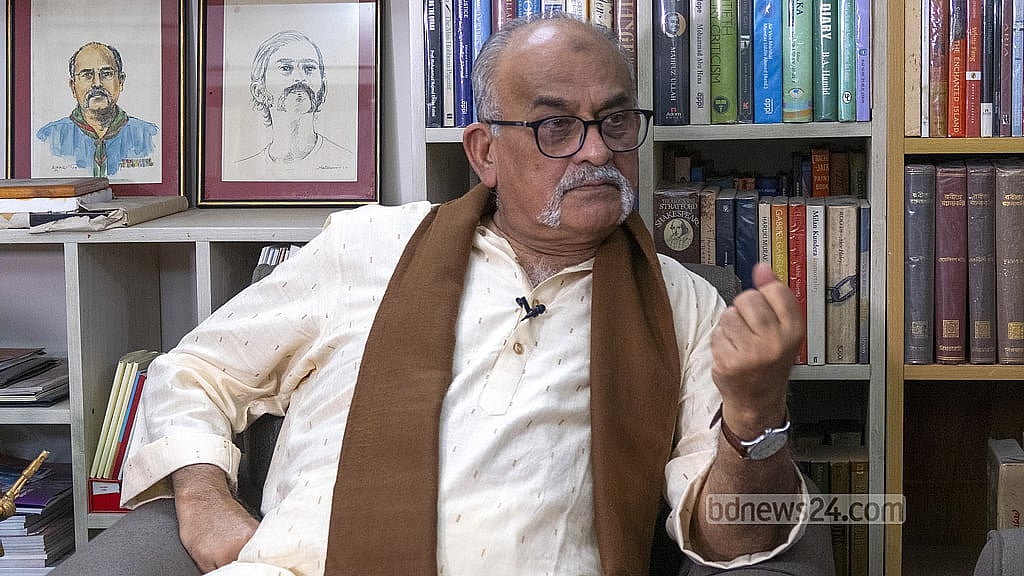
One of the masterminds behind this historic announcement is Habibul Alam, a decorated Bir Protik, who shared his account of that moment with bdnews24.com’s Inside Out ahead of the 54th Victory Day anniversary.
During the wide-ranging interview, the distinguished veteran, a member of the legendary Crack Platoon, recounted his vivid memories of the euphoric entry into Dhaka city and the immediate aftermath of the Pakistani surrender.
“It was a euphoric situation in the whole city at that time because everyone was happy, everyone was laughing. Joy Bangla was the sound at that time,” he said.
He talked about the “second independence", while praising the role of young people in toppling the “autocracy” during the July Uprising 2024.
Reflecting on politics, he drew sharp distinctions between the Jamaat-e-Islami of 1971 and the present-day party, warning against mixing the two.
He also criticised the distortions in history, and confusion over who qualifies as a freedom fighter.
Despite uncertainty, Alam said Bangladesh would recover and move forward, urging young people to believe in themselves and seek clarity of purpose.
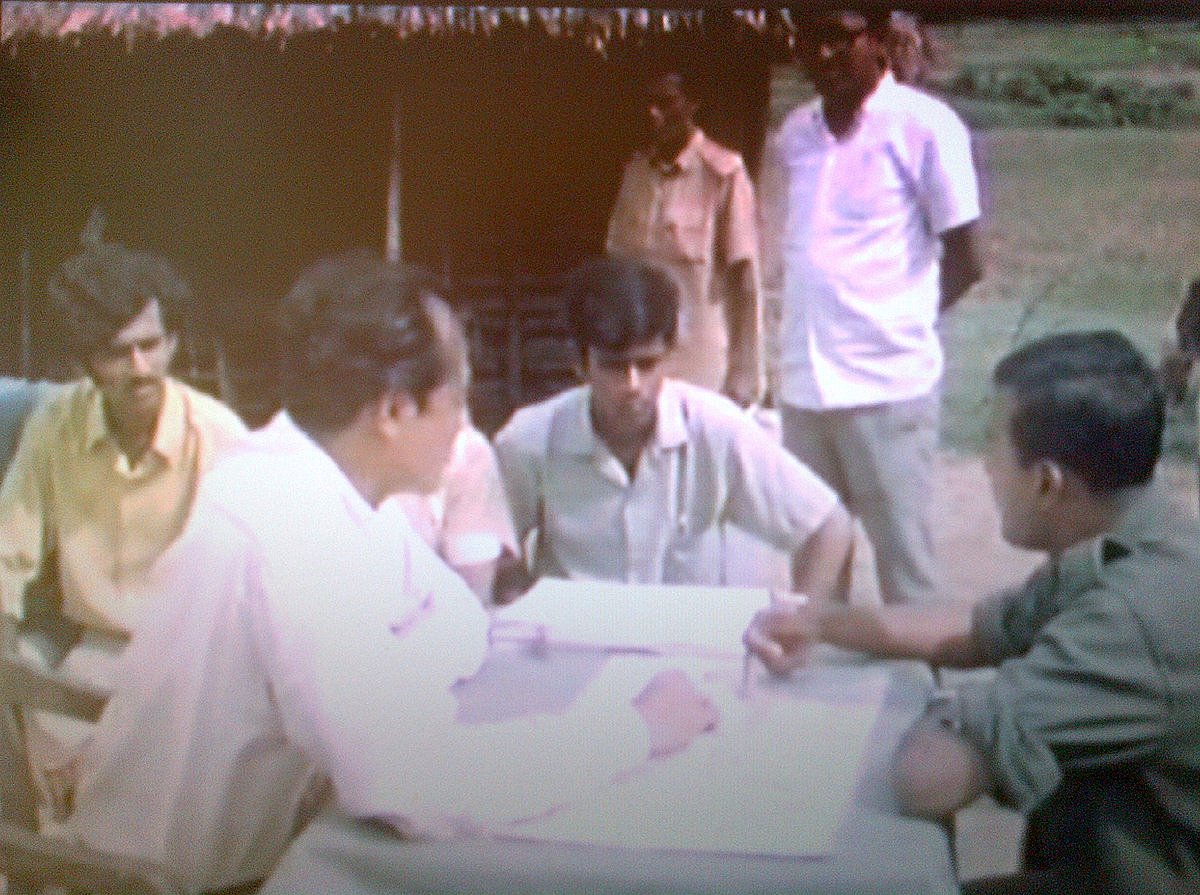
THE UNSEEN VICTORY: ENTERING DHAKA
Speaking on what he saw on Dec 16, the day the Pakistan army surrendered, Alam admitted he was unable to witness the formal surrender itself.
"To be very honest, I couldn't see. We couldn't see when we walked in. By that time, the surrender was over," he recounted.
He described the subsequent entry into the capital: “We walked in. We were pretty close to Dhaka and from the Badda areas we walked down through the present Kamalapur Railway Station and we walked through Motijheel.”
The situation in the city was one of overwhelming joy. “People were damn happy. They were yelling, they were shouting. It was interesting."
Alam also recalled an unexpected gesture of welcome: a commercial attaché from the Australian Trade Commission stationed at Purbani personally greeted them.
IMMEDIATE AFTERMATH
Alam described how the freedom fighters focused on stabilising the city while the newly formed government was still finding its footing.
Roads and bridges were damaged, infrastructure was weak, and coordination with districts remained challenging.
He added, “Nevertheless, there was no shortage of food at that time. This much I can tell you.”
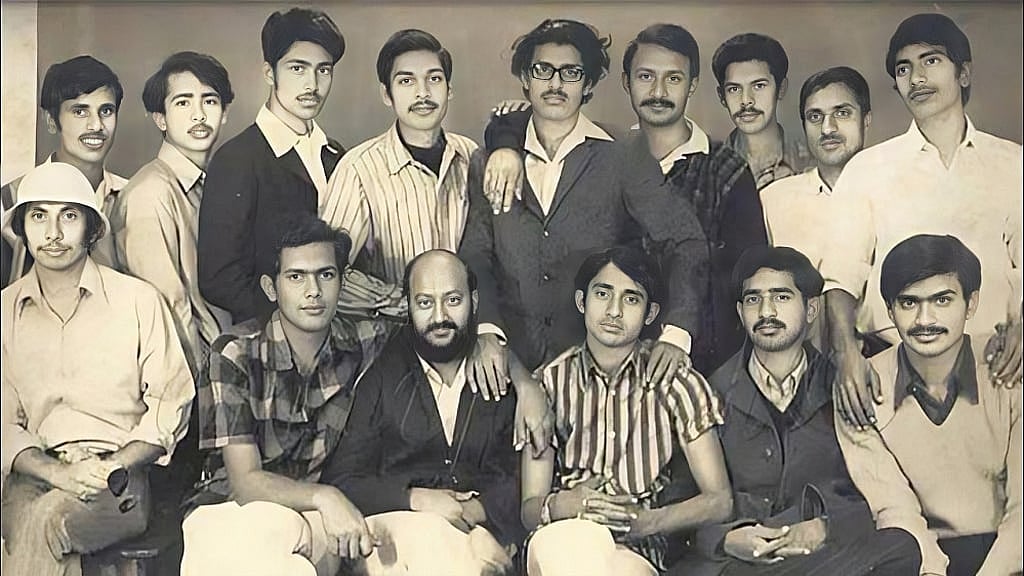
THE PSYCHOLOGICAL EDGE
The veteran recalled the psychological warfare waged by the Indian allied forces against the Pakistani military prior to the surrender.
He noted that before Dec 16, when the aerial fighting began on Dec 3, Indian fighters dropped leaflets and literature on the Pakistani border areas, including Dhaka and its neighbouring regions.
The message delivered was: "Surrender to us now before the Mukti gets hold of you."
This report was given by Henry Brandon, correspondent of the Sunday Times, on Dec 12, 1971, and it was published in print in New York, he added.
Alam explained that the Pakistani forces’ morale was crushed.
“It is not hard to see why in the vivid face of Colonel Deshpande [An Indian Army officer involved in the 1971 war], the [Pakistani troops’] morale was in their boots.”
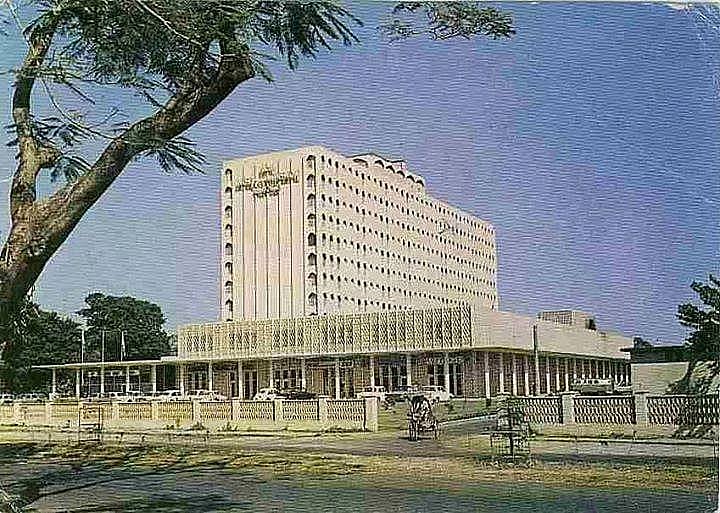
GUERRILLA OPERATIONS
Referring to the contribution of the Mukti Bahini, particularly the guerrilla units he was part of, Alam cited Indian military accounts that acknowledged how city-based guerrilla actions made it easier for both the Bangladeshi and Indian armies to enter Dhaka.
“All guerrilla operations are normally done. Before you go for an action, you have to plan, see, and do the [reconnaissance] stuff. We did that, a lot many times,” he said.
He highlighted operations targeting infrastructure such as power plants and distribution centres, noting the complexity of such missions. “It is no joke to blow it up. The distribution centres of the dark acid, it was in the dark, and there was chaos. So I believe we did it very well.”
Alam reflected on the fundamental purpose of the guerrilla fighters. “Our job was to fight. Make Pakistan surrender and get the independence of this country. The next part was the job of the politicians,” he said, stressing that the responsibility of running the country rested with elected leaders, not the fighters.
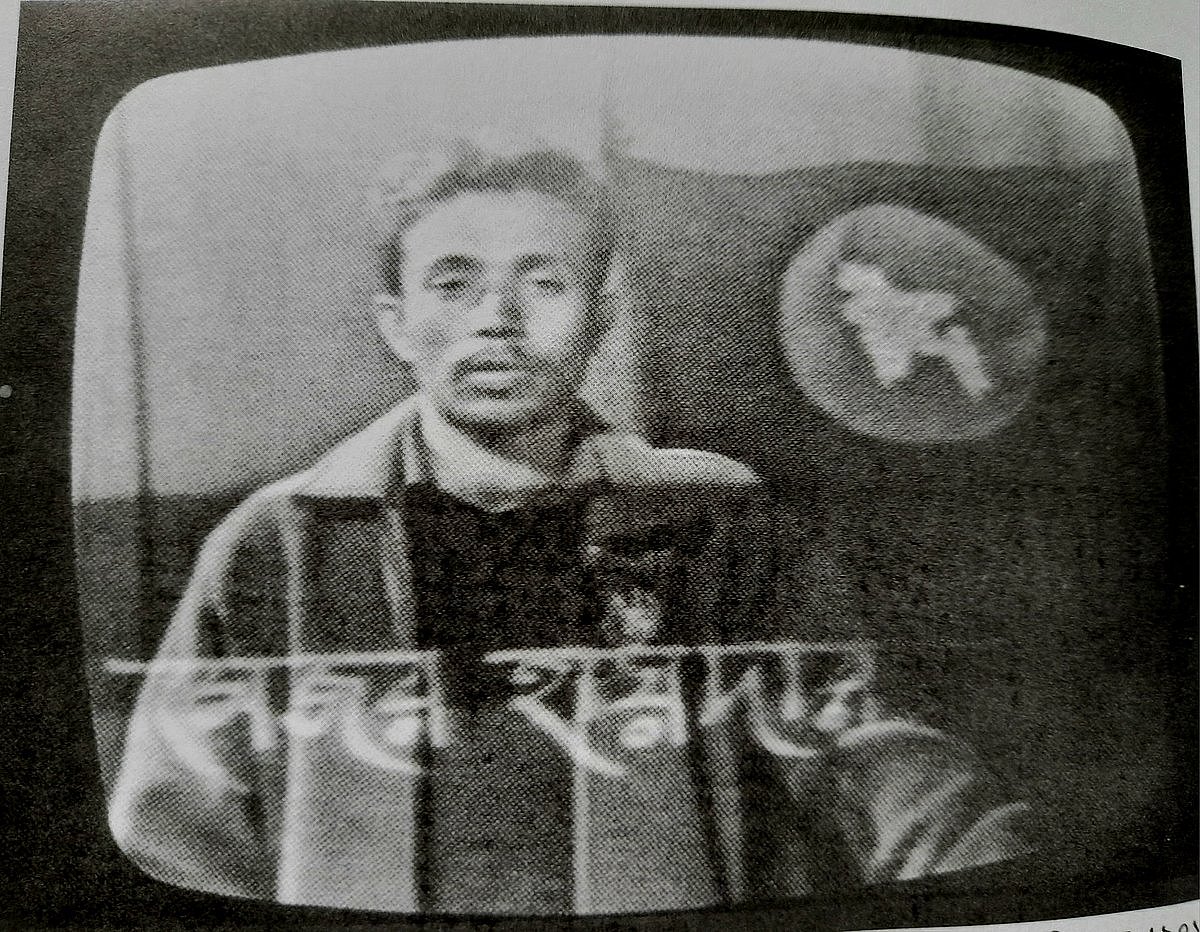
REFLECTION ON JAMAAT
Alam stressed the importance of separating historical and contemporary contexts when discussing the Jamaat-e-Islami.
“Don't, please, for God's sake, don't mix it with the Jamaat of 1971. This Jamaat is not that Jamaat. So if you say the Jamaat of 1971, sorry, that's a wrong number you're dialing with me,” he said.
He noted that today’s party, with its younger and more educated members, is fundamentally “different”.
“I feel sad that when people try to equate two things, they mix it up. Don’t mix 71 with 24,” he said.
NEW GENERATION
When asked about the assertion that the 2024 movement represents a "second independence”, Alam offered a measured response, emphasising the uniqueness of 1971.
"If you want to name it, you can name whatever you want. But 71 will remain 71," he affirmed.
He praised the young generation that toppled the Awami League government in the July Uprising, calling it a “miracle” and “something very unique” that politicians over the last 14–15 years had failed to achieve.
At the same time, he warned that the older generation could undermine the efforts of the youth if the latter were not careful.
Recalling his own experience in 1970 at the University of New South Wales, Alam shared a lesson from the vice-chancellor: “Old age and treachery will overcome youth and skill.”
He noted that while the young generation had fought bravely, they had not yet fully defined their goals or understood how to navigate post-victory challenges.
Reflecting on the past, Alam said: “In 1971, we asked for independence, absolute victory. Nothing short of it. We got it. What they gave, they ensured a downfall. And they put in the old, it’s an old wine in a new bottle. So what happens? It’s old thinking, the same thinking.”
CLARITY AND HONOUR
Alam spoke at length about the importance of properly recognising the contributions of freedom fighters.
“What the government has done for the freedom fighters is very different. We have made two categories. One is freedom fighters and allied to freedom fighters,” he explained, clarifying that allied contributors included those who supported the movement from overseas, or through arts, sports, and media.
“If there were 2,00,000 or 2,50,000 freedom fighters, we could have killed the Pakistanis in no time,” he said, criticising inflated claims.
He drew parallels with disputed lists of those injured in the Uprising, saying accurate records were “still lacking”.
Alam criticised the state of education in Bangladesh, singling out the Ministry of Education for “failing” to maintain standards. “Every Tom, Dick and Harry is a professor now. For God’s sake, give me a break. To become a professor, you need to study, you need to understand. You can’t even write two lines properly, and then you call yourself a professor,” he said.
He emphasised the need for a down-to-earth curriculum that guides young people, warning that political agendas often mislead the next generation. “These young people are not stupid. They don’t have a direction. There is no way to guide them on a line,” he said.
Despite these concerns, Alam expressed optimism about Bangladesh’s future. “I believe it will come back to a track where it’s going to take off. It has no possibility of going down any further… You must believe in yourself.
“If you can believe in yourself, then it’s done. If you don’t believe in yourself, you’re finished,” he added.