Published : 17 Apr 2026, 07:03 AM
Updated : 21 Aug 2026, 03:36 PM


The government has decided to reinstate Nov 7 as National Revolution and Solidarity Day, restoring its status as a public holiday.
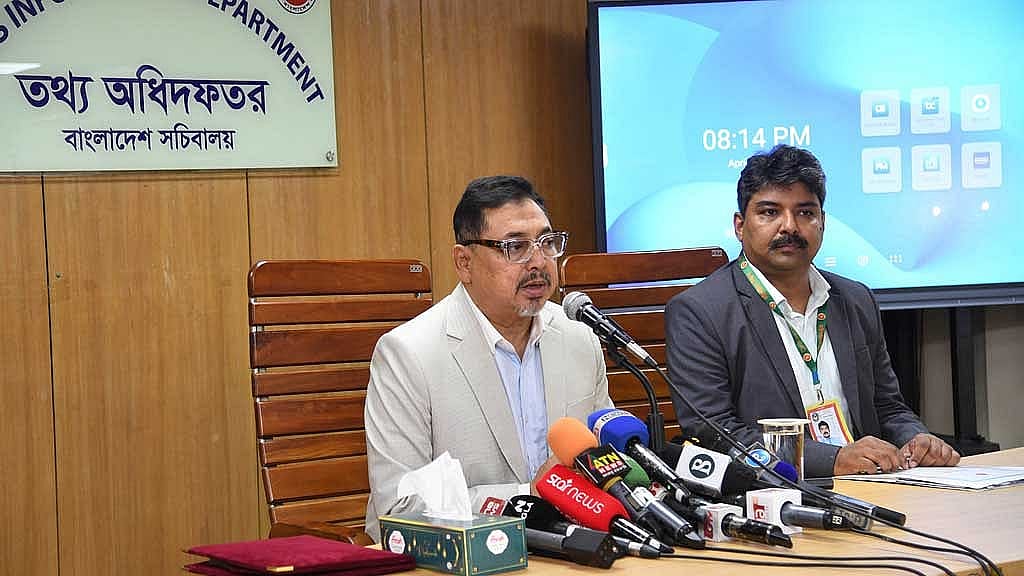
Cabinet Secretary Nasimul Ghani announced the decision at a briefing at the Secretariat on Thursday following a cabinet meeting.
“Nov 7 will be observed again as National Revolution and Solidarity Day, as it was previously. It will be a public holiday,” he said.
“It existed before and has now been brought back. This was not observed over the past 16 years.”
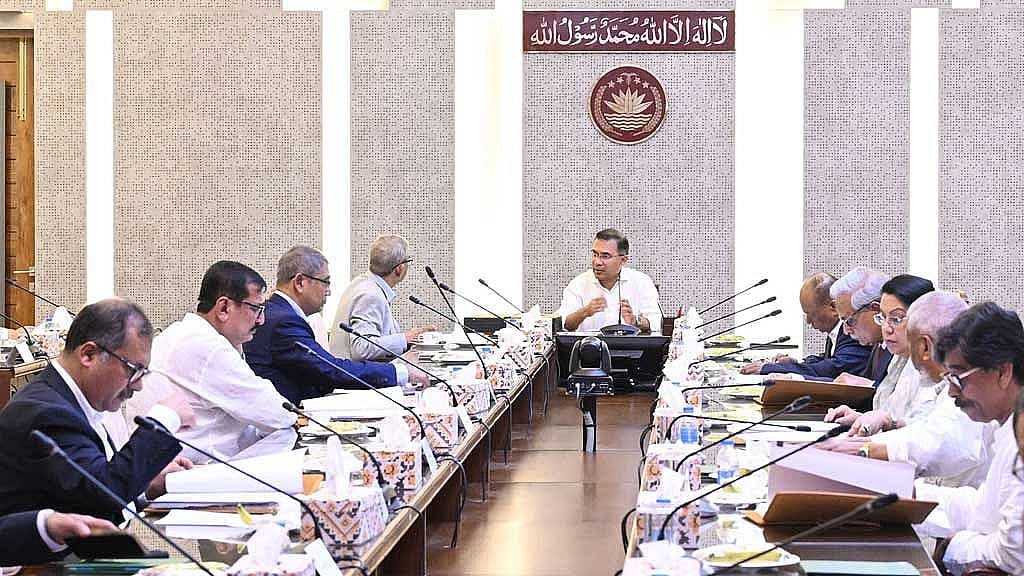
The decision was taken at a cabinet meeting chaired by Prime Minister Tarique Rahman in the evening.
The cabinet also approved declaring Jul 6 as National Rural Development Day.
However, as a category B observance, it will not be a public holiday and will be marked through programmes only.
Nov 7, 1975 is a day filled with surprising events that shaped Bangladesh’s history for decades.
After Bangabandhu Sheikh Mujibur Rahman was assassinated along with most of his family members on Aug 15 that year, the four national leaders were killed inside Dhaka jail on Nov 3.
After the killing, Ziaur Rahman assumed the role of army chief.
Khaled Mosharraf declared himself army chief by capturing Ziaur Rahman at the time in a bid to “restore discipline in the army”.
Four days later on Nov 7, Abu Taher, commander of sector-11 during the Liberation War, freed Zia in a counter-coup through which Zia came to the centre of power.
The day is observed differently by political parties.
BNP marks it as National Revolution and Solidarity Day, JASAD observes it as "Sipahi–Janata Revolution Day" (Sepoy-People's Uprising Day), while the Awami League commemorates it as “The Day of Murders of Freedom Fighters”.
The Awami League government had excluded the day from the list of national observances.
Following the political change in 2024, BNP had been demanding its reinstatement.
However, the interim government led by Muhammad Yunus did not include the day in its list of national and international observances.
On Mar 11, the BNP government under Tarique Rahman issued a revised gazette retaining the interim list with minor changes, but Nov 7 was still not included at the time.
The updated list of national and international observances now includes 89 days -- 17 under category A, 37 under category B, and 35 under category C.
Following the interim government’s framework, Aug 5 has been included as July Uprising Day under category A, while Jul 16 has been listed as July Martyrs’ Day under category B.
After the 2024 uprising, the Yunus-led administration had scrapped eight national days, including Mar 7 and Aug 15, the anniversary of independence leader Sheikh Mujib's assassination.
The current government has not reinstated those observances.