Home
+
Published : 12 Jul 2026, 11:02 PM
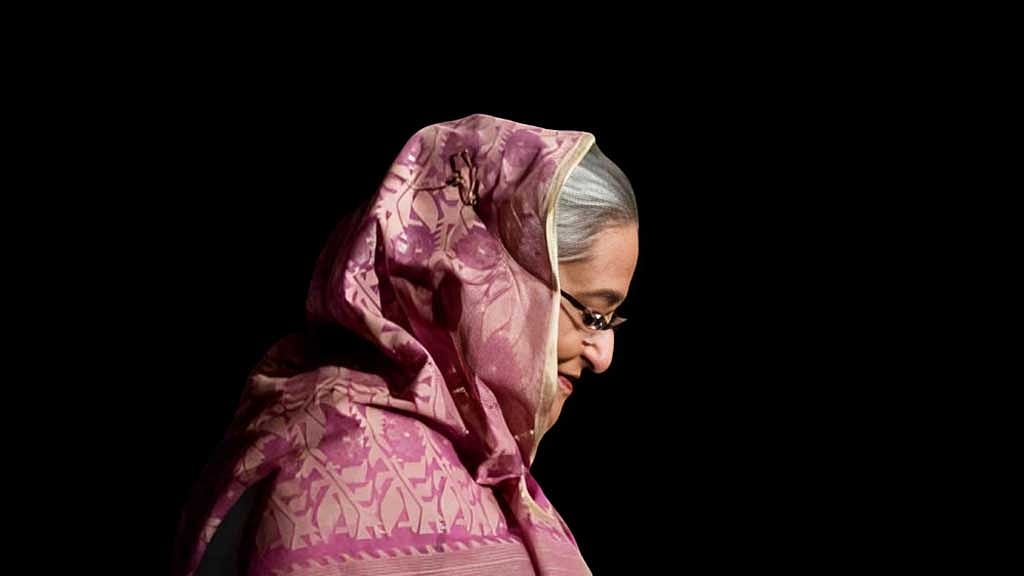
Sheikh Hasina's pledge to return to Bangladesh by December despite a death sentence for crimes against humanity has shifted attention from politics to the practical question of how she could legally come home.
Living in India since her ouster in August 2024, the former prime minister told Reuters she intends to return, surrender before the court and face the legal process.
The Awami League chief’s declaration comes as Dhaka continues pressing New Delhi to send her back.
The central question now is how Hasina, whose diplomatic passport has been cancelled, could legally return and what would happen once she does.
Nahid Islam, convenor of the National Citizen Party (NCP) and the Opposition chief whip in parliament, said Hasina's return would ultimately lead to the execution of the tribunal's verdict.
International Crimes Tribunal (ICT) Chief Prosecutor Aminul Islam dismissed the announcement as a political stunt.
"Whether [Hasina] comes in December or January is [her] choice. But we want [her as soon as possible]. [She should not] create any more instability."
The tribunal sentenced Hasina to death in absentia in November over allegations of ordering the deadly crackdown on the 2024 student-led mass movement.
A UN report estimated about 1,400 people were killed during the unrest.
Hasina, however, has consistently denied ordering the killings, while her lawyers have disputed the death toll.
Relations between Dhaka and New Delhi deteriorated after India gave Hasina refuge.
In an hour-long telephone interview with Reuters on Thursday, Hasina said she was prepared to risk arrest -- or even death -- to return home, adding that senior Awami League leaders living in exile would surrender alongside her.
How Could She Return?
Hasina fled Bangladesh aboard a Bangladesh Air Force aircraft on Aug 5, 2024, as crowds marched towards Ganabhaban.
Indian media reported she landed at Hindon Air Base near Delhi before moving to the Lutyens' area of the capital.
India has never publicly disclosed her legal status, although previous reports suggested she was being treated as a special guest.
Although the Awami League remains banned pending completion of the July killings trial, Hasina has continued addressing supporters through online broadcasts and, more recently, interviews with Indian media and Reuters.
Asked how she viewed the risks of returning, Hasina, 78, told Reuters: "They may arrest me on my return, they may even kill me."
"Still, I have to go," she said. "My party leaders and workers are being subjected to tremendous repression. If death comes, I want it to come on my own soil, where my parents are buried and where their blood was shed."
Lawyers, however, are divided over the legal route for her return.
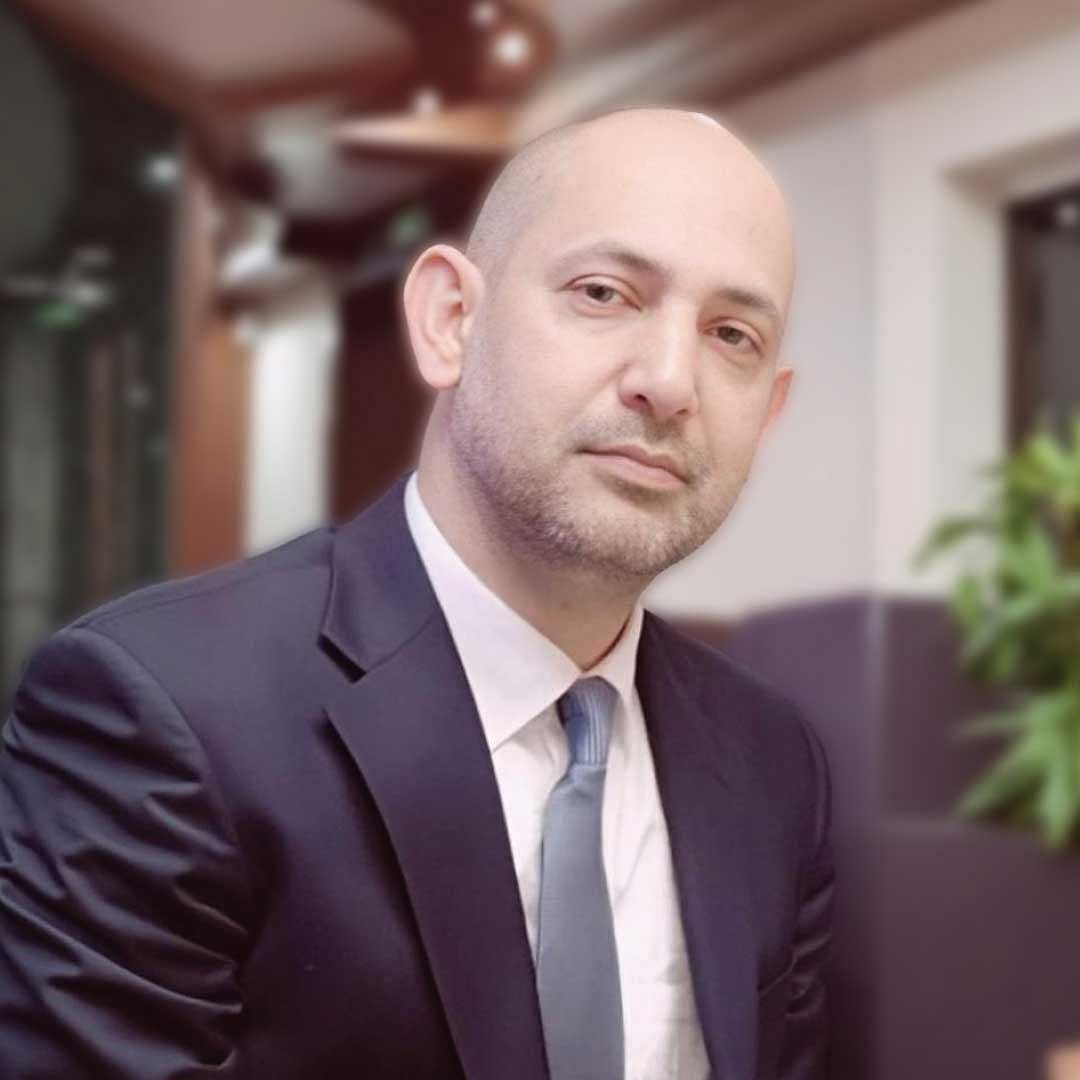
Supreme Court lawyer Manzill Murshid argued that without a valid passport, Hasina would require either a travel pass issued by Bangladesh or a special state-to-state arrangement.
He said commercial travel would not be possible without valid travel documents.
"There is an exception if both governments agree to transport her on a military aircraft," he said, describing such a move as a political decision rather than a legal entitlement.
Murshid noted that Bangladesh had previously refused to issue travel documents in similar cases, meaning the government's decision would determine whether Hasina could travel voluntarily.
He added that although the government says it wants her back, withholding a travel pass could derail any plan for her return unless India cooperates through another arrangement.
Chief Prosecutor Aminul rejected that argument, saying the government had already sought Hasina's return under the Bangladesh-India extradition treaty.
According to him, the travel pass mechanism applies to stranded citizens -- not to a convicted fugitive living abroad.
Murshid countered that India has never described Hasina as being in custody, meaning prisoner transfer provisions would not apply.
Can She Appeal?
Another legal debate centres on whether Hasina would still have the right to appeal.
Although the ICT Act requires appeals within 30 days, lawyers say the Supreme Court Rules allow delayed appeals if the court accepts sufficient grounds.
Murshid cited the case of Jamaat leader Abul Kalam Azad, who filed an appeal years after receiving a death sentence in absentia.
He said Hasina could seek condonation of delay by explaining why she could not appeal earlier.
If the Appellate Division accepted that application, her appeal could proceed and implementation of the tribunal's verdict would effectively be suspended until the case was decided, he argued.
Aminul acknowledged that the tribunal law prescribes a 30-day deadline but said any application would ultimately be considered by the higher courts under their own procedures.
Hasina and former home minister Asaduzzaman Khan Kamal were also sentenced to life imprisonment on another charge.
The prosecution has appealed that verdict, seeking the death penalty instead, and the matter is awaiting a hearing before the Appellate Division.