Published : 07 Jun 2026, 08:35 PM
Updated : 08 Sep 2026, 09:13 AM


A Dhaka court that sentenced two suspects to death for the rape and murder of 8-year-old Ramisa Akter has said every page of the case is filled with “pain, anger, anxiety and a longing for justice”.
On Sunday, Judge Masrur Salekin of the Dhaka Metropolitan Child Repression Prevention Tribunal delivered the verdict, saying the case is not merely a criminal proceeding but a profound test of society’s conscience, humanity, the law enforcement system and commitment to the rule of law.
The court sentenced Sohel Rana and his wife Swapna Akter to death around 11:45am. The case reached the verdict stage in just five working days after the trial began.
Before announcing the judgment, the judge said the case surrounding the rape and murder of Ramisa represented far more than a routine prosecution.
“The pages of this case are filled with pain, outrage, concern and expectations of justice following allegations that the life of an innocent child was extinguished with extreme brutality.”
He said ensuring children's safety, dignity and protection is one of the core responsibilities of a civilised and humane state.
“When a child falls victim to sexual abuse, violence or murder, it wounds not only a family but society as a whole and places the effectiveness of the justice system under scrutiny.”
Explaining why the case carried particular significance, Salekin said the tribunal currently handles more than 1,800 pending cases involving violence, sexual abuse and other serious crimes against children.
Behind every case, he said, lies unbearable suffering for a child, anguish for a family and the hopes of people waiting for justice.
“Against that backdrop, Ramisa’s case carries special importance because the investigation, judicial proceedings and witness examination were completed comparatively quickly.”
The tribunal observed that investigators submitted their report quickly and prosecutors presented key witnesses before the court swiftly, helping move the proceedings forward efficiently.
The judge said the professionalism and commitment shown by investigators, prosecutors and others involved deserve recognition.
The court also expressed hope that the speed, efficiency, impartiality and quality demonstrated in Ramisa’s case would serve as a reference point for future cases involving violence against children.
The observation said authorities should show the same level of dedication and responsibility so that victims and their families are not left waiting through unnecessary delays and uncertainty.
It added that justice cannot be achieved by courts alone but requires responsible participation from investigators, prosecutors, defence lawyers, witnesses and all stakeholders within the judicial system.
“The court’s duty is not to be guided by emotion but by law, evidence and the enduring principles of justice,” the judge said.
The tribunal said it had reviewed witness accounts, evidence, forensic material, medical reports and the broader circumstances of the case with utmost caution, sensitivity and judicial impartiality before reaching its verdict.
Alongside the death sentences, the court fined Sohel Tk 500,000 and Swapna Tk 200,000.
The judgment ordered that the money be recovered through the sale of their movable and immovable assets and handed over to the victim’s family.
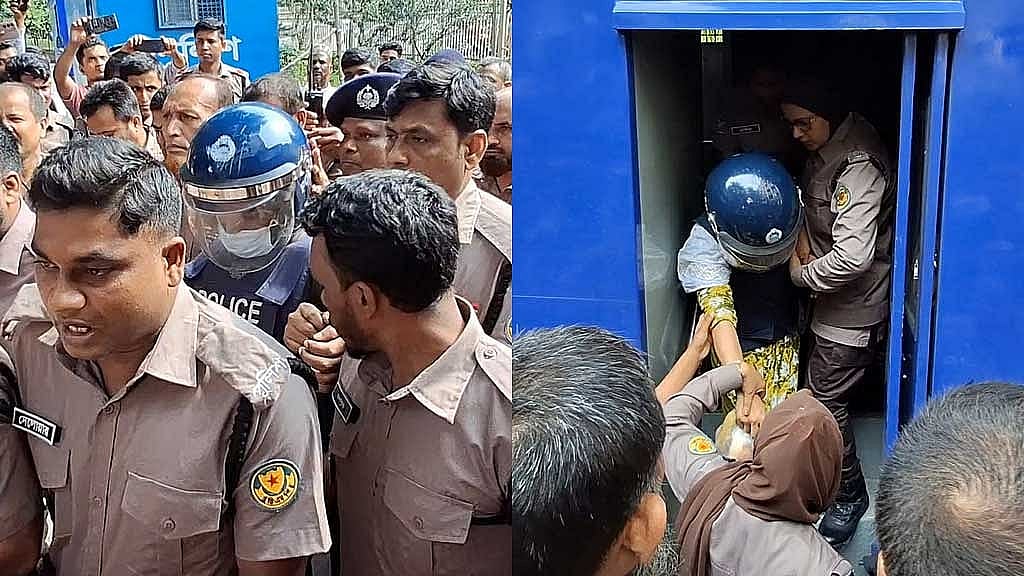
Sohel and Swapna were present in the dock when the verdict was delivered. The court ordered their transfer to prison under conviction warrants.
Extra police personnel and members of the Rapid Action Battalion (RAB) were deployed around the court premises from the morning ahead of the ruling.
After the verdict, state-appointed defence lawyer Musa Kalimullah welcomed the outcome.
“Justice has been served. The offenders have been punished for their crimes. I am satisfied,” he said.
Ramisa’s father, Abdul Hannan Molla, also expressed satisfaction after both convicts received death sentences.
“Alhamdulillah, I am fully satisfied with the verdict. It fulfils the hopes and expectations I had in my heart,” he said.
Law Minister Md Asaduzzaman later said he hoped the death sentences could be carried out within three months, subject to the completion of the required legal procedures.