Published : 01 Jan 2026, 05:58 AM
Updated : 28 Aug 2026, 01:31 AM


They stood tall among millions, unique in their deeds and radiating brilliance throughout their lives.
In 2025, many such luminous beacons were extinguished, leaving the world a shade dimmer.
Yet the radiance they cast continues to kindle new lives and shape new futures.
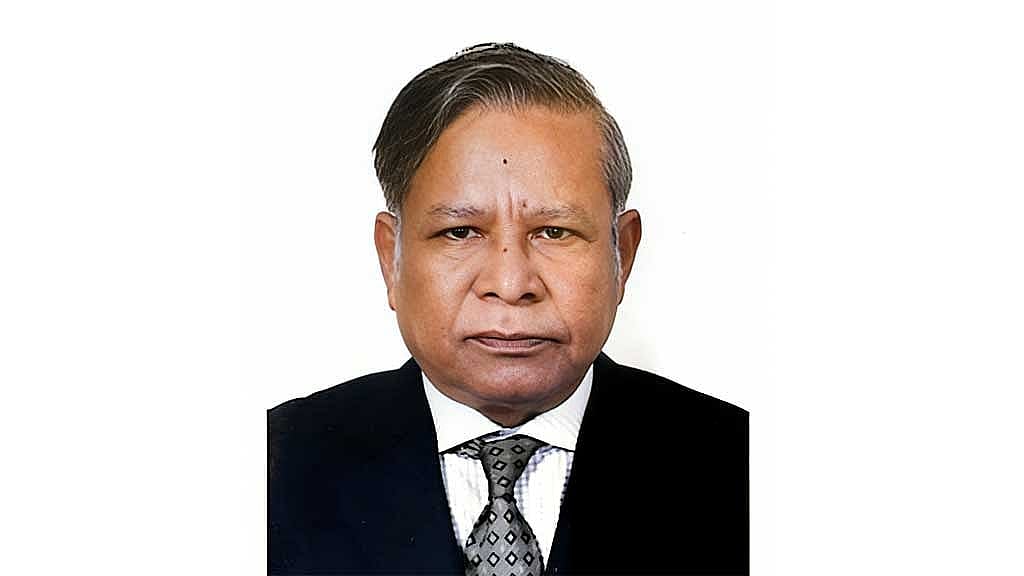
SHOWKAT ALI
Former advisor to a caretaker government, AMM Showkat Ali died on Feb 23 at the age of 82 while undergoing treatment at United Hospital in Dhaka.
Ali served as the advisor for the ministries of health and family welfare, food, and disaster management between 2007 and 2009.
He retired from his civil service career as the agriculture secretary in 2001, later transitioning into roles as a researcher and consultant.
A prolific writer, he regularly penned columns on agriculture, food security, poverty alleviation, governance, and human rights.
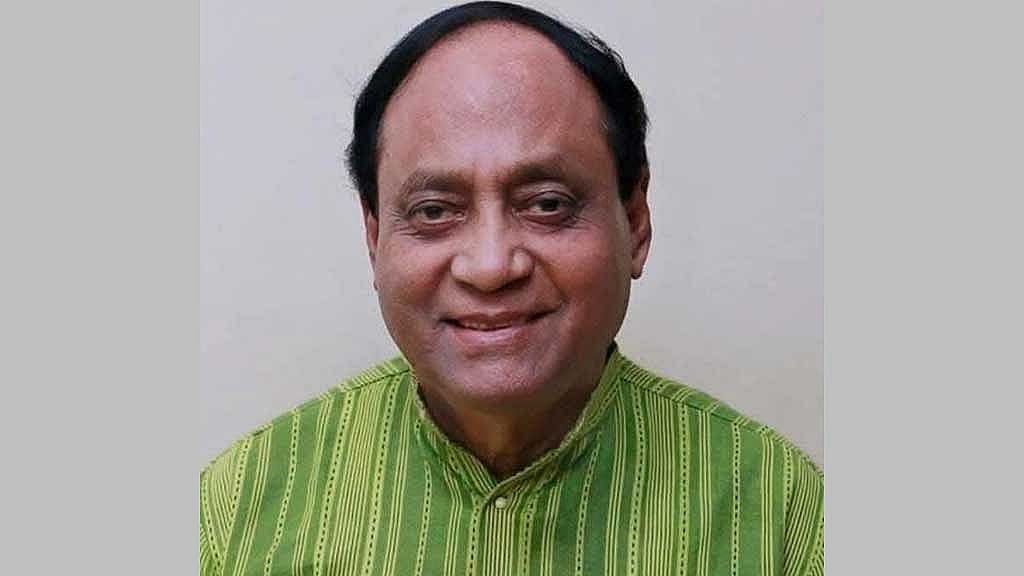
ABDULLAH AL NOMAN
Abdullah Al Noman, the BNP vice-chairman, former minister and freedom fighter died on Feb 25. He was 80.
He entered politics in the early 1960s after joining the Student Union during protests against the Hamidur Rahman Education Commission.
Noman held several positions in the Rashed Khan Menon-led faction of the Student Union, including Chattogram city general secretary, greater Chattogram president and central organising secretary.
After his student years, he joined labour politics under Maulana Abdul Hamid Khan Bhashani, serving as vice-president of the East Pakistan Workers Federation.
He was also secretly involved with the Bhashani-led NAP, becoming its central organising secretary in 1970.
In 1971, he actively participated in the Liberation War. After independence, he continued with NAP politics before joining the BNP in 1981.
Noman was elected MP from Chattogram-9 in 1991 and 2001.
During Khaleda Zia’s governments, he served as minister for fisheries and livestock, labour and employment, environment and forests, and food.
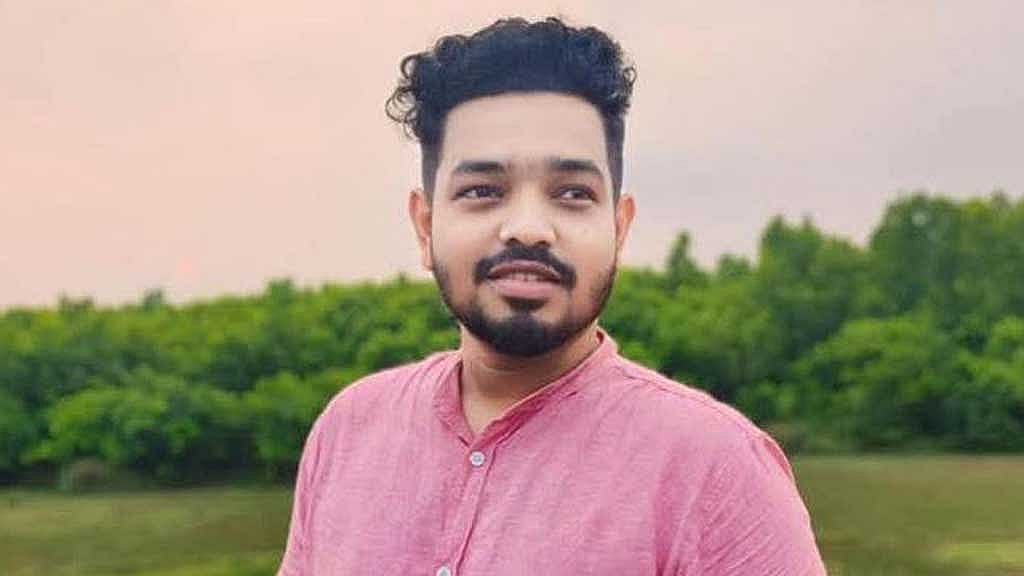
SHAHBAZ SUNNY
Young television actor Shahbaz Sunny died at Dhaka Specialised Hospital in Uttara on the night of Feb 16. He was 30.
Sunny entered the entertainment industry in 2018 with the drama “Abdullah”.
He became a familiar face through his character roles in numerous productions such as “Charer Master”, “Bifole Mullo Ferot”, “Travel Show”, “Mohobbot”, “Mon Doriya”, and “Majnu Bhai”.
His final performance was in the drama “Jamaier Matha Gorom”.
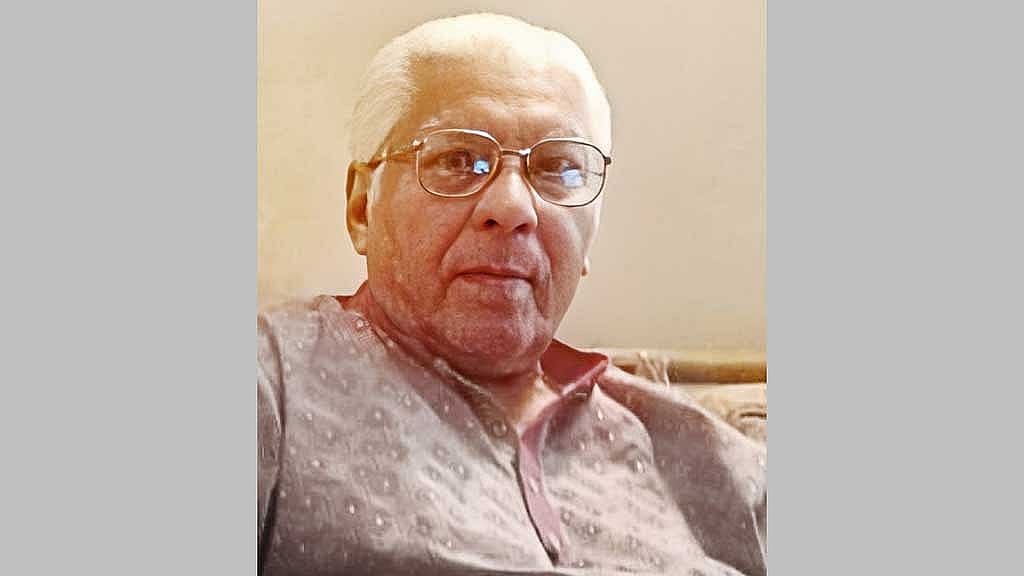
MOHIUDDIN AHMED
Former ambassador and freedom fighter Mohiuddin Ahmed died on Mar 2 at the age of 88 in a hospital in Dhaka.
During the Liberation War, he defected from Pakistan’s diplomatic service to declare allegiance to Bangladesh while serving as commercial counsellor at the Hong Kong mission.
He had joined Pakistan’s foreign ministry in 1963 and was also active in the Language Movement.
Mohiuddin later served as Bangladesh’s ambassador to Senegal and Nepal.
Before retiring in 1999, he also held the post of acting foreign secretary.
After retirement, he served as director of Janata Bank, Bank Asia, Nabil Bank Nepal, advisor to the Rangs Group.
He also worked with the British Information Service and contributed as a writer and photographer to newspapers including Ittefaq and Begum magazine.
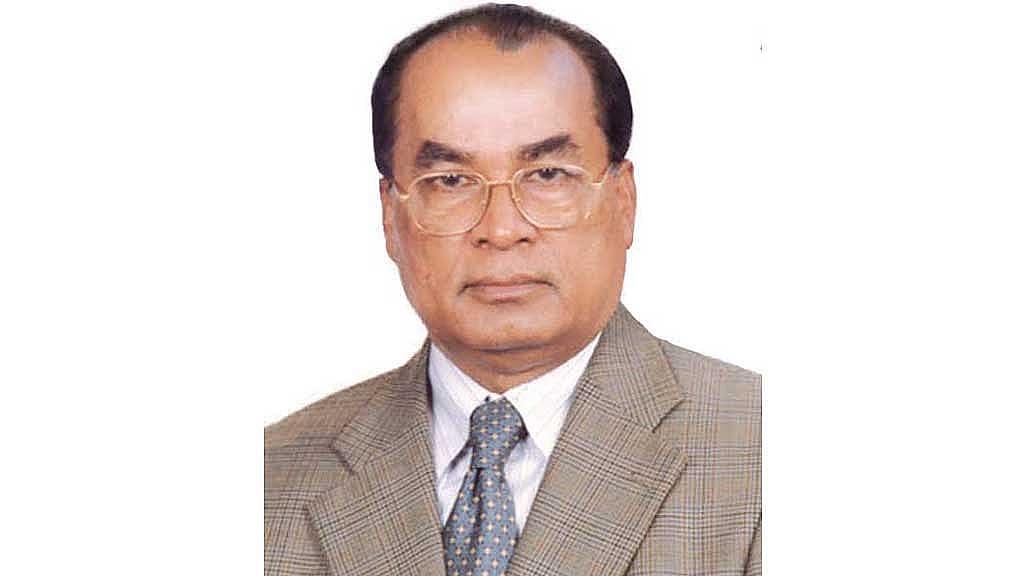
TA CHOWDHURY
Renowned gynaecologist TA Chowdhury died on Mar 9 at the age of 87.
Born in 1937, AHM Touhidul Anowar Chowdhury graduated from Dhaka Medical College in 1960.
He later obtained a Fellowship of the Royal Colleges of Surgeons (FRCS) in Edinburgh.
The specialist in obstetrics and gynaecology received the Independence Award in 2017.
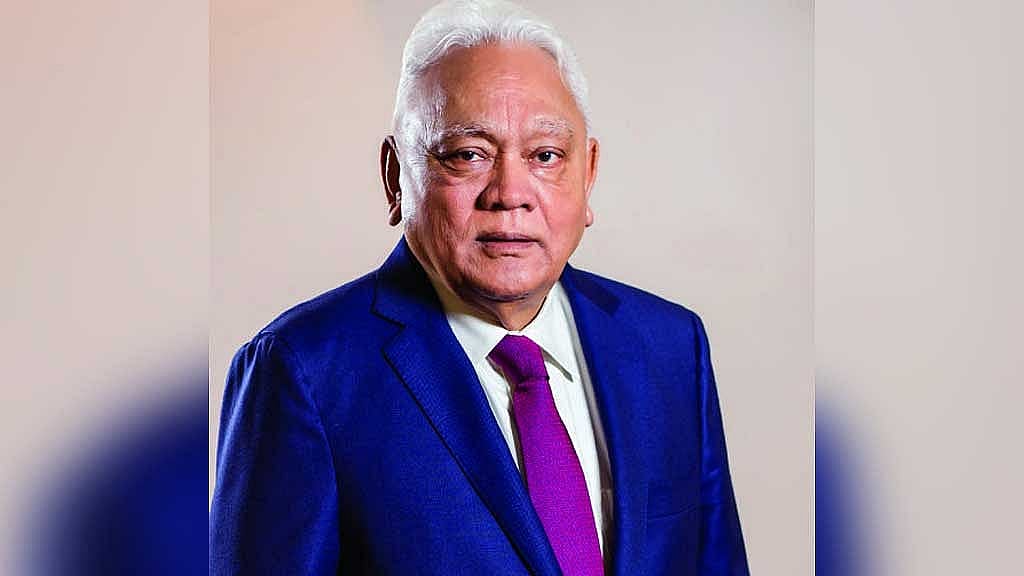
SYED MANZUR ELAHI
Syed Manzur Elahi, a Bangladeshi industrialist and former advisor to the caretaker government, died in Singapore on Mar 12 at the age of 83.
A Dhaka University graduate in economics, he began his career as a senior executive at Pakistan Tobacco Company.
After independence, he left his job to represent a foreign firm.
In 1975, he acquired the Orion Tannery at Hazaribagh through auction, later establishing Apex Tannery.
Apex Group now comprises 11 companies.
Elahi was founding chairman of Mutual Trust Bank and served as advisor to two caretaker governments in 1996 and 2001.
He was chairman of the East West University Board of Trustees, honorary consul of Belgium in Bangladesh.
He also served as president of the Metropolitan Chamber of Commerce and Industry, Bangladesh Employers Association, administrator of FBCCI, chairman of the Bangladesh Association of Banks.
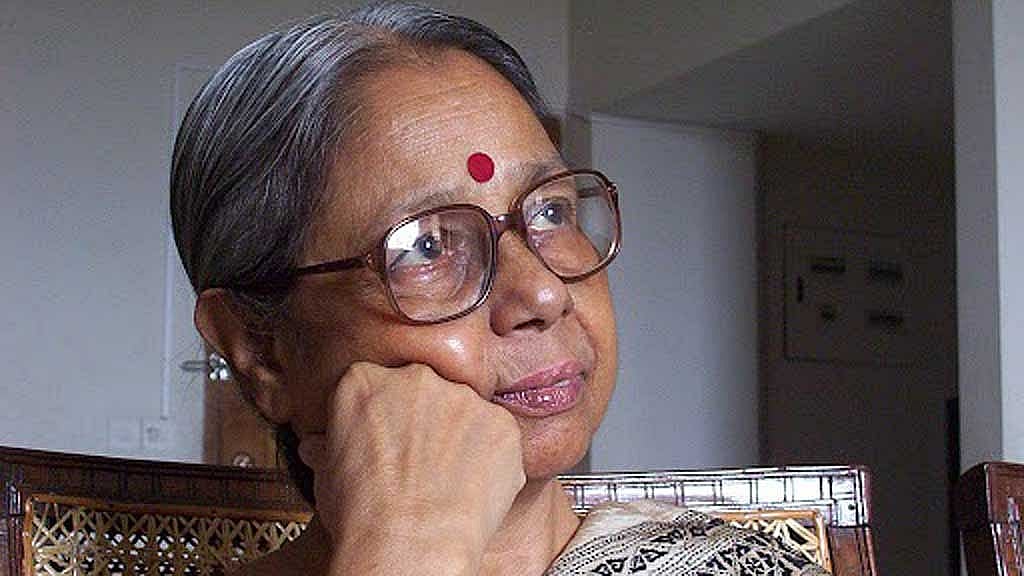
SANJIDA KHATUN
Cultural icon, founding member of Chhayanaut Sanjida Khatun died on Mar 25 at the age of 91.
She earned her undergraduate degree in Bengali language and literature from Dhaka University, completed postgraduate studies at Rabindra Bharati University, later earning her PhD in 1978.
She retired from the Bengali department of Dhaka University after a long teaching career.
Much of her writing focused on Rabindranath Tagore, and she played a vital role in bringing his works closer to the general public.
In the early 1960s, she co-founded Chhayanaut, a cultural institution dedicated to nurturing Bengali heritage. Under her leadership, Chhayanaut grew into a world-renowned centre for classical music and dance.
She also co-founded the Jatiya Rabindra Sangeet Sammilan Parishad and served as president of Nalonda, a progressive educational institution for children.
In addition, she was an honorary fellow of the Asiatic Society.
A gifted artist, writer, researcher, musicologist, and teacher, Sanjida received numerous honours throughout her life, including India’s Padma Shri -- the country’s fourth-highest civilian award.
She was also a recipient of Bangladesh’s Ekushey Padak, the Bangla Academy Literary Award, and the Rabindra Smriti Award from West Bengal, India.
She authored 16 books, many of which explored Tagore’s life and philosophy.
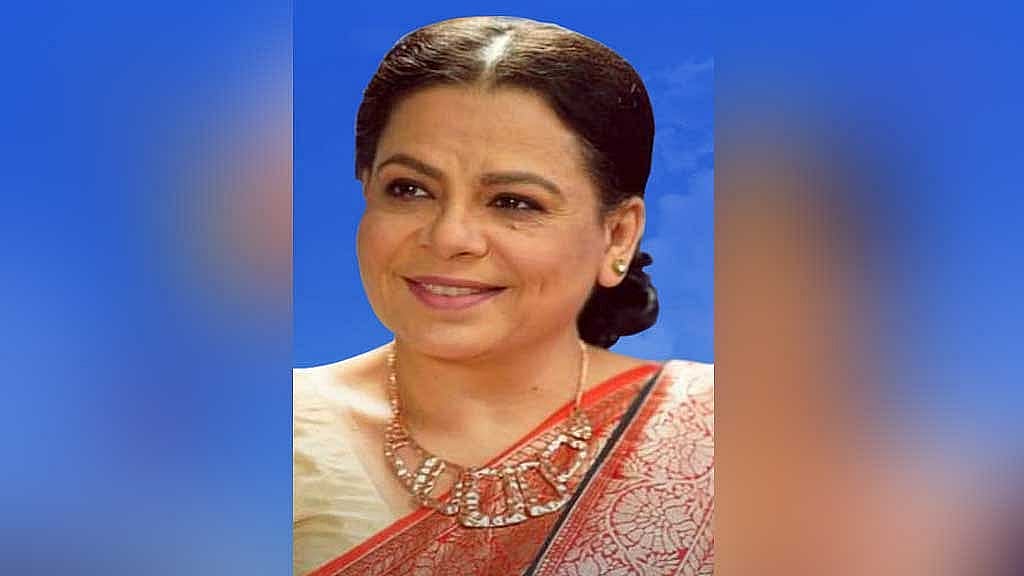
GULSHAN ARA AHMED
Actress Gulshan Ara Ahmed, known for the television drama “Bachelor Point”, died on Apr 15 at a hospital in the United States. She was 57.
She began her acting career in 2002 with television dramas. Her first film was Kodom Ali Mastan, directed by the late Enayet Karim.
She also acted in films including “Hridoyer Kotha”, “Doctor Bari”, “Bhalobasha Ajkal” and “Lal Shari”.
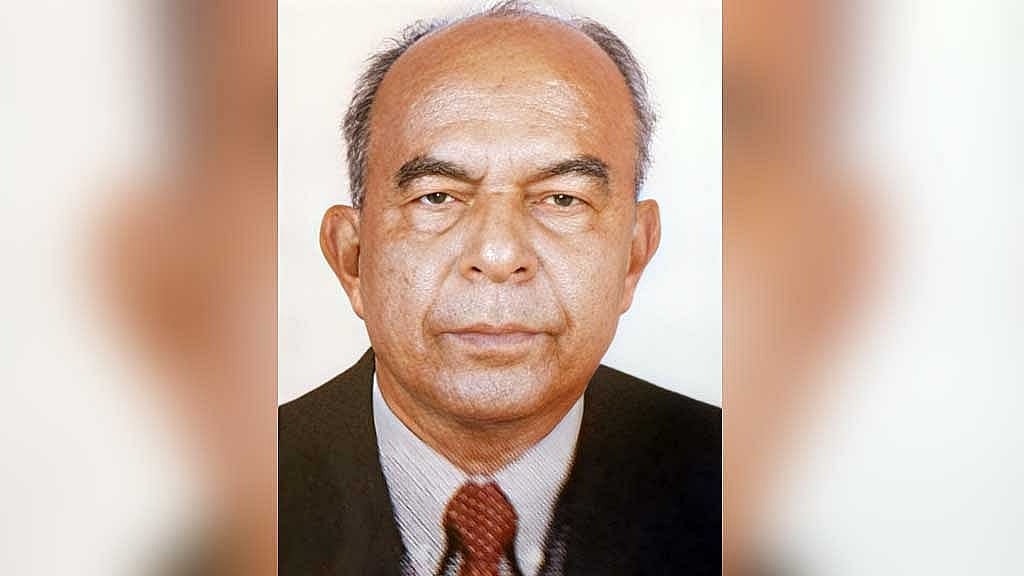
JOYNAL ABEDIN
Veteran journalist Joynul Abedin died in the United States on Apr 17. He was 88.
After completing his education, he began his journalism career in Dhaka in 1967. He served as news editor at the Eastern News Agency (ENA).
He worked for Morning News, The Financial Express and bdnews24.com. He also served for a long period as the Dhaka correspondent of India’s Hindustan Times.
A permanent member of the National Press Club, he moved to the US in 2009.
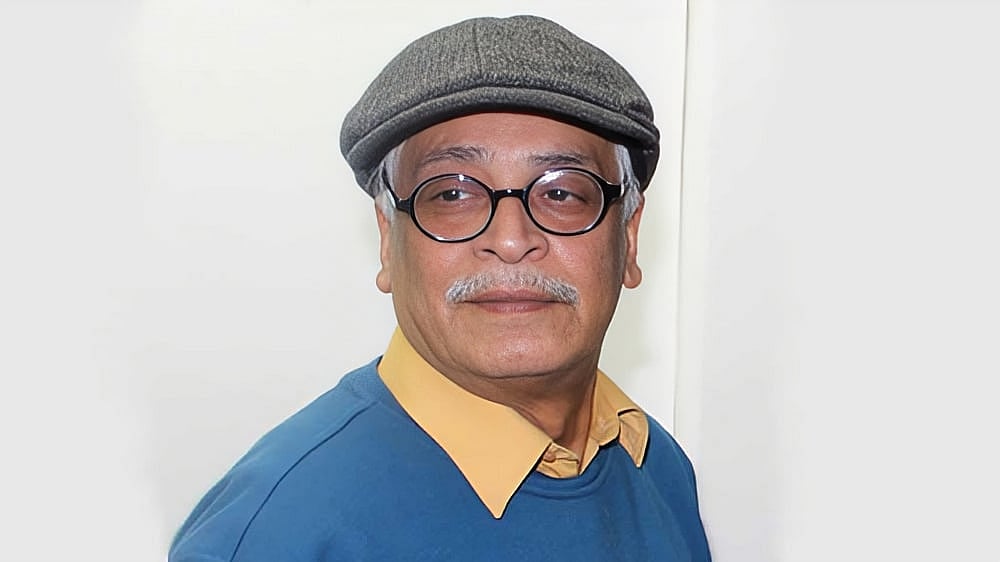
DAUD HAIDER
Exiled poet Daud Haider, known for penning "Jonmoi Amar Ajonmo Paap" died on Apr 26 at the age of 73 at a care facility in Berlin, Germany.
After leaving Bangladesh in 1974, he lived in Kolkata for several years before moving to Germany in 1987, where he remained until his death.
Haider came under controversy after his poem "Kalo Shurjer Kalo Jyosnai Kalo Bonnyai" was published in Dainik Sangbad on Feb 24, 1974, leading to allegations of hurting religious sentiments.
He was detained on Mar 11 following protests and released on May 20.
Unable to ensure his safety, the government sent him to Kolkata the following day on a Bangladesh Biman flight.
His notable poetry collections include “Janmai Amar Ajanma Paap”, “Shampanno Manush Noi”, “Narkiyo Bhuboner Kobita”, “Je Deshe Shobai Ondho”, “Dhushor Godhuli Dhulimoy” and “Ami Bhalo Achhi, Tumi?”
His other published works include “Nirbashito”, “Songs of Despair”, “Ei Shaone Ei Porobashe”, “Banishment”, “Alone in Darkness and Other Poems”, “Holding an Afternoon and a Lethal Firearm” and “Obsidian”.
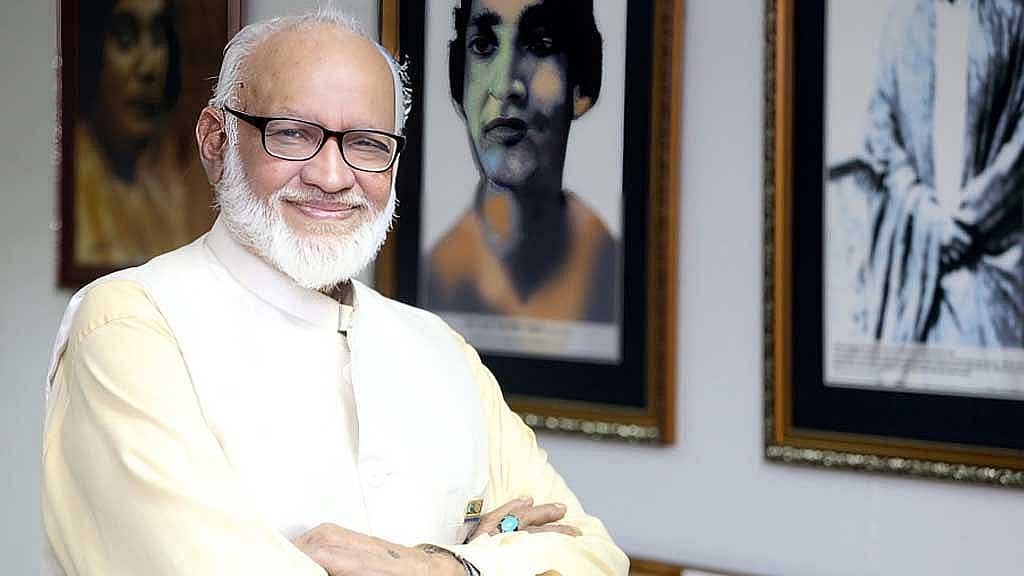
MUSTAFA ZAMAN ABBASI
Renowned singer, composer, researcher and writer Mustafa Zaman Abbasi died on May 10 at York Hospital in Banani. He was 89.
A lifelong contributor to music, he popularised different forms of folk music, including Bhawaiya, Bhatiyali, Dehatattwa, Murshidi, Chotka, Marfati, Baul and Hasangeeti.
He worked extensively to collect and promote Islamic and folk music traditions and served as a researcher at Independent University’s “Kazi Nazrul Islam and Abbasuddin Ahmed Research and Education Centre”.
Abbasi hosted music-based programmes “Amar Thikana” and “Bhora Nodir Banke” on Bangladesh Betar and BTV and wrote regular newspaper columns.
He served as director general of the Bangladesh Shilpakala Academy and chairman of the National Music Committee.
A fellow of Bangla Academy, he was also a life member of the Asiatic Society of Bangladesh and vice-chairman of the Bangladesh Folklore Council.
He was awarded the Ekushey Padak for his contribution to music in 1995 and received the lifetime achievement award at the Nazrul Mela in 2013 for his work on national poet Kazi Nazrul Islam.
Abbasi penned more than 50 books in total, including two on folk Bhawaiya music with staff notation of about 1,200 songs.
He published several books on poems of Jalaluddin Rumi, Niffari and Sultan Bahu. His books include "Abbasuddin Ahmed, Manush o Shilpi", "Kazi Nazrul Islam, Man and Poet" and "Puribo Ekaki".
SHAMSUL HUDA MANIK
Retired Appellate Division justice Shamsul Huda Manik died on May 25. He was 84.
A Liberation War organiser, he served as president and general secretary of the Gopalganj district Awami League and later as chairman of the Gopalganj District Council.
He was appointed a High Court judge after the Awami League formed the government in 1996 and later retired from the Appellate Division.
After retirement, he also served as chairman of the Labour Appellate Tribunal.
MOSTAFA MOHSIN MONTU
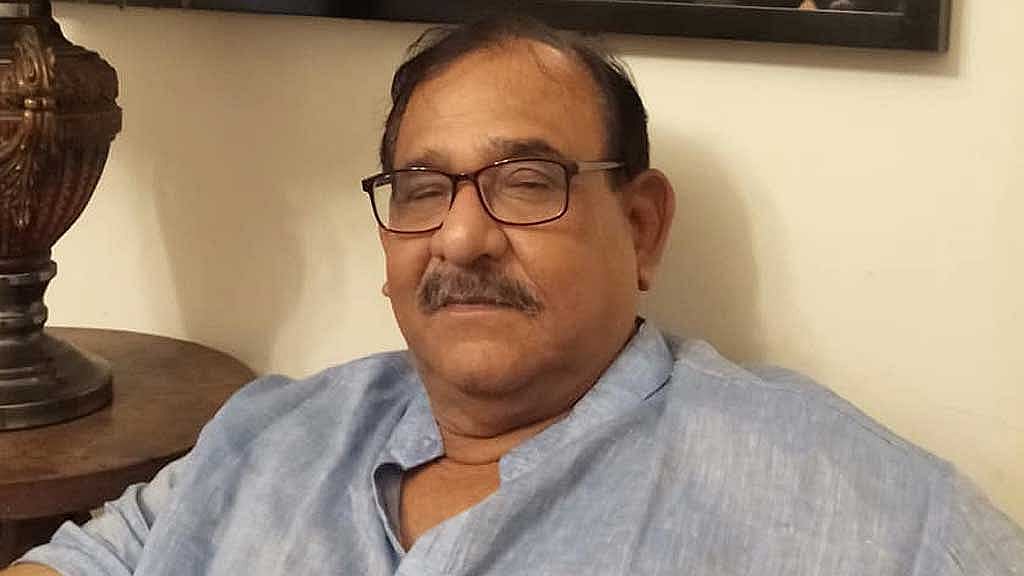
Gono Forum President and veteran Liberation War organiser Mostafa Mohsin Montu died on Jun 15 at the age of 80.
Born in 1945, Montu entered politics through the Awami League and remained active from the 1970s.
He was elected an MP from Dhaka-3 in the 1986 parliamentary election.
During his student years, Montu became involved with the Chhatra League and went on to serve as chairman of the Jubo League, Awami League's youth front, general secretary of Dhaka district Awami League, and general secretary of the then unified Dhaka Metropolitan Awami League.
He was expelled from the Awami League in 1992 and later joined Gono Forum led by Kamal Hossain.
He became the party’s general secretary in 2009 and remained active as president of a faction of Gono Forum until his death.
SINGER ZEENAT REHANA
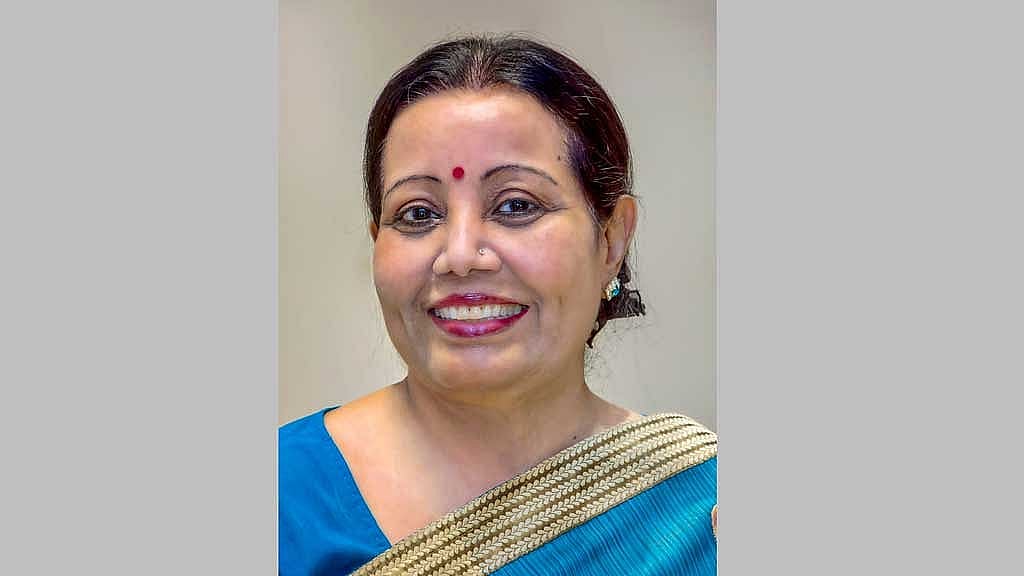
Veteran singer Zeenat Rehana, who rose to fame in the 1960s with the song “Sagorer Teer Theke, Mishti Kichhu Hawa Ene”, died on Jul 2.
She became an enlisted artist of Bangladesh Betar in 1964, and her iconic song “Sagorer Teer Theke” was recorded there in 1968. The song gained immediate popularity after its broadcast.
Zeenat began performing on television in 1965 and continued to appear on Bangladesh Television even in the 1990s.
Due to her work with different international organisations, she was seen less frequently in music later in life. Alongside modern and spiritual songs, she also performed children’s music.
ATM SHAMASUL HUDA
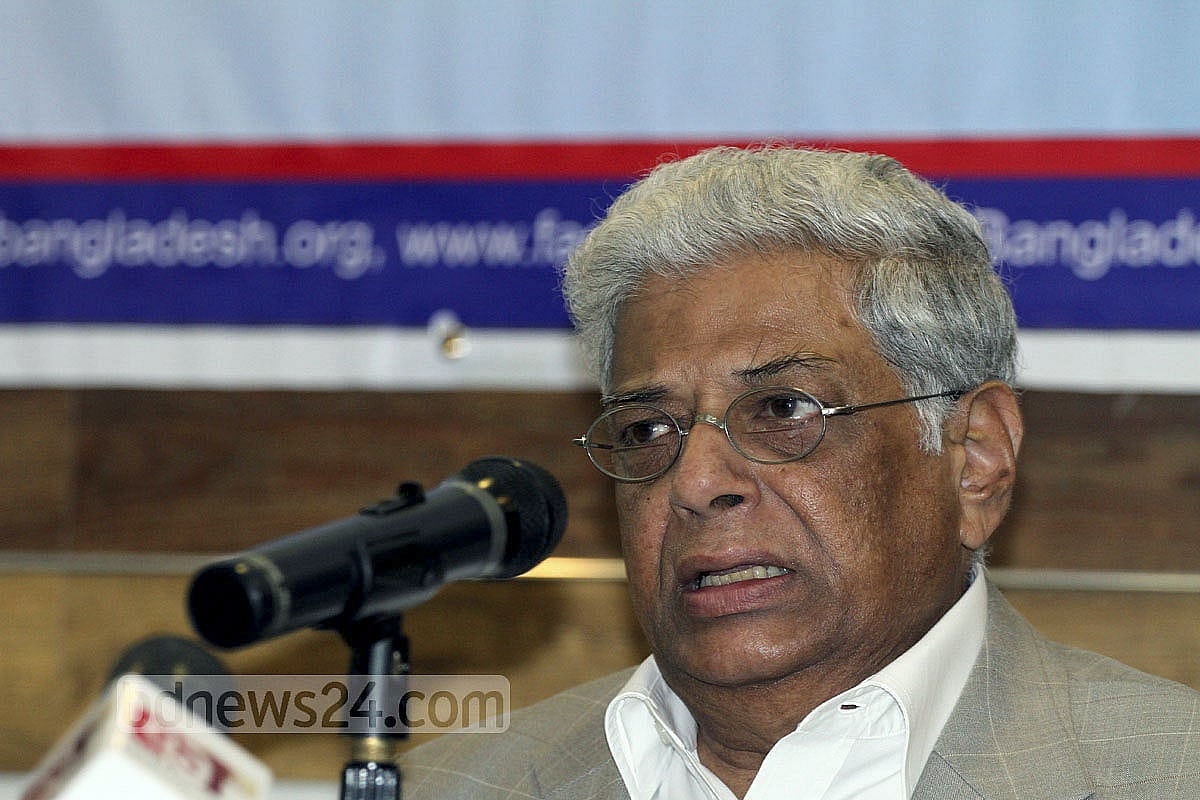
ATM Shamsul Huda, the former chief election commissioner (CEC) who oversaw Bangladesh’s ninth parliamentary election, died at the age of 82.
A former bureaucrat, Huda was appointed as chief election commissioner on Feb 5, 2007, during the caretaker government led by Fakhruddin Ahmed.
He served in the role until 2012.
Under his leadership, the Election Commission, assisted by the military, prepared a photo-based voter list, initiated dialogues for electoral law reforms, introduced party registration requirements, and piloted the use of electronic voting machines (EVMs).
After a long delay, his commission conducted the ninth national election on Dec 29, 2008, with a voter turnout of over 87 percent.
SAYEED HOSSAIN CHOWDHURY
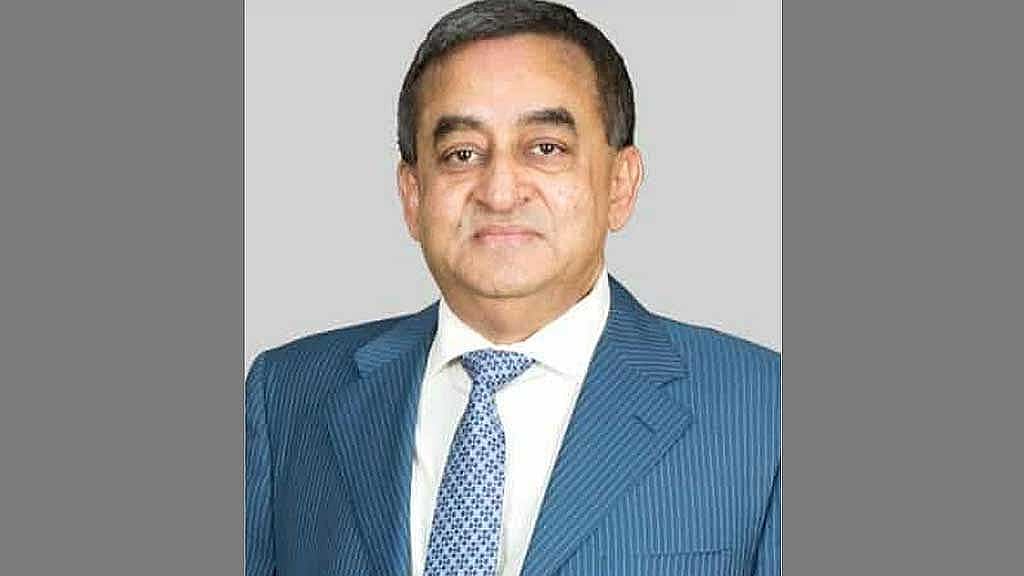
HRC Group Chairman Sayeed Hossain Chowdhury died at a hospital in the capital on Jul 15. He was 68.
He was the eldest son of Karnaphuli Group Founder Chairman Hedayet Hossain Chowdhury and served as managing director of the group. He was also the elder brother of Awami League leader Saber Hossain Chowdhury.
A former chairman of One Bank, Sayeed was serving as chairman of the editorial board and publisher of the daily Jaijaidin. He also served as Bangladesh’s honorary consul in Spain.
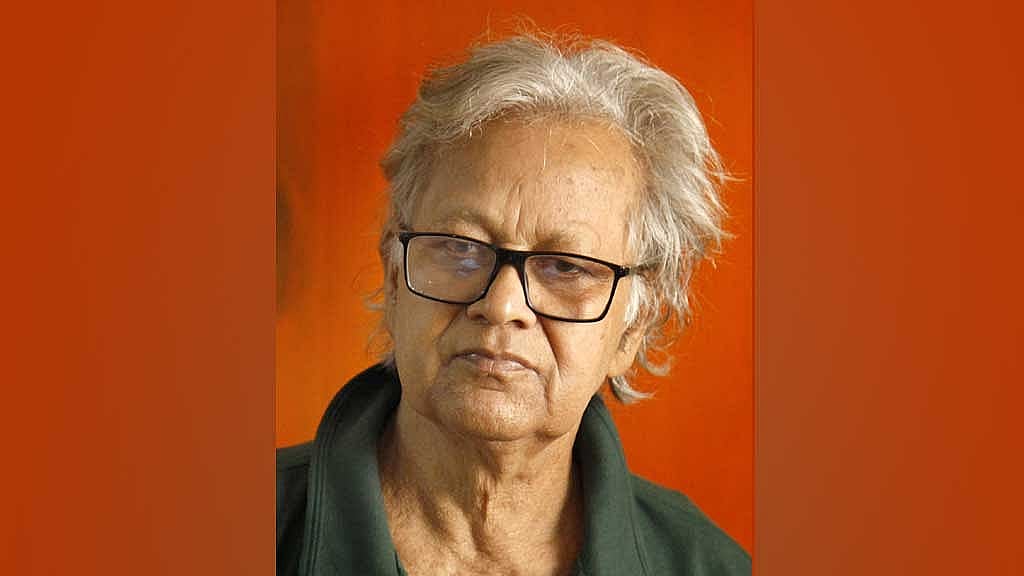
HAMIDUZZAMAN KHAN
Hamiduzzaman Khan, an illustrious sculptor and artist, died on Jul 20 at the age of 79.
He worked extensively with watercolours, oil paints, acrylics, and sketches, alongside his work as a sculptor.
After the Liberation War, birds became a recurring theme in his sculptural work, with bronze and steel bird sculptures across Dhaka bearing testimony to his artistic vision.
He joined the sculpture department of the Faculty of Fine Arts at Dhaka University as a teacher in 1970.
In 1972, he worked with sculptor Abdur Razzaque on “Jagroto Chowrangi”, built at Joydebpur crossing, recognised as the country’s first sculpture inspired by the Liberation War.
"Jagrotobangla" at the Fertiliser Factory in Ashuganj, Brahmanbaria, "Sangsaptak" at Jahangirnagar University, "Bijoy Keton" at Dhaka Cantonment, "Unity" at the Bangladesh Bank premises in Motijheel, "Freedom" at the Krishibid Institution Bangladesh premises, "Swadhinata Chironton" at the Bangladesh Open University, "Mrityunjayee" at the Government Services Commission premises in Agargaon, "Ebarer Sangram Muktir Sangram" in Madaripur are some of Hamiduzzaman notable outdoor sculptures.
He has been featured in 47 solo exhibitions. Hamiduzzaman received the Ekushey Padak for his contribution to art in 2006. He was elected a Bangla Academy Fellow in 2022.

AK RATUL
AK Ratul, the vocalist, bassist and sound engineer of the band Owned, died on Jul 27.
The son of late film actor Jasim and a sound engineer for the band “Aurthohin”, Ratul suffered a cardiac arrest at a gym and died after being taken to hospital.
Ratul and his band Owned debuted on Bangladesh’s music scene in 2014.
They released their first album, “One”, and their second, “Two”, in 2017. The band gradually gained popularity following the releases.
In addition to performing, Ratul was known for his work as a producer in the country’s rock music scene. He contributed to albums by several well-known bands.
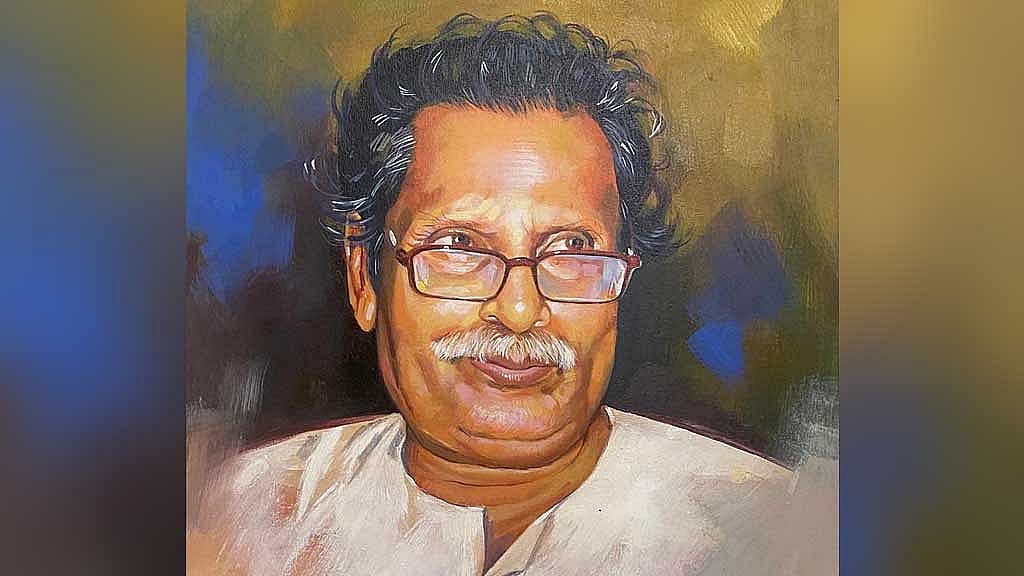
JATIN SARKER
Jatin Sarker -- a progressive left-wing intellectual, Independence Award-winning writer, and teacher – died on Aug 13 at the age of 89.
Jatin was the president of the Bangladesh Udichi Shilpigoshthi central committee for two terms.
After completing his MA at Rajshahi University, he began his teaching career as a Bangla teacher at Gouripur High School in Mymensingh district.
In 1964, he joined Nasirabad College in Mymensingh town as a Bangla lecturer. He retired in 2002 after more than four decades in teaching.
From the 1960s, he was closely involved with cultural activities in Mymensingh city. In 2007, he began editing a journal titled Society, Economy and State.
He gained national prominence in the 1990s as a humanist writer, essayist and socialist intellectual. His first book, Sahityer Kachhe Protyasha (Expectations from Literature), was published in 1985.
Jatin received the Bangla Academy Literary Award in 2008 for research and essays. In 2010, he was honoured with the Independence Award by the government.
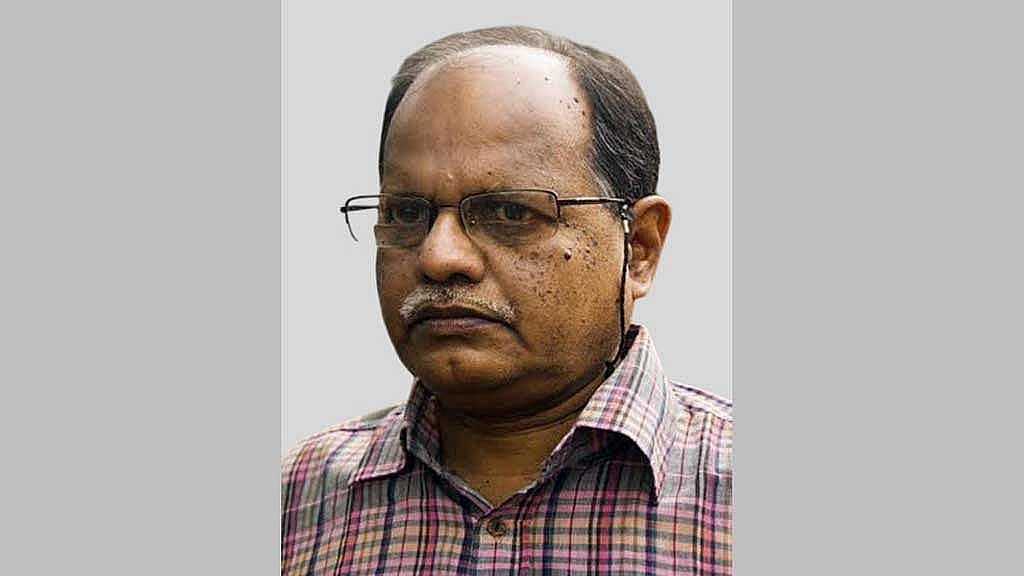
Mahfuza Khanam
Mahfuza Khanam, a former vice-president of the Dhaka University Central Students’ Union (DUCSU), died on Aug 12 this year at the age of 80.
She was elected DUCSU vice-president in the 1966–67 elections, contesting on the ticket of the Chhatra Union. Khanam completed her undergraduate degree in Physics from Dhaka University in 1966 and earned her Master’s degree the following year.
In 1968, she secured a scholarship to the University of Sussex in London, but the then Pakistan government denied her a passport for political reasons.
She taught at several government colleges and later served as director general of the Directorate of Secondary and Higher Education. She was also a member of the Dhaka University Senate.
Beyond academia, she held key cultural and organisational roles, serving as general secretary of the Asiatic Society of Bangladesh and as chairperson of the national children’s and adolescents’ organisation Khelaghar Asar.
In recognition of her outstanding contribution to education, Prof Mahfuza Khanam was awarded the Ekushey Padak in 2021.
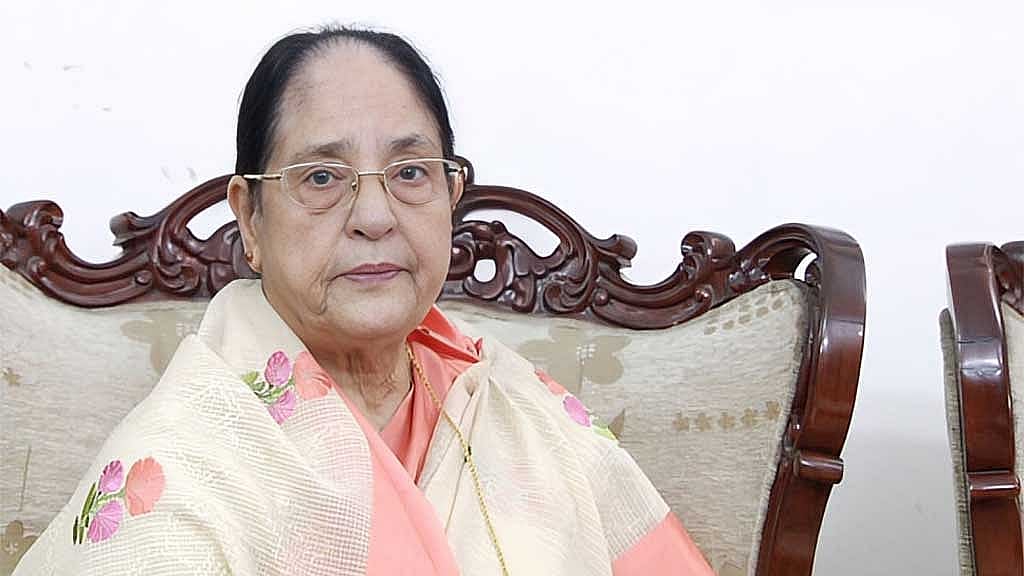
BIBHURANJAN SARKAR
Journalist Bibhuranjan Sarkar, who went missing after leaving home saying he was going to work, was found dead in the Meghna River in Munshiganj on Aug 22.
The 71-year-old was working for the daily Ajker Patrika and regularly wrote columns for different media outlets. He also contributed to the opinion page of bdnews24.com. He had been suffering from depression for multiple reasons.
Bibhuranjan emailed his final article to bdnews24.com at 9:15am on Aug 21, a day before his body was recovered. In the footnote, he wrote: “This may be published as my final piece.”
Born in 1954, he began his journalism career in the late 1960s as a district correspondent for the daily Azad while still in school. He later studied Bangla at Dhaka University.
Over his long career, he worked with several national dailies and weeklies, serving as editor of daily Matribhumi and weekly Chaltipatra, as well as executive editor of weekly Mridubhashon.
During the anti-Ershad movement of the 1980s, his political columns written under the pseudonym "Tarik Ibrahim" in the weekly Jaijai Din gained popularity.
As a student, Bibhuranjan was an active member of the Bangladesh Students’ Union, later serving as assistant general secretary of its central committee.
He was also a member of the Communist Party of Bangladesh.
Among his published books are “Brittabandi Rajniti”, “Dosharoper Rajniti”, “Awami League Niye Asha O Ashanka”, “Nana Chinta Nana Mot”, and “Kar Cheye Ke Bhalo”.
He also edited literary works including “Kibria Smarakgrantha Baktrita”, “Krishak Neta Hatem Ali Khan”, and “Monaem Sarker Jokhon Nirbasone”.
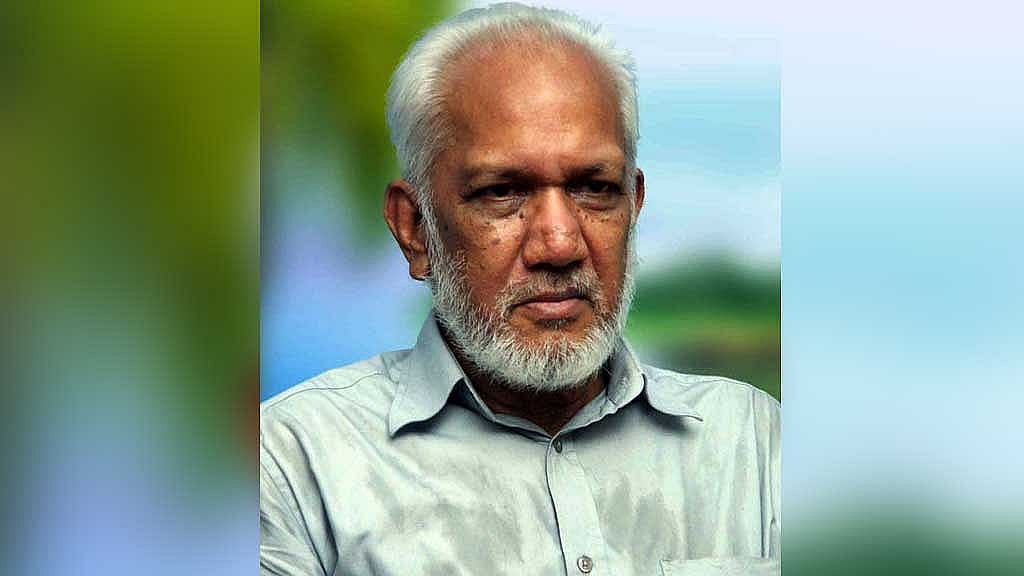
ALAMGIR MOHIUDDIN
Former editor of Daily Naya Diganta Alamgir Mohiuddin died on Aug 23 at the age of 83.
Born in Natore, Alamgir studied English at Rajshahi University before entering journalism. He worked for the Daily Observer, The New Nation, The Dawn and the Associated Press of Pakistan (APP).
From 2004 until early this year, he served as editor of Bangla daily Naya Diganta, nearly two decades after a stint as editor of the English-language New Nation.
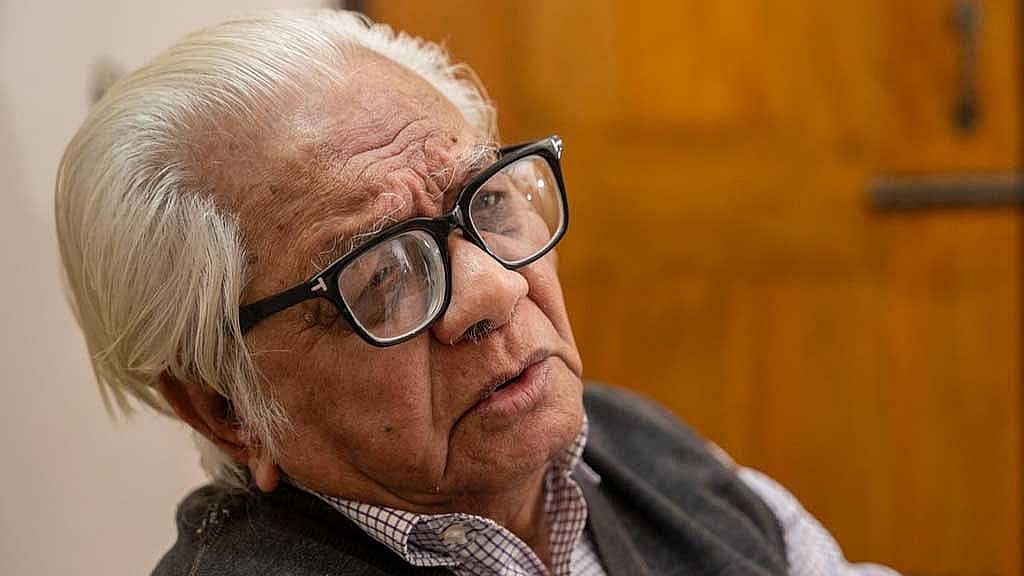
BADRUDDIN UMAR
Writer, researcher and Marxist theorist Badruddin Umar died on Sept 7 at the age of 94.
His professional career began in the 1950s as a part-time teacher in the philosophy department at Dhaka University.
In 1956, he joined Chattogram Government College, followed by Rajshahi University’s philosophy department in 1957, where he later established the sociology department.
During the 1960s, his books "Samprodayikata", "Sanskritir Sankat", and "Sanskritik Samprodayikata" became influential works in shaping Bengali nationalism.
His outspoken criticism of the Pakistan government deepened during this period.
In 1968, Badruddin resigned from teaching to devote himself fully to politics and writing.
He went on to serve as president of the Bangladesh Krishok Federation and became the central coordinator of the Gonotantrik Biplobi Jote. At one stage, he was also a member of the central committee of the Purbo Banglar Communist Party.
In 2003, Badruddin founded the Jatiya Mukti Council and served as its president until his death.
Earlier this year, the interim government nominated him for the Independence Award, Bangladesh’s highest civilian honour. Badruddin rejected the honour, saying he had never accepted awards from state or private bodies before.
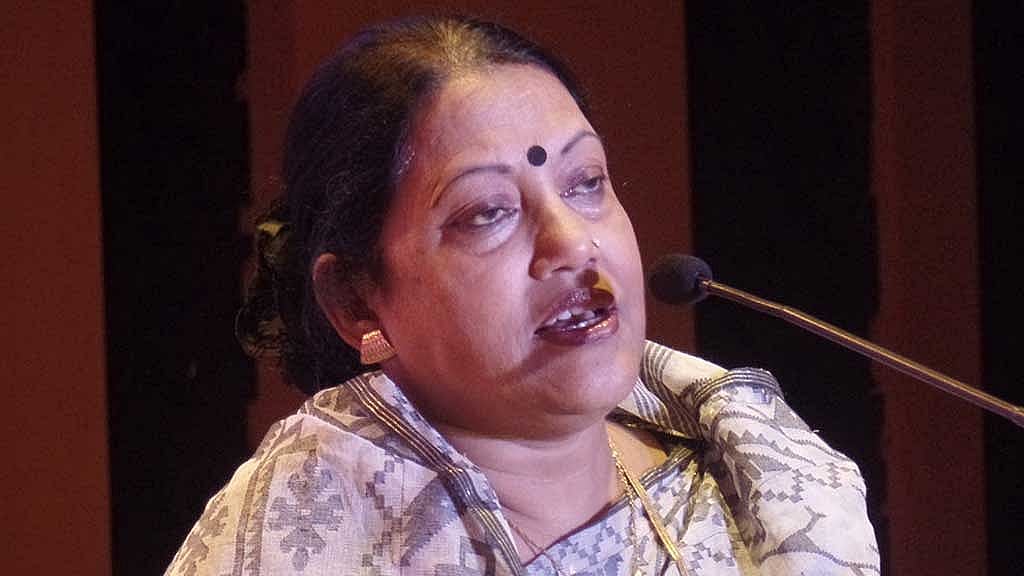
FARIDA PARVEEN
Farida Parveen, the singer whose name became synonymous with Lalon songs, died on Sept 13. She was 71.
Despite suffering from multiple ailments in her later years, she remained devoted to the practice and preservation of Lalon music.
Sixteen years ago, she founded the Achin Pakhi Sangeet Academy in Dhaka’s Tejkunipara with the aim of passing on Lalon’s philosophy and songs to future generations.
Farida Parveen began her musical career in 1968 as a Nazrul Sangeet artiste at Rajshahi Betar. She also performed modern and patriotic songs during the early years of her career.
Lalon songs were initially not her focus, but she gradually set aside other musical genres and immersed herself entirely in Lalon’s work, becoming one of its most recognised voices.
She received the Ekushey Padak in 1987 for her contribution to music. In 2008, she was honoured with Japan’s Fukuoka Asian Culture Prize.
She won the National Film Award for best playback singer in 1993.
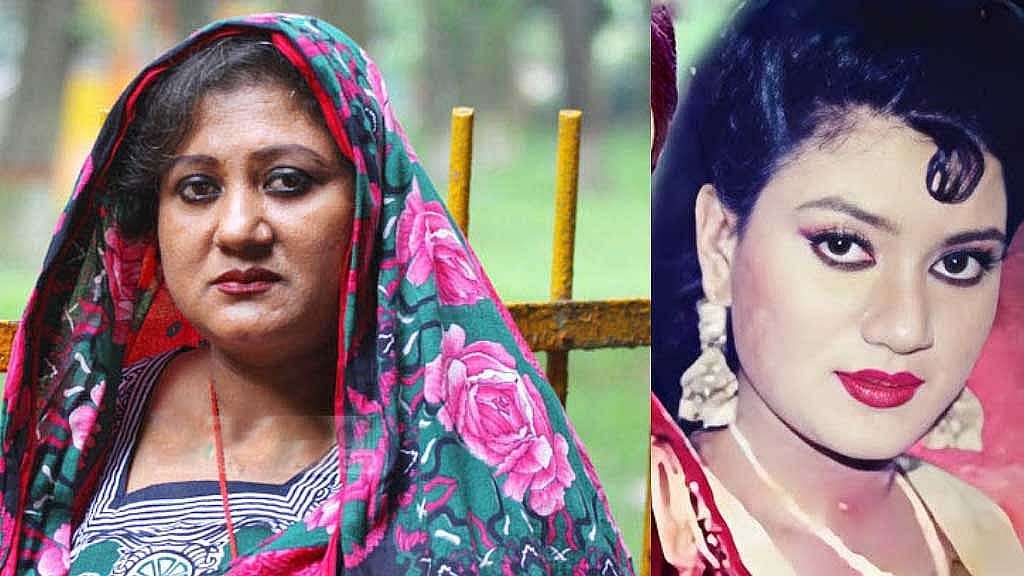
SAHINA SIKDER BANASREE
Sahina Sikder Banasree, a film actress best known for her role in the 1990s hit Shohrab Rustam, died on Sept 16 while undergoing treatment at a hospital in Shibchar, Madaripur. She was 54.
Banansree rose to prominence through a string of popular films, including “Shohrab-Rustam”, “Moha Bhumikompo”, “Nesha”, “Prem Bisarjan” and “Bhagyer Parihash”.
She remained a familiar name among audiences during the peak of her career in commercial Bangladeshi cinema.
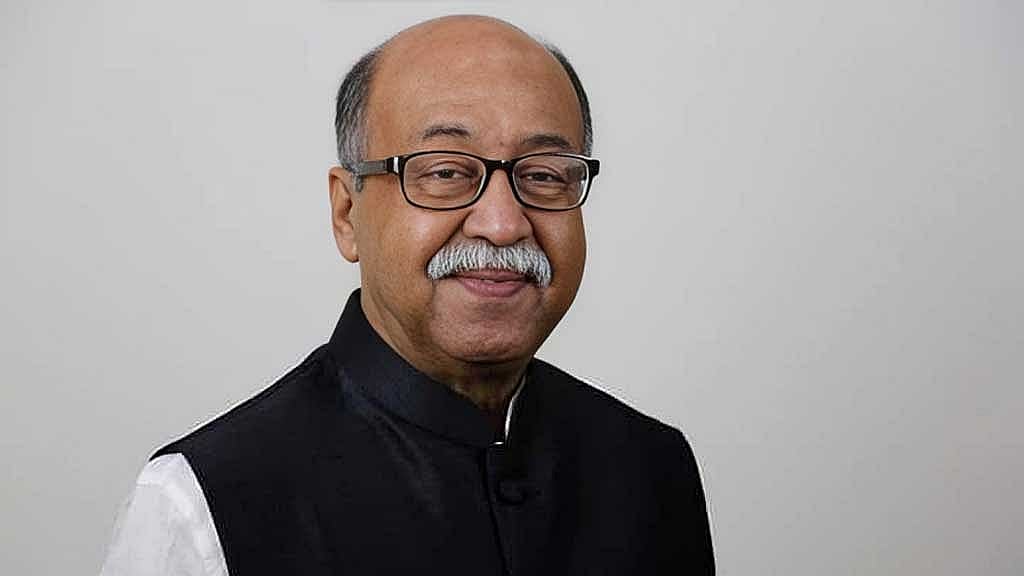
NURUL MAJID MAHMUD HUMAYUN
Former industries minister Nurul Majid Mahmud Humayun died in custody on Sept 29.
Police arrested him in Dhaka’s Gulshan on Sept 24 following the fall of the Awami League government on Aug 5, 2024. He remained in jail until his death.
Humayun was first elected to parliament as an independent candidate from Narsingdi-4 in the 1986 election. He later won the seat as an Awami League nominee in 2008.
After winning the 2019 election, he was appointed industries minister. He retained the seat in the 2024 election and took charge of the ministry for a second term.
He was active in major political movements, including the Six-Point Movement, the 1969 mass uprising, and the Liberation War.
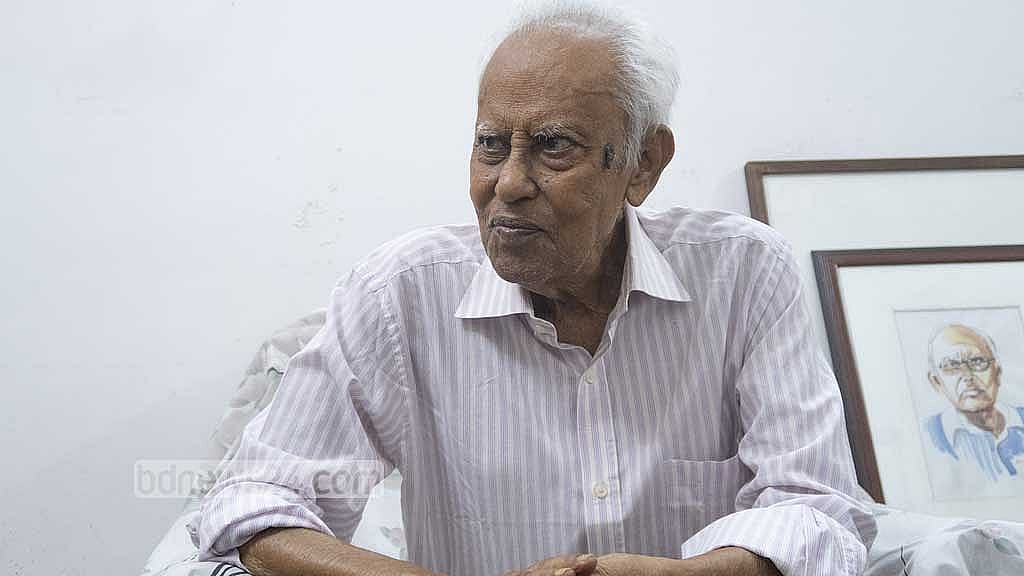
AHMED RAFIQ
Language movement veteran Ahmad Rafiq died on Oct 2. He was 96.
Born on Sept 12, 1929, in Shahbazpur, Brahmanbaria, Rafiq completed his higher secondary education at Horganga College in Munshiganj before enrolling at Dhaka University to study chemistry.
Due to residential issues at Fazlul Haque Hall, however, he transferred to Dhaka Medical College.
Rafiq participated in the 1952 Language Movement, working closely with students from different campuses.
In 1954, he was the only student from Dhaka Medical College to face an arrest warrant during protests. He later returned to public life and resumed his studies in late 1955.
Though he earned an MBBS degree, Rafiq chose to focus on writing rather than pursuing a career in medicine.
In 1958, he published his first book, Shilpo Songskriti Jibon (Art, Culture, and Life). Rafiq received numerous accolades, including the Ekushey Padak, Bangla Academy Award, and Rabindra Sahitya Award for his contributions to literature.
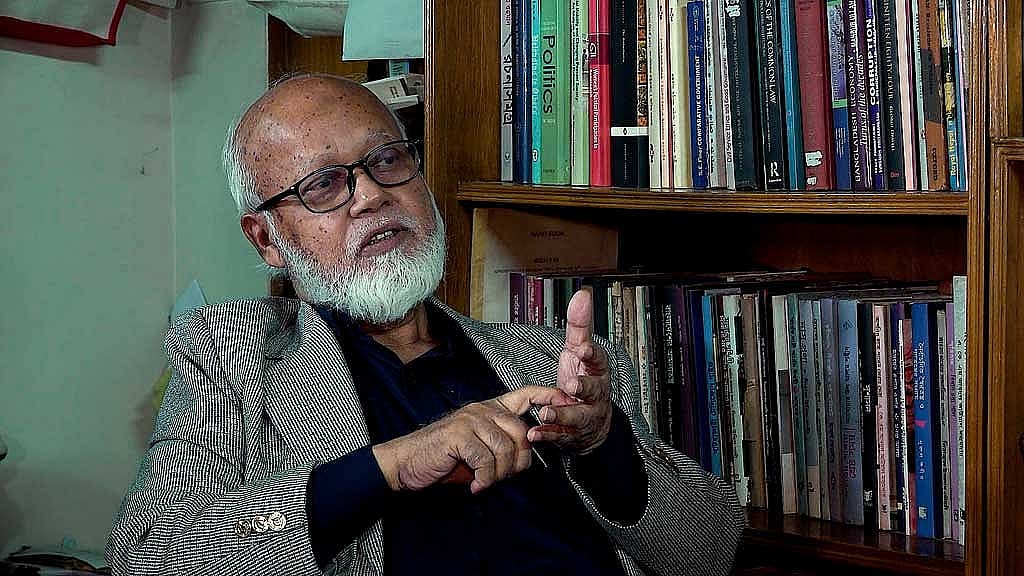
TOFAIL AHMED
Local government and election expert Tofail Ahmed died on Oct 8. He was 71.
He headed the interim government’s Local Government Reform Commission and served as a member of the Electoral Reform Commission.
He was also part of the Local Government Commission formed during the 2006–07 caretaker government.
Tofail completed his undergraduate and postgraduate studies in public administration from the University of Chattogram before earning a master’s degree in economics and a PhD in political economy from Swansea College, University of Wales.
He began his professional career in 1981 as a faculty member at the Bangladesh Academy for Rural Development in Cumilla, where he worked for 14 years before joining the University of Chattogram’s public administration department. He became a professor in 2000.
From 1996, he was actively involved in civil society movements advocating democracy, good governance and credible elections.
Between 2009 and 2015, Tofail served as a local governance advisor with the United Nations Development Programme. He also taught at North South University and was a member of the BARD board of governors.
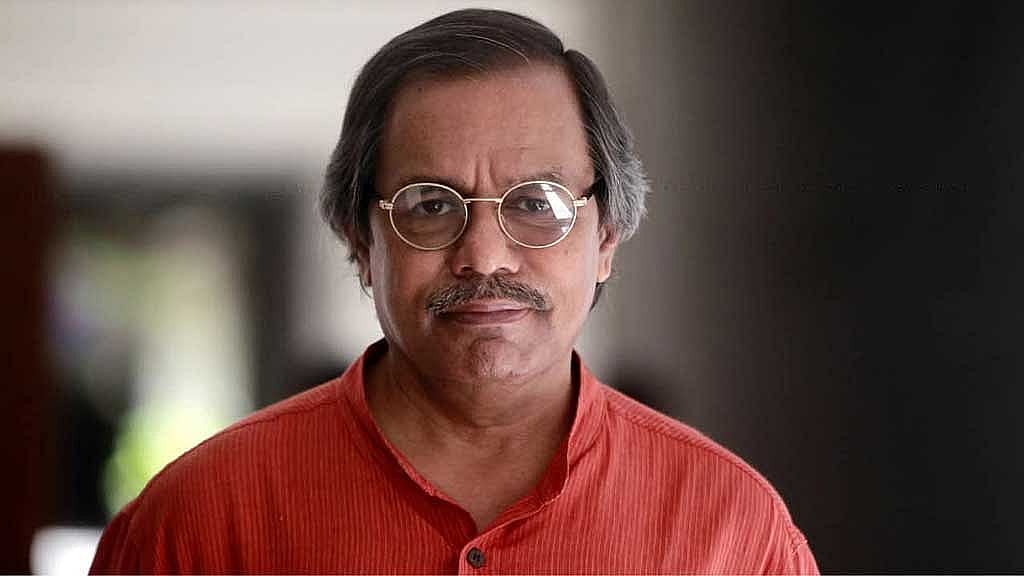
SYED MANZOORUL ISLAM
Syed Manzoorul Islam, an emeritus professor and renowned litterateur who was awarded the Ekushey Padak, died on Oct 10 while undergoing treatment at LabAid Hospital in Dhaka. He was 75.
Manzoorul earned his PhD in 1981 from Queen’s University in Canada, where his doctoral research examined the influence of Emanuel Swedenborg’s philosophy on the poetry of WB Yeats.
After retiring from the Department of English at Dhaka University, he joined the University of Liberal Arts Bangladesh as a faculty member.
Over his long career, Manzoorul has been recognised with some of the country’s highest honours, including the Bangla Academy Literary Award in 1996 and the Ekushey Padak in 2018.
His published works span fiction, essays and literary criticism. Among his best-known works are "Pustak Prakashona O Sampadana Prasanga", "Thaka Na Thakar Golpo", "Kach Bhanga Rater Golpo", "Andhokar O Alo Dekhar Golpo", "Adhkhana Manush", "Dinratriguli", "Ajgubi Rat", "Tin Porber Jibon", "Nondontotto", "Kotipoy Probondho", and "Alosh Diner Hawa".
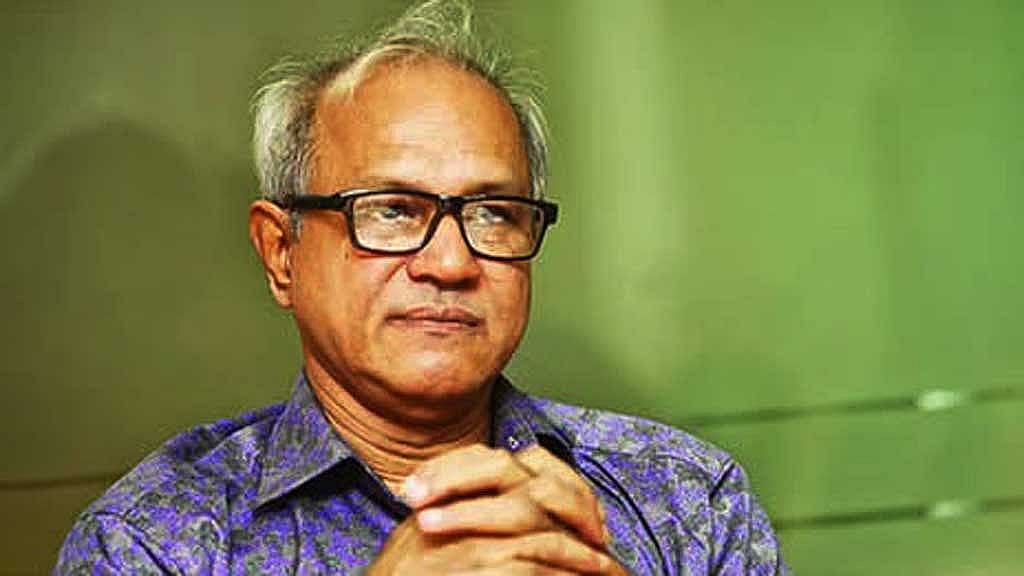
RAKIB HASAN
Rakib Hasan, the creator of the popular “Tin Goyenda” detective series that captivated generations of young readers in Bangladesh, died on Oct 15. He was 75.
Although inspired by Robert Arthur’s Three Investigators series, “Tin Goyenda” took on a distinct identity through Rakib Hasan’s writing.
Beyond detective fiction, he wrote numerous classic adaptations and youth series. In total, his published works number more than 500 books.
His first book was published under a pseudonym in 1977. His first work to appear under his own name was the translated edition of Bram Stoker’s Dracula.
Rakib Hasan also served as assistant editor of a mystery magazine published by Seba Prokashoni.
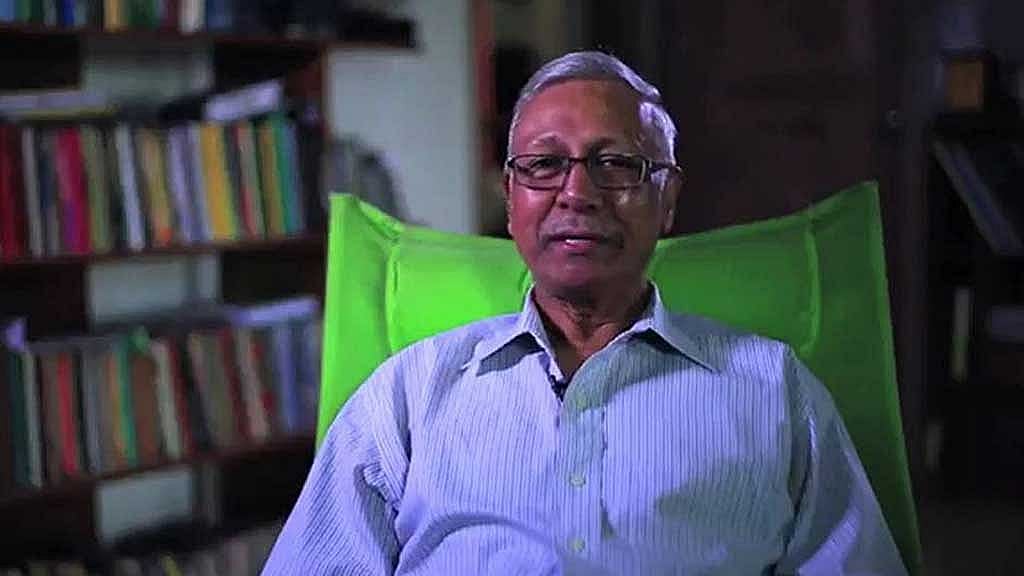
CAPT SHAHABUDDIN AHMED
Captain Shahabuddin Ahmed, a fearless combatant in the 1971 Liberation War and a member of the historic Operation Kilo Flight, died on Oct 16. He was 77.
When the war broke out in 1971, Shahabuddin was a pilot for Pakistan International Airlines. He is among the few civilians to be recognised with the Bir Uttom award for bravery during the war.
On the night of Dec 3, helicopter strikes were carried out on a Pakistan Air Force fuel depot in Godnail, Narayanganj, while an Otter aircraft attacked another fuel depot in Chattogram. The operation was codenamed Operation Kilo Flight.
Within 48 hours, Shahabuddin and his fellow fighters crippled the Pakistan Air Force.
Their actions paved the way for subsequent Indian Air Force strikes on major airbases across Bangladesh.
By Dec 5, the skies over Bangladesh were declared free of enemy aircraft. During the campaign, 50 helicopter sorties were flown against Pakistani forces, 12 of which involved Shahabuddin.
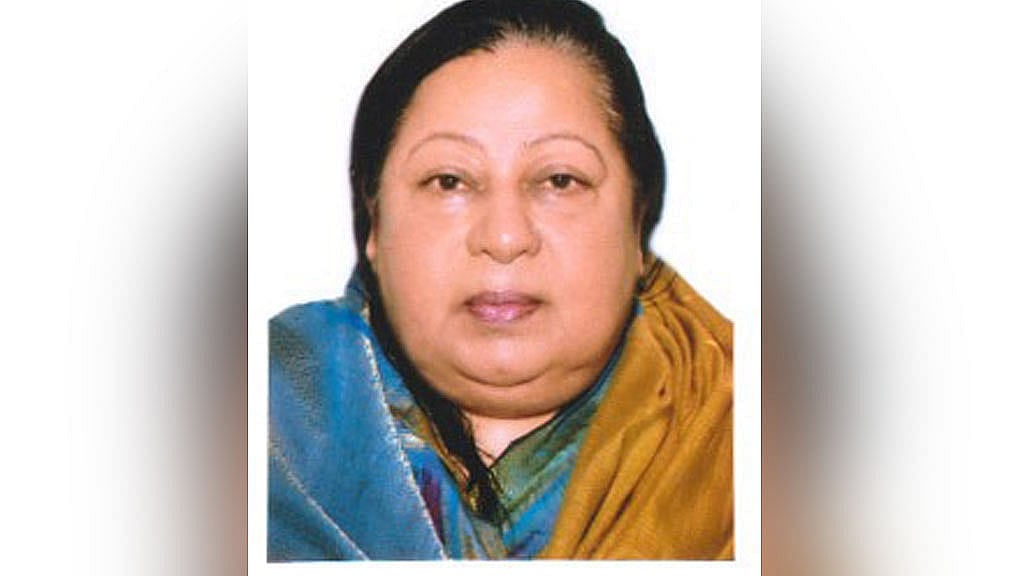
TAHURA ALI
Tahura Ali, a former member of parliament from the reserved women’s seats, died on Oct 23. She was 72.
She served two terms as a reserved-seat MP, first from 1996 to 2001 and later from 2009 to 2014.
A former teacher at Habibullah Bahar College, Tahura also served as chairman of Citizen Marketing Limited. She was the mother of actress Meher Afroz Shaon.
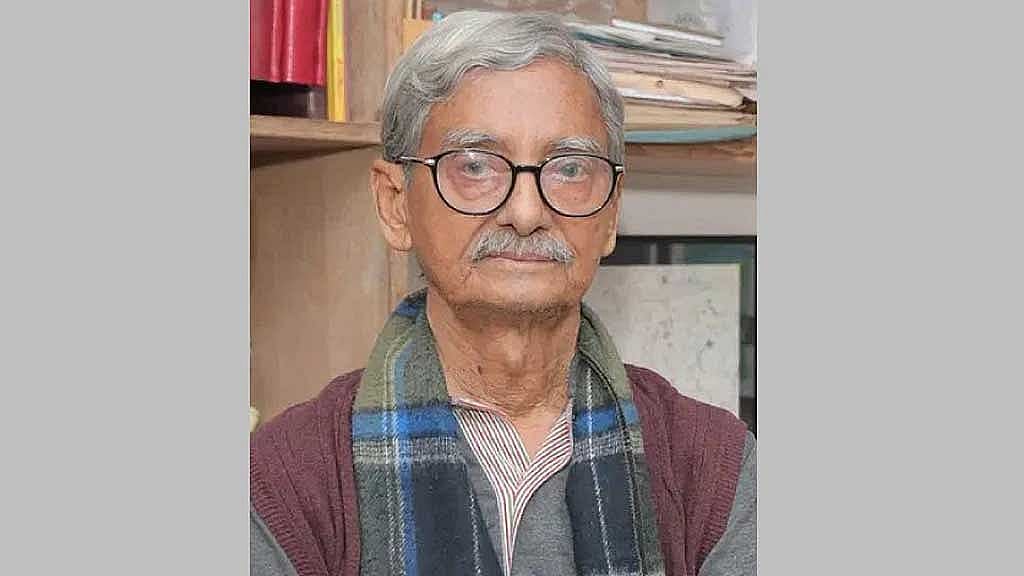
REZAUR RAHMAN
Rezaur Rahman, a nuclear scientist and writer, died on Oct 26 at the age of 81.
He worked with the Bangladesh Atomic Energy Commission from 1966 to 2002. During his career, he served as chief scientific officer at the Institute of Food and Radiation Biology of the Atomic Energy Research Establishment in Savar.
His research focused primarily on the effects of radiation on insects.
Alongside scientific research, Rahman remained active in writing. He authored science textbooks, several science-based books, numerous research articles, as well as novels and short stories.
For his contribution to writing, he received the Bangla Academy Literary Award in 2024.
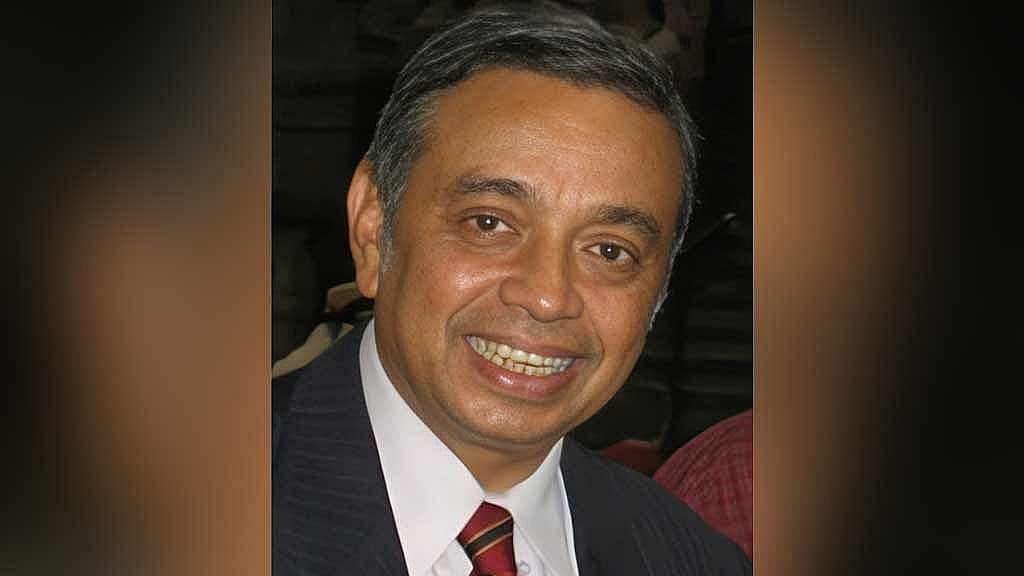
KAMAL UDDIN SIDDIQUI
Kamal Uddin Siddiqui, former principal secretary to former prime minister Khaleda Zia, died on Nov 3.
Born in 1954, Kamal joined the Civil Service of Pakistan in 1968 and served as the prime minister's principal secretary the last time the BNP was in power.
Later, he was accused alongside BNP Chairperson Khaleda in a graft case during the state of emergency in 2007.
Following the government change, a court earlier this year acquitted all eight accused in the case, including Khaleda.
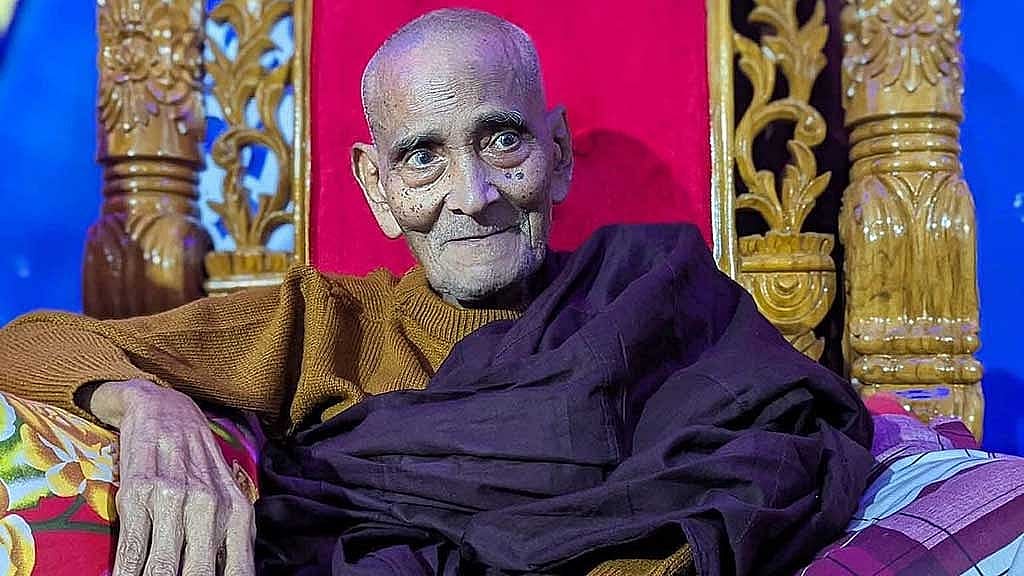
JNANASHREE MAHATHERA
Sangharaja Jnanashree Mahathera, the highest religious authority of the Buddhist community in Bangladesh and an Ekushey Padak awardee for social service, died on Nov 13. He was 100.
Born Loknath Barua, he embraced monkhood in 1944 and was given the name Sraman Jnanashree.
From the age of 25, he devoted himself to social service, establishing eight orphanages and founding several educational institutions.
He was a co-founder of the Tripitaka Prachar Board, formed in 1964. In 1976, he was elected general secretary of the Bangladesh Sangharaj Bhikkhu Mahamandal, and in 2004, he was elevated to the position of deputy Sangharaj of the Bangladesh Sangharaj Bhikkhu Mahasabha.
In 2007, Thailand’s Mahachulalongkornrajavidyalaya University conferred an honorary doctorate on him. In 2023, the Myanmar government awarded him the title of Agga Maha Pandita.
Following the death of 12th Sangharaj Venerable Dharmasen Mahasthabir, Jnanashree was unanimously appointed 13th Sangharaj at a session of the Bangladesh Sangharaj Bhikkhu Mahasabha on Mar 25, 2021.
He received the Ekushey Padak in 2022 in recognition of his outstanding contribution to social service.
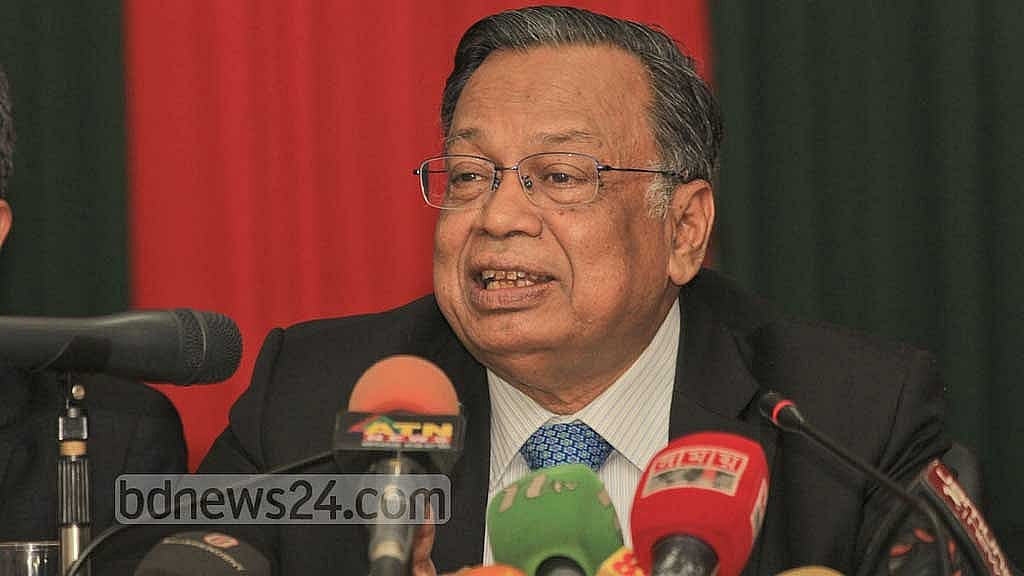
AH MAHMOOD ALI
Former finance and foreign minister Abul Hassan Mahmood Ali in Sheikh Hasina’s cabinet, who served as the chief foreign representative of the Mujibnagar government in 1971, died on Nov 6.
He was 82.
A career foreign service officer, Ali served as high commissioner to the UK before his retirement in 2001. He had served as ambassador to Germany and Bhutan. He was additional foreign secretary for bilateral affairs, a role that gave him the opportunity to serve prime minister Khaleda Zia on her major trips abroad, including India and Pakistan.
As ambassador to Bhutan, he befriended King Jigme Singye Wangchuk and took Dhaka-Thimpu relations to new heights.
Mahmood Ali was a four-time elected MP from Dinajpur-4 and last served as finance minister in the previous Awami League government. He also held portfolios as minister of disaster management from September 2012 to November 2013 and foreign minister until January 2019.
During his tenure as foreign minister, he oversaw the resolution of the maritime boundary case with India and the exchange of enclaves.
During the 1971 Liberation War, he played a pivotal role on the diplomatic front. After being posted to New York in 1968, he mobilised the Bangladeshi community in the US and defected from Pakistan in April 1971 to join the independence struggle.
In May 1971, he was appointed Bangladesh’s representative to the US for the Mujibnagar government and served as executive assistant to Chief Justice Abu Sayeed Chowdhury of the UN delegation.
After independence, Ali held several diplomatic positions, including deputy high commissioner in Beijing, ambassador to Bhutan, Austria, the Czech Republic, Germany, and Nepal, and high commissioner to the UK. He was also Bangladesh’s first ambassador to Ireland.
As additional foreign secretary in 1992, he signed the three-bigha corridor implementation agreement with India and participated in negotiations on the repatriation of Myanmar refugees the same year.
After retiring from government service in April 2001, Ali joined the Awami League, continuing his contributions to Bangladesh’s political and diplomatic spheres.
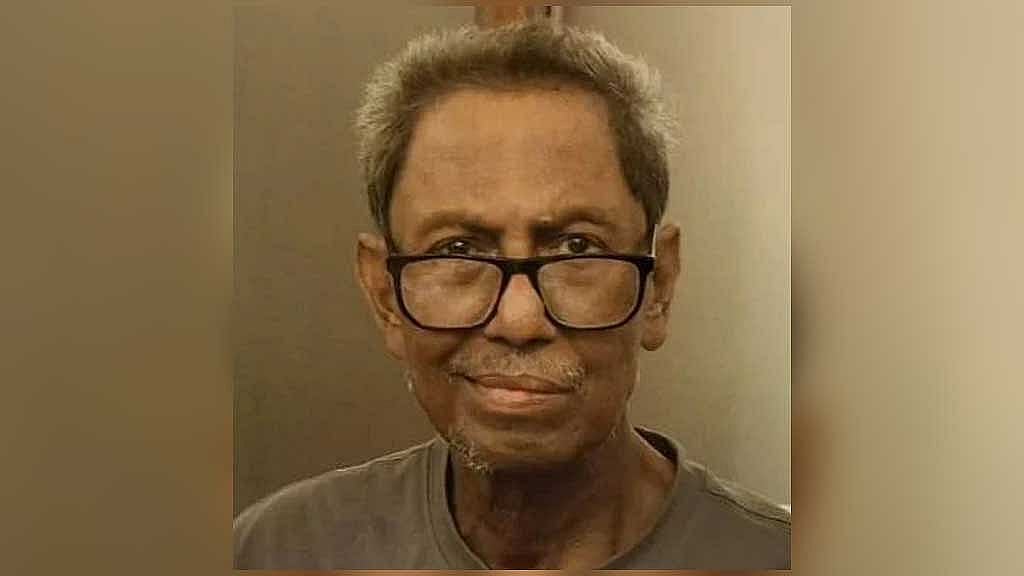
RUHUL AMIN BABUL
Film producer and director Ruhul Amin Babul died on Dec 6 while undergoing treatment at a hospital in Dhaka after a prolonged battle with cancer.
In addition to his work as a producer and director, Babul was a founding member of the “Jambs” fighting group formed in 1974 by legendary Dhallywood actor Jashim.
He began film production in the late 1970s and went on to produce nearly 30 films. Notable productions under his banner include “Dost Dushman”, “Barud”, “Chand Suraj” and “Kabin”.
His wife, Nuton, was also a popular film actress.
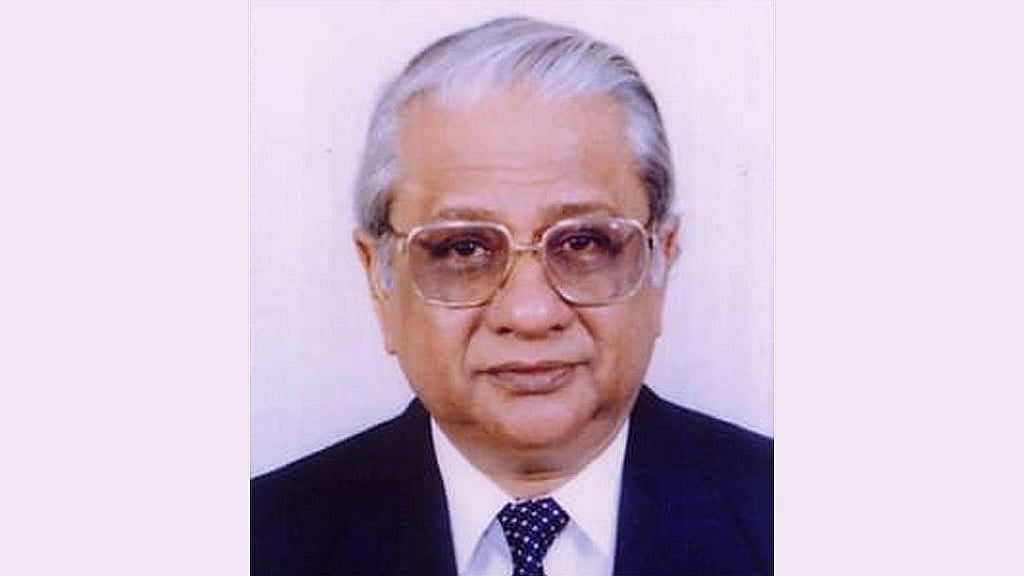
KAZI FAZLUR RAHMAN
Kazi Fazlur Rahman, an advisor to Bangladesh’s first caretaker government, died on Dec 13 at the age of 93.
He joined government service during the Pakistan period and, after independence, served as secretary in several ministries. He also played an important role as a member of the Planning Commission.
In 1991, he served as an advisor in the country’s first caretaker government led by the late president Shahabuddin Ahmed.
Rahman founded the Radda MCH-FP Centre, which works on maternal and child health. He was a founding governing body member of BRAC and PKSF and was associated with the Ahsania Mission.
He also worked with international development agencies, including the World Bank and the Asian Development Bank.
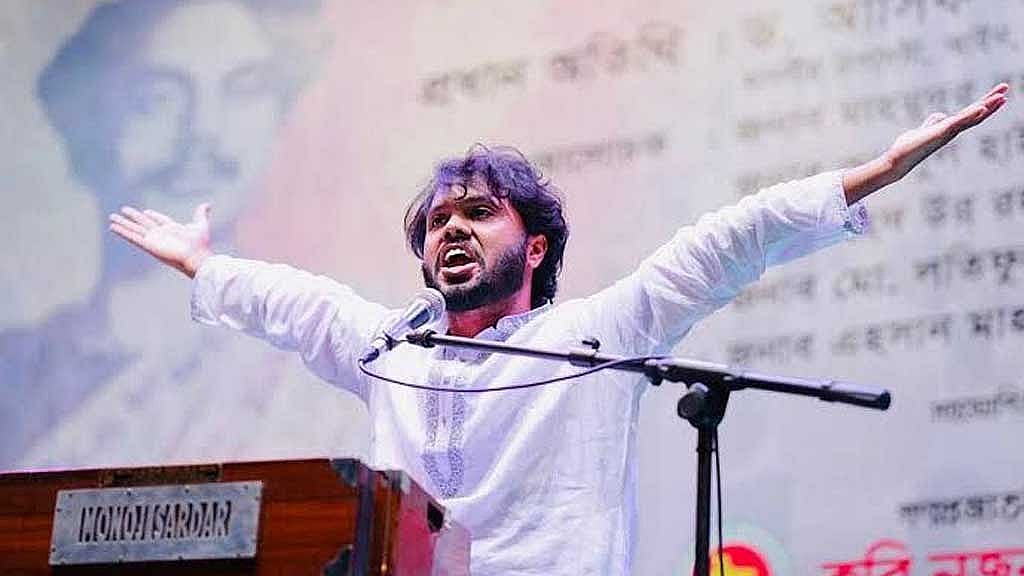
SHARIF OSMAN BIN HADI
Sharif Osman bin Hadi, convenor of the Inqilab Moncho platform, died on Dec 18.
Hadi rose to prominence through the July uprising and the movement demanding the banning of the Awami League.
He had announced his intention to contest the parliamentary election as an independent candidate from the Dhaka-8 constituency.
On Dec 12, while conducting public outreach in the Bijoynagar, Hadi was shot in the head by assailants on a motorcycle while he was travelling in a rickshaw.
He was initially taken to Dhaka Medical College Hospital and later transferred to Evercare Hospital. He was subsequently flown to Singapore by air ambulance, where he died while undergoing treatment.
On Dec 20, hundreds of thousands of people attended his funeral prayers at the South Plaza of the parliament.
He was buried the same day near the grave of national poet Kazi Nazrul Islam on the campus of Dhaka University.
Hadi previously taught at the Saifur’s English coaching centre and was most recently a faculty member at the University of Scholars, a private university.
Following the Uprising, the cultural and political platform Inqilab Moncho was formed under his leadership, with the stated aim of opposing all forms of domination and working to protect independence, sovereignty and establish a “justice-based” state.
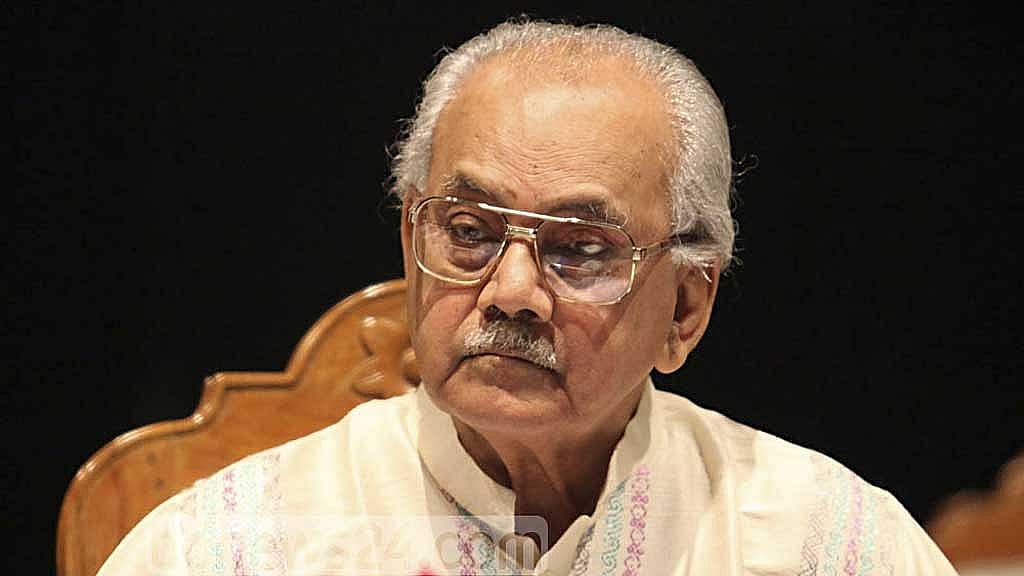
AK KHANDKER
AK Khandker, the deputy chief of staff of the Bangladesh forces during the Liberation War and the country’s first Air Force chief, died on Dec 20. He was around 96.
Khandker was a pioneering figure in the formation of the Bangladesh Air Force during the war of independence. He later held a number of senior positions in both military and civilian life.
He served as an ambassador during the military rule of late president Ziaur Rahman and went on to become planning minister under military strongman HM Ershad.
After the return to parliamentary democracy, Khandker was elected to parliament in 2008 from Pabna as an Awami League candidate. He served as planning minister in Sheikh Hasina’s cabinet for five years.
In recognition of his contributions to the Liberation War, the government awarded him the Independence Award in 2011, the country's highest civilian honour. He had earlier been awarded the gallantry title of Bir Uttom for his role in the war.
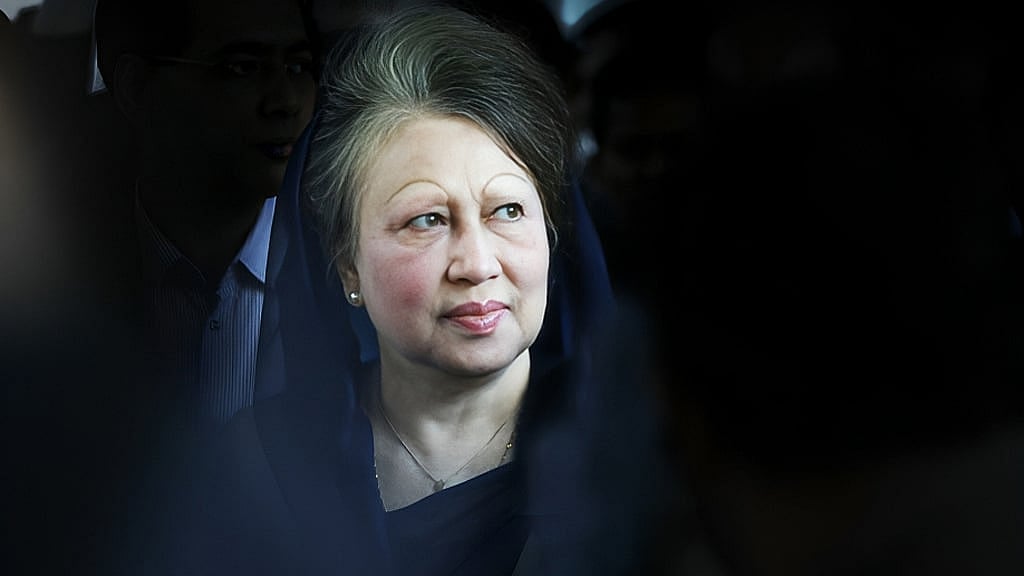
KHALEDA ZIA
The country’s first female prime minister and BNP chairperson Khaleda Zia died on Dec 30.
Khaleda had been suffering from multiple complex and chronic health conditions, including liver and kidney complications, heart disease, high blood pressure, diabetes, arthritis and infection-related problems. She was admitted to Evercare Hospital at Dhaka’s Bashundhara on Nov 23.
Khaleda was born on Aug 15, 1946, in Jalpaiguri in undivided India. Her family name was Khaleda Khanam and her nickname was Putul.
In 1960, Khaleda married Captain Ziaur Rahman of the Pakistan Army. She later moved to West Pakistan, where her husband was posted.
After independence, then president Ziaur Rahman formed the BNP on Sept 1, 1978. Following Zia’s death in a failed military coup in 1981, Khaleda took the reins of the party, despite being a homemaker with no prior political experience.
On Feb 27, 1991, Khaleda contested in the elections from five constituencies, winning all five, becoming Bangladesh’s first woman prime minister and the second female prime minister in the Muslim world.
On Feb 8, 2018, a court convicted her in the Zia Orphanage Trust corruption case and sent her to prison. She was later sentenced in the Zia Charitable Trust case as well.
Khaleda was released on Mar 25, 2020, during the coronavirus pandemic, and kept under house arrest.
On Aug 7, 2024, she was released by presidential order. The High Court later acquitted her in both cases, clearing the stain of corruption convictions.