Published : 15 Jan 2026, 07:05 PM
Updated : 28 Aug 2026, 01:31 AM


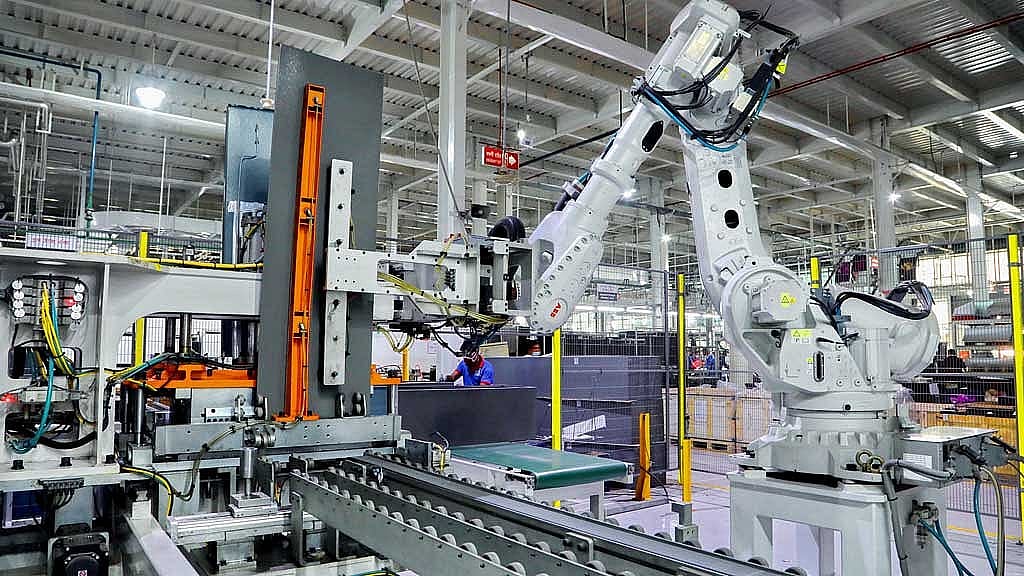
Md Alauddin Alal works in the production section of a garment factory. He previously operated manual machines, where long hours and heavy workloads took a toll on his health.
That changed after the factory introduced automated machines. The workload eased, physical strain reduced, and his health improved.
Alal said he no longer needs extra rest beyond his weekly day off and feels fit enough to manage his responsibilities.
He explained that earlier, 200 workers were required to operate 200 manual machines. The same factory now runs 500 automated machines.
Because one worker can manage multiple machines, overall employment has not fallen. In some cases, the factory has hired more workers.
In his view, automation has not taken away jobs. Instead, it has improved working conditions, increased production, and reduced health risks for workers.
The picture, however, is not the same everywhere.
The garment sector employs the largest share of Bangladesh’s private-sector workforce. New recruitment in the sector has slowed as modern machines allow higher output with fewer workers.
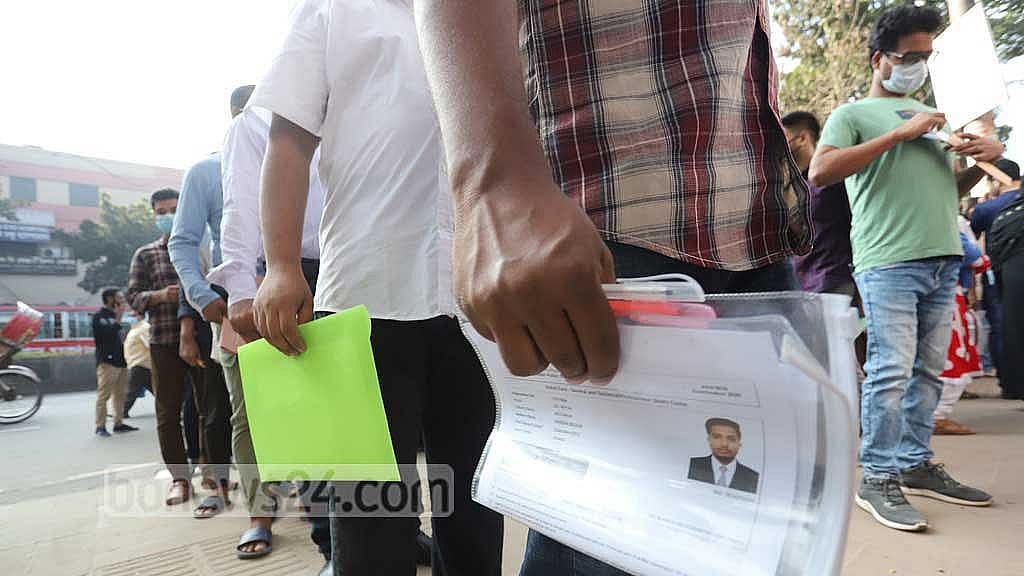
Experts warn that such technologies could reduce future employment opportunities if workers are not prepared for the shift.
CHALLENGE SHIFTS
AI use in agriculture and banking shows strong potential, but limited preparedness has also created risks.
The opportunities and challenges of artificial intelligence are most visible in the ready-made garment sector, which accounts for about 84 percent of Bangladesh’s export earnings.
Automation in textiles is not new. Modern machines have been in use for over a decade. What has changed is global competition. Buyers now demand higher quality, sustainable production, and faster delivery times.
As a result, factories need more than machines. They need AI-driven systems that support faster and more accurate decision-making.
Some advanced factories already use AI to detect fabric defects and predict machine failures. This reduces waste, cuts rework, improves product quality, and builds buyer confidence. Orders and revenue rise as a result.

AI is also helping with design. By analysing fashion trends, past orders, and buyer preferences, factories can develop new designs more quickly, saving time and responding faster to market demand.
TECH WITHOUT SKILLS
Despite these gains, many factories lack skilled personnel and reliable data systems needed to run AI effectively. In many cases, modern machines are in place, but data is not collected properly. Data protection systems are also weak.
As a result, AI capacity is not being fully used.
Setting up a complete AI-driven system in a large factory now takes six to 12 months. With a skilled team, the same work could be completed within two to three months.
Delays increase costs, reduce output and weaken competitiveness.
GOVT APPROACH
Faiz Ahmad Taiyeb, chief advisor’s special assistant on information technology, said bringing AI into manufacturing is not just about installing machines. It also requires skilled workers, data readiness and clear policies.
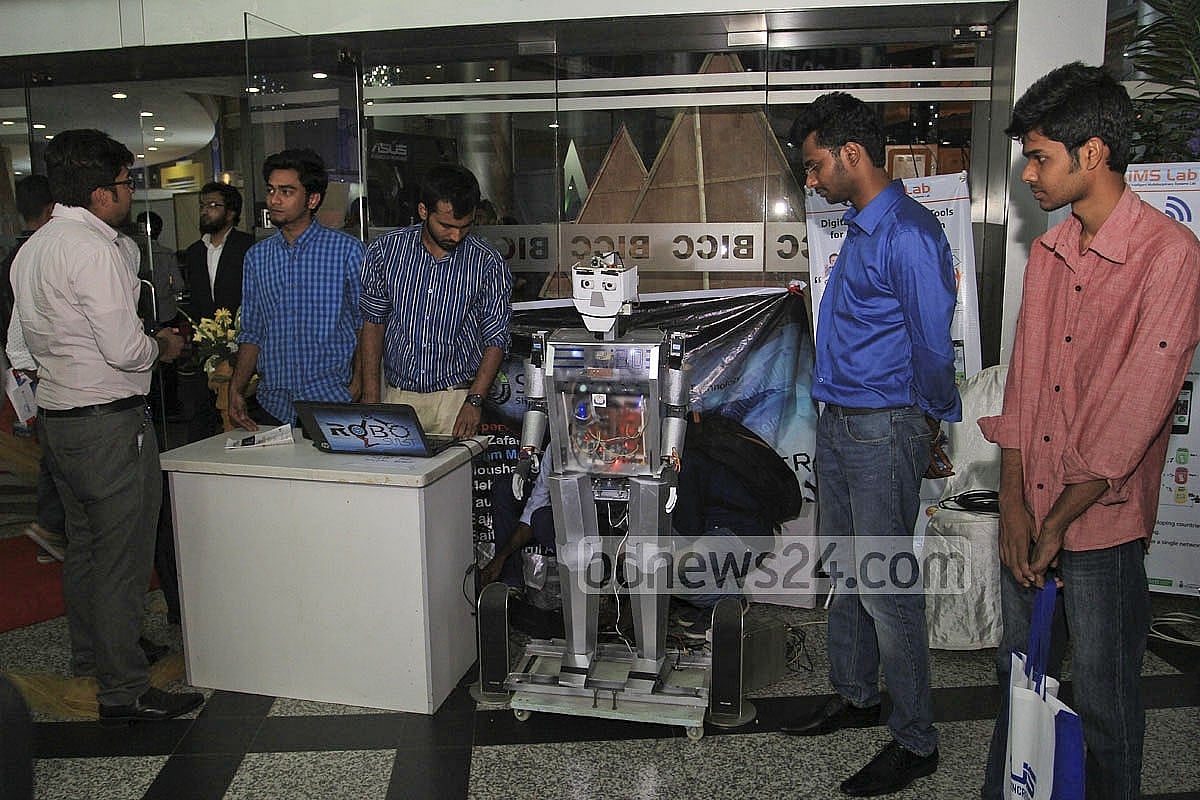
He said the interim government is working on a national AI skills framework as part of its digital transformation strategy, with the garment sector given priority.
Under the initiative, industry and universities are jointly offering training in AI-based work, industrial engineering and data use.
The goal, he said, is to ensure automation does not remove jobs but reshapes work while increasing productivity.
WORKERS’ PERSPECTIVE
AI is spreading rapidly, and several reports warn that workers without AI-related skills may face higher job risks.
UNESCO’s AI RAM report on Bangladesh says nearly 40 percent of the country’s workforce could be at risk due to AI and automation.
According to the Bangladesh Bureau of Statistics, the country’s labour force stands at around 73.7 million.
The World Bank’s 2025 report says about 7 percent of jobs in South Asia face high risk, while nearly 15 percent could become stronger with AI skills.
Experts say routine work such as data entry, call centres and basic accounting will face the greatest pressure. At the same time, new roles are emerging, including data labelling and annotation.
Shaheen Alam once worked on manual machines in a sweater factory. After the factory closed, he lost his job. He later joined an automated factory and taught himself new technology.
That factory also shut down after failing to compete with larger producers, forcing him to change professions.
Shaheen said AI should not be seen as good or bad.
“AI will not eliminate jobs entirely. It will change the nature of work,” he said.
He added that workers are often asked to operate more machines without proper training, which harms quality and increases pressure.
Salma Begum faced a similar situation. After her factory closed, she became unemployed and later opened a small tea stall with her husband.
WHY VIETNAM IS AHEAD
BGMEA Director and Cute Dress Industry Managing Director Sheikh HM Mustafiz said Bangladesh is gradually losing market share to Vietnam due to weaker technological skills.
He said Vietnam continues to invest in modern production systems, software, data use and industrial engineering. This reduces costs, saves time and improves quality.
According to him, factories must collect data properly, maintain standardised systems and develop mid-level skilled workers. Training must also be made easier for small and medium factories.
“If data is managed well, AI can reduce rework and rejection rates by five to 15 percent. Productivity can rise by two to six percent. Machine downtime can also fall sharply,” he said.
He added that the shortage of skilled local professionals often forces factories to rely on foreign firms, raising costs and putting data security at risk.
In his view, long-term success depends not on buying technology alone, but on training local workers in new skills.
Overall, analysts say introducing AI in the garment sector involves workers, skills, investment and policy choices.
How Bangladesh manages this transition, they say, will determine its future competitiveness.