Published : 28 Nov 2025, 08:32 AM
Updated : 21 Aug 2026, 02:48 PM


The courtroom in Dhaka reverberated with statements that could define Bangladesh’s political landscape for years.
Sheikh Hasina, once at the pinnacle of power, was sentenced to a total of 21 years’ imprisonment in three plot corruption cases, while her children -- Sajeeb Wazed Joy and Saima Wazed Putul -- received five-year terms each.
The cases, which centre on Purbachal New Town plots, alleged misuse of office, and opaque financial dealings, are just the tip of the iceberg.
Investigations now probe billions in alleged illegal wealth, foreign laundering, and misuse of state projects. From bridge toll contracts to NGO grant misappropriations, every corner of the Hasina–Rehana network appears under scrutiny, revealing the scale of corruption allegedly embedded across government and party structures.
In the observations delivered ahead of the verdict in three plot corruption cases against Sheikh Hasina, the court spoke of what it called her “greed for wealth”.
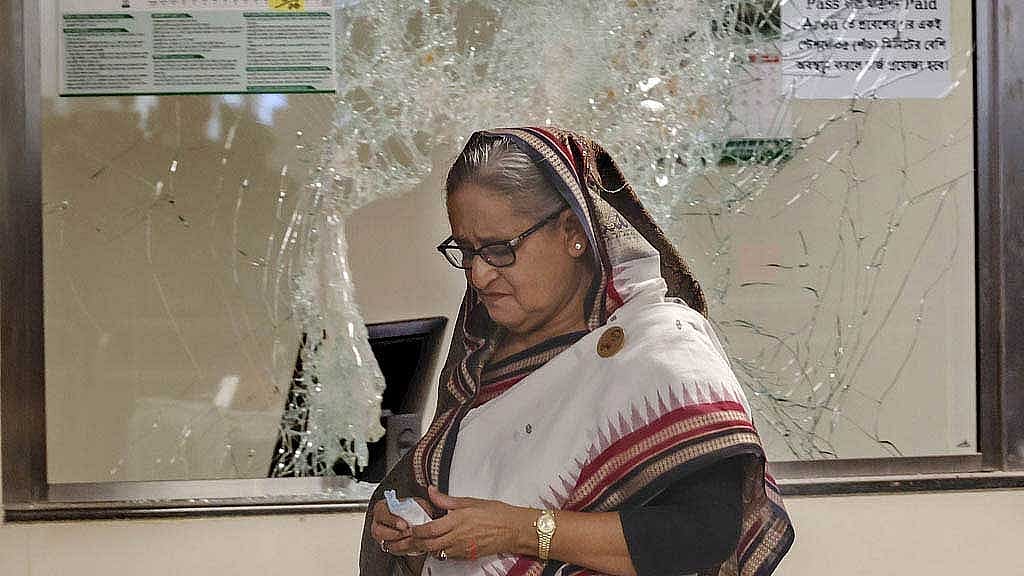
The remarks drew immediate debate over the breadth of her assets and the number of corruption cases and allegations pending against the former prime minister, who was ousted in the July Uprising.
This came less than two weeks after the International Crimes Tribunal sentenced Hasina to death for crimes against humanity over actions taken during the July Uprising crackdown.
She is the second former head of state or government in Bangladesh to be sentenced for corruption.
On Aug 5 last year, after the fall of the Awami League government, Hasina fled to India.
Following the change of power, the Anti-Corruption Commission (ACC) began examining allegations of corruption against Hasina, her son and daughter, as well as her sister Sheikh Rehana, Rehana’s children, and Hasina’s brother-in-law -- essentially the entire living Hasina–Rehana family.
The ACC launched multiple cases, inquiries and investigations into charges of “abuse of power” involving plot allocations, toll collection, grant disbursement, and alleged money laundering. The commission has already filed at least 15 cases against members of the extended family, with verdicts now delivered in three.
Also, irregularities in Meghna–Gomti Bridge toll collection, grant transactions involving Suchona Foundation and CRI, alleged misappropriation of CSR funds from banks, foreign money laundering, suspicious bank transactions running into billions of taka, and corruption in major state projects all remain under investigation.
According to the ACC’s internal summary, the Hasina family is currently being probed for tens of billions of taka in allegedly illegal wealth, alongside inquiries into the suspected laundering of Tk 800 billion and $300 million through major infrastructure schemes.
ACC Director General Md Akhtar Hossain told bdnews24.com, “Investigations and case enquiries against Hasina and members of her family are under way. After completing their work, the teams will submit reports to the commission, and based on those reports, further legal action will follow.”
He added that ACC officials submit their findings exclusively on the basis of “evidence and documentary proof”, and the commission acts according to those materials.
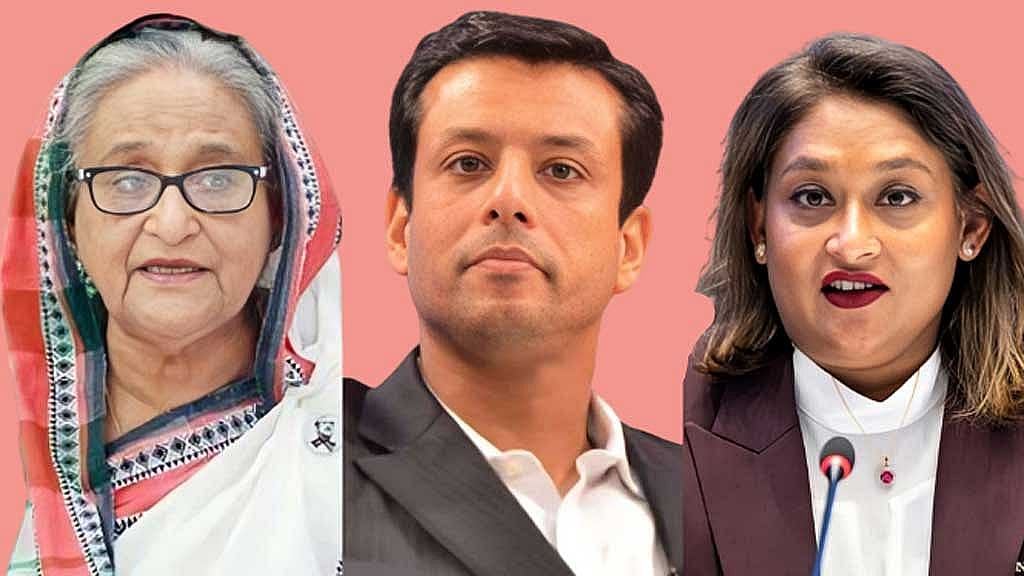
VERDICT IN 3 PLOT GRAFT CASES
On Thursday, Judge Mohammad Abdullah Al Mamun of Dhaka’s Fifth Special Judge’s Court delivered the verdicts in the three plot corruption cases.
Hasina was sentenced to seven years’ rigorous imprisonment in each case, totalling 21 years.
Joy was sentenced to five years in one of the cases, while Putul received five years in another.
Alongside imprisonment, Hasina was fined Tk 100,000 in each case, totalling Tk 300,000, with an additional 18 months of imprisonment if unpaid. Joy and Putul were each fined Tk 100,000, with six months of imprisonment in default.
The allegations stated that despite owning a house, flat or residential property in Dhaka, the three “concealed the information and unlawfully secured” three 10-katha plots in the Purbachal New Town Project.
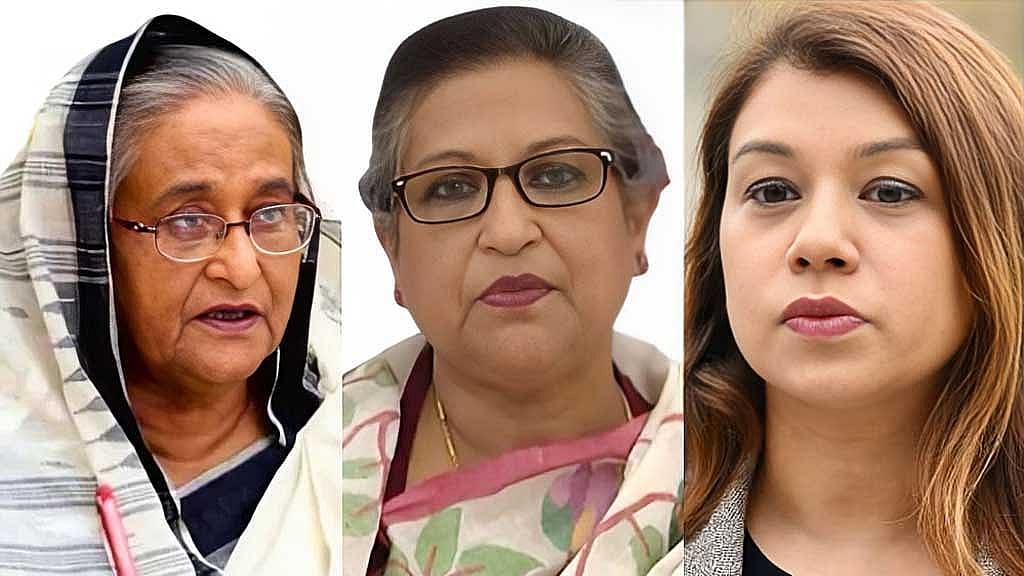
Before declaring the verdict, the judge said: “Hasina is a political leader, a four-time prime minister. Why does she need so much money, so much wealth?”
He added in astonishment, “She nurtures so much greed for wealth!”
PLOT GRAFT CHARGES AGAINST HASINA-REHANA FAMILY
The ACC says its actions concerning Hasina and her family fall into three categories: cases filed by the commission, inquiries based on complaints, and investigations into large-scale corruption, money laundering and asset concealment.
Of the 15 cases filed during the past 15 months under the interim government, Hasina is named in seven.
A verdict is expected on Dec 1 in another Purbachal plot case in which Rehana, her daughter British MP Tulip Siddiq, and Hasina are all accused.
Two further plot cases involve Hasina’s nephew and niece -- Radwan Mujib Siddiq Bobby and Azmina Siddiq Ruponti -- both charged alongside the former prime minister. Those trials are ongoing.
The six Purbachal diplomatic zone plots in question -- totalling 60 kathas, which is 0.4 hectares -- were allegedly obtained illegally with RAJUK’s assistance. The ACC filed these cases between Jan 12 and Jan 14 this year.
TOLL ‘CORRUPTION’ AT MEGHNA–GOMTI BRIDGE
In October, the ACC filed a case against 17 individuals, including Hasina, over alleged contractual irregularities, bidding manipulation and embezzlement of public funds in the Meghna–Gomti Bridge toll collection process.
Filed by ACC Assistant Director Tanzil Hasan, the case claims that in 2016, Computer Network Systems (CNS) Limited was awarded a five-year toll collection contract at a 17.75 percent service charge (excluding VAT and IT).
The FIR states: “The suspects engaged in collusion to benefit themselves and others financially through fraud and abuse of government authority, causing a loss of Tk 3.09 billion to the state.”
SUCHONA FOUNDATION ‘CORRUPTION’
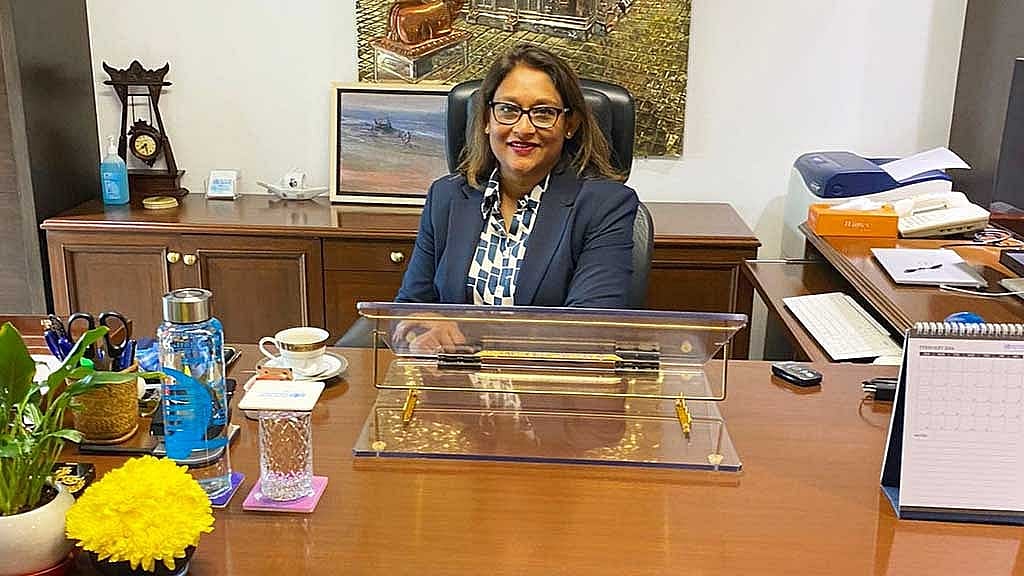
In September, the ACC filed a case against Putul and 35 others for allegedly creating a “fake” entity named Suchona Foundation, using it to solicit “bribes in the name of donations” from individuals and organisations, and misappropriating the funds.
According to the ACC, Putul and the others formed a “paper organisation” and secured registration from the NGO Bureau and the Department of Social Services. They then allegedly offered “illegal benefits” in exchange for donations that were not used for programmes serving people with disabilities.
Suchona Foundation, founded in 2014 as a voluntary non-profit working on mental and neurological disabilities, autism and mental health, counted Putul as its founder and chair of its trustee board.
After Aug 5 last year, the ACC opened a formal inquiry. On Nov 24, the Bangladesh Financial Intelligence Unit (BFIU) froze the foundation’s bank accounts, and in February the National Board of Revenue (NBR) cancelled its tax exemption.
On Jan 29, during a raid on the foundation’s office, the ACC declared the entity “non-existent”.
JOY’S TK 600 MILLION ‘ILLICIT WEALTH’
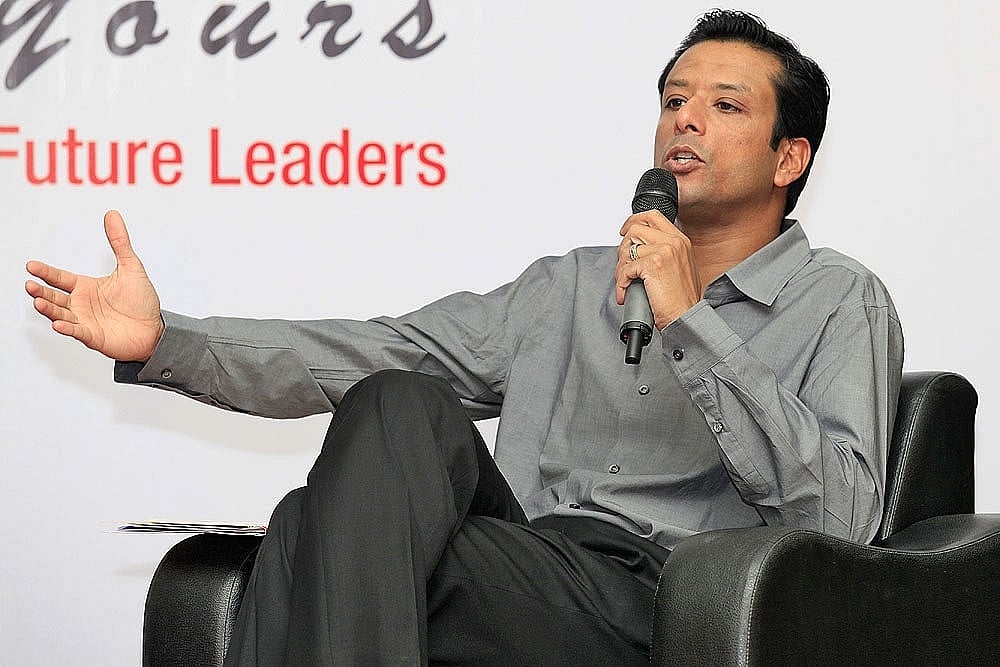
In August, the ACC filed a case against Joy, alleging the acquisition of illicit wealth and money laundering.
During his tenure as ICT advisor to the prime minister under the Awami League government, Joy is accused of “abusing his position of power” to amass assets valued at more than Tk 600 million.
The ACC also brought charges against him for “suspicious transactions, corruption and bribery”. According to the Commission, from 2000 until Jun 30, 2024, Joy allegedly acquired these illegal assets, committed bribery and corruption, and laundered money.
The FIR states that Joy “illegally acquired assets worth Tk 608.47 million using his official position”, which is “inconsistent with his known sources of income”. Of this sum, Tk 540.43 million was allegedly spent on purchasing two properties and making investments in the United States.
CRI IRREGULARITIES AND CORRUPTION
The ACC has also filed a corruption case against eight individuals, including Joy, Putul, and Rehana’s son Bobby, over different “irregularities and corruption” at the Awami League research organisation, the Centre for Research and Information (CRI).
Joy served as chairman of the CRI trustee board, Putul as vice-chair, and Bobby as trustee.
The FIR notes that these activities occurred from Dec 30, 2014 to Jul 10, 2024.
The ACC states that despite CRI lacking registration from the Department of Social Services, it received Tk 453.59 million from 23 institutions.
A review of 25 bank accounts in the organisation’s name revealed deposits of Tk 2.47 billion and withdrawals of Tk 1.91 billion, amounting to a total of Tk 4.39 billion in “irregular transactions”.
‘FALSE CREDENTIALS’ FOR WHO APPOINTMENT
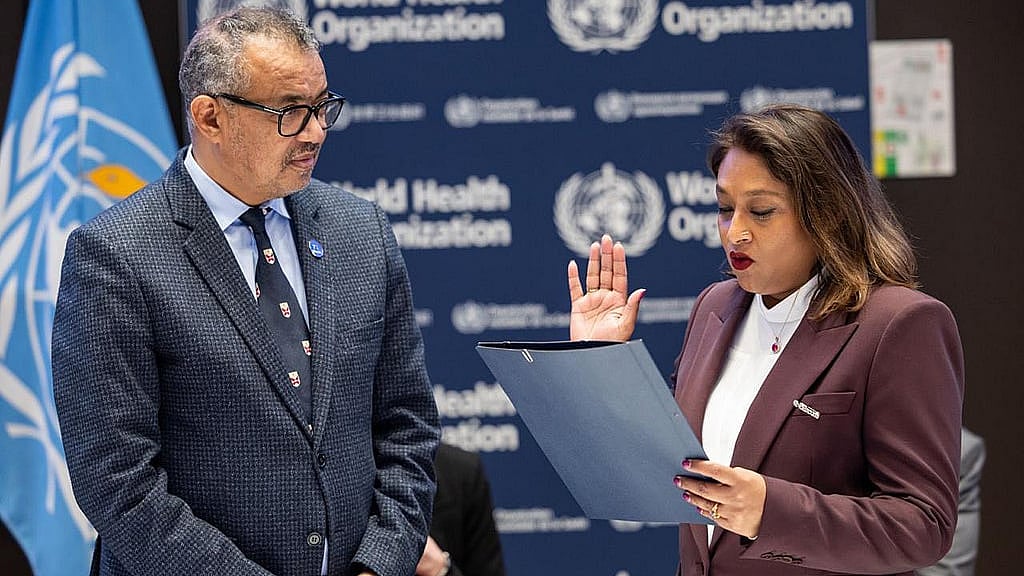
In March, the ACC filed a case against Putul for allegedly securing a position as regional director for WHO’s South-East Asia office through “fraud and deception”.
The FIR claims that in 2023 she sent her CV to WHO, presenting herself as a faculty member at Bangabandhu Sheikh Mujib Medical University (BSMMU), involved in education manual review, and a technical expert on autism and mental health. These claimed qualifications “enhanced her CV”, allegedly paving the way for her appointment.
Investigators contend that she included “false and fabricated qualifications” on her CV.
The ACC also noted that at the time of nomination, Putul held Canadian citizenship and a Canadian passport. She was working at WHO’s regional office in India, and the commission sent a letter to the Ministry of Foreign Affairs requesting action for her removal.
On Jul 12, most local media, citing the Health Policy Watch network, reported that Putul was sent on “indefinite leave”, though bdnews24.com could not independently verify the claim.
MORE CASES AGAINST REHANA FAMILY
Beyond the three Purbachal plot cases, more cases have been filed against Rehana’s family members.
On Jul 27, the ACC filed a separate case against her son Bobby, alleging acquisition of illicit wealth.
The commission claims that despite Bobby lacking significant businesses or legitimate income sources, he possesses substantial assets and has conducted “suspicious” bank transactions. The FIR states that the sources of these funds are unclear and unverifiable.
The case alleges that Bobby acquired Tk 28.9 million in unexplained wealth, including a Tk 17.36 million flat in Niketan, Dhaka, received as a gift from his uncle Tarique Ahmed Siddique.
Even without business activities, Bobby deposited Tk 74.83 million across three bank accounts, withdrawing Tk 50 million. The FIR describes these transactions as “abnormal and suspicious relative to his known income”.
BRIBERY THROUGH FLATS, CASE AGAINST TULIP
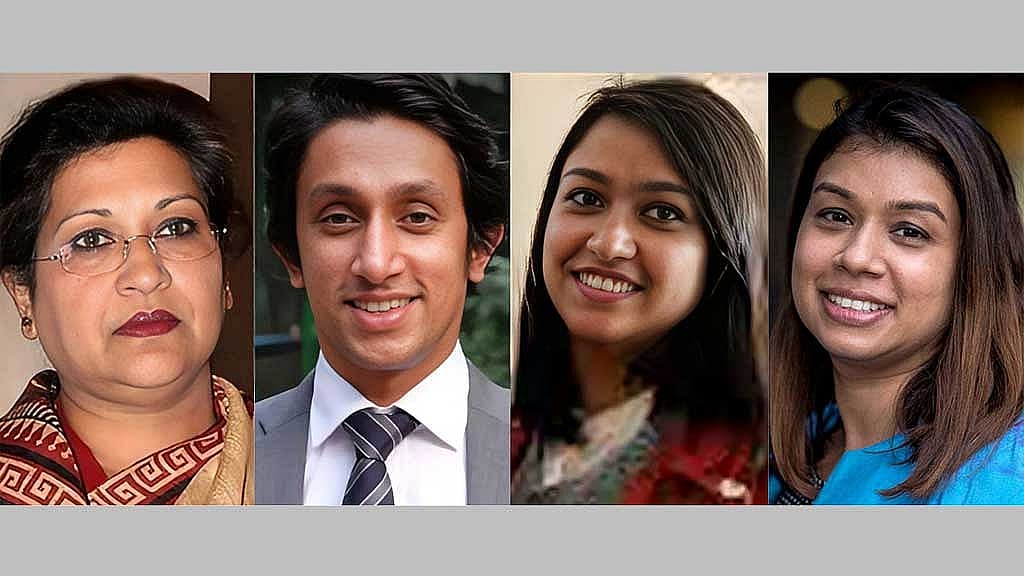
In April, the ACC filed a case against British MP Tulip, Rehana’s daughter, for allegedly receiving a flat as “bribe” via Eastern Housing Limited, in connection with a plot in Gulshan.
The FIR states that the plot transfer process began in 1997 during Hasina’s first term. The complaint alleges that Tulip and associates conspired, committing “criminal collusion, corruption, misconduct and abuse of power”, to acquire illegal benefits from Eastern Housing without making payment. The flat was subsequently registered in her name.
The case names former RAJUK assistant law advisors Shah Md Khasruzzaman and Sardar Mosharraf Hossain as co-accused. Preliminary evidence also implicated the late former health minister Mohammad Nasim’s brother, RAJUK legal advisor Md Selim, and Eastern Housing founding chairman Jahurul Islam. They could not be made defendants as they had passed away.
The FIR notes that in 1963, then-justice Imam Hossain Chowdhury received a 1 bigha 19 katha 13 chatak, 0.26 hectares, of land in Gulshan. According to the state lease, transfer or sale within 99 years was prohibited.
In 1973, the plot was transferred to Md Mojibur Rahman Bhuiyan via a power of attorney and later divided and sold, with construction beginning through Eastern Housing.
After disputes arose among Jahurul’s heirs, despite transfer restrictions, RAJUK’s legal advisors authorised flat transfers to Eastern Housing. 36 flats were approved for construction and transfer via power of attorney.
The FIR claims that Tulip received a flat “for free”, violating the lease terms, and thus acquired an “illegal benefit”.
Following media reports of the free flat in London and allegations of corruption in Bangladesh, the British media and the UK minister for financial services called for Tulip’s resignation. They also advised the prime minister to remove her.
Facing mounting criticism, Tulip eventually resigned from her ministerial post on Jan 14 this year.
CASES AGAINST TARIQUE SIDDIQUE’S FAMILY
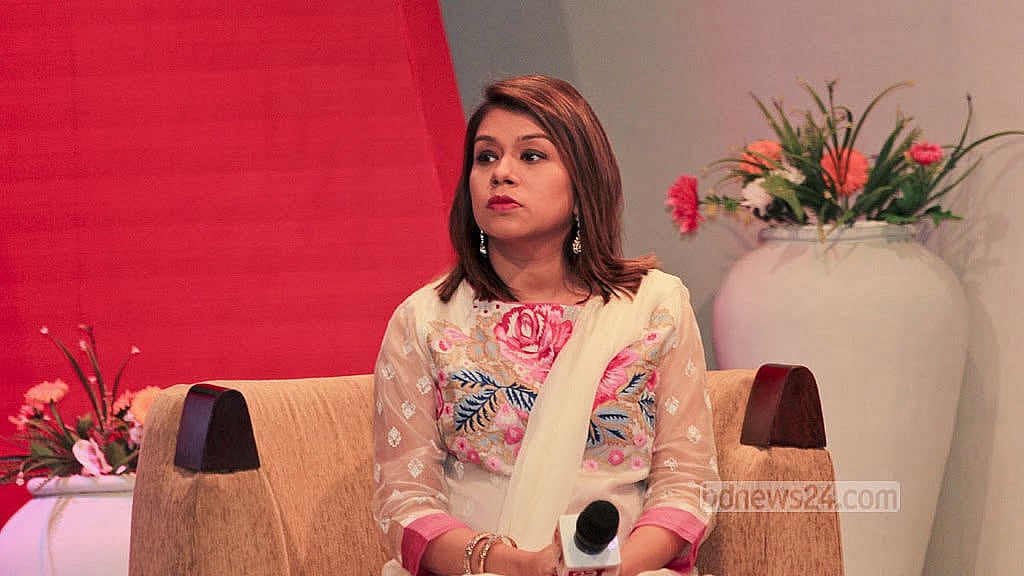
The ACC has filed four cases against Tariqu Siddique -- brother-in-law of Rehana, former defence advisor, and close aide of Hasina -- along with his wife and two daughters.
The cases allege the possession of “illegal assets” and “suspicious” bank transactions. In addition, the ACC has filed cases related to Tarique Siddique’s involvement in different airport projects.
ALLEGATIONS UNDER INVESTIGATION
The ACC is investigating claims of Tk 210 billion in “corruption” linked to eight priority projects of the Awami League government, involving Hasina, Joy, and Rehana.
Reports published in newspapers suggest that under the implementation of the Ashrayan Project and eight BEZA and BEPZA initiatives, around Tk 210 billion was allegedly misappropriated.
The ACC has also received allegations of Tk 590 billion in corruption connected to the Rooppur Nuclear Power Plant project. The High Court issued a rule on Dec 15, questioning why the ACC has not declared its inactivity in investigating allegations that around $5 billion was embezzled from this project via a Malaysian bank, involving Hasina, Joy, and Tulip.
Two days later, the ACC announced it would begin investigating. According to publicly available information, approximately $5 billion in “financial irregularities” reportedly occurred in Bangladesh’s first nuclear power project, the ACC claims.
‘MISUSE’ IN MUJIB YEAR CELEBRATIONS
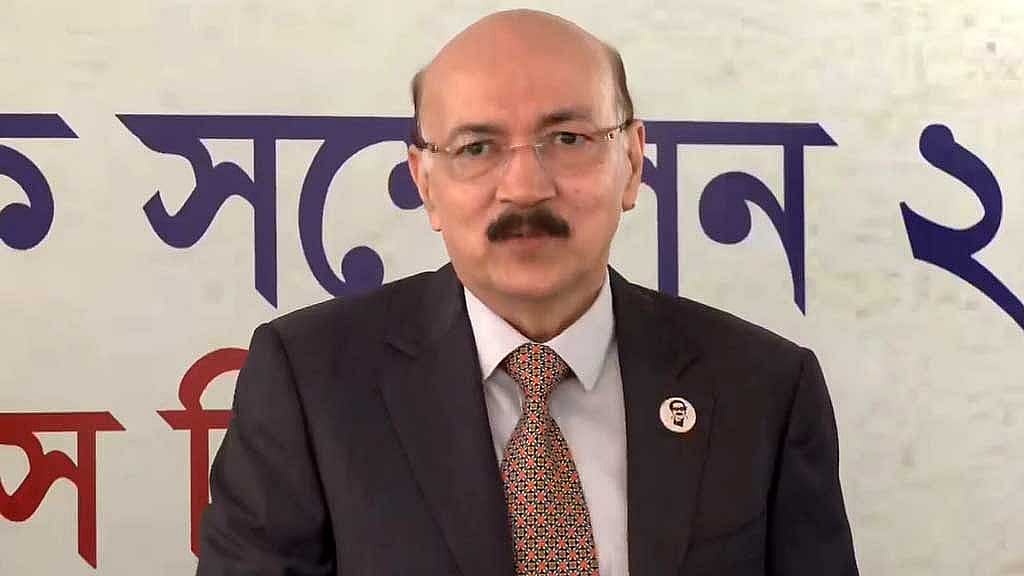
Allegations also exist against Hasina, Rehana, and others that nearly Tk 40 billion was spent from the state treasury on over 10,000 murals and statues of Sheikh Mujibur Rahman nationwide during the Mujib Year celebrations. The ACC considers this expenditure “unnecessary and wasteful”.
The Awami League government had declared the period from Mar 17, 2020, to Mar 31, 2021 as the Mujib Year to mark the centenary of Sheikh Mujib’s birth. Due to the COVID-19 pandemic, the programme was extended to Dec 16, 2021, with the government overseeing murals and statue construction nationwide.
The ACC is also investigating irregularities in the use of special allocations from the Prime Minister’s Office, foreign travel expenses, several contracts in the Bangladesh telecommunications sector, and the execution of party and personal projects using government funds.
In December last year, the ACC decided to investigate allegations of Tk $300 million in money laundering against Hasina and Joy.
According to the complaint, Joy’s name first appeared in 2014 in the USA vs Rizve Ahmed case as a suspected money launderer. Subsequent investigations by a US intelligence agency revealed that funds were transferred from offshore accounts in Hong Kong and the Cayman Islands to various banks in Washington, New York, and London via a local money exchange.
The investigation summary, confirmed by US intelligence officials and senior trial attorney Linda Samuel of the US Department of Justice, states that $300 million from Bangladesh was deposited into US banks.
WHITE PAPER COMMITTEE FINDINGS
After the fall of the Awami League government, the interim administration formed a White Paper Committee to assess the country’s economic situation.
In its report submitted last December, the committee observed that, on average, $16 billion per year was allegedly laundered from Bangladesh during Hasina’s long tenure.
The report reviewed numerous development projects undertaken under Hasina’s government. Among the 29 major projects, seven were examined in detail, each reportedly exceeding Tk 100 billion in expenditure.
Across all 29 projects, the total spending amounted to $87 billion (approximately Tk 7.8 trillion). The committee noted that the cost of seven key projects had increased from an initial estimate of Tk 1.14 trillion to Tk 1.95 trillion, attributing the escalation to inflated land values, manipulations in land acquisition, and artificial budget items.
The committee found that in some cases, project costs were inflated by up to 70 percent.