Published : 24 Dec 2025, 02:15 AM
Updated : 24 Aug 2026, 04:00 PM


In the altered reality following the 2024 July Uprising, the general election expected in February is shaping up to be more than a contest for power as it will decide whether the nation of 170 million leans toward democratic consolidation or slides into a deeper political crisis, a leading analyst has warned.
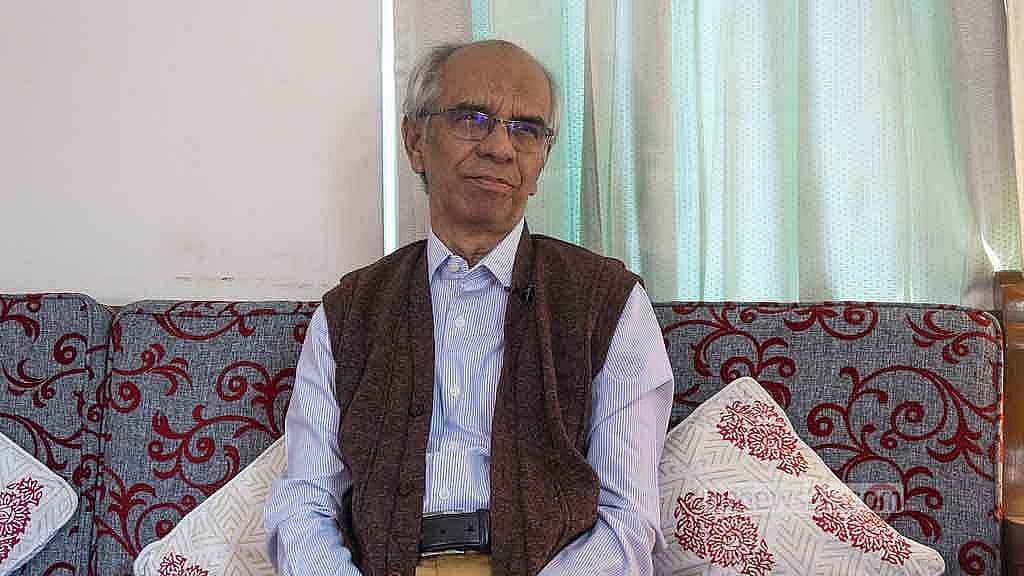
Mozammel Hossain, a veteran journalist and political commentator, sees two diverging paths ahead.
“One is a trajectory in which right-wing forces confront the country’s realities and its majority through struggle, negotiation and conflict, leading Bangladesh into instability,” he told bdnews24.com’s flagship discussion programme Inside Out.
“The other path is to open the doors of democratic politics to all, including the Awami League, stabilising democracy and parliamentary governance as swiftly as possible.”
While the BNP hopes that an election without the Awami League would guarantee it an easy route to power, Mozammel Hossain sees a party beset by internal crises and unable to prove it can manage the country’s wider challenges.
“[Acting BNP Chairman] Tarique Rahman has largely created his own crisis,” he says bluntly.
By contrast, he argues, Jamaat-e-Islami, long a marginal but disciplined Islamist force, is unlikely to secure a decisive breakthrough despite its noisy resurgence.
“Jamaat is a highly organised party, which is why its voice is amplified,” he said. “Historically it has polled between 4 and 12 percent of the vote. The election could narrow the gap between the BNP and Jamaat, potentially forcing both parties to seek support from smaller groups to form a government.”
On Inside Out, Mozammel spoke candidly about the election, BNP chief Khaleda Zia’s illness, Tarique’s absence, the party’s political future, whether the Awami League would contest, interim governance, and handing over port responsibilities to foreigners.
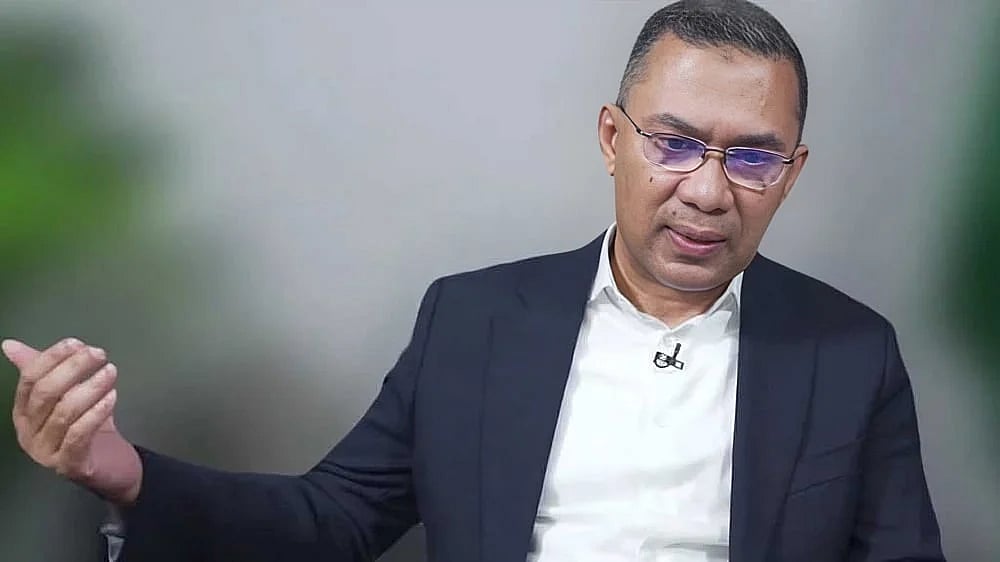
The programme aired on bdnews24.com’s YouTube channel and Facebook page on Monday.
‘TARIQUE CREATED HIS OWN CRISIS’
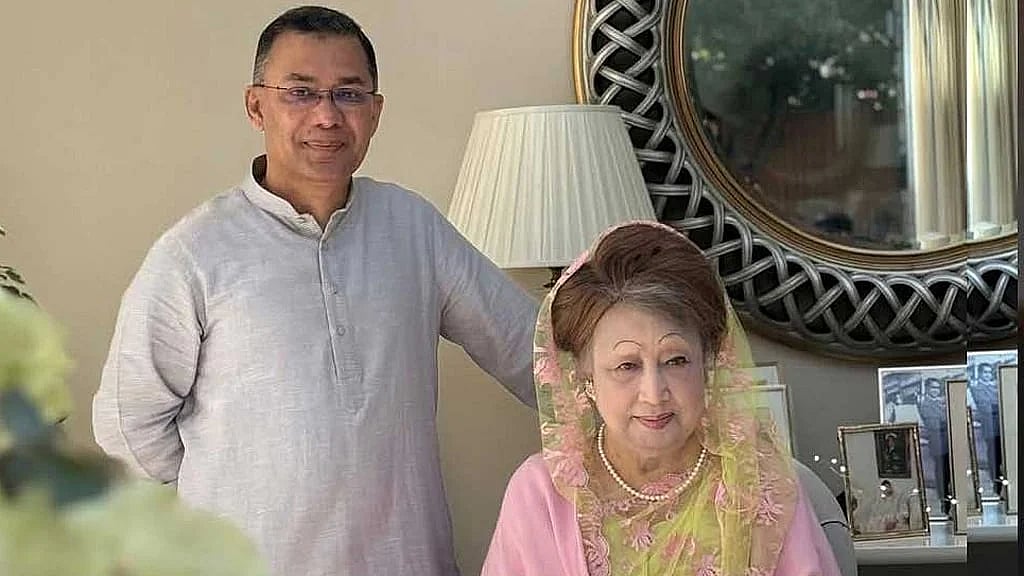
The hospitalised Khaleda’s critical health situation has sparked debate in national politics over her son, Tarique.
In a Facebook post at the end of November, he wrote: “In such a crisis, I, like any son, feel an intense desire to be with my mother. But, unlike others, the ability to implement this is neither entirely mine nor solely under my control.”
Mozammel believes that by not being transparent with the public, Tarique has created his own crisis.
“This stems from him being abroad for 17 years. We know the circumstances under which he left and the duration of his absence. But he has generated this crisis by keeping himself opaque.
“Political leaders must cultivate mutual trust, confidence, and connection with the public. One cannot be a leader while shrouded in secrecy,” Mozammel said.
He noted that Tarique once had a “brilliant potential” and that BNP supporters even envisioned him as prime minister should they win the election.
“The public wants to know his exact status in London,” Mozammel said.
“Why has he not come? It is not that he did not wish to see his critically ill mother. At the time, he said he wanted to go, but the decision did not rest entirely with him. He cannot explain the obstacle. By being opaque, he has created a crisis with deep implications for both the BNP and the nation’s politics.”
GOVERNMENT’S POLITICAL STRATEGY?
Mozammel reflected on why Khaleda was accorded VVIP status and security equivalent to a prime minister or president.
“I sense that the focus was not on Khaleda but on Tarique. The current government has its own opaque political calculations and strategies relating to him.
“Our chief advisor even went to London to meet Tarique and accorded him high honour, simultaneously holding a press briefing stating that elections would occur in February.
“The BNP thought this created a favourable scenario. But subsequent developments, including the VVIP designation and heightened security for Khaleda, suggest the real target was Tarique, restricting his movement.”
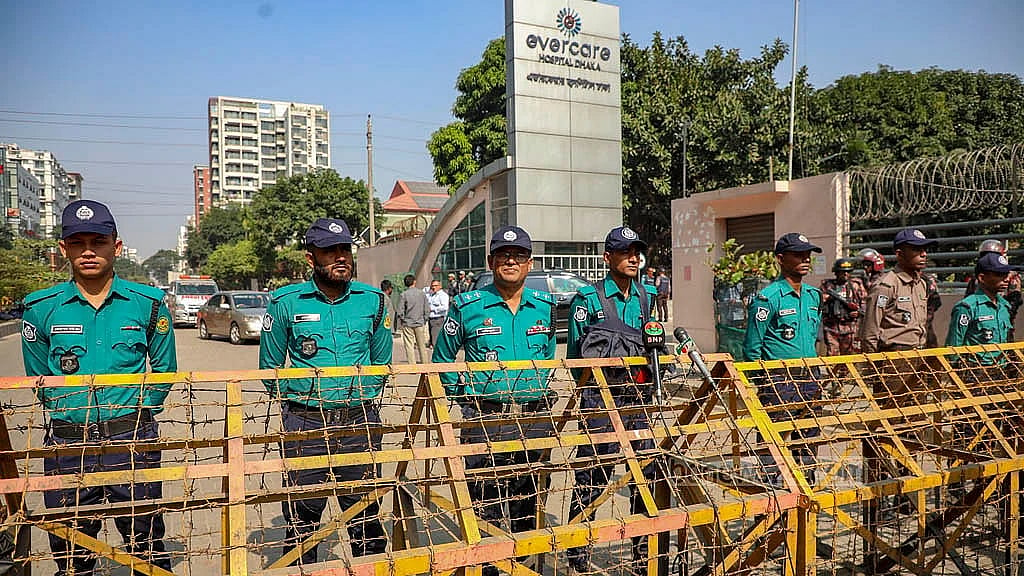
Mozammel also pointed to public uncertainty over helicopter drills adjacent to Khaleda’s hospital.
“They say Khaleda is critically ill, so she will be flown from the hospital to the airport by helicopter. But why conduct drills? Perhaps to prepare for Tarique’s eventual arrival, ensure he is transported directly from the airport. We do not know for certain; neither does the government.”
Commenting on public sentiment, Mozammel said the people want peace for Khaleda and her family. “But politics is preventing it. Politics has created these complexities.”
On whether the BNP could have better managed rumours regarding Khaleda’s health, Mozammel looked to history.
“The BNP is facing multiple crises. Their chairperson is gravely ill. The acting chairman is uncertain about his own movements. Over the past 40 years, BNP has never navigated such complex situations well.
He said, in 1994’s Magura by-election, Mirpur elections, and in 1996 against the Awami League’s caretaker government movement, the BNP faltered repeatedly.
He added the BNP is “not an effective crisis manager”. Even now, despite political upheavals of July–August 2024, they have not displayed strong strategic leadership.”
“ELECTION MUST NOT BE INFLUENCED”
Although he recognises “deep scepticism” among the public over the elections, Mozammel argues that Khaleda’s illness or Tarique’s absence should not dictate the electoral process.
“The national election should not depend on whether Khaleda is healthy or Tarique can attend. That would be illogical. People are mortal. Her age and illness mean her death could occur at any time, but it has no bearing on the election,” he said.
Tarique’s attendance, Mozammel notes, is contingent on him and the BNP; they will bear the consequences. “There is no reason for the national election to hinge on his presence.”
WHAT IF ELECTIONS DO NOT OCCUR?
BNP leaders have warned that cancelling or postponing the February elections would spell disaster. Mozammel largely agrees.
“If elections do not occur, national crises will intensify. Instability will grow.”
Despite public expectations that the interim government would oversee administration, elections, and law enforcement, Mozammel notes that the government has itself taken initiative on several complex tasks under the banner of reform, including foreign policy, port leasing, and corridor management.
He added that fear of "mobs" has left law-abiding citizens feeling unsafe. On economic performance, citing the World Bank, he said reserves alone are not the measure.
“Total national output, employment, investment, and commerce are all indicators of poor performance.”
On potential delays, he said: “If elections are not held in February, then after Eid, or after Qurbani, we face at least a six- to seven-month setback. This uncertainty will cause great harm -- chaos, instability, and public despair. This is unacceptable.”
While the BNP’s election activities have slowed due to Khaleda’s illness, the party has announced candidates for 36 constituencies, attempting to re-enter the field.
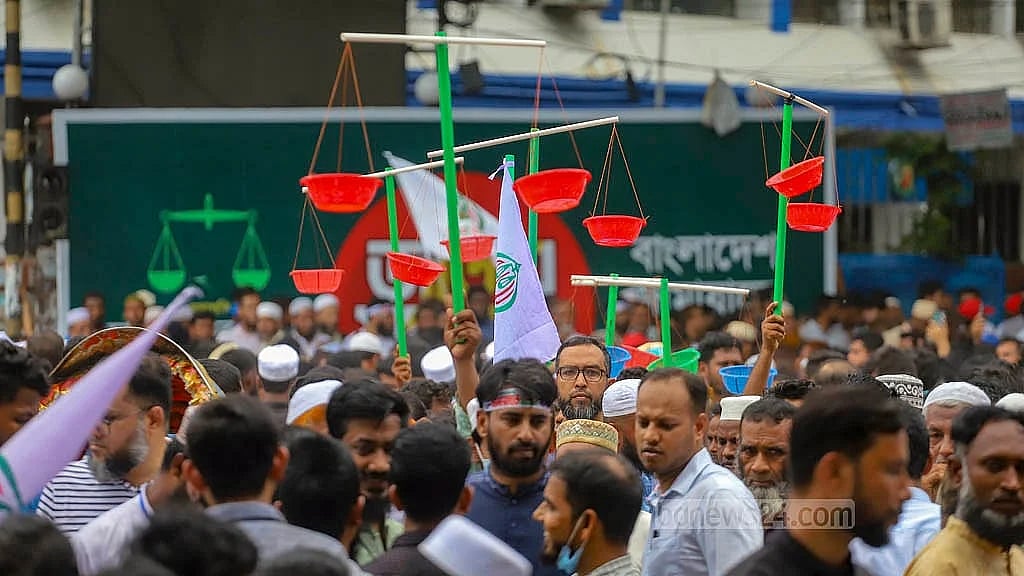
By contrast, Jamaat has aggressively campaigned.
“They held divisional meetings, speeches with audacious rhetoric: ‘We can stop the sun,’ ‘The police officer must report to us first thing in the morning.’ This is before gaining power. They believe the BNP is in a hole, and they are advancing rapidly,” Mozammel said.
JAMAAT’S ASPIRATIONS
Jamaat’s leaders have spoken openly about their role in the July Uprising and victories in four university student council elections. They envision a result in the national election, yet Mozammel regards government formation by Jamaat as implausible.
“They have never won an election nationally. Their votes have maxed at 4–12 percent. Their hype is bigger than their electoral weight because they are highly organised. At least 75–80 percent of cadres attend any given programme,” he said.
Mozammel observes that the BNP’s crises and Jamaat’s gains could produce a result in which both parties must seek smaller allies to form a government.
Even though the Awami League was removed through the Uprising, a “significant portion” of voters remain loyal. Hence, an election without the party “may not appear participatory or legitimate” domestically or internationally.
He said allowing elections under a different Awami League leadership could yield “different” results.
Mozammel predicts: “One of BNP or Awami League may get more votes; Jamaat is unlikely to be number one. That is my rough estimate.”
The BNP, despite being a major party, has failed to consolidate its political strategy. “They are involved in the Liberation War and religion. Yes, they support removing secularism from the constitution, yet also use religion to criticise Jamaat. The BNP’s core base is precarious.”
WHY IS YUNUS IN SUCH A RUSH?
The proposal to hand over port container terminal operations to foreigners had been under Awami League consideration, but Mozammel sees a hasty approach by the interim government.
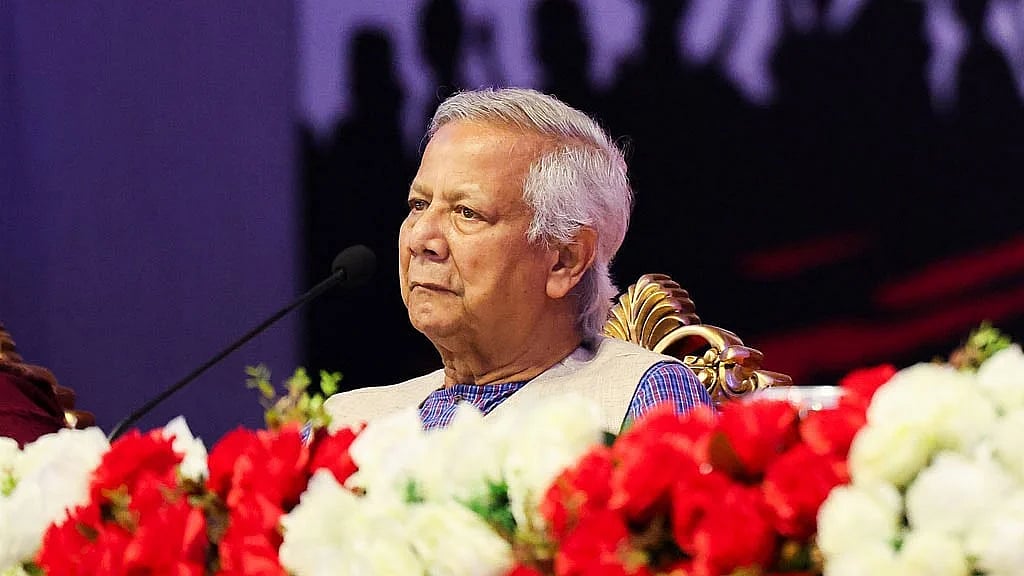
“The Awami League was slow… What is unusual now is Yunus’s urgency,” he said.
He criticised the BNP and Jamaat’s silence as a strategic weakness: “They could have demanded transparency and informed the public. They did not. Political parties should be more straightforward.”
MINUS TWO, MINUS FOUR
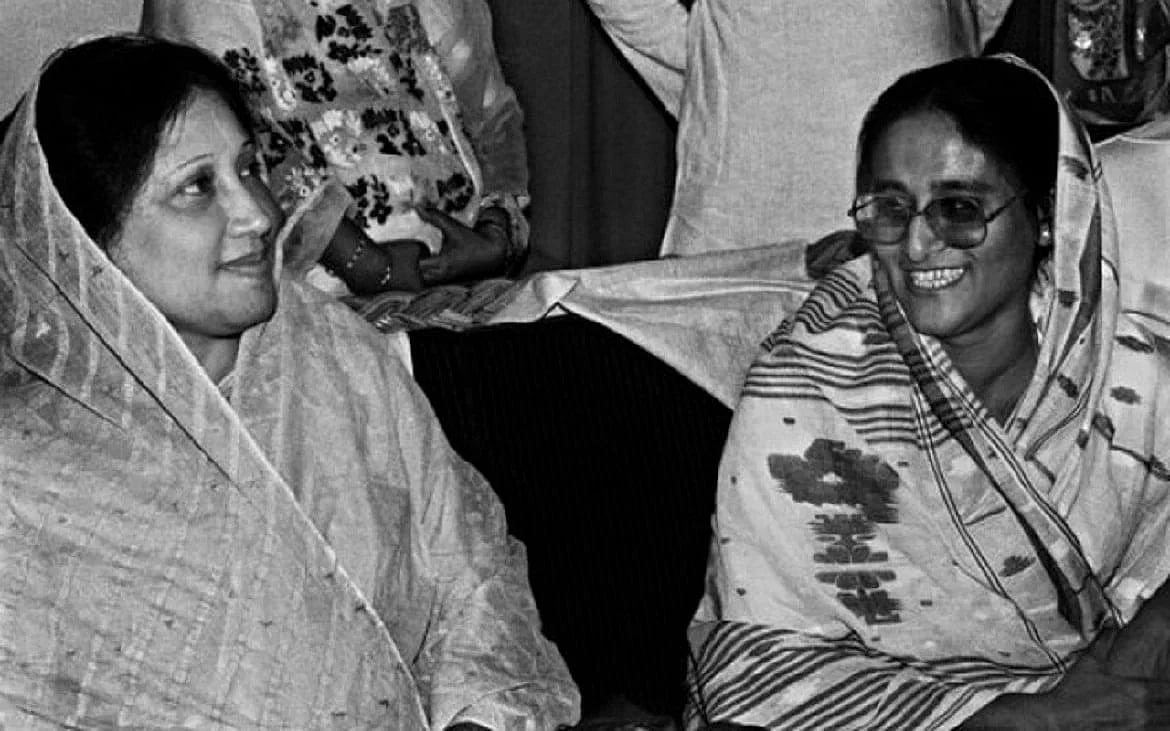
Discussion continues over whether the “Minus Two” formula, aimed at sidelining the two leaders from Bangladesh’s politics, has now evolved into a “Minus Four.”
Sharing his observations on the matter, Mozammel said: “I believe the Minus Two concept was not baseless; it had a foundation, which was shaped by certain foreign powers -- powers that were not particularly sympathetic to the Liberation War.
“Within the country, some apolitical yet influential circles -- whether in the military, among intellectuals, or within the bureaucracy harboured a dominant mindset: ‘Whether the people vote is another matter; we will first decide the pluses and minuses ourselves’. …Thus, I would say that the Minus Two idea indeed had a foundation.”
Regarding Minus Four, he highlighted the second-generation leadership’s lack of domestic political engagement.
“They have been abroad for 17 years, expect red carpets as prime minister, and avoid grassroots politics. This backwardness is regrettable for the nation.”
RATIONALE OF POLITICS
Mozammel strongly criticised the removal of secularism from the Constitution.
“Without secularism, Bangladesh has no rationale. We could have stayed in Pakistan. Secularism and democracy are the foundation of our nation. With secularism gone, the left is weak, the Awami League absent, and the right-wing BNP dominates.
“Religious parties cannot resolve this -- they issue contradictory positions, from women’s work limits to Shariah law to Hindu nominations. Religion is secondary; political manoeuvring is primary,” he said.