Published : 27 Jul 2026, 06:54 AM
Updated : 08 Sep 2026, 09:28 AM


Bangladesh Bank has warned a parliamentary committee that surging bad loans have left many banks short of capital and loan-loss provisions, undermining financial stability.
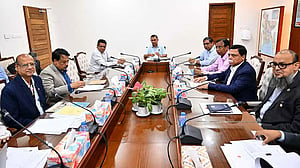
The observations were presented by Bangladesh Bank’s Monetary Policy Department at the first meeting of the committee at the parliament on Sunday.
The central bank also identified uncertainty over fuel supplies, sluggish investment and low demand for credit in the private sector as key domestic challenges to the economy.
According to a copy of the presentation obtained by bdnews24.com, years of rising defaulted loans have created capital and provisioning shortfalls across many banks.
To tackle the crisis, the central bank said it has begun implementing the Bank Resolution and Deposit Protection Act, alongside a special exit policy for distressed borrowers and plans to enact a Distressed Asset Management Act.
The central bank's Financial Stability Report 2025 estimates distressed loans at nearly Tk 11 trillion, or 59.73 percent of total outstanding loans. Defaulted loans have climbed to Tk 5.88 trillion, rising sharply since December.
Bangladesh Bank aims to keep inflation at 7.5 percent while supporting 6.5 percent GDP growth in the first half of the 2026-27 fiscal year.
It has kept the policy repo rate unchanged at 10 percent, saying high interest rates alone cannot curb inflation because supply-side constraints persist.
To boost production, it has launched a Tk 600 billion stimulus package for agriculture, cottage industries, micro, small and medium enterprises, and export-oriented industries.
Of the total, Tk 410 billion will come from banks' excess liquidity and Tk 190 billion from the central bank.
Committee member Saiful Alam said lawmakers proposed reducing the policy rate to a single digit, reviewing it every six months and ensuring strict oversight of the stimulus package. They also urged transparent recovery of bad loans and tougher regulation of Islamic banks.