Home
+
Published : 07 Jun 2026, 01:49 AM
Key Takeaways
Ambitious Fiscal Blueprint: The BNP government has approved a Tk 3 trillion ADP for the 2026-27 fiscal year, marking a 50 percent increase over the current year's revised budget.
Shift to Human Capital: The administration is pivoting away from the mega-infrastructure projects of the previous Awami League regime, prioritising human resource development across five primary sectors: transport, education, health, energy, and housing.
Funding and Debt Concerns: Historically, up to 35 percent of Bangladesh's revised ADP is financed through loans. Experts warn that expanding the budget during an economic crisis risks overloading the state with fresh debt.
Severe Implementation Backlog: Ongoing administrative reshuffles following the July Uprising have crippled project execution, with only 41.41 percent of the current fiscal year's ADP implemented in its first 10 months.
Call for Structural Accountability: Economic experts from the CPD and the World Bank warn that without tackling deep-seated bureaucratic inefficiencies, systemic corruption, and poor welfare management, the record-high allocations will result in public waste rather than economic growth.
The Bangladesh Nationalist Party (BNP), taking the reins of state governance after two decades out of power, is preparing to deliver its first national budget.
The upcoming development blueprint places five key sectors at the forefront of its agenda.
However, serious doubts over the implementation of this plan have been raised not only by independent economic researchers but also by the government's own finance minister.
On May 18, the administration led by Tarique Rahman approved an Annual Development Programme (ADP) worth Tk 3 trillion for the upcoming 2026-27 financial year -- a figure analysts have termed "ambitious" given the country's current implementation capacity.
The development plan outlines a 50 percent increase in allocations compared with the revised ADP of the current financial year, prioritising transport and communication, education, health, energy, alongside housing and community facilities.
The Tarique-led government is scheduled to present the national budget on Jun 11, with widespread speculation that its total size could exceed Tk 9 trillion.
The budget formulation and planning processes are being spearheaded by Finance and Planning Minister Amir Khosru Mahmud Chowdhury, who previously managed the commerce ministry during the past BNP government.
Expressing frustration over the bureaucratic hurdles facing the implementation of these development projects, the minister said: "Given the current state of the bureaucracy and the mindset of our people, it is quite regrettable.
“How exactly are we going to execute these projects?"
The shift indicates a strategic pivot by the BNP administration away from the large-scale infrastructure projects favoured during the Awami League era, moving instead towards human resource development.
Nevertheless, critical questions persist over how a development programme that has expanded by 50 percent in a single fiscal year will be financed.
Concerns also remain over whether the administration can successfully prevent the wastage of public money and curb systemic corruption.
During the first ten months of the current fiscal year, development spending relied heavily on diverse funding sources: Tk 325.80 billion was sourced via foreign loans, Tk 489.01 billion came from government funds, and Tk 50.35 billion was provided through the organisations' self-financing.
An analysis of ADP allocations reveals that between 30 percent and 35 percent of the revised ADP budget is typically structured around loan financing.
Consequently, debates are surfacing whether this strategy will burden the economy with fresh debt, intensifying existing financial pressures.
Fahmida Khatun, executive director of the Centre for Policy Dialogue (CPD), warned that merely increasing allocations to deliver a promise-heavy budget without establishing accountability will only lead to greater waste and corruption.
"Unless a robust system of accountability is established, these allocations will yield very little benefit. Higher funding in such an environment will simply result in systemic waste and corruption," she said.
Zahid Hussain, former chief economist at the World Bank's Dhaka office, expressed concerns over the actual availability of funds required to realise the government's development plans.
"The core question is whether a budget of this magnitude is truly implementable. Will the required funds be available?
“If the financing cannot be secured, the promises reflected in the budget will fail to materialise on the ground," he noted.
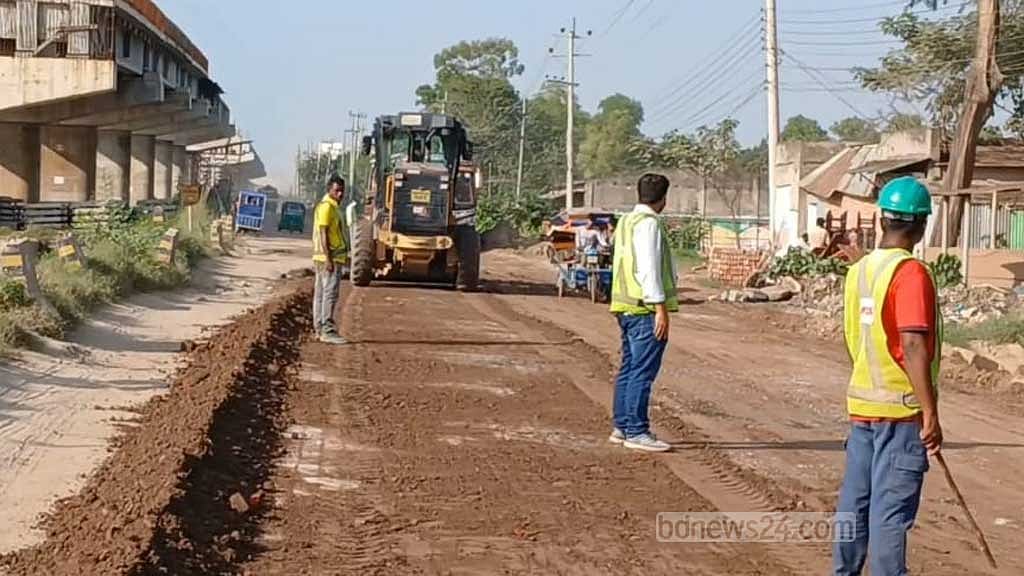
ADP Aligned With Five Pillars of Election Manifesto
Following the Awami League government’s fall during the mass uprising on Aug 5, 2024, Muhammad Yunus-led interim government took charge of the country.
Development activities, however, faced a two-year stagnation due to political instability, the absence of contractors and project directors, and the cautious approach adopted by the interim administration.
Having secured an absolute majority in the Feb 12 election to form the government, the BNP now faces the formidable challenge of revitalising the economy.
Tarique’s government, however, is designing its development plans in alignment with the five pillars outlined in the party's election manifesto.
Officials from the Planning Commission noted that state reform, socio-economic development, economic reconstruction, regional balance, and socio-cultural cohesion are being prioritised in an integrated manner.
To support this, the government plans to expand judicial and legal services, modernise the court system, enhance the capacity of law-enforcing agencies involved in the judicial process, and digitise administrative operations.
Moreover, preferential allocations have been designated for education, health, and agriculture to foster socio-economic growth.
Despite lingering questions over execution capacity, the government has moved forward with the Tk 3 trillion ADP for the 2026-27 fiscal year, placing major emphasis on education and health.
An analysis of the top five sectors receiving funding in this human-resource-focused ADP shows that transport and communication have secured the highest allocation, at Tk 500.92 billion.
The education sector represents the second-highest priority, receiving 15.86 percent of the total allocation, equivalent to Tk 457.91 billion.
The health sector has been designated as the third-highest priority, receiving 11.84 percent or Tk 355.35 billion.
This marks a near-doubling of health expenditure compared with the Tk 181.48 billion allocated in the current fiscal year.
With subsidies for energy and power continuing to rise amidst volatile international fuel prices and supply crises, the energy sector has received the fourth-highest allocation at Tk 326.91 billion.
Housing and community facilities make up the fifth-highest priority, with an allocation of Tk 203.61 billion.
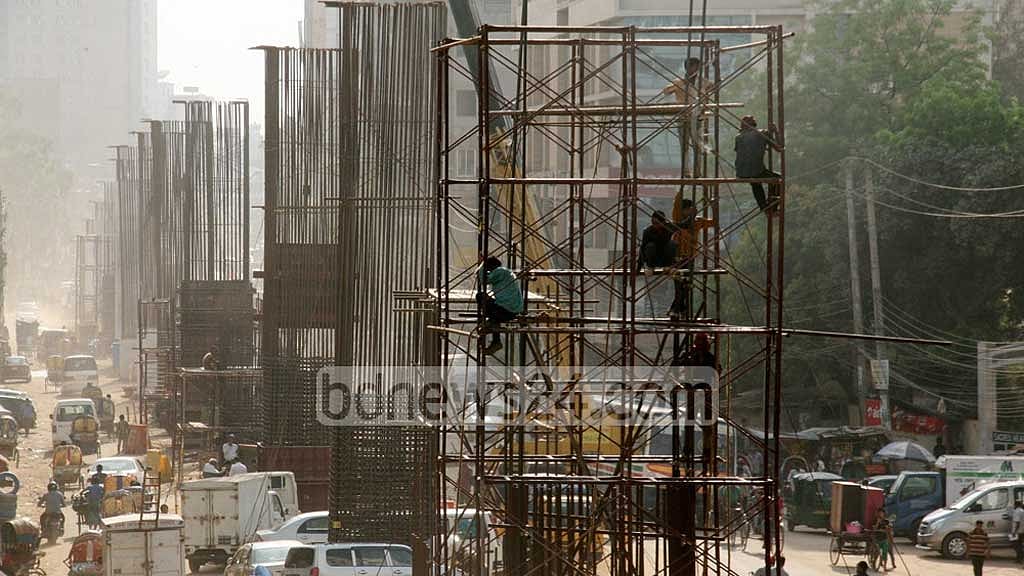
Although the government is avoiding new mega-projects, funding for infrastructure remains substantial.
A major portion of the 16.70 percent allocated to transport and communication and the 10.90 percent assigned to energy will fund infrastructure development.
A Planning Commission official told bdnews24.com, "Efforts have been initiated to expedite economic growth through national and regional infrastructure development, the expansion of rail and river connectivity, the installation of power plants, gas exploration, and the establishment of industrial parks and economic zones."
"Consequently, transport, communication, and energy sectors account for approximately 27.50 percent of the total budget."
This means that roughly Tk 825 billion will be spent on projects directly linked to infrastructure.
Additionally, a block allocation of Tk 170 billion has been set aside for social development assistance to meet specific needs.
This includes Tk 145 billion for the implementation of Family Cards, Tk 14 billion for Farmer Cards, and Tk 11 billion earmarked for honorariums for staff working at mosques and other places of worship.
Bangladesh's development spending has historically faced criticism for failing to meet international benchmarks in education and health allocations, alongside persistent issues with spending inefficiency and corruption.
Following the approval of the new ADP at a National Economic Council (NEC) meeting chaired by Tarique, the finance minister addressed journalists.
He said: "Health, education, leveraging our demographic dividend, and generating employment for the youth are all interconnected.
"If we do not allocate funds here, how can we deliver on our commitment to universal healthcare, primary medical services, and broader health initiatives? You have to fund these goals to achieve them."
Referring to education, he added: "The same applies to education. We are broadening its scope with a heavy focus on skill development. A significant number of specialised institutions will be established."
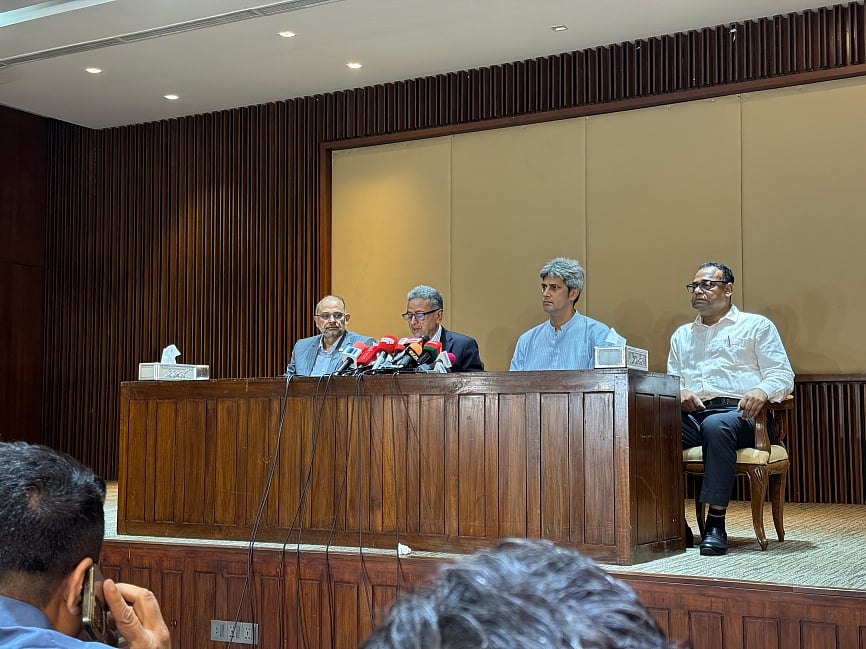
Two Fiscal Years of ‘Zero Growth’
Following the ouster of the Awami League government, progress on development projects ground to a near-halt.
Fieldwork stalled across different sites as numerous contractors and project directors became unreachable.
Faced with this crisis, the interim government adopted a policy of cutting back projects and reforming the budget, causing a period of stagnation in the development sector.
Amidst a sluggish pace of project execution and fears of a revenue shortfall exceeding Tk 1 trillion, the interim administration tightened its fiscal policy mid-year.
This resulted in significant cuts to the current fiscal year's original ADP of Tk 2.30 trillion, which was trimmed down to a revised budget of Tk 2 trillion in January.
The deepest cuts hit the health and education sectors. The healthcare allocation was slashed by 73 percent, while funding for secondary and higher education was reduced by 55 percent.
Although the BNP government had nearly four months to influence the current fiscal year before announcing its new budget, it was unable to breathe new life into ongoing development activities.
The government has since announced plans to scrap multiple projects initiated by the previous Awami League government.
Speaking at a budget seminar on Jun 2, the finance minister hinted at this shift.
He said, "We inherited 1,300 projects from the previous administration, many of which do not meet our criteria.
"We will cancel a significant number of them. For those where substantial expenditure has already occurred, we are attempting to repurpose them to secure the best possible return on investment."
Outlining the criteria for project selection, he added: "We have instituted four strict benchmarks for every single project.
“First is value for money -- the funds spent must deliver tangible value. Second is the return on investment -- we must calculate the exact economic return."
"Third is job creation, and fourth is environmental consideration."
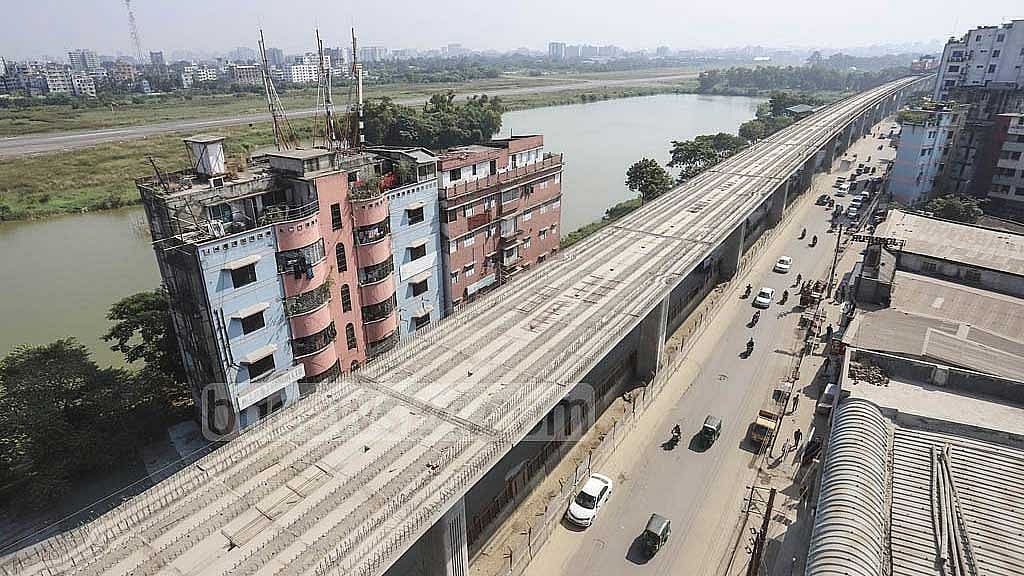
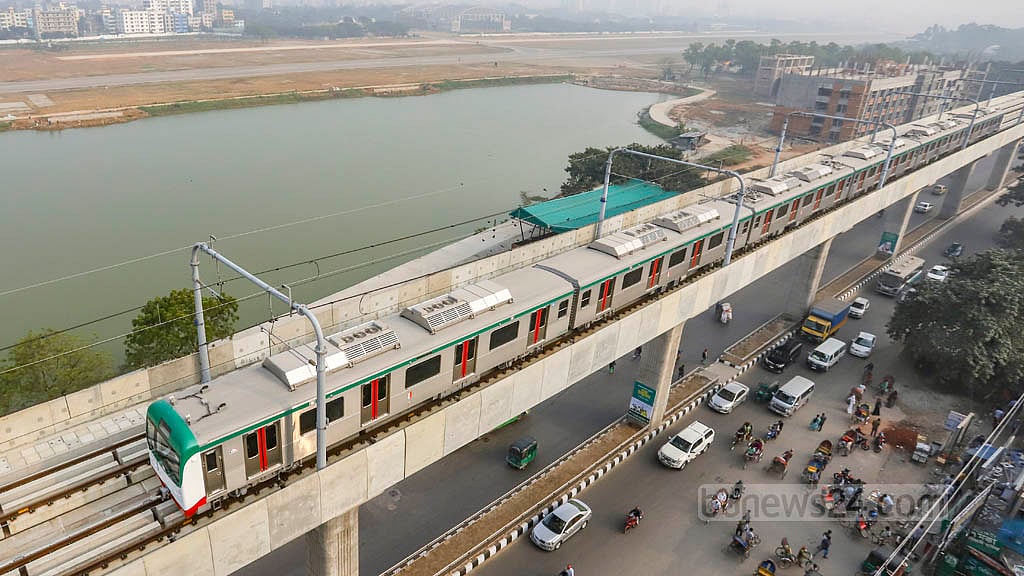
Despite the widespread cuts to inherited projects, the government has maintained an allocation of Tk 131.58 billion across three metro rail projects in the ADP.
This includes Tk 73.50 billion for the MRT-5, Tk 39.09 billion for MRT-1, and Tk 18.99 billion for the operational MRT-6.
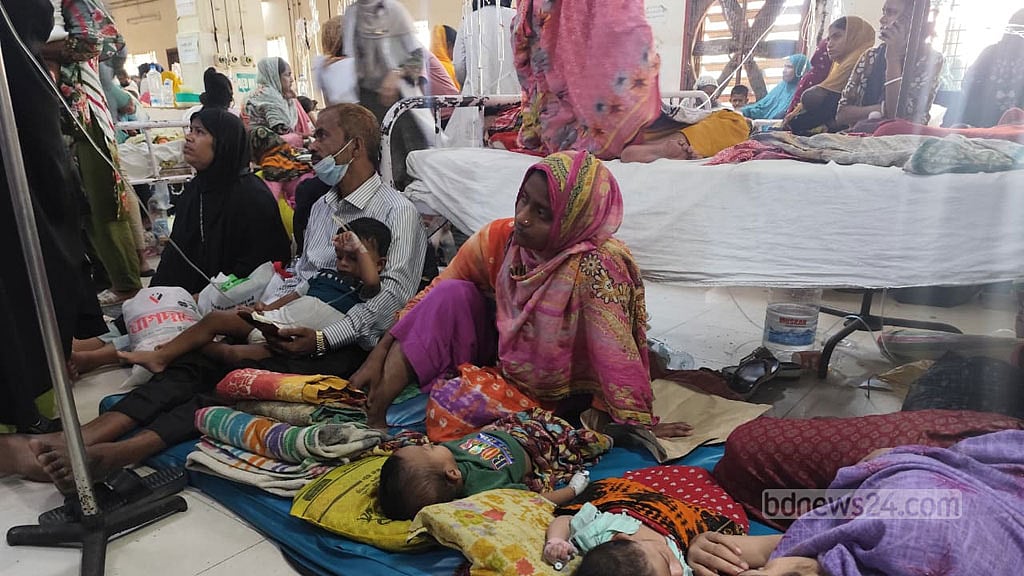
Current Status of ADP
The disruption to ADP implementation following the July Uprising continues to impact performance.
In the first 10 months of the current 2025-26 financial year (July–April), only 41.41 percent of the ADP has been executed.
Data shows that Tk 865.16 billion was spent up to April of this fiscal year.
Consequently, the government must spend Tk 1.22 trillion in the remaining two months (May and June) just to hit its revised targets.
During the same July–April period of the 2024-25 fiscal year, expenditure stood at Tk 934.25 billion, representing an execution rate of 41.31 percent.
This indicates that spending in the current fiscal year is Tk 69.09 billion lower than the figures recorded during the identical period in the previous year.
An analysis by the Implementation Monitoring and Evaluation Division (IMED) confirms that the slowdown in project execution, triggered by a deteriorating law and order situation and administrative reshuffles after the July Uprising, shows no signs of abating.
During the July–April period, the 15 ministries and departments receiving the highest funding recorded an average implementation rate of 50.76 percent.
These specific sectors had been allocated 70.97 percent of the total Tk 2.09 trillion ADP budget for this fiscal year.
‘An indicator of Enhanced Government Capacity’
While critics have labelled the massive scale of the new ADP as “unrealistic”, the administration views it as proof of its expanding capabilities.
Finance and Planning Minister Amir Khosru said, “This annual development proposal assumes that an elected government possesses significantly greater capability.
"Efficiency will be much higher, and our execution capacity will expand accordingly."
Addressing implementation concerns, he added: "Whether this will be successfully executed remains to be seen. But we have no choice but to implement it; otherwise, how will we achieve our targets for economic growth, employment, exports, and industrial production? These factors are entirely interdependent."
At the budget seminar, Amir Khosru also identified key bottlenecks to execution, explicitly pointing to administrative inefficiencies.
"People say large budgets fail to get implemented. That is entirely correct. They don't get implemented because systems fail. We are currently identifying exactly who is responsible, why it happens, and where the obstructions lie."
Focus Shifts to Accountability, Efficiency
Economic researchers argue that merely boosting budget allocations will not guarantee positive outcomes without an overhaul of administrative management.
CPD’s Fahmida emphasised that the government needs to focus on two distinct areas: the actual disbursement of funds, and ensuring quality spending to yield visible benefits from projects.
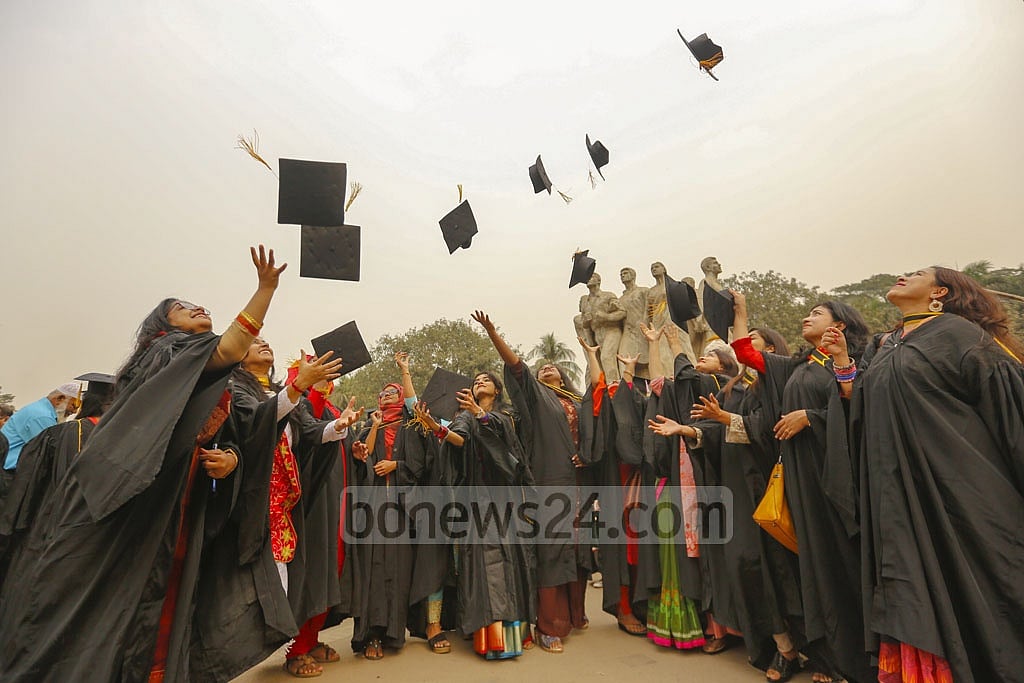
Commenting on the government's focus on education, health, and social sectors, she said: "We frequently complain that our budgetary allocations for education, health, and social sectors are too low compared with peer nations.
“It is a long-standing grievance. However, we must remember that simply pouring more money into a sector does not automatically guarantee a better standard of education.
"Nor does it automatically translate to superior healthcare. Global and domestic studies confirm that funding levels and quality of service do not always align."
The researcher noted that while higher allocations allow governments to signal that they are focusing on social infrastructure over basic physical roads, the critical follow-up work is often neglected.
Highlighting the need for accountability in tracking project progress, Fahmida added: "Without an effective accountability system, these increased allocations will achieve very little. Higher funding will simply end up being wasted or lost to corruption."
Former World Bank official Zahid said that by rolling out an expanded budget and ADP, the administration is trying to send a clear message that it is fulfilling its electoral promises.
He, however, strongly urged the government to improve project management systems.
Pointing out that several ministries currently run over a hundred separate welfare programmes for the poor and vulnerable, Zahid noted: "When we evaluate their performance, we find that the aid often fails to reach the intended beneficiaries."
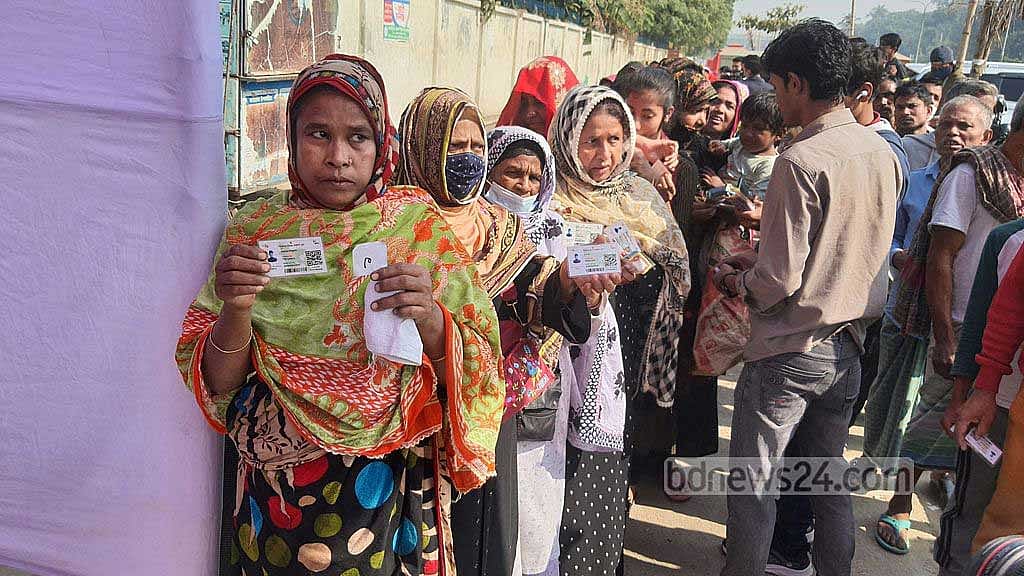
Explaining the root cause, he concluded: "Severe management inefficiencies mean that it often costs one and a half Taka just to deliver one Taka of aid.
“We cannot simply assume that these new initiatives will be magically free of those same systemic flaws."