Published : 21 Mar 2026, 06:25 PM
Updated : 28 Aug 2026, 01:33 AM


Although the ongoing war in the Middle East has yet to leave a mark on Bangladesh’s remittance inflows, questions are now being raised over how long that can continue.
Expatriates say that if the conflict drags on, it may become difficult to shield one of Bangladesh’s most important sources of foreign currency from the fallout.
For now, they are not worried about their jobs or salaries. Their concern lies more in the duration of the war and how far it may spread.
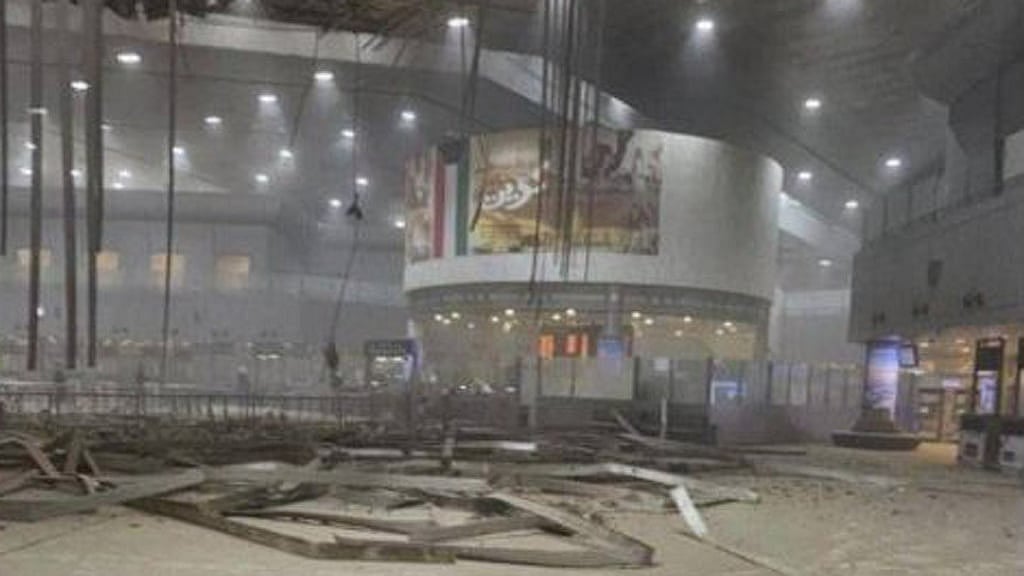
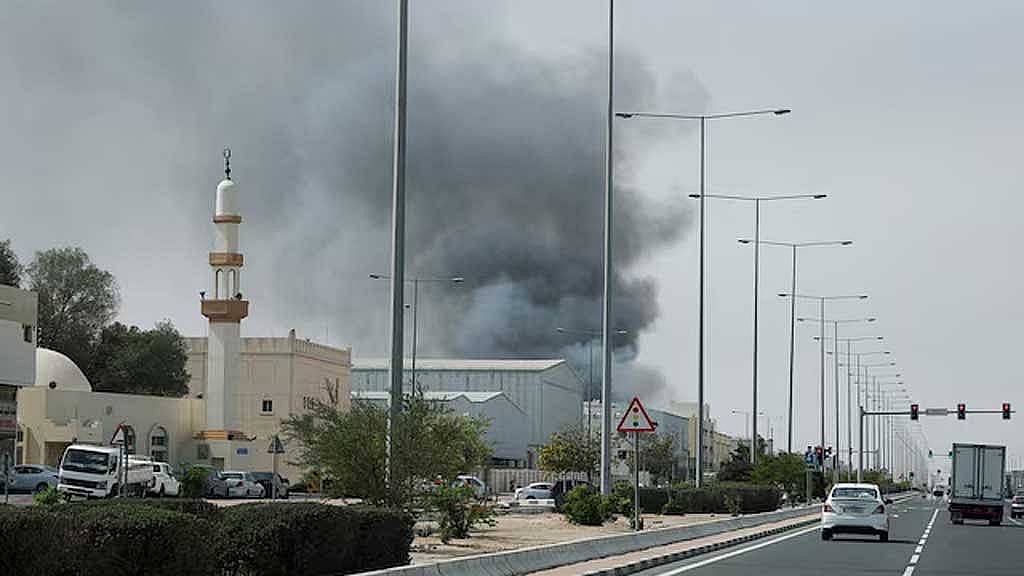
The conflict began on Feb 28 with attacks on Iran by the United States and Israel. In response, Iran launched retaliatory strikes not only on Israel but also on 10 to 12 other countries, including Saudi Arabia, the United Arab Emirates, Qatar, Kuwait and Oman.
Those attacks targeted US military bases and energy facilities in the region.
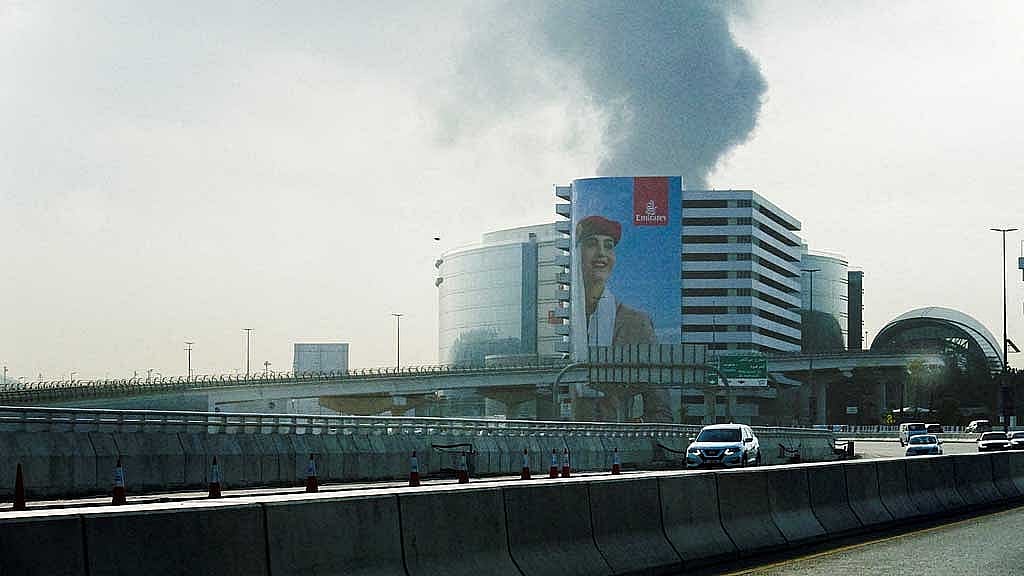
In the nearly three weeks of fighting, several expatriates have been killed in different Middle Eastern countries, most of them Indian and Bangladeshi nationals.
The war has also effectively disrupted key shipping routes such as the Strait of Hormuz, pushing up oil prices in many parts of the world, including Europe and North America.
Analysts say that if the war continues, it could trigger wider economic instability across the globe. Lower-income people may be hit hardest, particularly through inflation.
For Bangladesh, however, a prolonged conflict could mean more than just inflationary pressure. It could also threaten remittance inflows, more than 60 percent of which come from Middle Eastern countries.
Bangladesh Bank data suggests that despite the conflict nearing its third week, remittance inflows have so far shown no major impact.
In fact, by the third week of the month, remittance flows appeared to have increased.
During Ramadan and Eid last year, Bangladesh received a record amount of remittance in March, with inflows reaching $3.29 billion. The daily average stood at $106.3 million.
Central bank data shows Bangladesh received $2.53 billion in remittances in February 2025.
Of that, $334.9 million came from the United Arab Emirates, $328.8 million from Saudi Arabia, $141.1 million from Kuwait, $123.7 million from Oman, $100 million from Qatar, $56.2 million from Bahrain, $14.1 million from Jordan and $6 million from Iraq.
Together, these eight countries accounted for $1.11 billion, or 43.71 percent of the total.
Last month, remittances totalled $3.02 billion, up by $493.1 million, or 19.5 percent, from the same period a year earlier.
Compared with the previous year, remittance inflows in February rose from all eight countries, including Saudi Arabia, the UAE and Oman.
This year too, Ramadan and Eid have fallen across February and March, helping boost remittance inflows.
Bangladesh Bank spokesperson and Executive Director Arif Hossain Khan said remittances sent through banking channels in the first 14 days of March totalled $2.21 billion, compared with $1.63 billion in the same period last year.
That puts remittance growth so far this month at 35.7 percent.
In the 14 days before Eid, average daily remittance inflows stood at $157.5 million, up from $116 million in the same period last year.
Arif said Middle Eastern countries had contributed 62 percent of total remittances in March 2025, and that this year the increase was being driven largely by those countries as wel.
Bangladesh Bank data shows Saudi Arabia alone accounts for more than 16 percent of total remittances, the highest share from any single country.
Last month, remittances from Saudi Arabia stood at $491.1 million, or 16.25 percent of the total.
Mohammad Sumon, a Bangladeshi expatriate working at Saudi Aramco, which was temporarily shut after coming under attack, said: “Not all units at the plant have resumed operations yet. We have been told to stay carefully inside the factory compound."
“The company is checking on us around the clock. The government has also launched an app through which all alerts are being sent.”
Asked whether sending remittances had become difficult, he said: “We send money online through apps, so there has been no problem."
“It depends on how long the war lasts. As long as salaries are paid properly, there should not be any problem sending money home. The company has said there will be no issue and salaries will be paid on time.”
The UAE, Bangladesh’s third-largest single-country source of remittances and the second largest in the Middle East, sent $374.5 million, or 12.39 percent of the total.
Oman sent $178 million, accounting for 5.89 percent, while Kuwait contributed $148.1 million, or 4.9 percent.
Qatar sent $125.8 million, or 4.16 percent. Bahrain sent $50 million, or 1.66 percent, Jordan $15.9 million, or 0.52 percent, while Iraq contributed $3.7 million.
Together, these eight Middle Eastern countries sent $1.39 billion in remittances in February, accounting for 45.94 percent of total inflows for the month.
Shimu Dhali, a Bangladeshi expatriate living in Qatar, said: “The government has asked us to use an app that gives instant missile attack alerts. So far, there has been no problem in residential or public areas. People are still moving around, though there is some anxiety. The airport has not reopened yet."
“The government has declared it a crime to record and share videos of attacks. Anyone who shares such videos can be fined from several thousand to hundreds of thousands of Qatari riyals. Police are checking people’s phones on the streets to see what they have shared. If they find anything, they delete it.”
On sending remittances, Shimu said: “People’s movement is a little limited now. Some expatriates usually go to banks to send money, and they may wait until the situation normalises. But with Eid coming up, how will families manage without money being sent? There should not be any problem in sending money.”
Kabir Ahmed, a Bangladeshi expatriate living in the Kuwaiti city where the US embassy came under attack, said: “The targets are the American embassy and the surrounding areas — places where Americans stay. There is no problem in public places. Everything is normal. If there is any issue, the government sounds sirens.”