Published : 01 Feb 2026, 08:02 AM
Updated : 21 Aug 2026, 03:05 PM


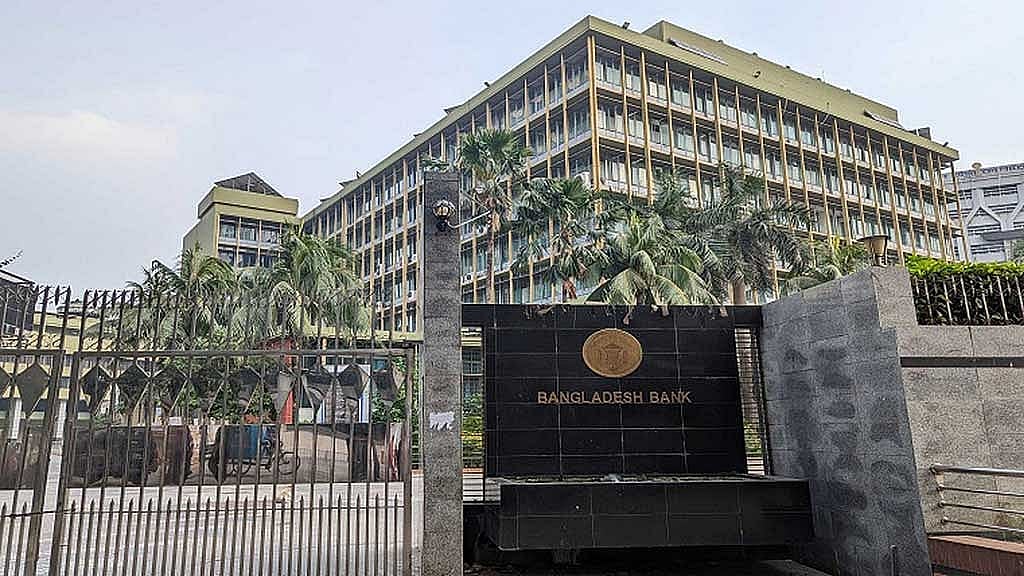
Bangladesh’s experiment with tight monetary policy -- raising borrowing costs to curb persistently high inflation -- has hit a pause marked by uncertainty.
The central bank had pledged to hold the line until inflation fell to 6 percent. Yet, after more than 18 months of tightening, price pressures remain resistant.
Inflation has persistently stayed above 8 percent, unsettling policymakers and prompting renewed scrutiny inside Bangladesh Bank over why the strategy is no longer delivering results.
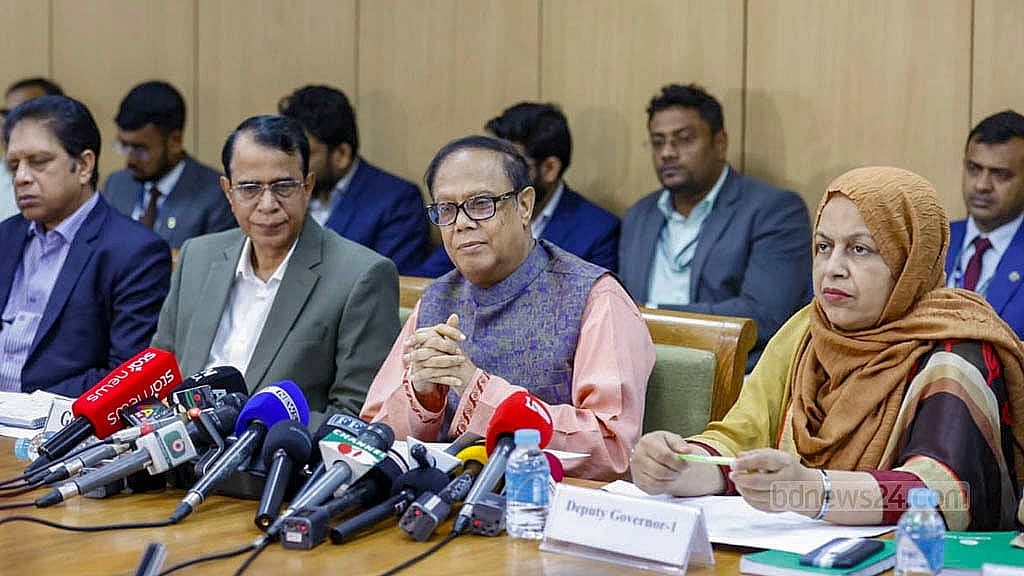
At its most recent board meeting, the central bank sought a detailed report on why inflation is not easing further -- a sign that conventional monetary tools may be colliding with deeper structural distortions.
Bangladesh Bank had been preparing to announce a new monetary policy for the second half of the fiscal year, planning to leave the policy rate unchanged at 10 percent.
The announcement was expected on Thursday. Ultimately, it was deferred.
According to media reports, objections from several board members -- who argued that high interest rates were no longer controlling inflation -- prompted a deeper review.
Economist Zahid Hussain believes the reliance on monetary policy alone is precisely why inflation control efforts have faltered.
To move to the next phase of inflation reduction, he argues, Bangladesh must strengthen market structures alongside monetary policy -- and act proactively by anticipating economic signals rather than reacting after prices rise.
Economics Professor Mohammed Helal Uddin also warns that maintaining high interest rates for an extended period threatens employment, investment, GDP growth, and wage gains.
FAMILIAR POLICY, REPEATED
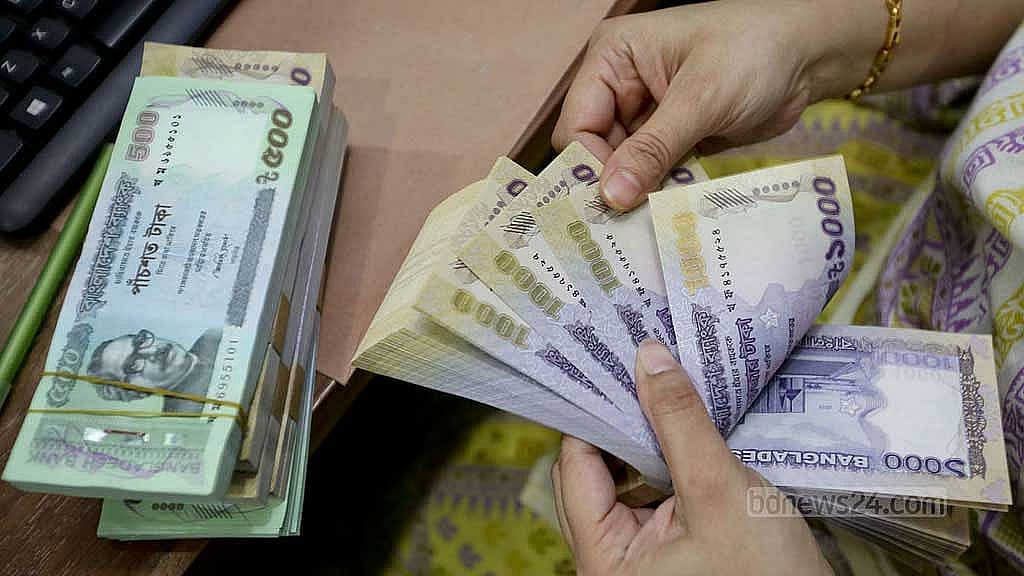
When the taka began depreciating sharply against the US dollar, inflation surged to 9.52 percent in September 2022, up from 7.56 percent a month earlier.
In response, Bangladesh Bank began raising the policy interest rate toward the end of 2022. Despite a series of measures, inflation reached a record high of 11.66 percent in July 2024.
That same month, a student movement swelled into a mass uprising demanding the government’s resignation. On Aug 5, the Awami League government fell.
After the interim government took charge, a fully contractionary monetary policy was implemented. Inflation eased to 10.49 percent in August 2024.
It continued to fall gradually, reaching 8.17 percent in October 2025. But the decline stalled. Inflation edged up for two consecutive months, climbing to 8.49 percent in December.
As part of its inflation-fighting strategy, Bangladesh Bank raised the policy repo rate step by step to 10 percent.
Under the latest monetary stance, the standing lending facility (SLF) rate was set at 11.5 percent, while the standing deposit facility (SDF) rate was fixed at 8 percent.
The International Monetary Fund (IMF) has advised Bangladesh not to lower policy rates until inflation falls below 7 percent.
In line with that guidance, the central bank plans to maintain rates for the next six months. Since late 2024, Bangladesh Bank has remained firmly in contractionary mode.
WHY ISN’T INFLATION FALLING FASTER?
Globally accepted economic theory suggests inflation is curbed by raising policy rates, making borrowing more expensive and reducing money flow in the economy.
As households and businesses scale back discretionary and non-essential spending, price pressures are expected to ease.
Bangladesh Bank has followed this playbook. Inflation has fallen from double digits, but over the past 18 months, it has not reached the target level.
The governor has declared that contractionary policy will continue until inflation drops to 6 percent.
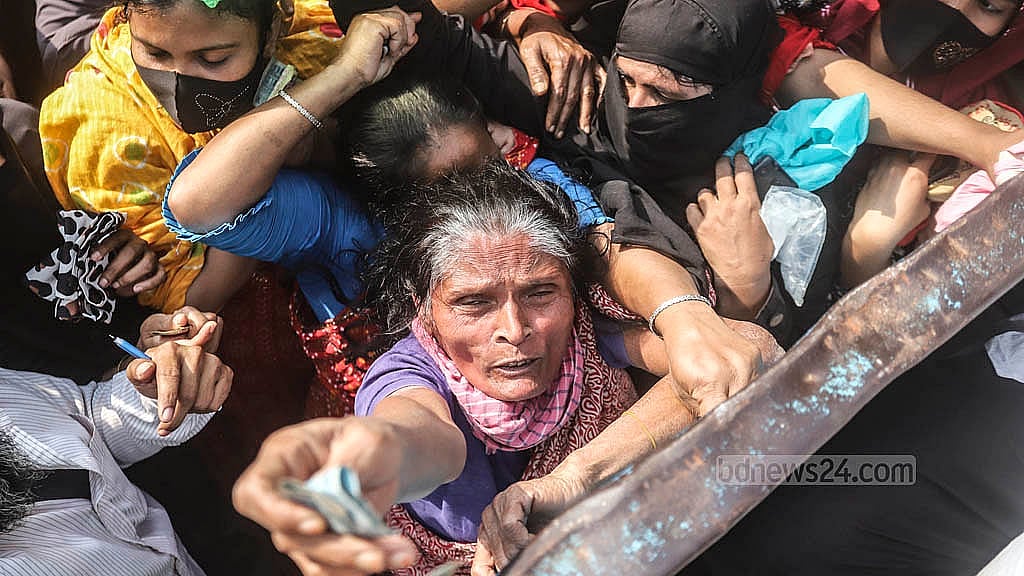
The cost has been evident: private-sector credit growth has slowed, and wage growth has diminished.
Analysts argue that economic theories deliver results only when underlying conditions are normal. Bangladesh’s economy, they say, has not been “normal” for at least a decade.
Dhaka University’s Prof Helal Uddin points to massive capital flight through the banking system -- an anomaly rarely seen elsewhere.
“That is why monetary policy alone cannot fully control inflation,” he told bdnews24.com.
He explained that inflation arises from two directions: supply-side shortages and sudden increases in demand.
“When supply falls for any reason, traders raise prices. And even the expectation that demand might rise can push prices up,” he said.
“Under normal circumstances, aggregate demand does not suddenly increase. Floods or natural disasters are exceptions. The core problem is supply -- and that is where close state monitoring is essential.”
Prof Helal noted that when the state closely monitors market structures and ensures balance between supply and demand, inflationary pressures ease.
“Prices of tilapia, carp, pangas, and eggs have remained stable for months. Egg prices rose, but fell back to Tk 110 per dozen because supply improved. When production is high, no one dares to raise prices.”
Yet he questioned why hilsa fish remains so expensive.
“There is no production cost for hilsa -- only harvesting costs. So why are prices so high? Is it under-caught or hoarded? The government must find out. If supply is abundant, prices cannot rise.”
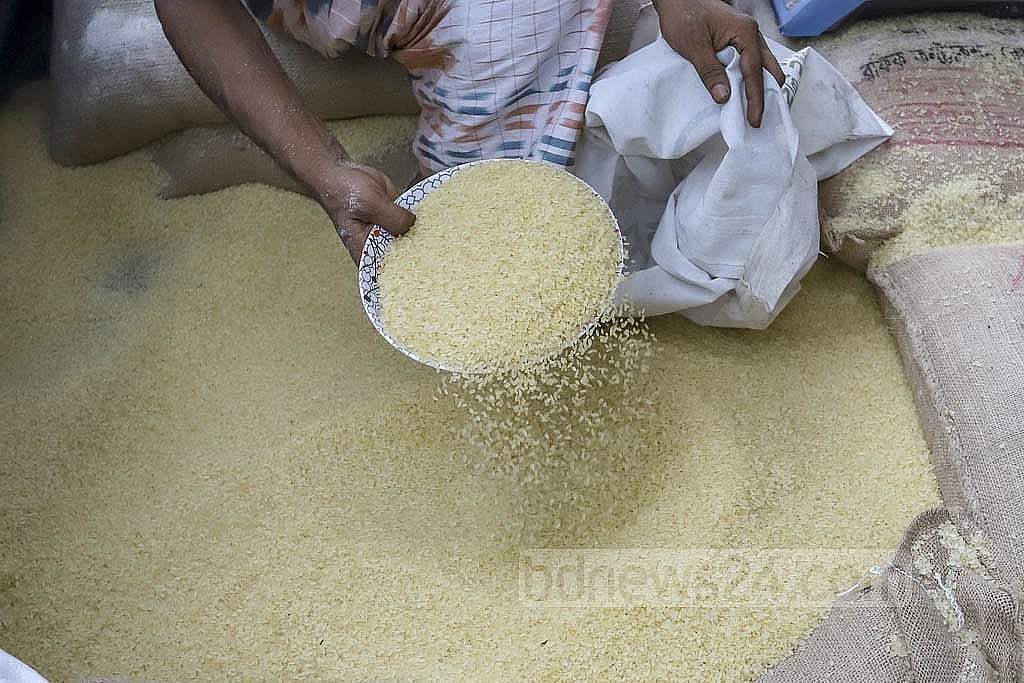
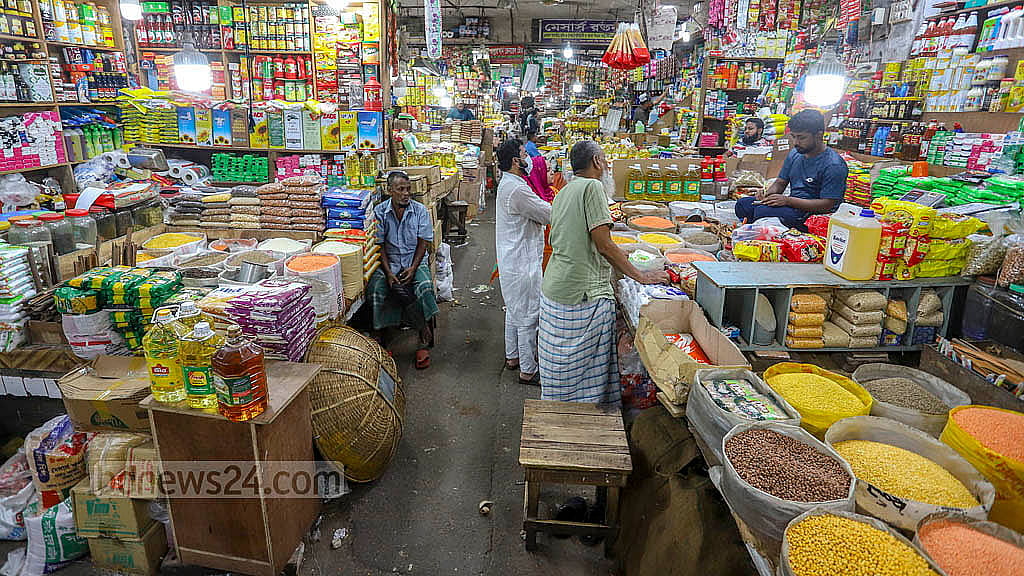
Food inflation remains Bangladesh’s most acute challenge. Prices of individual items spike unpredictably, affecting both domestic and imported goods.
Former World Bank lead economist Zahid recommends keeping import channels open at all times.
“If traders know or even suspect a shortage, prices will rise -- and that cannot be controlled,” he told bdnews24.com.
“In our country, action is taken only after problems emerge. Why? These steps could have been taken earlier. Once prices rise, it takes a long time for them to fall. Meanwhile, some profit unfairly.”
“To stop that, the government must act early and increase supply.”
PRICES RISE QUICKLY, FALL SLOWLY
As an import-dependent country, Bangladesh relies on foreign inputs even for domestic production, including fertilisers and pesticides. Fluctuations in the dollar exchange rate feed directly into inflation.
“I have observed that when the dollar rises by Tk 1, prices increase by at least 50 paisa,” Zahid said. “But when the dollar falls, or when duties are removed, prices drop by no more than 10 to 20 paisa.”
Once prices rise, they rarely return to original levels.
“This is where market structure fails,” he said. “Traders argue that their other costs have not fallen. Loan interest rates remain high. Extortion -- what economists call unofficial costs -- persists.”
“Retailers may see higher profits when inflation falls, but consumers do not benefit overall, because these extra costs remain.”
Zahid believes monetary policy can work -- if market structures are corrected and supply is ensured through early forecasting.
RISKS OF PROLONGED TIGHTENING
Alongside a liquidity crunch in the banking sector, a shortage of foreign currency left the former Awami League government struggling to settle import payments.
In 2022, Bangladesh signed a loan agreement with the IMF. In January 2023, it received the first tranche of a $5 billion programme.
Given the scale of capital flight over the past 10–15 years, Prof Helal says the crisis cannot be resolved in a year or two.
“For now, inflation must be managed with the tools available, as today’s situation did not arise overnight,” he said.
But he cautioned that prolonged contractionary policy would hurt employment and GDP growth.
“At some point, investment must increase. The economy must be allowed some breathing space. Otherwise, it will slip into stagnation.”
Private investment growth fell to 6.58 percent in November, down from 7.66 percent a year earlier.
Lower credit flow, Helal warned, would reduce production and suppress wages.
“When an elected government comes in, Bangladesh Bank may need to revise its monetary policy depending on new priorities.”
Zahid, however, warned against easing policy too early.
“If interest rates are reduced now, inflation could rise again and create new dangers,” he said. “That is why Bangladesh Bank is keeping rates unchanged for now.”
He also noted that loan demand in the market remains weak.
“Investment is not driven by interest rates alone. Environment, energy, electricity, and demand all matter.”
“Previously, lowering rates released much money. Compared with that period, credit growth is now lower because borrowers take only what they need.”
He believes current credit demand is aligned with market conditions.
“If there were real demand for money, the dollar price would have risen further. Instead, the exchange rate has stabilised. After the election, investment may pick up, and flows may increase.”
Former Bangladesh Institute of Development Studies director-general Mustafa K Mujeri argues that monetary policy can only succeed when the economy is fully operational.
“Investment is linked to political leadership,” he told bdnews24.com. “Political stability ensures policy continuity and timely intervention. Right now, the economy is in a special phase, governed by a special administration.”
“When political parties take charge, reform efforts will gain momentum. The economy will become fully active. As credit demand rises, interest rates will fall, and monetary policy will begin to work.”
Mujeri also stressed the need to strengthen market structures alongside inflation control.
Md Shahidul Islam Zahid, chairman of the Department of Banking and Insurance at Dhaka University, echoed the concern.
“Reducing demand alone does not deliver long-term benefits,” he said. “Bangladesh Bank has no alternative at the moment but to pursue a contractionary policy.”
“If there is no demand for loans, lowering interest rates will not help. Many borrowers did not invest in production even when credit was cheaper.”
“If a political government can restart the economic engine through consensus, structural mismatches in the economy will begin to resolve.”
Until the political and economic engines align, Bangladesh Bank’s tools alone may not be enough to tame inflation’s persistent rise.