Home
+
Published : 11 Jun 2026, 06:58 PM
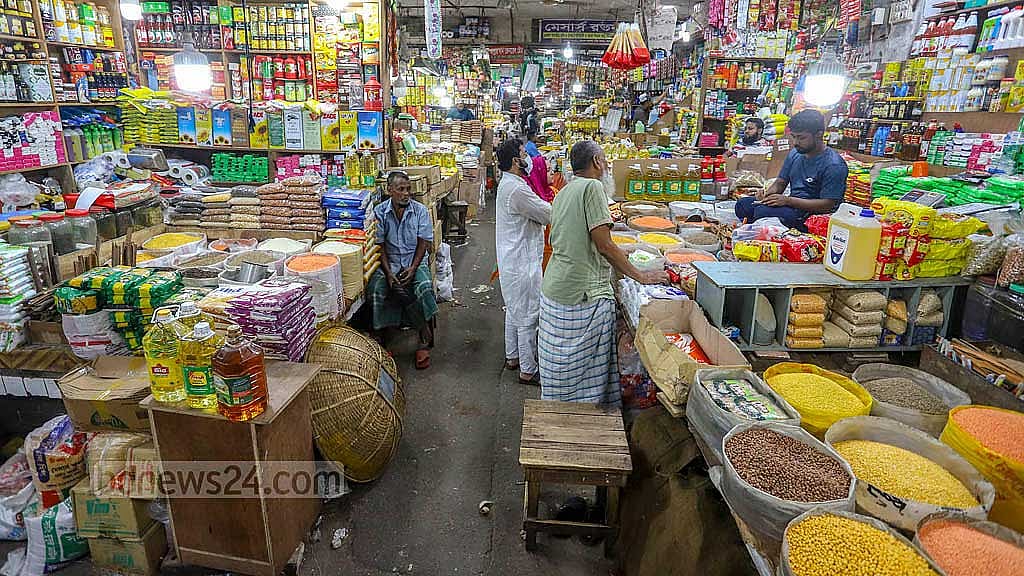
The government has moved to bring millions of retailers into the tax net as part of efforts to expand Bangladesh’s narrow tax base — a measure that could eventually affect prices of essential commodities.
The proposal comes at a time when households, particularly those on fixed and lower incomes, are already struggling with several years of elevated inflation.
Presenting the FY2026-27 budget on Thursday, Finance Minister Amir Khosru Mahmud Chowdhury proposed a 0.20 percent advance income tax on goods supplied to retailers.
“To broaden the tax base, I propose collecting 0.20 percent advance tax on the supply of goods to retailers,” he said in his budget speech.
“The amount is very small - only Tk 2 for every Tk 1,000 worth of goods supplied. Moreover, the advance tax collected will be adjusted against the taxpayer’s final tax liability.”
Under the proposal, manufacturers, importers, wholesalers and commission agents will deduct the tax when supplying goods to retailers.
The measure effectively shifts the responsibility for tax collection to upstream suppliers, as bringing millions of small retailers directly under tax administration is considered impractical.
If the tax is not collected, liability will fall on the manufacturers, importers, wholesalers or commission agents involved in the transaction.
However, analysts say many small retailers do not regularly file tax returns, raising concerns that the deducted tax may never be adjusted against their final liabilities.
Questions have also been raised about the level of tax literacy among marginal retailers and their ability to navigate compliance requirements.
The move forms part of the government’s broader effort to improve Bangladesh’s tax-to-GDP ratio, which has long been among the lowest in the region.