Published : 18 Sep 2026, 02:14 PM
Updated : 18 Sep 2026, 02:14 PM


Bangladesh’s LNG terminals are reportedly back near full capacity, but the wider gas shortage remains.
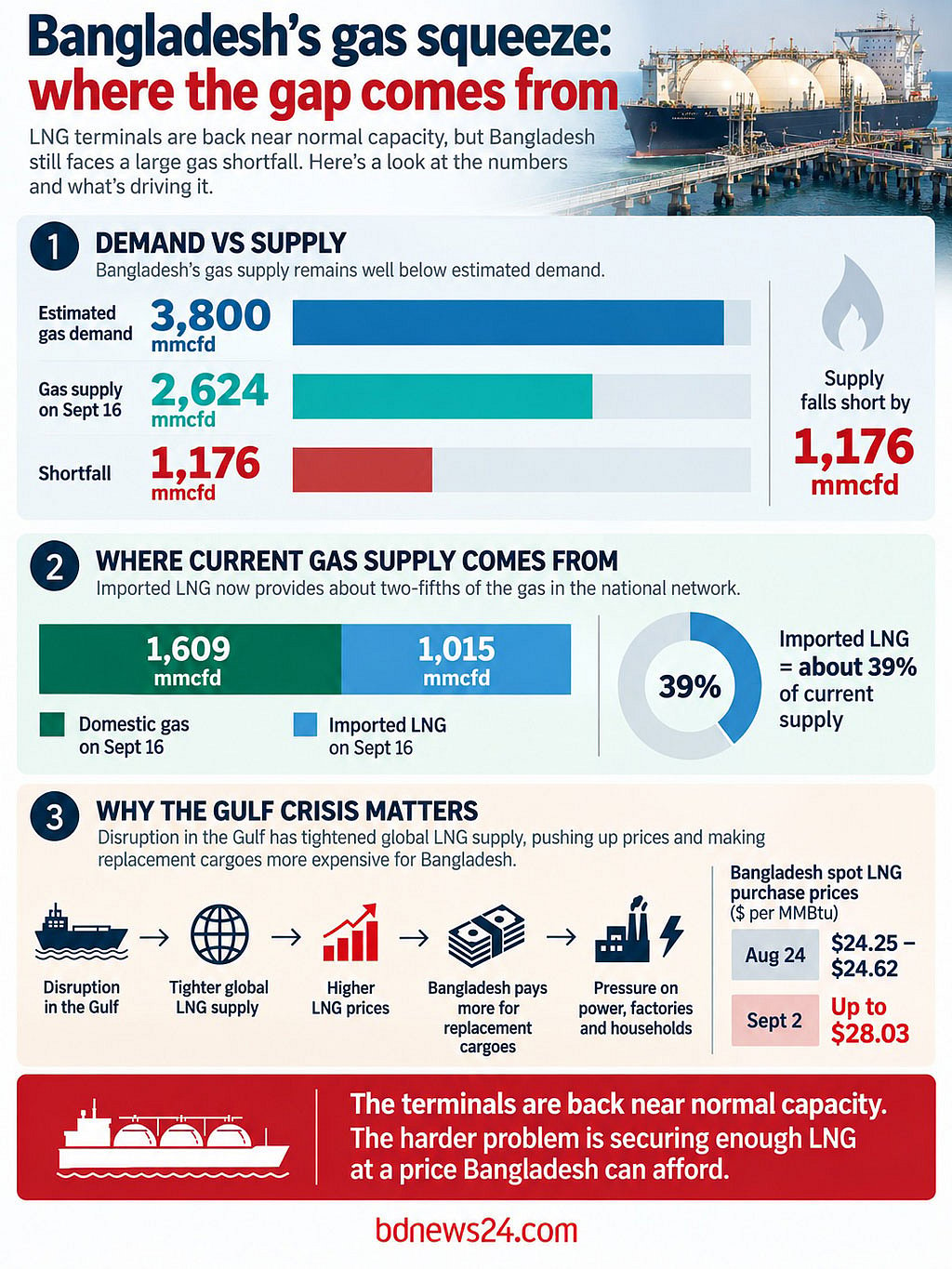
Gas supply from the two floating terminals off Moheshkhali recovered to 1,015 million cubic feet per day (mmcfd) this week, about 92 percent of their combined capacity. Yet total national supply stood at only 2,624mmcfd, against estimated demand of around 3,800mmcfd.
At the same time, the war in West Asia has disrupted LNG supplies and shipping through the Strait of Hormuz, pushing Asian spot prices from around $10 per million British thermal units (MMBtu) before the supply shock to nearly $30.
Bangladesh has increasingly relied on imported LNG as domestic gas production falls. The Gulf disruption has now made that gas both costlier and harder to secure.
So why is a conflict thousands of kilometres away squeezing Bangladesh’s energy system, why can’t the country simply buy LNG elsewhere, and what happens if the disruption drags on?
How is the Gulf Crisis Affecting Bangladesh?
Bangladesh imports LNG to make up for a widening gap between domestic gas production and demand.
The country currently receives about 1,600mmcfd from domestic fields and roughly 1,000mmcfd from imported LNG, meaning LNG now provides close to two-fifths of the gas entering the national network.
That makes disruption in the Gulf especially important.
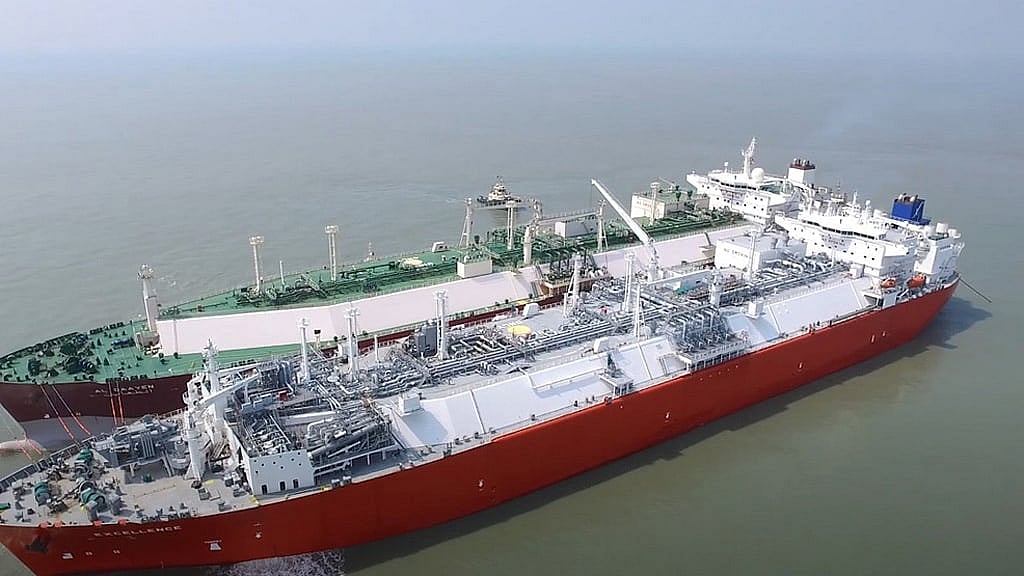
Qatar is one of the world’s largest LNG exporters and a major supplier to Bangladesh. It supplied Bangladesh with 4.15 million tonnes of LNG in 2025 under two long-term contracts, according to Petrobangla figures reported by Reuters.
But the war has hit Qatari supply in two separate ways. Shipping through Hormuz has been severely disrupted, while Iranian attacks in March damaged LNG facilities at Ras Laffan, sidelining about 12.8 million tonnes of annual production capacity. QatarEnergy is now seeking US LNG supplies to help meet its contractual commitments.
The wider conflict has removed around 36 million tonnes of LNG from the global market.
Less Gulf LNG reaching buyers means Asian importers are competing harder for replacement cargoes.
Why Has LNG Become So Expensive?
That competition has pushed spot prices sharply higher.
Bangladesh has already felt the increase directly. The government approved four spot LNG cargoes on Sept 2, with the most expensive priced at $28.03 per MMBtu. Two cargoes approved on Aug 24 had cost $24.62 and $24.25.
Within little more than a week, Bangladesh was paying roughly $3-$4 more per MMBtu for some spot cargoes.
The pressure goes beyond the import bill.
Power Minister Iqbal Hassan Mahmood has said that high LNG prices were already hurting industrial growth, contributing to electricity outages and adding to subsidy pressure on government finances.
If the Terminals Are Back, Why is Bangladesh Still Short of Gas?
Because terminal capacity and gas availability are two different things.
The Moheshkhali terminals determine how much imported LNG Bangladesh can regasify and feed into the national network once cargoes arrive.
Their recovery matters. But even with LNG supply back above 1,000mmcfd, total gas availability remains well below demand.
So the terminal bottleneck has eased.
The national gas deficit has not.
Where Does the Gas Shortage Hurt Most?
Gas feeds several parts of Bangladesh’s economy at once.
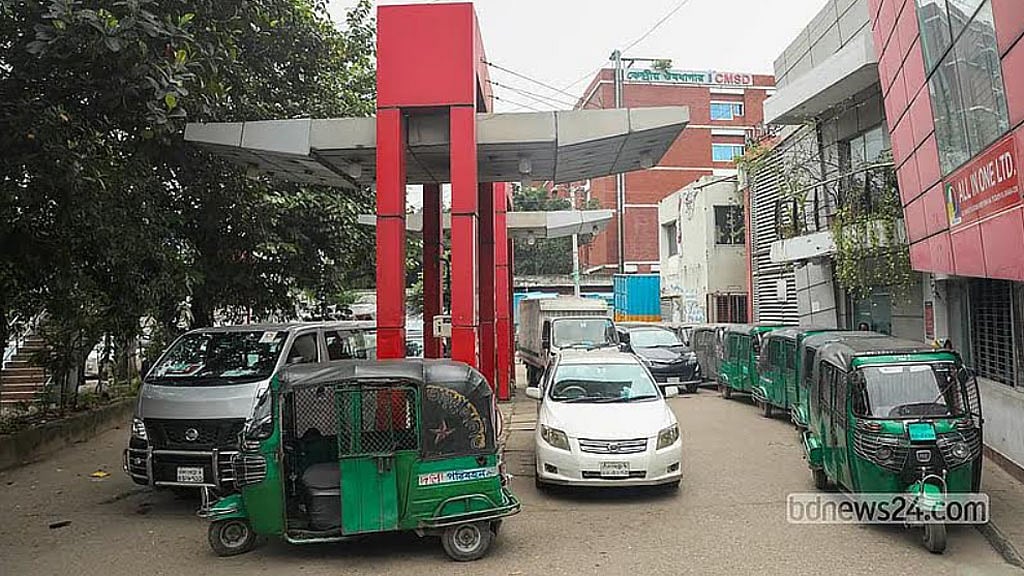
Power stations use it to generate electricity, factories use it directly in production, and households, commercial users and CNG stations draw from the same network.
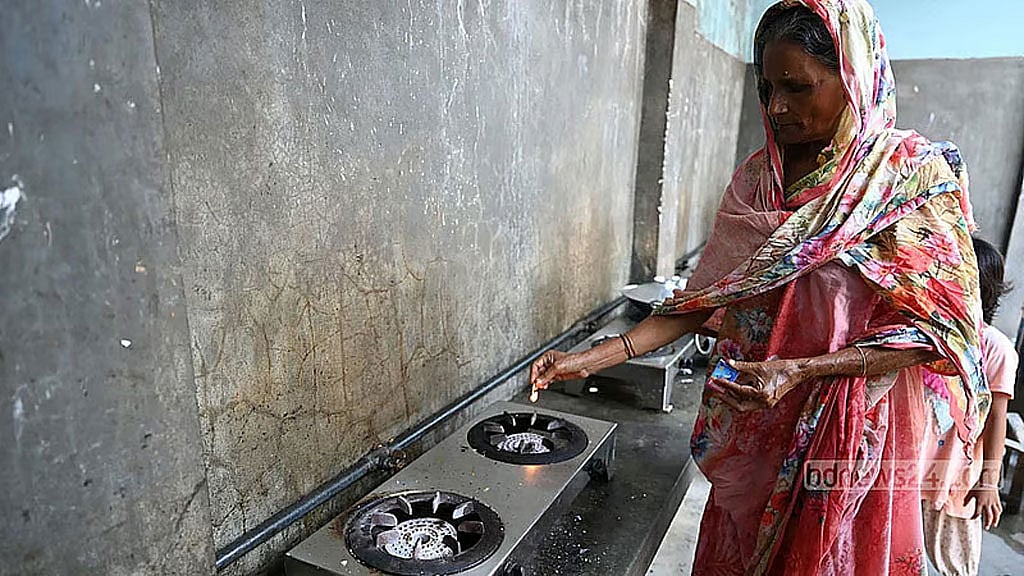
The shortage is already hitting power generation and factories, including the garment sector, while low pressure is affecting residential and commercial users. Reuters says some factories have slowed or halted production because of gas shortages.
That is why a disruption that begins with LNG cargoes in the Gulf can eventually show up as weaker factory output, pressure on electricity generation and unreliable gas supply at home.
Why Can’t Bangladesh Simply Buy LNG Elsewhere?
It can — and is trying to — but replacement LNG is expensive.
Officials are reportedly exploring alternative supplies from Indonesia, Australia and China.
But alternative suppliers do not insulate Bangladesh from a global price shock.
Asian buyers are competing for fewer cargoes, while Europe is also trying to rebuild gas stocks before winter. Higher prices have already forced some Asian countries to switch towards coal or oil where possible.
That leaves Bangladesh with an affordability problem.
Alternative cargoes may be available, but they can cost more and may involve longer voyages. Wealthier buyers can also absorb higher prices more easily.
So diversifying suppliers can reduce dependence on one source, but it cannot make replacement LNG cheap.
What Is Bangladesh Doing About It?
The government is trying to manage the immediate shortage while reducing its exposure over the longer term.
In the short run, it is continuing to buy LNG from the spot market and widening its pool of potential suppliers. It has also approved 18 additional LNG cargoes through direct purchases as imported-gas supplies tighten.
At home, the government says its five-point energy plan focuses on raising domestic gas production, expanding seismic surveys, strengthening BAPEX, awarding new production-sharing contracts and expanding LNG infrastructure.
Prime Minister Tarique Rahman said earlier this month that 30 wells had already been completed under a wider drilling and workover programme, adding 140mmcfd to the national grid.
The broader aim is to meet the immediate supply gap while increasing domestic production over time and reducing dependence on imported fuel.
None of those measures, however, can replace large volumes of imported gas quickly.
What If the Crisis Lasts?
A prolonged Gulf disruption would leave Bangladesh with an uncomfortable choice: keep buying expensive LNG, absorb higher subsidy costs, or ration gas more tightly across power and industry.
The country’s LNG terminals can again process close to their normal volume.
The harder question is now how much gas Bangladesh can afford to put through them, and how much of the wider shortfall imported LNG can realistically cover.