Home
+
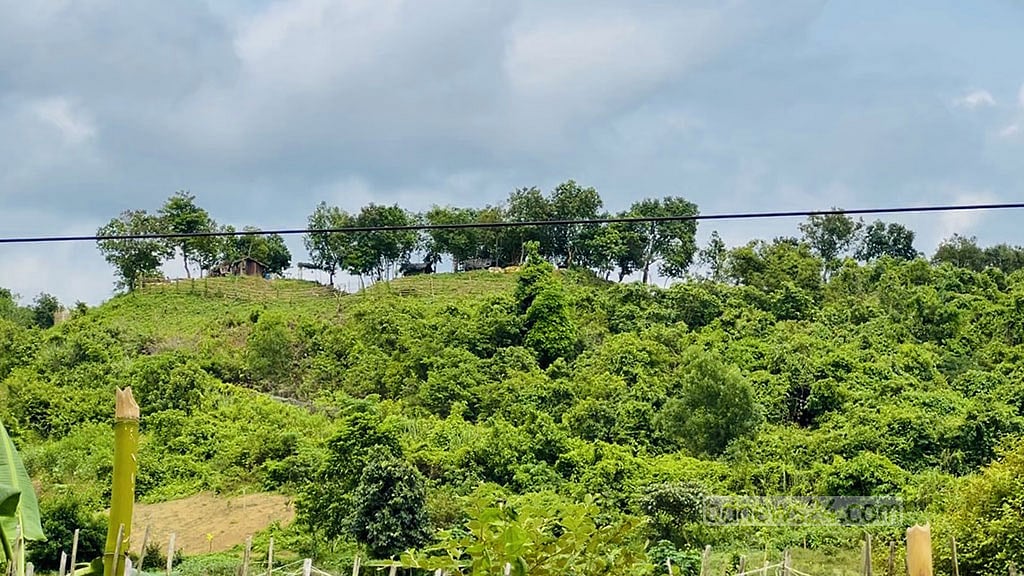
Published : 25 Jun 2026, 02:06 AM
A war is raging in Myanmar. Yet some of its victims are dying inside Bangladesh.
A woman is killed while cooking dinner. A child is shot while playing in his yard. Farmers die in banana plantations. Men disappear into the hills and never return. Others lose limbs to landmines on their own land.
Each incident briefly makes headlines. Officials visit. Sometimes a small payment follows. Then the trail goes cold.
Investigations stall. Accountability vanishes. Grief remains.
Along the Bangladesh-Myanmar frontier, residents say they have become unwilling participants in a conflict they neither started nor understand -- paying the human cost of a war unfolding beyond their borders.
Deaths Without Answers
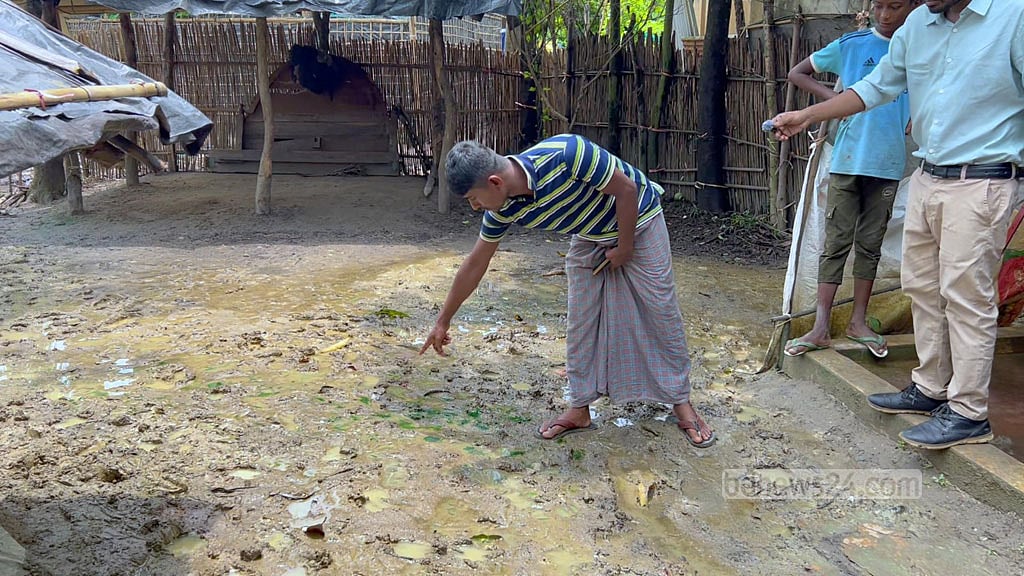
On Feb 5, 2024, Hosne Ara Begum was cooking at her home in Ghumdhum, a border union in Naikhongchhari, as fierce fighting raged inside Myanmar.
A mortar shell landed in her yard.
She and a Rohingya labourer were killed instantly.
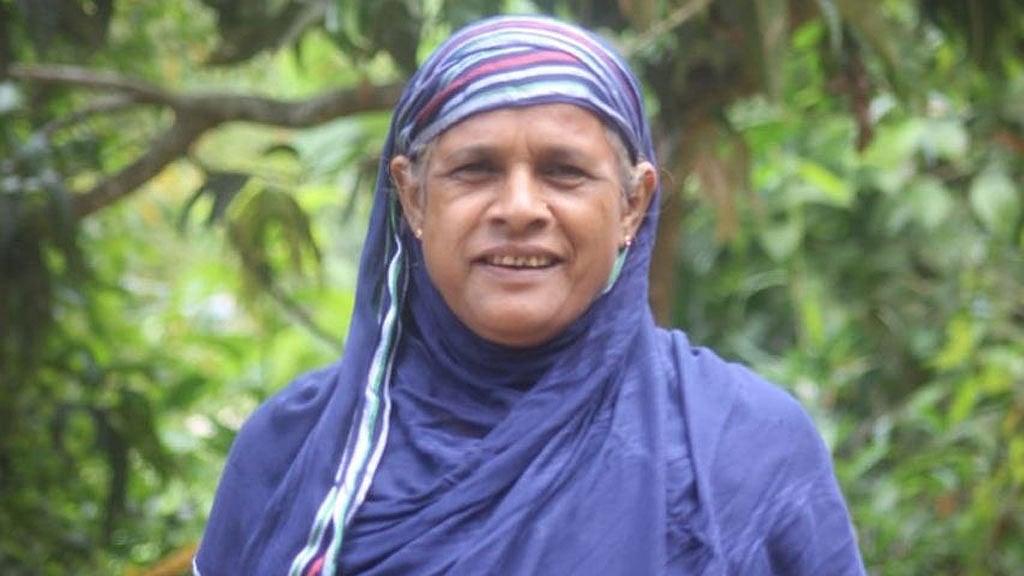
Medical reports stated clearly that she died from blast injuries. But her family says the death certificate later issued by the local union council recorded the cause of death as a “natural disaster”.
“My question is simple,” said her son, identified only Ibrahim. “If a bomb comes from Myanmar and kills someone, how does that become a natural disaster?”
His father filed a case. More than two years later, the family says they have seen no visible progress.
“Police told us they would not be able to arrest anyone,” he said. “After that, nothing happened.”
The same sense of futility haunts the family of 12-year-old Huzaifa.
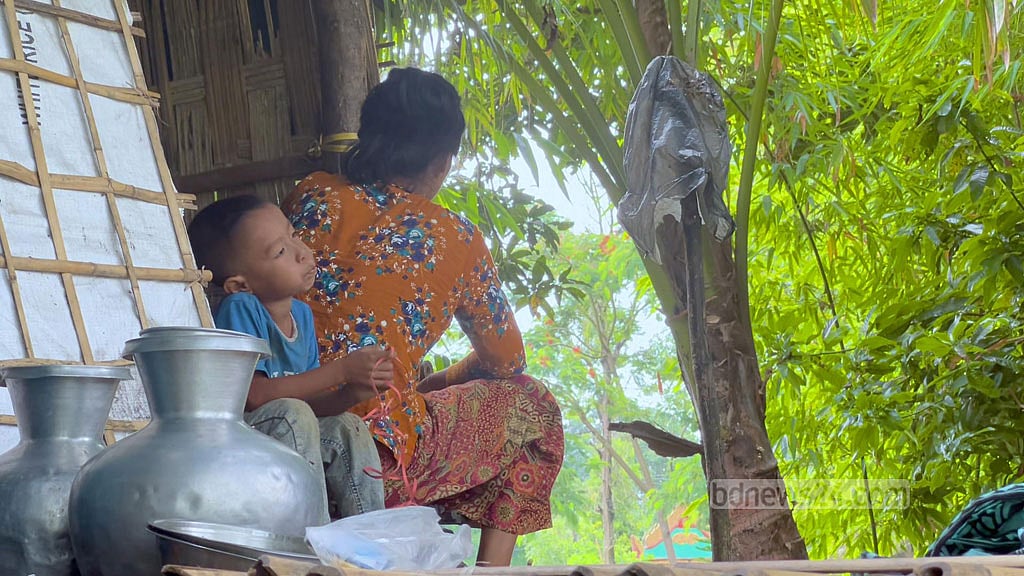
The boy was playing with friends in his yard when a bullet fired during clashes between the Arakan Army and the Rohingya armed group RSO struck him. He fought for his life in intensive care for 27 days before dying.
“He was not fighting a war,” said his father, Jasim Uddin. “He was eating snacks and playing. But who do I ask for justice when the bullet came from the other side?”
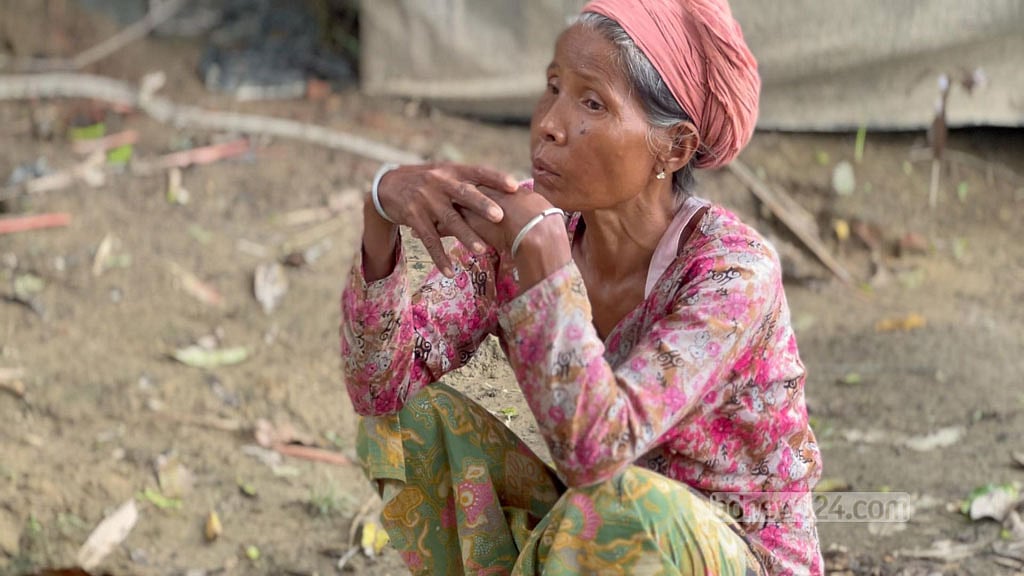
In May this year, three breadwinners -- Shaifuching Tongchongya, Okyamong Tongchongya and Chikyang Tongchongya -- were killed in a suspected landmine blast while working in a banana plantation near the Tumbru border.
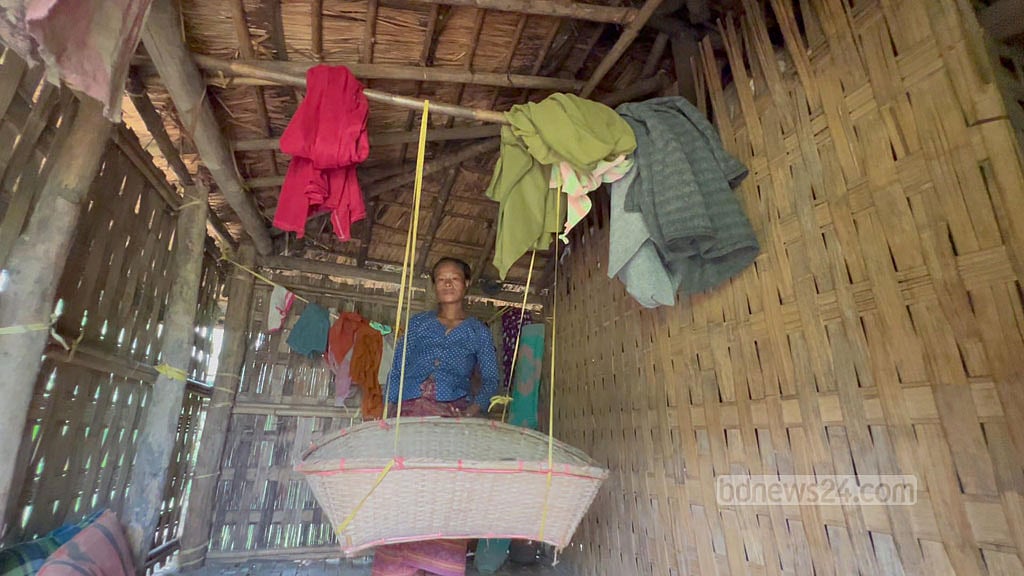
Two weeks later, Shaifuching’s widow gave birth.
“He was supposed to come home after selling bananas,” said Makingching. “But he never returned.”
Living in Fear
The dangers extend beyond deaths.
Wamong Chakma disappeared nearly four months ago after going into a border hill area to collect bamboo. His family still does not know whether he is alive.
At least two such disappearances remain under investigation, according to Naikhongchhari Police chief Mozammel Haque, who acknowledged the challenges of operating in remote frontier terrain.
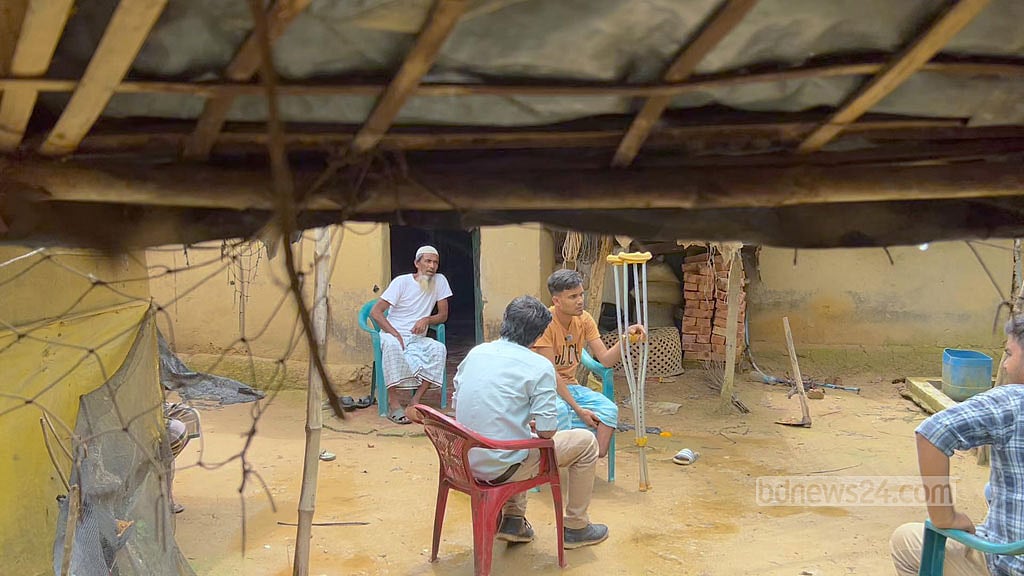
For Hanif, a fish farmer from Teknaf, the consequences are permanent. A landmine explosion near the Naf River tore off one of his legs.
“I was inside Bangladesh,” he said. “But who would I file a case against?”
Now unemployed, he survives on the income of his younger brother.
Residents say armed groups move through vast stretches of the border region, making even routine work dangerous.
“If we do not go into the hills, we do not eat,” said Ula Sing Tongchongya. “But now going there means risking death.”
Border Guard Bangladesh (BGB) commander Lt Col SM Khairul Alam said the source of landmines found in the area remains under investigation.
Authorities suspect some may have been planted or left behind during fighting between Myanmar's military and the Arakan Army.
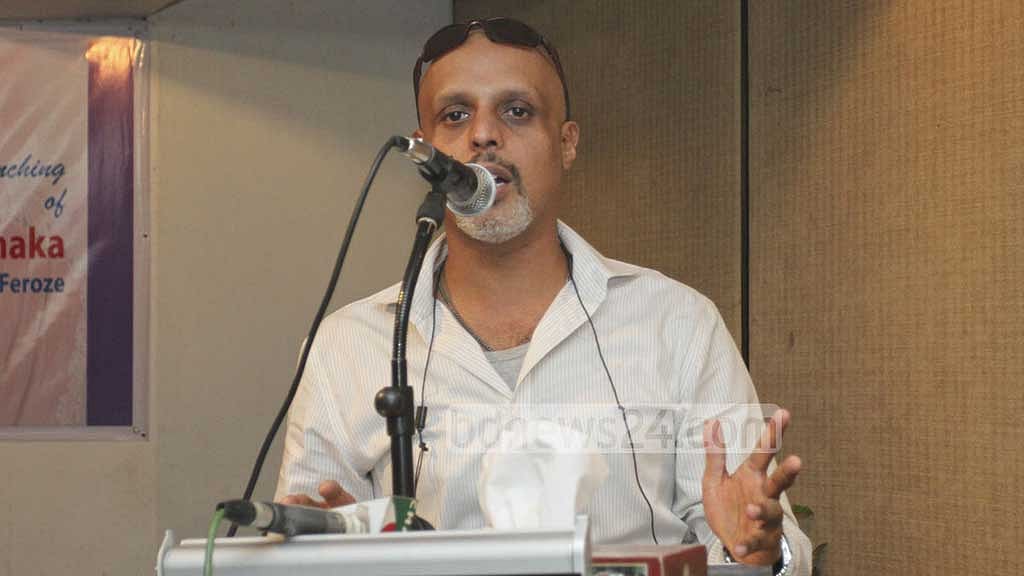
Political analyst Altaf Parvez argues that the deeper problem is the absence of effective control.
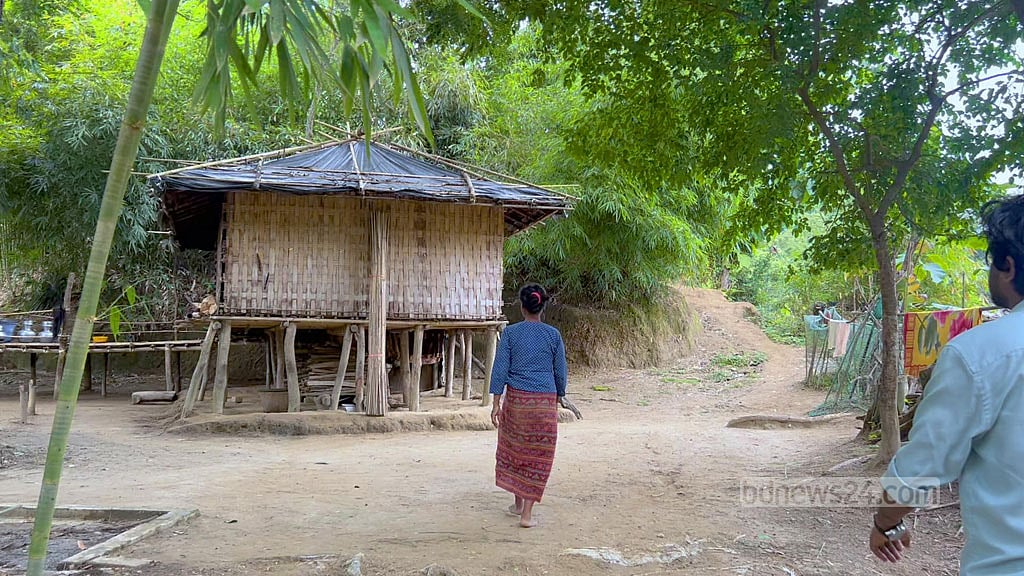
“Everyone knows what is happening,” he said. “But border communities are not part of power politics. Their deaths do not become electoral issues.”
That leaves a troubling question hanging over Bangladesh's frontier villages.
As Cox’s Bazar Bar Association President Abdul Mannan put it: “If a Bangladeshi citizen is killed by a mortar shell, shot, maimed by a landmine or goes missing inside Bangladesh, who is responsible?”
“And if responsibility is never determined, where will justice come from?”