Published : 04 Sep 2025, 12:29 AM
Updated : 28 Aug 2026, 01:26 AM


Rat infestations have once again struck jhum rice fields in Sajek Union under Rangamati’s Baghaichari Upazila, leaving more than 1,500 jhum farming families affected.
Locals now fear an impending food crisis.
Residents and local representatives said the outbreak began in early August in several areas of Sajek before spreading widely.
The worst-affected areas are Shialdai Para, Kaichya Para, Jam Para, Arun Para, Lungthian Para and Betling, where most households depend solely on jhum cultivation for survival.
Sajek Union Parishad Chairman Atulal Chakma said: “So far, I have received information from six to seven communities, but the number could be higher. We are trying to prepare a list of those affected, which will take some time.”
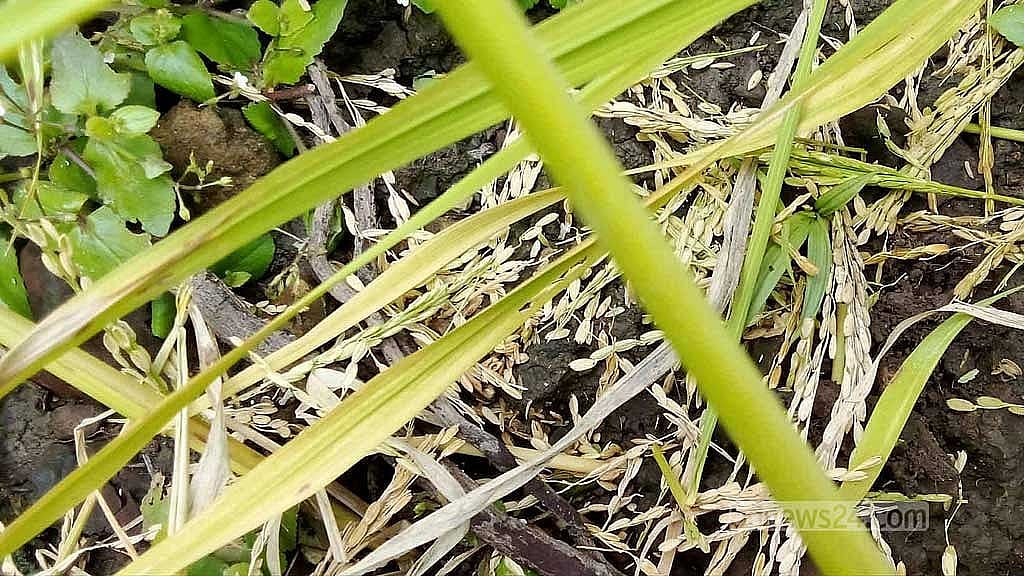
“Most of Sajek’s residents rely on jhum farming. The way the rice fields have been damaged by rats, most farmers will not be able to harvest their crops,” he added.
According to the Department of Agricultural Extension (DAE) in Rangamati, this year jhum paddy was cultivated on 5,000 hectares of land across the district, with 150 hectares in Baghaichari. Seeds are usually sown in April-May, and harvest takes place in September-October.
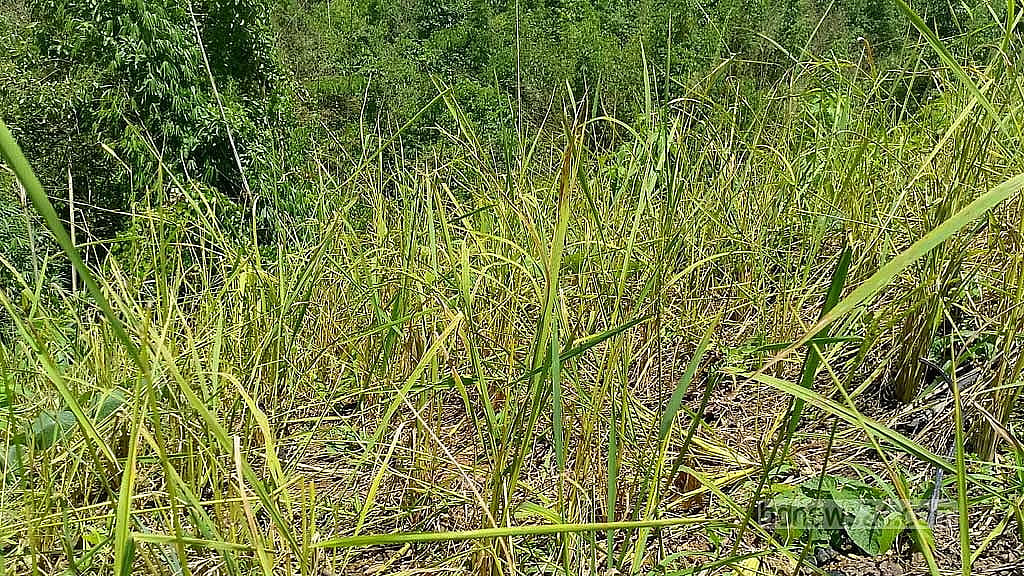
Jouipui Thang Tripura, headman of Shialdai Mouza, said: “The crops have been almost completely destroyed. Rats have eaten everything. In Shialdai, Betling, Tuichui and other Mouzas, around 1,500 to 1,600 families have been affected. These families will face food shortages.”
“They have no option but to rely on jhum cultivation. Their lives depend on whatever they can harvest from it,” he added.
Md Moniruzzaman, deputy director of the DAE in Rangamati, claimed his office had not yet received any information on the matter.
“I will be able to comment after making inquiries,” he said.
Baghaichari administrator UNO) Amena Marjan said, “I have asked local representatives in Sajek to prepare a list of those affected.
“I also discussed with the Upazila agriculture officer how the crops could be protected or what measures could be taken to control the rats.”
Sajek previously experienced a similar outbreak in 2022, when more than 5,000 jhum farming families were affected.