Published : 20 Nov 2025, 07:56 AM
Updated : 21 Aug 2026, 02:46 PM


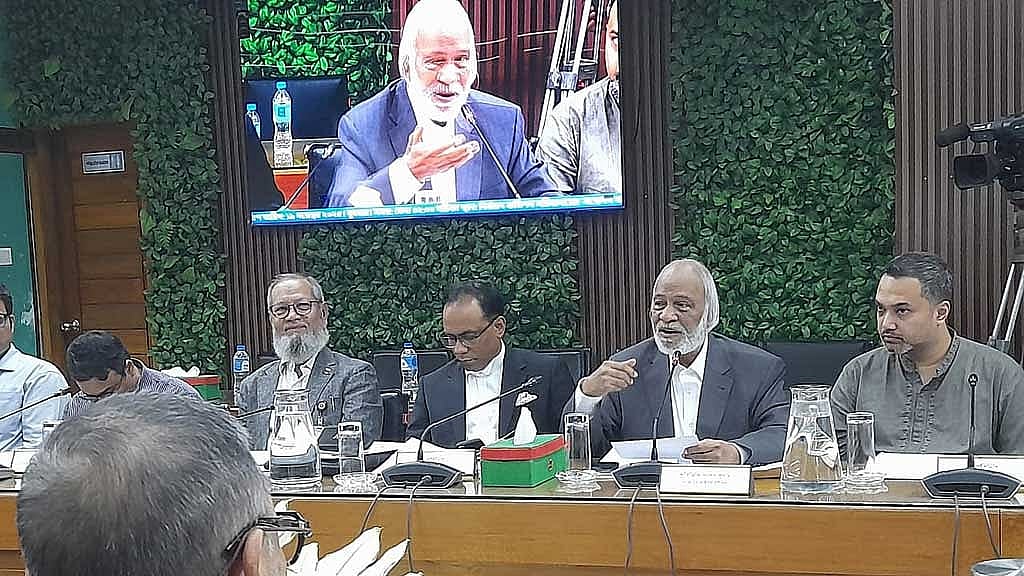
The Election Commission (EC) has completed its dialogue with political parties and stakeholders ahead of the parliamentary polls.
While the commission described the dialogue as “a routine exercise”, some analysts believe that the participation of all registered parties was crucial for ensuring an inclusive election.
Having completed one year in office, the EC now faces the additional task of conducting a referendum on the National July Charter on the day of the general election.
Officials noted that holding both votes on the same day is unlikely to pose “major challenges”.
Announcing the election schedule is also expected to proceed without difficulty.
The current commission assumed office on Nov 21 last year, following the fall of the Awami League government.
Over the past year, the EC has overseen voter list updates and prepared for postal voting, among other responsibilities.
The election is expected in the first half of February, with the schedule likely to be announced in the first half of December.
HOW THE YEAR WENT
After the dialogue concluded on Wednesday, Election Commissioner Md Anwarul Islam Sarker said: “This was certainly a significant task requiring a long period of time. We are very hopeful. Everyone invited attended, participated freely, and spoke openly.
“This will make future elections and decision-making much easier.”
On the election schedule, the commission said, “There will be roughly two months between the schedule announcement and the election. This is our current plan.”
Historically, the interval between schedule and election day has varied: 60 days for the first parliamentary polls, 54 days for the second, 47 days for the third, 68 days for the fourth, 52 days for the fifth, 39 days for the sixth, 47 days for the seventh, 42 days for the eighth, 37 days for the ninth, 42 days for the 10th, 49 days for the 11th, and 52 days for the 12th.
Reflecting on the completion of its first year, the commissioner said: “From the beginning, every task had its own challenges. There were different opinions, suggestions, objections, positive and negative comments. Despite all this, we have not been influenced by anyone. We believe we have not failed in any task so far.”
The EC noted that it is prepared to manage all matters “firmly and practically, without showing any bias, while adhering strictly to the law”.
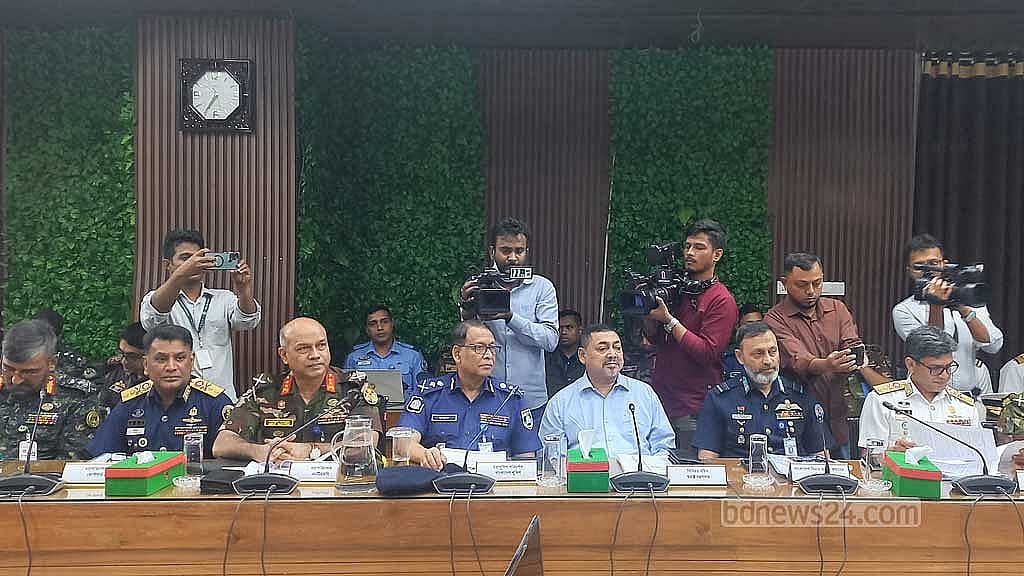
WHAT EC GAINED FROM DIALOGUE
Election analyst Abdul Alim said, “The commission’s main focus was the parliamentary polls. They have made significant progress in this plan. The remaining tasks can be completed before the schedule is announced.”
He noted that electoral law reforms, voter list updates, the 300-seat boundary, party registration, polling centres, and other preparations for the election have been carried out “effectively”.
“The reforms reflect some of the commission’s previous recommendations. The voting app for expatriates has been introduced, and postal voting will begin for the first time. Its success will depend on other factors, but initiating these steps is a milestone,” he added.
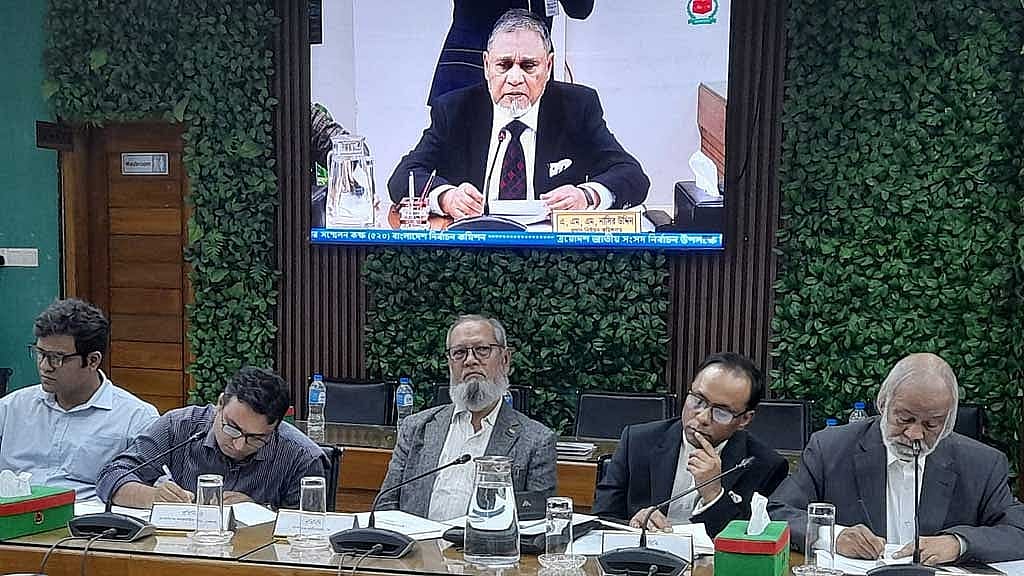
Alim also described the dialogue with political parties as largely routine work. Rules of Procedure (RPO) have been revised and codes of conduct established.
“There is limited scope for feedback at this stage. The focus now is on support,” he said.
He stressed that the EC cannot conduct elections alone and requires the cooperation of all stakeholders, particularly political parties.
“Some parties may be slightly unhappy with certain decisions. Dialogue has created a formal channel of communication with them. Taken together, this shows the commission is on the right path.”
Currently, 55 parties are registered, including the BNP, Jamaat-e-Islami, and the NCP, but eight parties, including the Jatiya Party, were not invited to the dialogue.
On this, the analyst said: “This is part of Bangladesh’s political culture. Sometimes parties are invited, sometimes not. Occasionally, there are attempts to divide parties or register controversial parties. This is the environment in which the commission operates.”
Alim added, “Some parties have also been excluded from government programmes. The commission has mainly aimed to maintain continuity. Resolving these issues is the first step before moving forward.”