Published : 04 Jul 2026, 08:01 PM
Updated : 08 Sep 2026, 09:21 AM


Stranded in Border Limbo
Legal vacuum: Experts condemn unilateral “push-ins” as illegal, inhumane breaches of international repatriation laws
Geopolitical shift: The crisis stems from West Bengal’s aggressive push to detain and expel those not covered by the new CAA
Borders on alert: BGB surveillance has intensified, foiling dozens of attempts to force hundreds of people across the border
Humanitarian limbo: Bypassing diplomatic verification leaves vulnerable families trapped in the zero line under the open sky
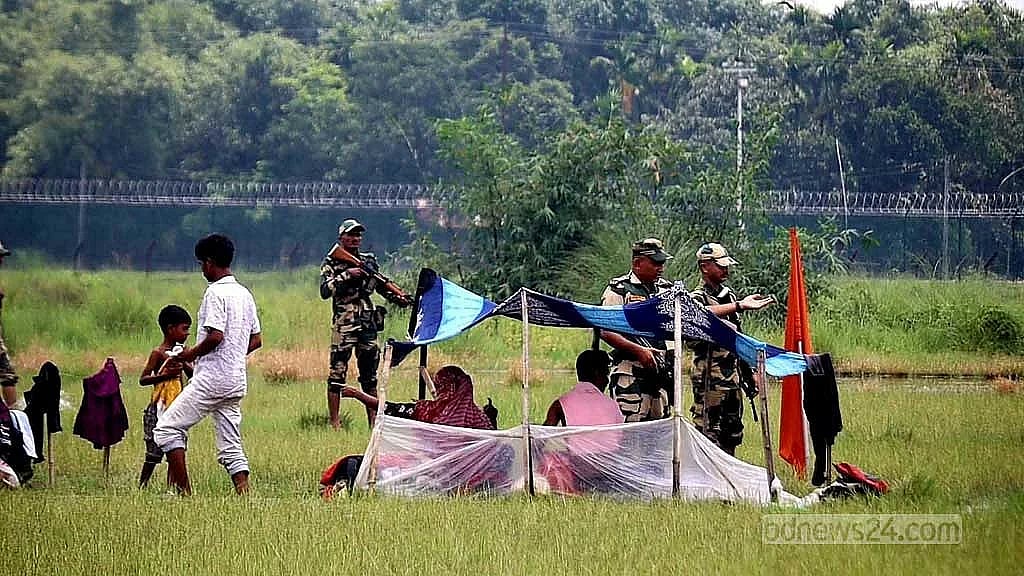
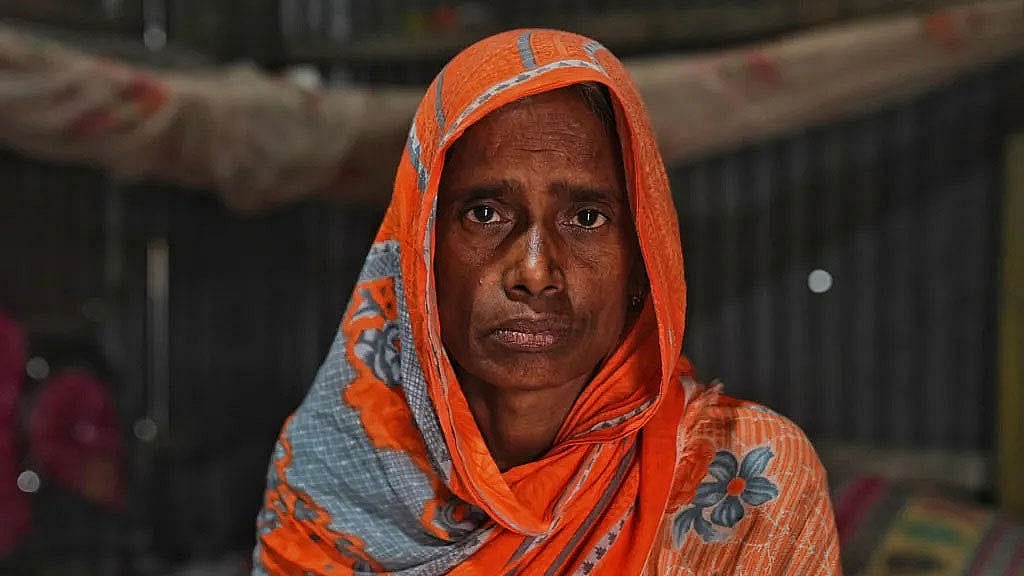
For days, they waited under the open sky with nowhere to go.
Some carried nothing but the clothes they were wearing. Many had no documents proving whether they belonged to Bangladesh or India.
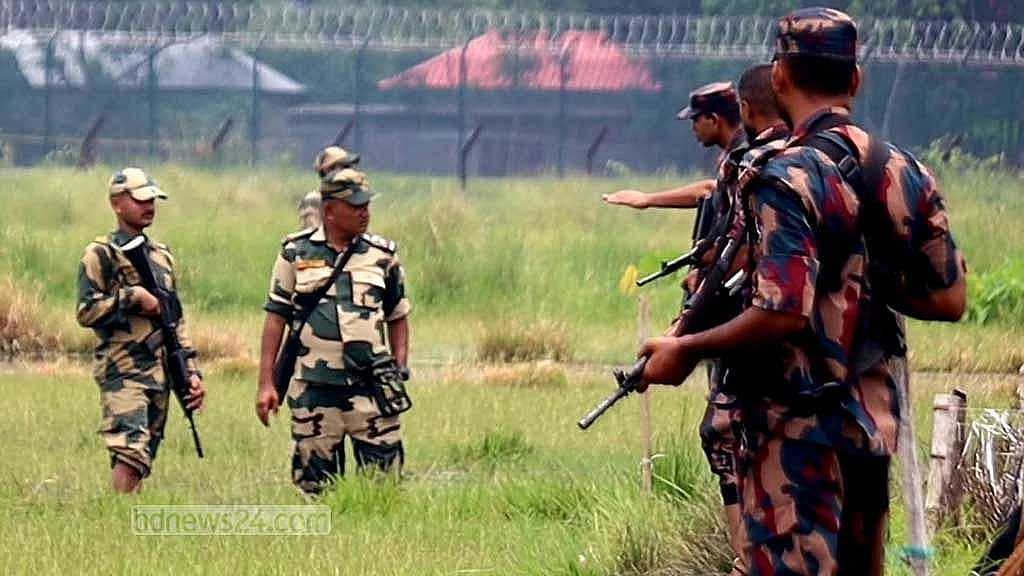
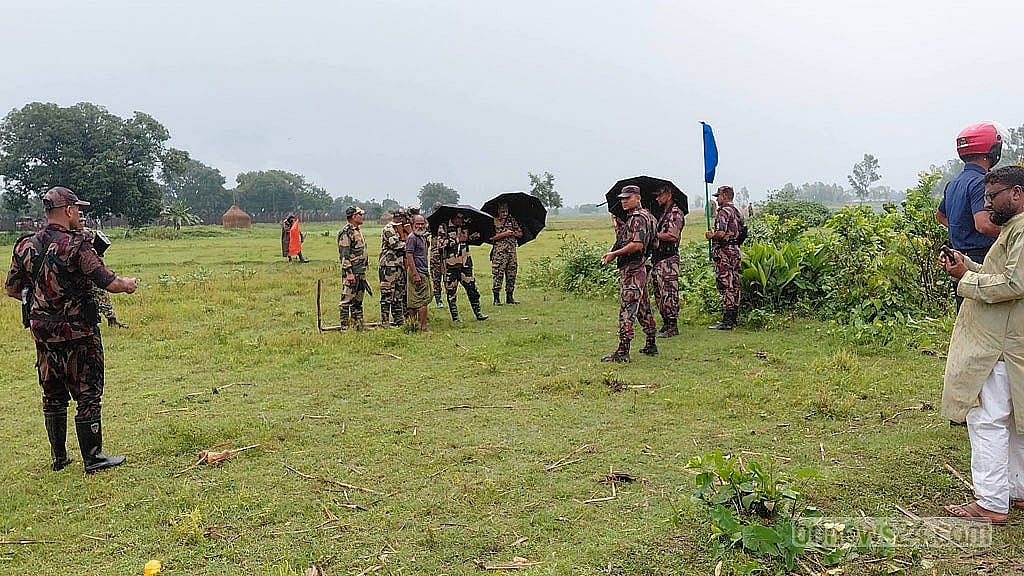
Women, children and elderly people sat in the narrow strip of land separating two countries, stranded after India's Border Security Force (BSF) allegedly attempted to push them into Bangladesh, only to be stopped by the Border Guard Bangladesh (BGB).
Their plight has transformed a long-running border issue into a humanitarian and legal debate, with experts in both countries arguing that such "push-ins" violate international norms, sidestep diplomatic procedures and leave vulnerable people trapped between two states.
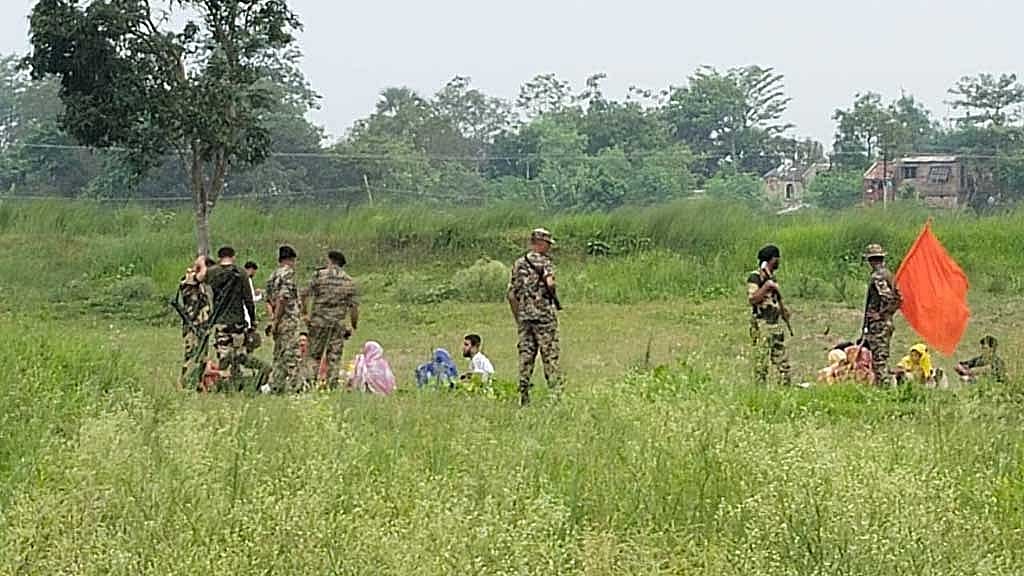
One of the most striking incidents unfolded on Jun 5, when 28 people, including women and children, were taken to the zero line at Bangabari border in Chapainawabganj's Gomastapur Upazila.
Prevented from entering Bangladesh, they remained stranded there for two days before the BSF eventually took them back.
The episode has reignited questions over whether undocumented people can legally be forced across an international border without their nationality first being established.
Politics Behind the Push
The latest wave of push-ins has emerged despite renewed efforts by Dhaka and New Delhi to improve bilateral relations under Bangladesh's new BNP-led government.
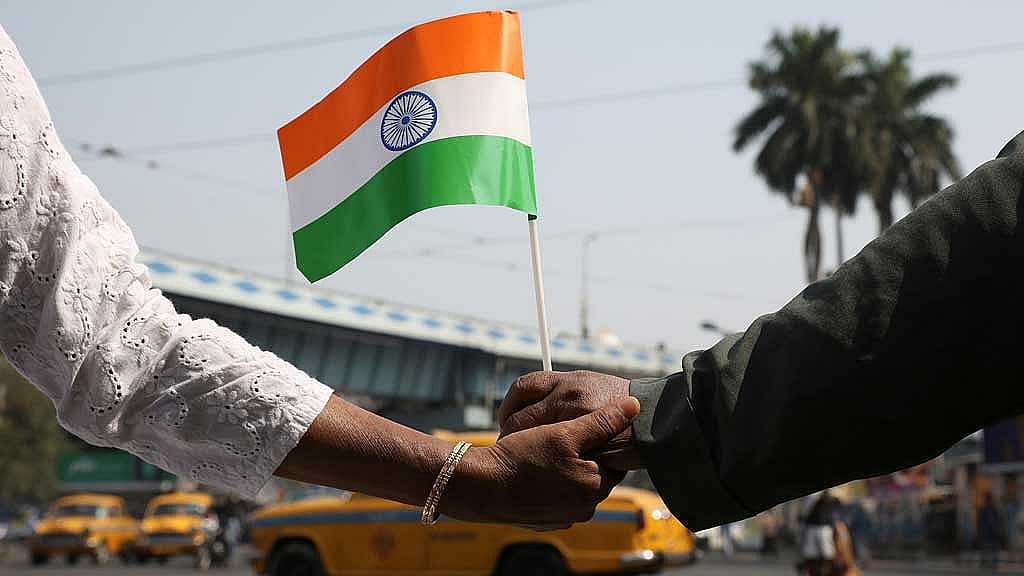
Analysts trace the development to political changes in neighbouring West Bengal, where the BJP returned to power in May and announced plans to implement the Citizenship (Amendment) Act (CAA), first passed in 2019 and brought into force before India's 2024 general election.
The law offers a pathway to Indian citizenship for undocumented non-Muslim migrants from Bangladesh, Pakistan and Afghanistan who entered India before Dec 31, 2014.
At the same time, applicants must still provide documentary evidence linking them to their country of origin.
Before the West Bengal election, India's home ministry formed four committees to process citizenship applications.
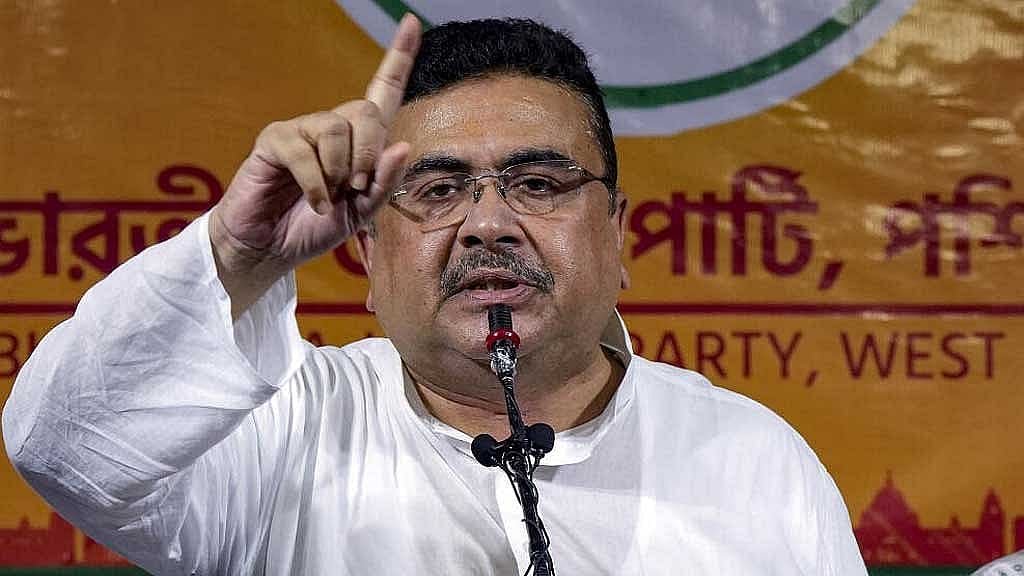
Soon after assuming office on May 9, Chief Minister Suvendu Adhikari declared: "Those who are not covered under the CAA will be arrested and handed directly to the BSF."
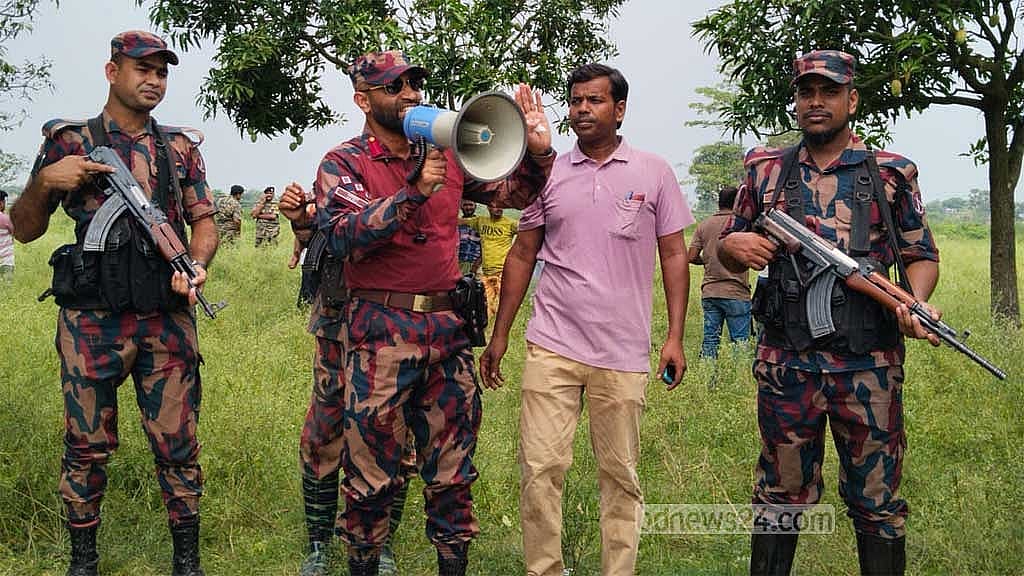
Since then, the BGB says it has been working almost daily to prevent attempted push-ins.
According to Col Abul Hasnat Mohammad Mahmud Azam, BGB's deputy director general (media), the force has foiled 83 push-in attempts this year involving between 652 and 704 people.
"'Push-in' or 'pushback' -- whatever you call it -- we are not allowing it under any circumstances," he said. "BGB members are working more than four times harder than usual. Strict surveillance has been imposed along the border. Those who return through established legal procedures face no problems."
Suvendu, however, claimed on Jun 8 that 4,800 people had already been sent to Bangladesh from holding centres established in border districts, with another 836 still being held.
What International Law Says
International law contains no formal definition of "push-in" or "pushback". But legal experts broadly regard such actions as conflicting with the principle of non-refoulement, enshrined in Article 33 of the 1951 Refugee Convention, which prohibits returning people to places where their lives or freedoms may be at risk.
Human rights standards also require authorities to determine a person's identity, explain the reasons for detention and provide access to judicial review before deportation.
Article 9 of the International Covenant on Civil and Political Rights (ICCPR) protects individuals against arbitrary detention, while Article 36 of the Vienna Convention on Consular Relations requires foreign nationals in custody to be allowed contact with their consular authorities.
Lawyers argue that when nationality is disputed, repatriation should occur only after verification and diplomatic engagement between the two countries.

Migration expert Asif Munir said, "Every sovereign state has the right to protect its borders. But that responsibility must be exercised within international law and humanitarian principles. The recent push-ins along the Bangladesh-India border are contrary to international border law and deeply inhumane."
Senior lawyer Shahdeen Malik agreed.
"There is no law that makes this kind of push-in legal," he said. "If another country refuses to recognise someone as its citizen, legal provisions alone cannot resolve the matter. It ultimately becomes a political and diplomatic issue."
Rights Groups Raise Alarm
Human rights organisations in India have also challenged the practice.
Kirity Roy, secretary-general of the West Bengal-based rights organisation Banglar Manabadhikar Suraksha Mancha (MASUM), said the group had challenged India's new Immigration and Foreigners Act, 2025, in court.

"We cannot call push-ins a lawful process," Kirity said. "Although the Indian government claims they are permitted under the new law, we believe its implementation conflicts with India's Constitution, international human rights principles and international law."
Previously, he said, suspected undocumented migrants would appear before a court before nationality was verified through official communication between the two governments.
"Now we are seeing many people taken directly to the border without those legal procedures," he said, alleging that Bangladeshi and Rohingya Muslims were being disproportionately targeted.
Human Stories Behind the Numbers
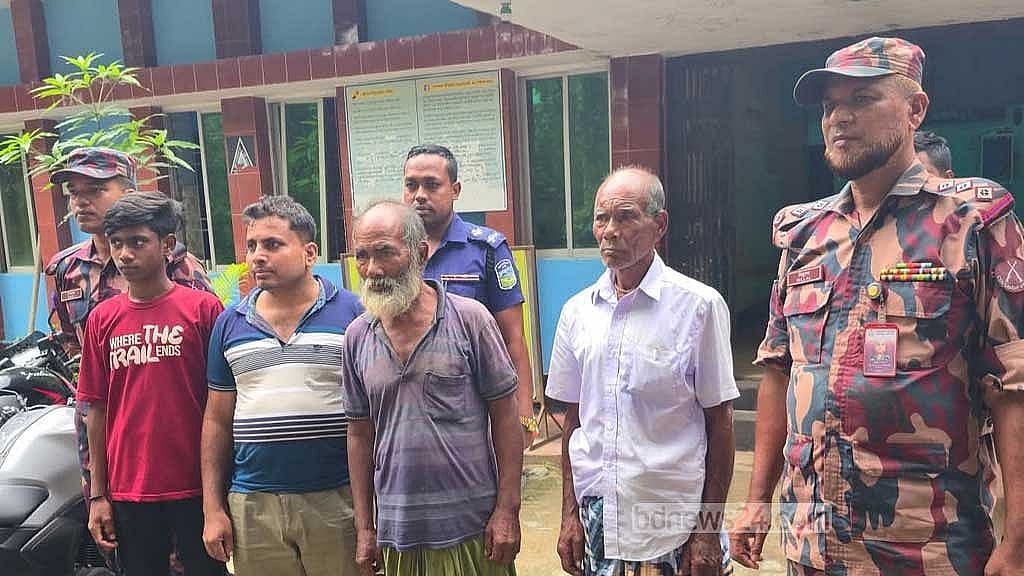
Among those caught in the crisis was 68-year-old Shasthi Chandra Barman, who spent nearly 24 hours stranded at the Bakshiganj border before the BGB accepted him on humanitarian grounds after confirming that his home was in Rajshahi's Godagari Upazila.

"We brought him back for humanitarian reasons," said Lt Col Hasanur Rahman, commanding officer of BGB Battalion-35.
But he stressed that such cases should never bypass diplomatic channels.
"This is not the normal process," he said. "India should provide Bangladesh with a verified list. After both authorities complete the necessary checks, repatriation can take place through diplomatic procedures. Secretly pushing people across the border is not a recognised process."
Earlier, another widely reported case involved an Assam woman known only as Sonabanu, who spent years trying to prove she was Indian before reportedly being forced towards Bangladesh.
Pregnant Sonali Bibi also became a victim of the process before eventually being returned to India through official procedures.
According to the BGB, between May 2025 and January 2026, India sent 2,479 people into Bangladesh, including 120 Indian nationals.
Bangladeshi human rights activist Nur Khan said that alone illustrated why unilateral push-ins were deeply flawed.
"If Indian authorities suspect someone is a Bangladeshi citizen, they should send the person's identity information to Bangladesh. Verification and repatriation should take place through discussions between the two countries," he said.
"Forcing people -- including women, children and elderly persons -- to remain for days under the open sky near the zero line is unacceptable. Many of those being pushed across reportedly possess Indian identity documents.
“Without proper verification, these actions undermine both international law and the friendly relations between the two neighbours."
As more undocumented people continue to appear at the border's no-man's land, the humanitarian consequences of the policy are becoming increasingly difficult for either side to ignore.