Home
+
Published : 28 Jun 2026, 01:50 PM
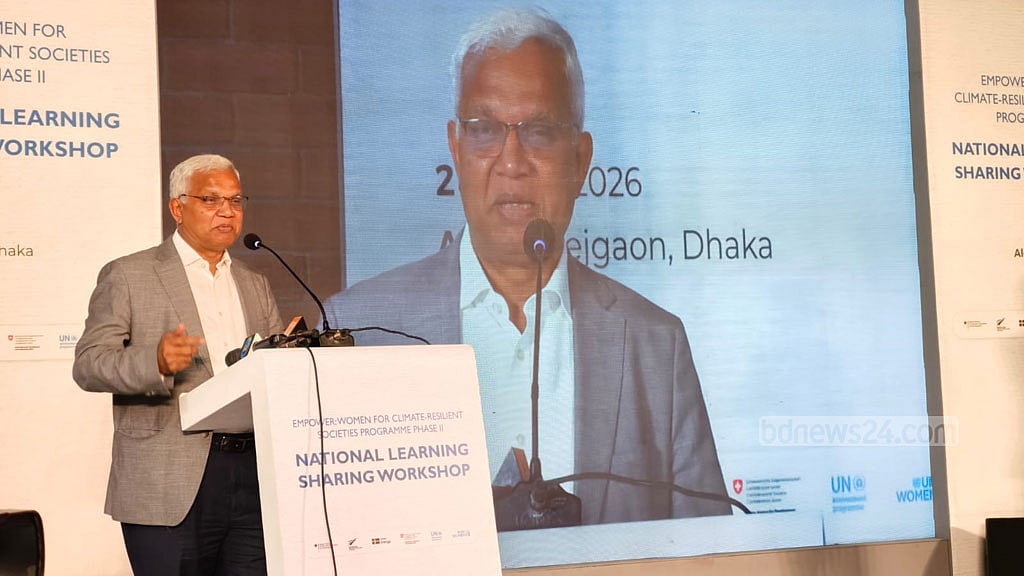
Social Welfare Minister Abu Zafar Md Zahid Hossain has stressed that empowering women in Bangladesh's marginalised areas with knowledge, skills and confidence is essential to withstanding the growing impacts of climate change.
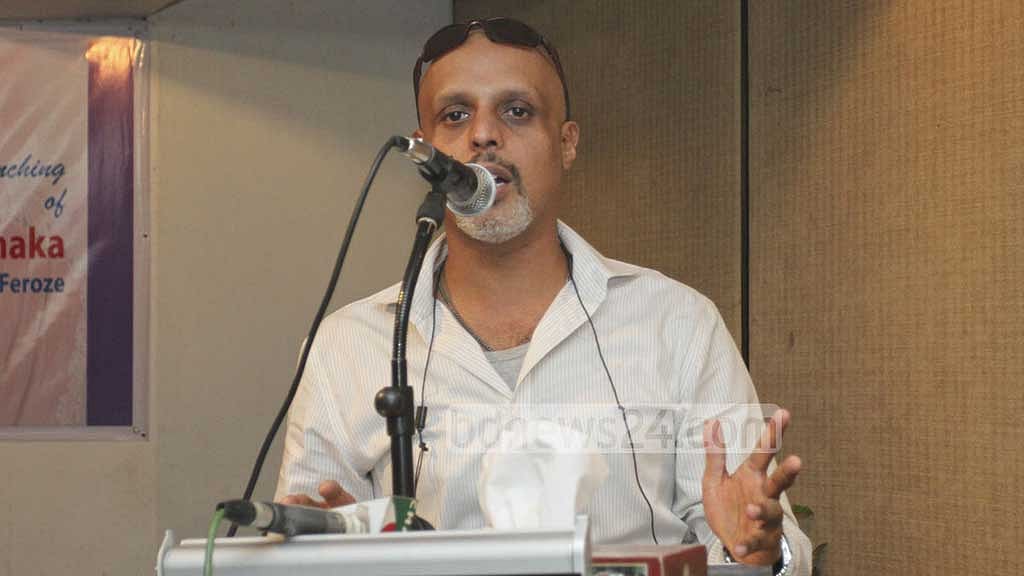
There is no alternative to building women's capacity to adapt to climate-related challenges, he said while speaking at a workshop at Aloki Convention Centre on Tejgaon Link Road in Dhaka on Sunday.
The workshop was jointly organised by UN Women and the UN Environment Programme.
"Climate change will bring physical, mental, financial and environmental challenges. There is no alternative to knowledge and skills if people are to survive and adapt to those changes," Abu Zafar said.
"If we can equip women in marginalised regions with the necessary skills, Bangladesh will be able to successfully confront any climate-related disaster."
Sharing his own life experience, the minister said he had grown up in a remote village and walked to school barefoot.
"I came from a remote area and have been able to reach this position because of my determination to take on challenges and my mental strength. It has been a long learning process.
"The way a woman from remote Kurigram spoke today - like a genius - proves how confident women can become when they are given opportunities and training."
Highlighting the government's development agenda, he said the democratic government led by Prime Minister Tarique Rahman was committed to building an inclusive society.
"Our goal is to work for everyone, particularly marginalised people, persons with disabilities, women and children, and to ensure their rights."
He said the government's Family Card and Farmer Card programmes should not be viewed as grants.
"The Family Card or Farmer Card is not a handout. It is local investment in changing the future of the women in those families."
The minister also reiterated the government's zero-tolerance policy against corruption, drugs and violence against women and children.
"We want to bring corruption down to zero. Our fight against drugs and all forms of violence against women and children will continue. Such crimes will not be tolerated under any circumstances."
Zahid urged that UN Women's project be expanded to all 597 Upazilas across Bangladesh.
"Although the first and second phases of the project have ended, the knowledge women have gained must be sustained. On behalf of the government, we assure you that through policy-level discussions, this successful model will be coordinated with other ministries and expanded nationwide."
The organisers said the workshop aimed to showcase the field-level achievements and experiences of the second phase of the Empower project by promoting women's leadership in building climate resilience.
It also sought to develop policy recommendations for expanding climate action programmes nationwide through coordination among policymakers and development partners, while advancing the goals of the international Beijing+30 Action Agenda by ensuring green employment opportunities and resource rights for rural and Indigenous women.
The day-long workshop featured field experiences, success stories and examples of women's leadership in climate resilience initiatives.
Around 250 representatives from civil society, non-governmental development organisations, financial institutions and international development partners attended the event.